Luís Alvarães
Writing
Known For

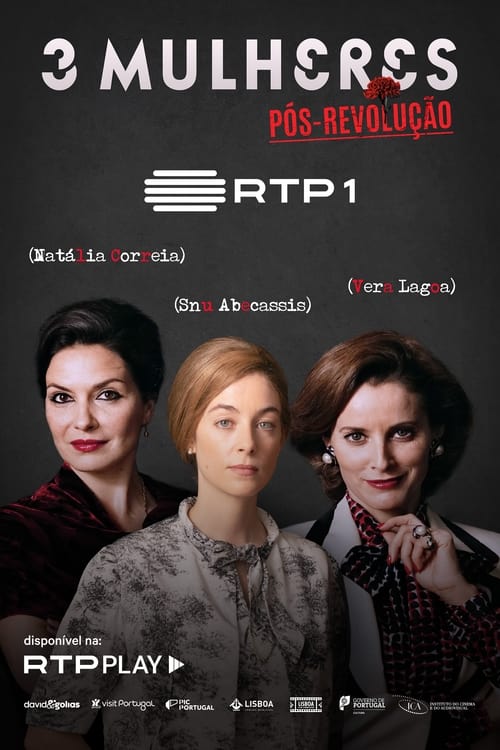
A historical fiction series that, from the biographies and cultural and civic intervention of the poet Natalia Correia, the editor Snu Abecassis and the journalist Vera Lagoa (pseudonym of Maria Armanda Falcão), recalls the last years of the Estado Novo (Second Republic) - 1961 to 1973 - from the beginning of the colonial War to the eve of the April Revolution.
3 Women

No description available.
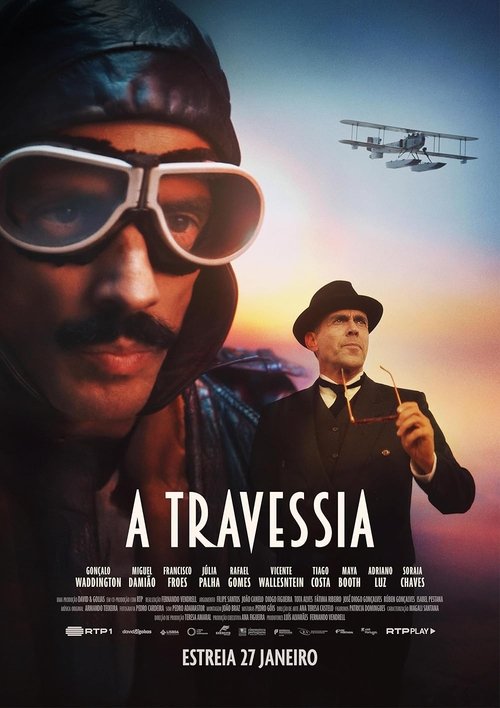
Além do Horizonte - A Travessia

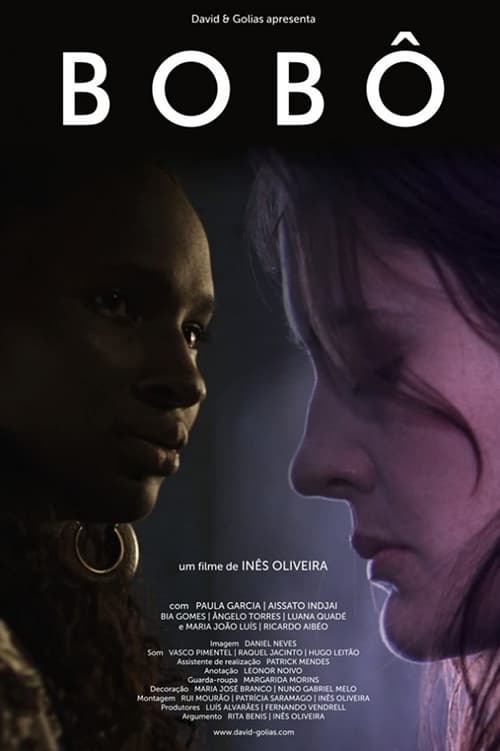
Sofia lives a strangely isolated life in the old apartment where she grew up in Lisbon. Mariama arrives from Guinea-Bissau, having been hired by Sofia’s mother to help take care of the house and her son. The appearance of Bobô, Mariama’s younger sister, awakens in Sofia the desire to take a stand. The forced cohabitation between Sofia and Mariama forces them to confront their own private ghosts.
Bobô

No description available.
3 Mulheres Pós-Revolução

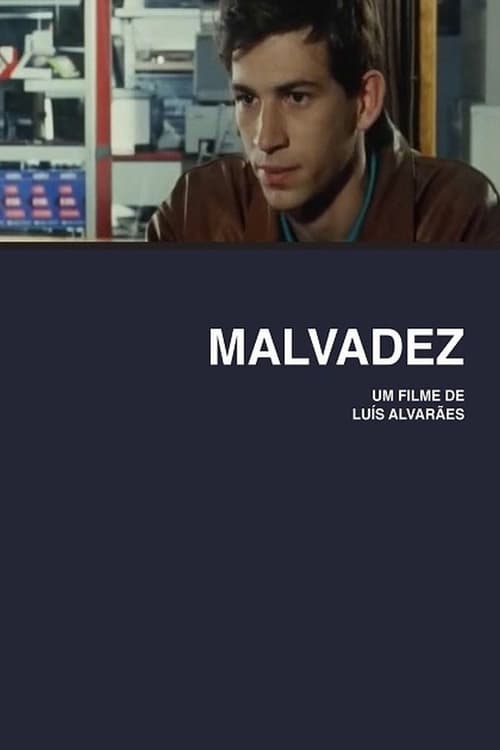
Coming from Fundão to Lisboa where he did conscription service, Matias found that the reality of the big city is not exactly how he remembers
Malvadez

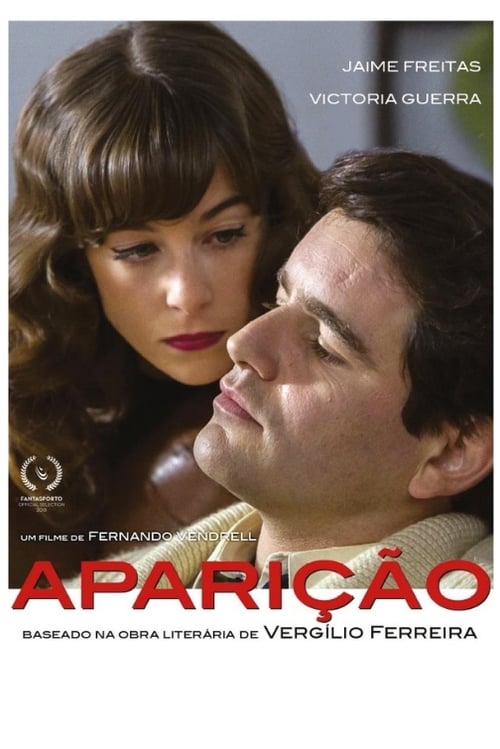
A writer becomes the main character in the story he intended to write
Apparition

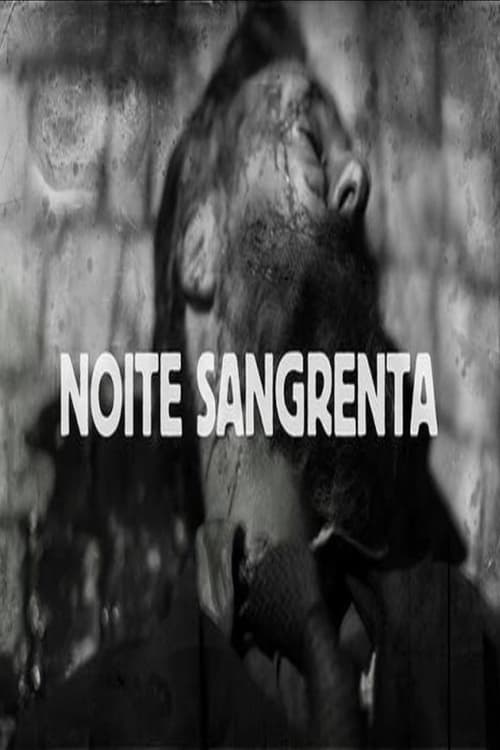
A group of soldiers are sentenced for the murders of key political figures in the night of October 19th, 1921, in the streets of Lisbon. But the names of the conspirators remain unknown. Berta Maia, a widow of the 1910 revolution hero Carlos da Maia, will fight for the truth…
Bloody Night

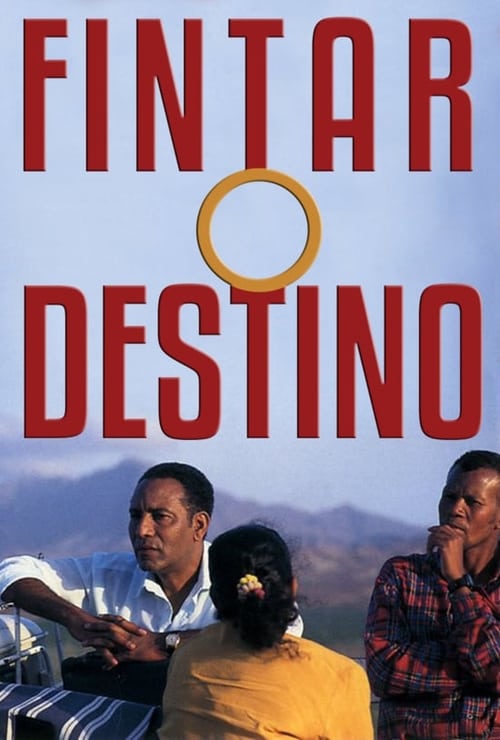
Life has moved too fast for Mane. at the age of 50 he watches the slow sacrifice of his ideals. His wife, Lucy, has locked him in to a daily routine. His work in a small commercial shop and grocer's has worn him out. His dreams have evaporated into the drought of the beaten earth of Mindelo. Now forgotten, with his past as a great football player for Mindelense, in St Vincent in Cape Verde, he only has the belated compassion of his friends, neighbours, and cafe companions: "He was important", "He was the keeper in Cape Verde", "He could have played for Benfica!" Mane rejects the loss of his status as a hero. When training a youth team he sees himself again in KALU, a rebellious but talented youth. He is guided by a whirlwind of thoughts; he was also young, had opportunities, felt the sting of love and wasted his flame. A beaten leather ball shines in his hands once again, Benfica, his club, calls him to the Portuguese Cup Final.
Dribbling Fate

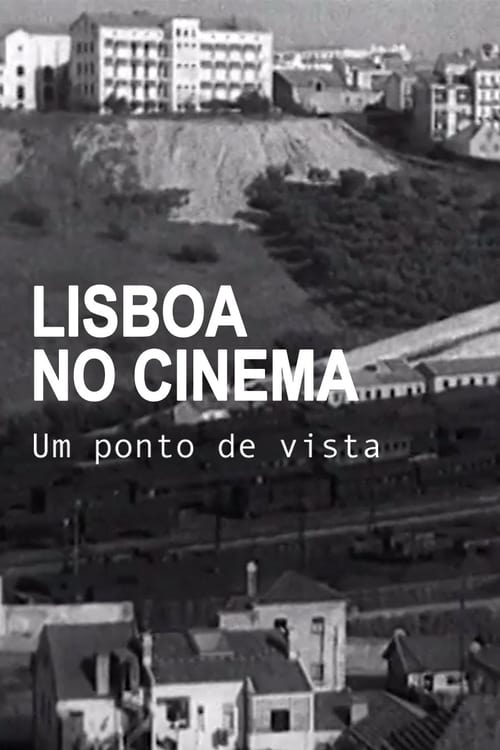
The city during the beginning of cinema. The typical city at the time of the dictatorship. The New Lisbon of the New Cinema. Lisbon after the Revolution. The white city of foreigners. A geographical and moviegoer screenplay of Lisbon through the images of films and testimonies of several filmmakers who filmed in Lisbon.
Lisboa no Cinema, Um Ponto de Vista

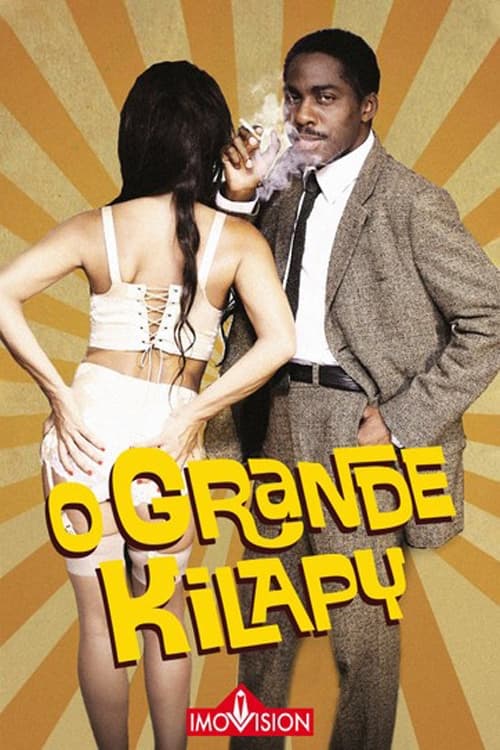
Zézé Gamboa's sardonic historical drama follows a good-hearted, apolitical con man who, on the eve of Angolan independence in the mid-1970s, pulls off a massive swindle at the expense of the Portuguese colonial administration — and soon after finds himself hailed as a hero of the national liberation struggle.
The Great Kilapy

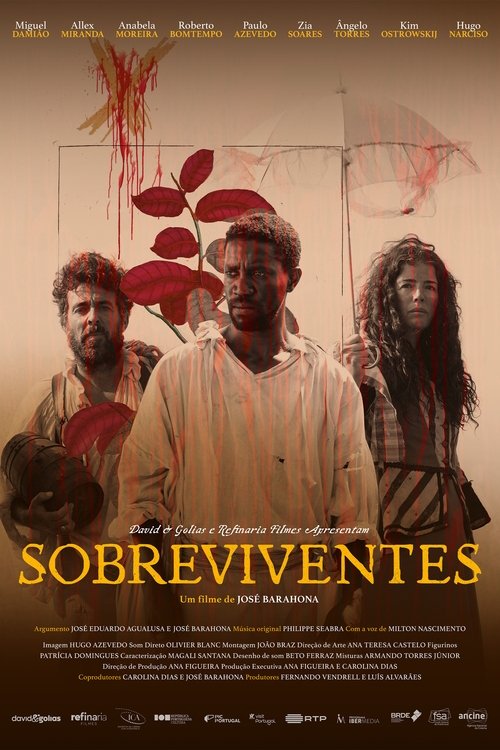
Mid-19th century. A group of survivors from a wrecked slave ship, both black and white, end up on a deserted island, somewhere in the Atlantic Ocean. The fight for survival and power will flip the moral and social values of those days.
The Survivors

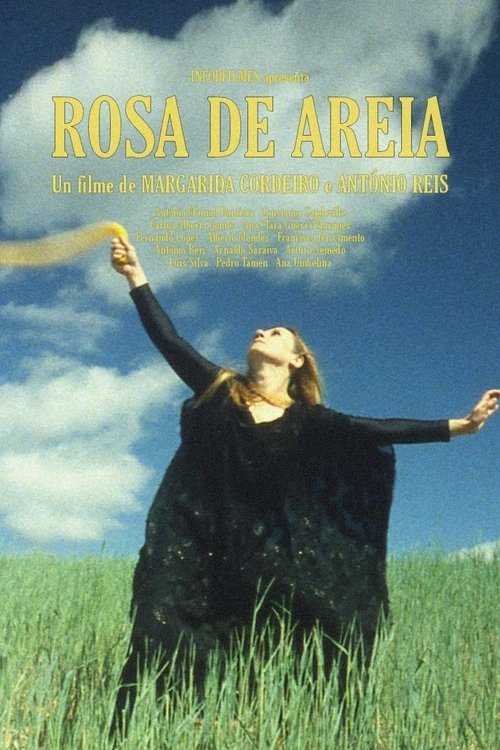
Drawing on a wide mosaic of texts from figures like Montaigne and Kafka, literary and philosophical fragments are used to illustrate and reflect on the human condition. It is a tribute to the landscape and the people who inhabit the Trás-os-Montes region of Portugal, portraying the region not just as a physical space, but as a place where imagination and reality intertwine.
Desert Rose

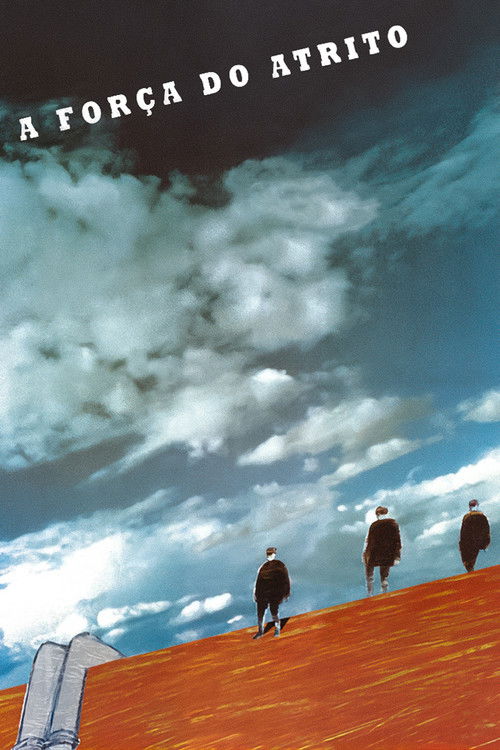
Portugal 1997. A nuclear accident left the the country without energy and divided between zones, some of them interdicted because of the contamination. The economic crisis is dramatic and unemployment is almost total.
A Força do Atrito

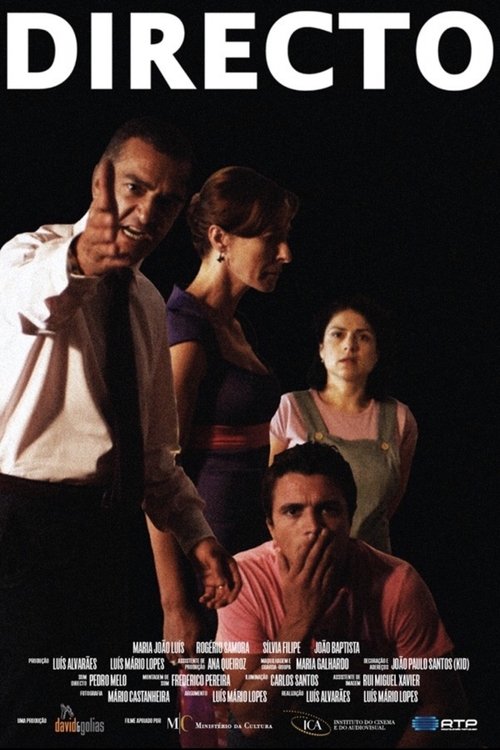
A couple watches a bank robbery live on TV.
Directo

No description available.
O Meu País Não Existe

No description available.
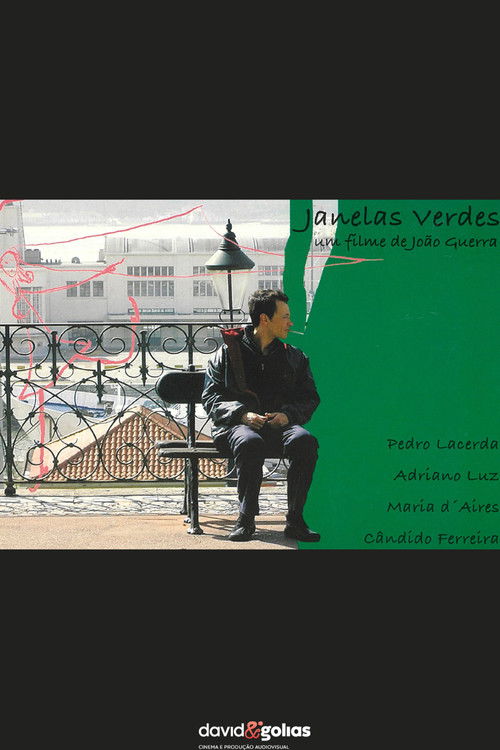
Janelas Verdes

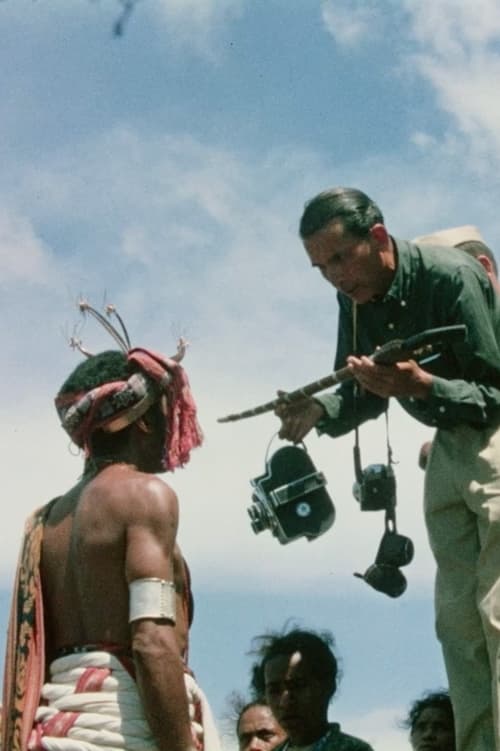
“I am totally in love with Timor!”, said the Portuguese poet, anthropologist and agronomist Ruy Cinatti upon arriving on the island. From 1946 to 1974, he led a nomadic experiment, building a lasting relationship with Timor-Leste’s people and territory. The cultural identity he sought to protect is threatened by colonial oppression and the decline of the Portuguese Empire. Rejecting these circumstances, Cinatti reaches out to the people and its tribes, documenting rituals, filming, photographing and even making blood oaths with tribal chiefs to gain access to sacred places and become a Timorese.
The Flight of The Crocodile – Ruy Cinatti’s Timor
No description available.
Editor Contra

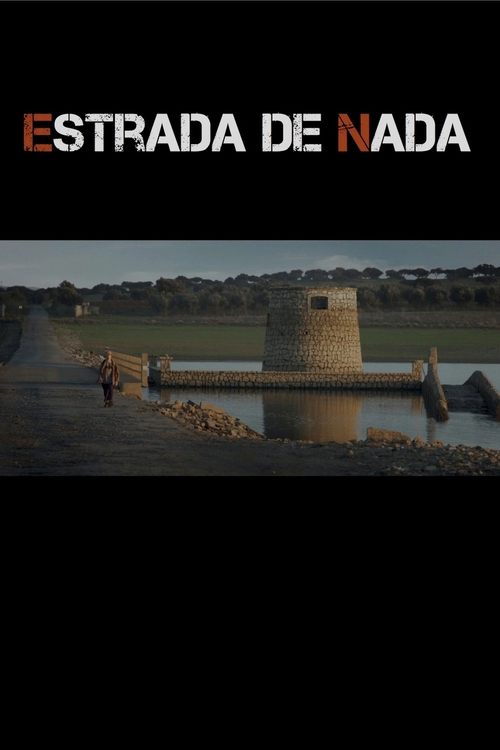
Life is as unchanging as ever in the village: the sun sets between memories. The arrival of a young outsider changes everything. The old are offered a new gift and they accept it. The dreams awaken an old song which pulses through the village. 'With Fate driving the cart of everything along the road of nothing.'
Road of Nothing

No description available.