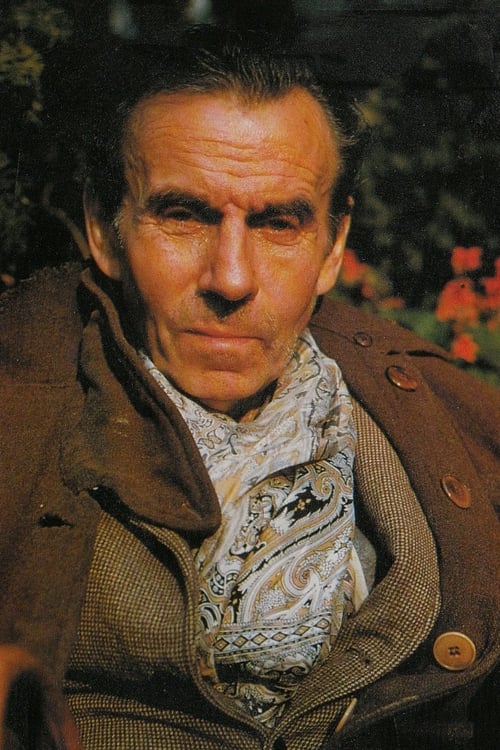
Louis-Ferdinand Céline
Writing
Biography
Louis Ferdinand Auguste Destouches (27 May 1894 – 1 July 1961), better known by the pen name Louis-Ferdinand Céline, was a French novelist, polemicist, and physician. His first novel Journey to the End of the Night (1932) won the Prix Renaudot but divided critics due to the author's pessimistic depiction of the human condition and his writing style based on working class speech. In subsequent novels such as Death on the Installment Plan (1936), Guignol's Band (1944) and Castle to Castle (1957) Céline further developed an innovative and distinctive literary style. Maurice Nadeau wrote: "What Joyce did for the English language...what the surrealists attempted to do for the French language, Céline achieved effortlessly and on a vast scale." From 1937 Céline wrote a series of antisemitic polemical works in which he advocated a military alliance with Nazi Germany. He continued to publicly espouse antisemitic views during the German occupation of France, and after the Allied landing in Normandy in 1944 he fled to Germany and then Denmark where he lived in exile. He was convicted of collaboration by a French court in 1951, but was pardoned by a military tribunal soon after. He returned to France where he resumed his careers as a doctor and author. Céline is widely considered to be one of the greatest French novelists of the 20th century but remains a controversial figure in France due to his antisemitism and activities during the Second World War. The only child of Fernand Destouches and Marguerite-Louise-Céline Guilloux, he was born Louis Ferdinand Auguste Destouches in 1894 at Courbevoie, just outside Paris in the Seine département (now Hauts-de-Seine). The family came originally from Normandy on his father's side and Brittany on his mother's side. His father was a middle manager in an insurance company and his mother owned a boutique where she sold antique lace. In 1905, he was awarded his Certificat d'études, after which he worked as an apprentice and messenger boy in various trades. Between 1908 and 1910, his parents sent him to Germany and England for a year in each country in order to acquire foreign languages for future employment. From the time he left school until the age of eighteen Céline worked in various jobs, leaving or losing them after only short periods of time. He often found himself working for jewellers, first, at eleven, as an errand boy, and later as a salesperson for a local goldsmith. Although he was no longer being formally educated, he bought schoolbooks with the money he earned, and studied by himself. It was around this time that Céline started to want to become a doctor. ... Source: Article "Louis-Ferdinand Céline" from Wikipedia in English, licensed under CC-BY-SA 3.0.
Known For
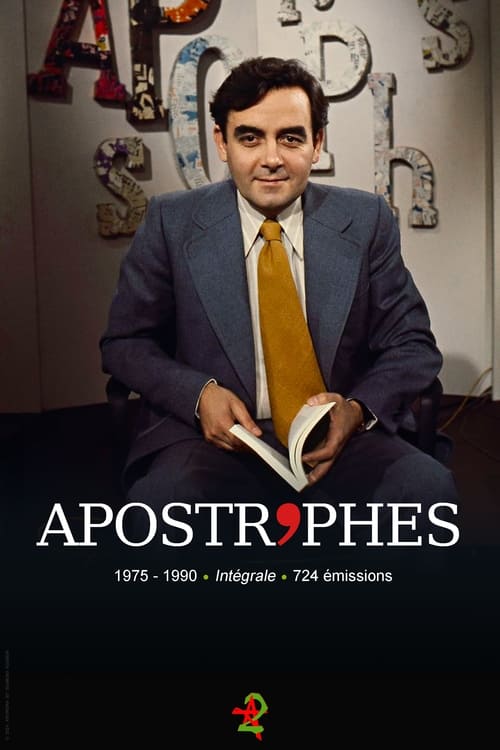
Apostrophes was a live, weekly, literary, prime-time, talk show on French television created and hosted by Bernard Pivot. It ran for fifteen years (724 episodes) from January 10, 1975, to June 22, 1990, and was one of the most watched shows on French television (around 6 million regular viewers). It was broadcast on Friday nights on the channel France 2 (which was called "Antenne 2" from 1975 to 1992). The hourlong show was devoted to books, authors and literature. The format varied between one-on-one interviews with a single author and open discussions between four or five authors.
Apostrophes
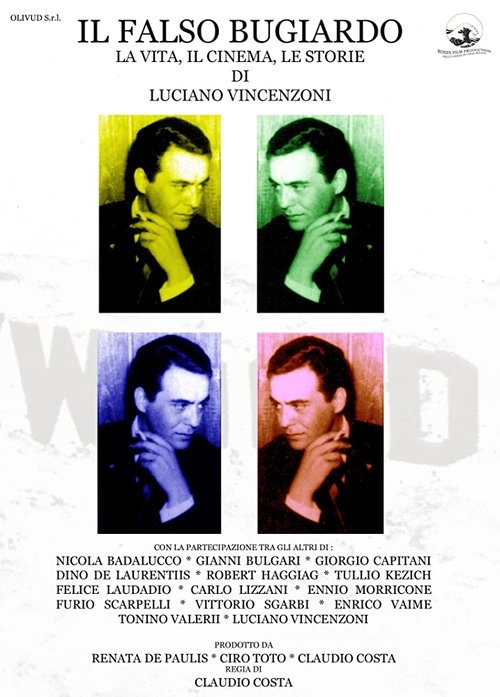
Based upon Vincenzoni's biography, "Pane e cinema", the documentary traces the story of the screen play writer who invented many stories that became blockbusters throughout the world.
Il falso bugiardo
Louis-Ferdinand Céline described the period he spent in Sigmaringen in his delirious and infernal novel, Castle to Castle, published in 1957. The last months before the German “moment of truth”, as they’ve never been portrayed before: Documented in delirious reality. A documentary film based on Céline’s texts. A screen adaption with documentary material.
Darkness
No description available.
Voyage d'été à tombeau ouvert
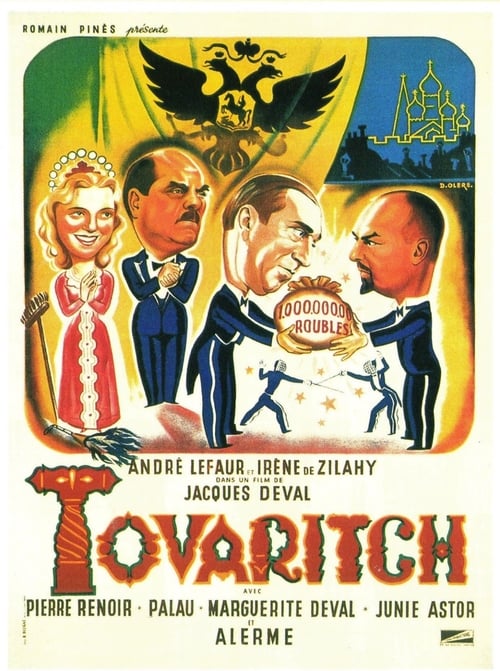
Playwright Jacques Deval directed this 1935 adaptation of his own stage comedy Tovaritch. Set in Paris, the story revolves around Princess Tatiana (Irene de Zilaby) and General Mikail (Andre Lefaur), two members of the Russian nobility who'd been forced to relocate to France after the Revolution. Though the regal couple has been entrusted with the Imperial crown jewels, they'd sooner starve to death than betray the late Czar by selling the gems. As a result, they're reduced to taking jobs as servants in the home of a wealthy but somewhat zany family. Robert E. Sherwood's Americanized version of Deval's Tovaritch was filmed by Warner Bros. in 1937, with Claudette Colbert and Charles Boyer.
Tovaritch
No description available.
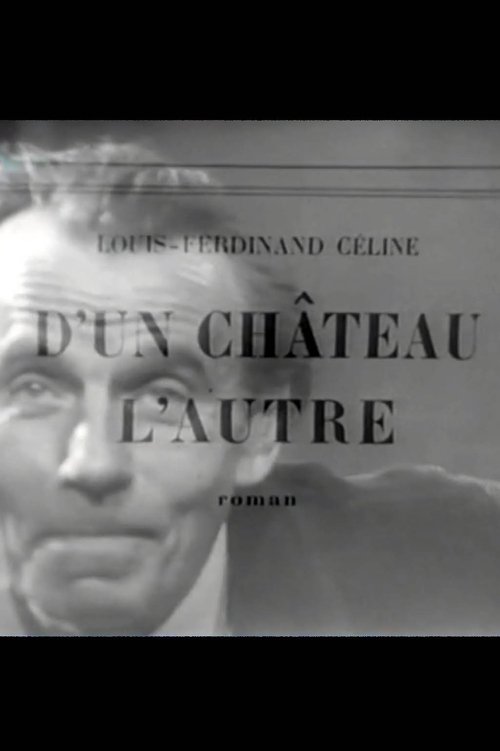
Lectures pour tous : D'un château l'autre
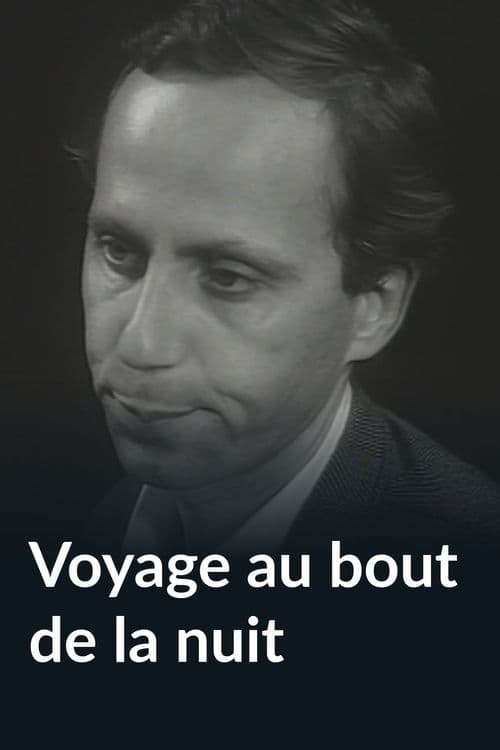
Alone on stage, at the dawn of his forties, Fabrice Luchini renders the reflections of the suburban doctor Louis-Ferdinand Céline. Benoît Jacquot, with his nuanced black and white, films the actor impregnated with words full of pain.
Journey to the End of the Night
No description available.
Louis-Ferdinand Céline : entretien avec Pierre Dumayet
No description available.
Louis-Ferdinand CÉLINE : entretien avec André Parinaud
No description available.
Historiquement Show - Spéciale Céline
No description available.
"Une légende, une vie" Louis-Ferdinand Céline
No description available.