Luis Correa
Writing
Biography
Luis Correa was a Venezuelan filmmaker. He is known for his films Se llamaba SN (1977), Ledezma: el caso Mamera (1982), y La matanza de Santa Bárbara (1986).
Known For
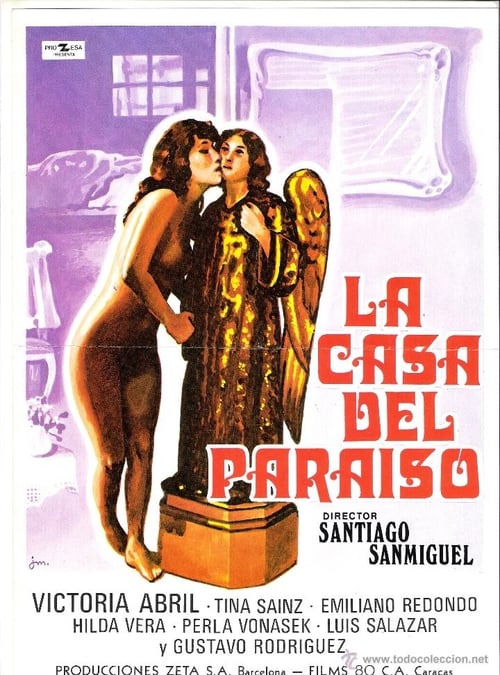
Victoria, a beautiful woman, breaks into a large house, where strage people live without ever leaving the house. There is an enigmatical man who controls the lives of these people and the visit of Victoria will unchain passions and disclose the true feelings represed into their souls.
La casa del paraíso
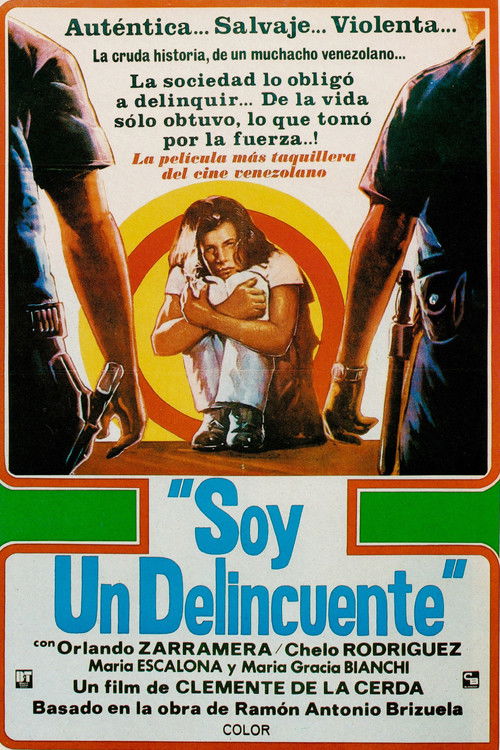
The film tells the story of Ramón Antonio Brizuela, who since childhood has to deal with rampant violence and the drugs, sex and petty thievery of a Caracas slum. Starting with delinquency, Ramón moves on to serious gang activity and robberies. He grows into a tough, self-confident young man who is hardened to violence. His views change when his fiancée's brother is killed in a robbery.
I'm a Delinquent

Spain, 30's. Fabian Insausti (Juan Luis Galiardo), which has become a rich landowner in Venezuela, returns to his hometown due to the death of his mother. One day he decides to visit an old mansion converted into a luxury brothel, and there falls in love with Ana (Maribel Verdú), a young prostitute. He asks her to accompany him, but she is not willing to give up the luxury of home run by Charo, for her real mother. So the owner Fabian offers its pupils move to Venezuela, under the same conditions they have here.
El señor de los Llanos
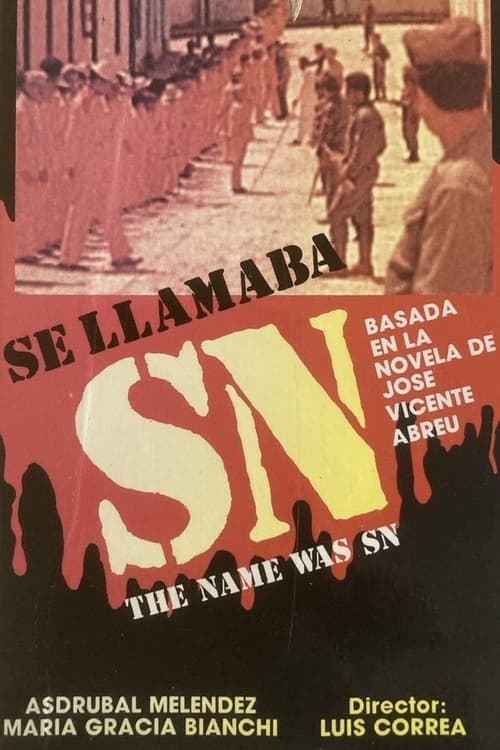
As José Abreu “Guanipa” is transferred with a group of prisoners to the Guasina camp in the Orinoco Delta, he recalls the torture he was subjected to by SN (National Security) henchmen in order to obtain information about the resistance. In Guasina, the prisoners are subjected to forced labor while they plan their escape. Guanipa is released after signing the bond and the rest of his companions remain in the camp.
Se llamaba SN

1964, in a Latin American country, a journalist is head of an armed liberation movement that decides to initiate radical actions. His second in command, a farmer, and the other members of the group will kidnap a north american colonel stationed in Venezuela to force his government to suspend the execution of the vietnamese Nguyen Van Troi, accused of trying to assassinate the American Secretary of Defense, Robert McNamara.
Chronicle of a Latin American Subversive

Lily tells the story of two prostitutes who live on the side of a road, running a humble house that is frequented by truck drivers and people from neighboring towns.
Lily

The confrontation between two families over possession of the land gradually becomes a great slaughter where almost all the members of one the sides dies. One of the survivor will take justice into his own hands.
La Matanza de Santa Bárbara
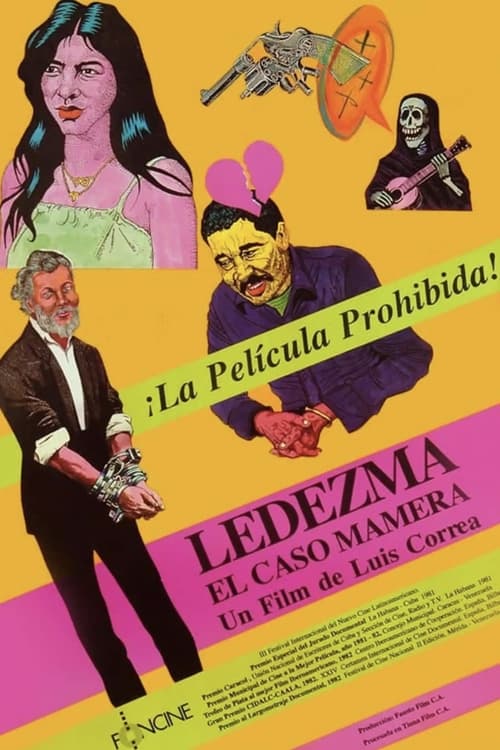
Argenis Ledesma, a Metropolitan Police officer, has been imprisoned for murdering three young men who were allegedly having an intimate relationship with his wife. Ledesma himself, and various personalities closely involved in the events, describe the circumstances of the crime. The film narrates the police corruption that led to the censorship of the documentary and the imprisonment of its director.
Ledezma, el caso mamera

After several close calls with death squads, Mario Handler fled Uruguay in 1973 and eventually settled in Venezuela where he lived and continued to make films before returning to Uruguay in recent years. The first film he completed in exile, Dos puertos y un cerro is an essay film about the imbalances of trade. A narrator dispassionately recounts in voice-over a brief summation of Venezuela's situation as a hub port in the establishment of the colonial system in the sixteenth-century.