Acting
Polizeiruf 110 is a long-running German language detective television series. The first episode was broadcast 27 June 1971 in the German Democratic Republic, and after the dissolution of Fernsehen der DDR the series was picked up by ARD. It was originally created as a counterpart to the West German series Tatort, and quickly became a public favorite.
A long-running German television series about a two-man team of highway police, originally set in Berlin and later in North Rhine-Westphalia.
No description available.
Der Staatsanwalt hat das Wort was an East German television series.
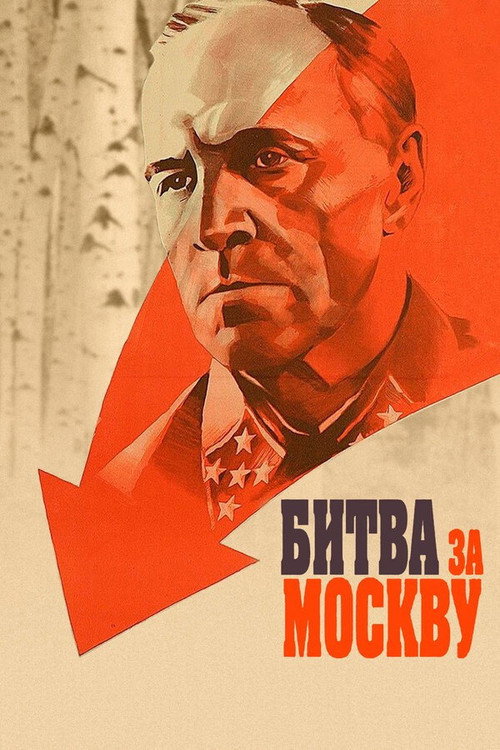
The Battle of Moscow is a 1985 Soviet multi-part war narrative, presenting a dramatized account of the 1941 Battle of Moscow and the events preceding it. The battle was the first major defeat of German Wehrmacht in the Second World War.
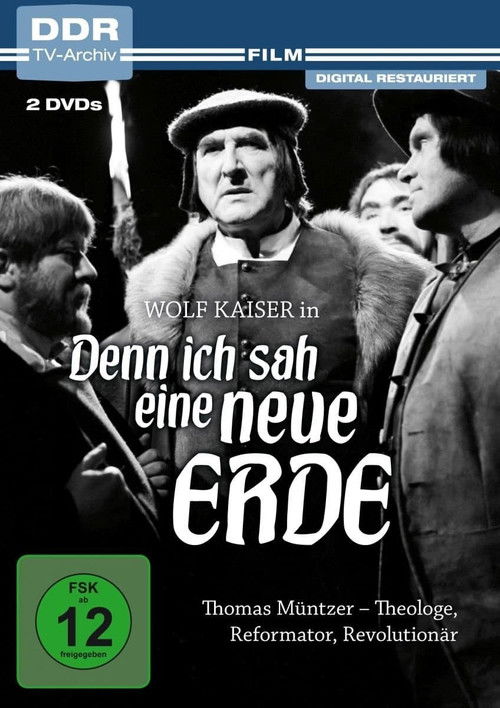
Four-part miniseries about the theologian Thomas Müntzer, who became a revolutionary and opponent of Luther during the Peasant War in 1525.
The film concentrates on the last days of the German navy during World War II.
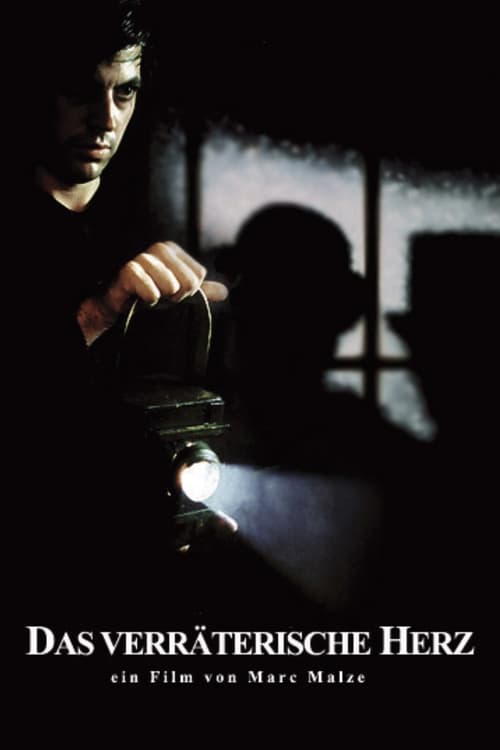
A young man feels being watched by his old landlord's vulture-like eye.
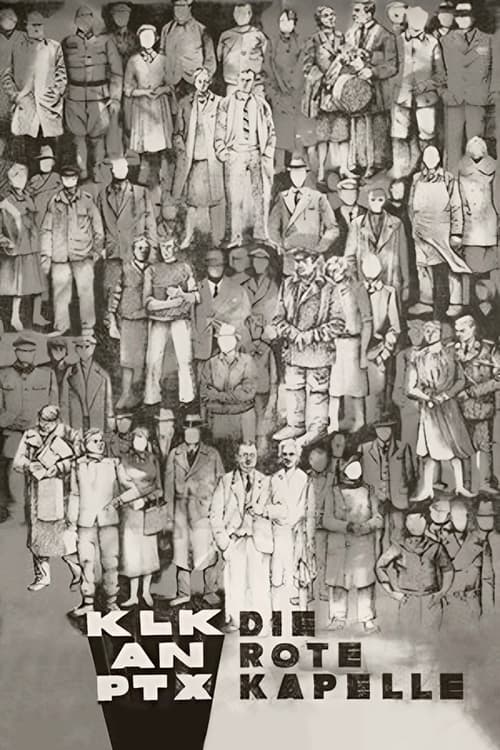
East German film about the history of Red Orchestra, a real life German pro-Soviet spy ring created after the rise of Hitler that turned into a resistance movement led by a leftist Nazi officer, Harro Schulze-Boysen, and Arvid Harnack.
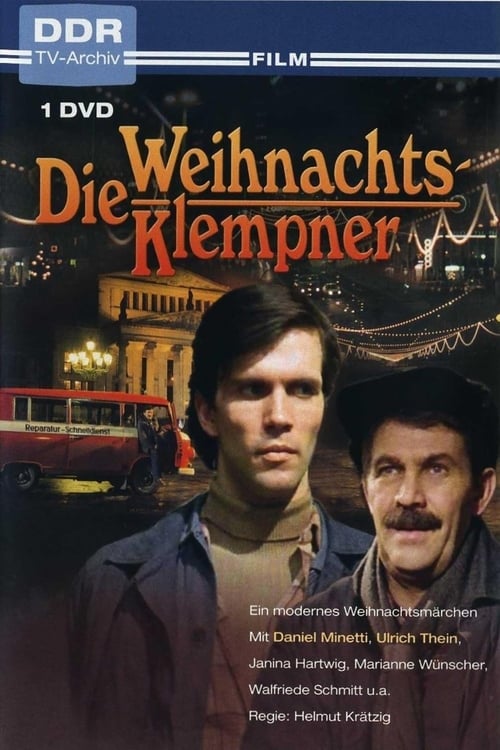
Plumber Martin and his younger colleague Frank are on call on Christmas Eve of all days. Frank's girlfriend Regina, who is expecting her first baby at any moment, is anything but thrilled. But it doesn't help, duty is duty. One emergency call follows another, but this evening it's not just broken water pipes that are waiting for the two plumbers...
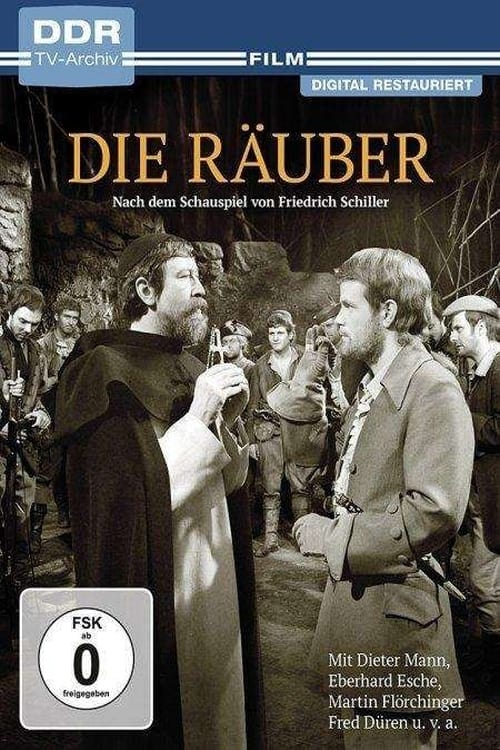
Germany in the 18th century. Two brothers rebel against the narrow confines of the small state and feudal despotism. However, Franz and Karl Moor have very different motives: Franz is interested in satisfying his personal needs, power and wealth, while Karl has a vision of a new, better society. To achieve this, he needs support. He finds it in a gang of robbers, of which he becomes the leader. He soon learns that anarchy can neither rally the masses nor challenge the existing order.
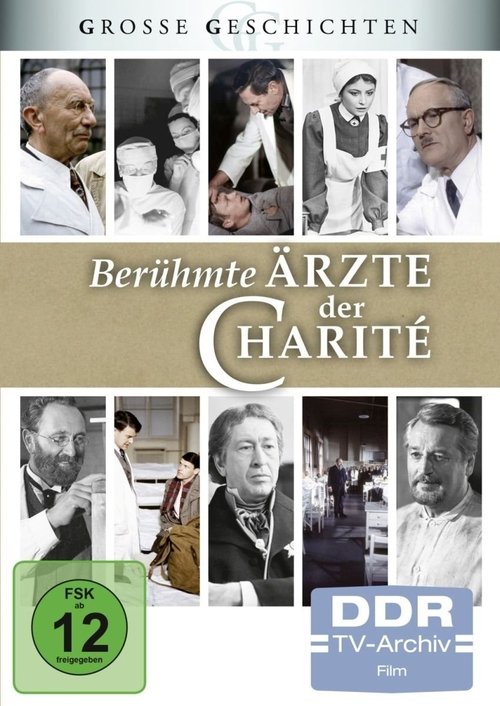
The six-part film series tells in impressive stages of the work of important doctors at the internationally renowned Berlin hospital in its medical and contemporary historical scope. The period spans the beginning of the 19th century to the Second World War, bringing the viewer close to the work of great medical professionals: Robert Koch, Ferdinand Sauerbruch, Rudolf Virchow and others. Film overview: • "The man from Jena" (Christoph Wilhelm Hufeland). • "The Little Doctor" (Rudolf Virchow) • "Krisis" (Robert Koch). • "Doctor in Uniform" (Theodor Brugsch and Georg Friedrich Nicolai). • "The seemingly impossible" (Walter Stoeckel) • "Die dunklen Jahre"(Ferdinand Sauerbruch)
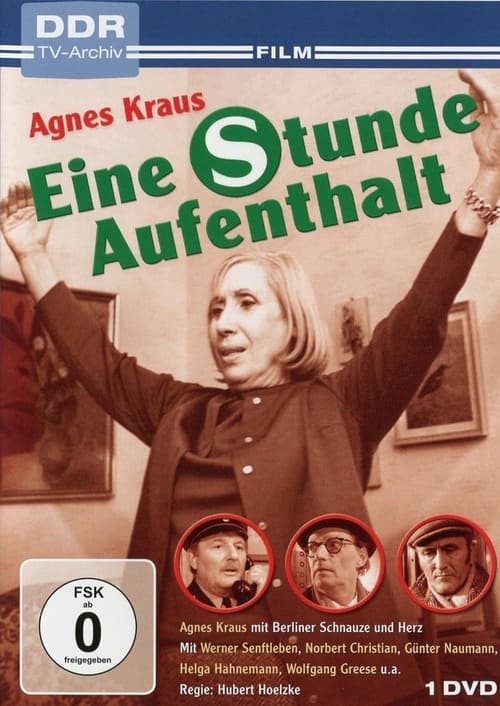
A disruption on the Berlin S-Bahn: passengers have an involuntary one-hour layover at Frankfurter Allee S-Bahn station and use the time to take a closer look at their fellow passengers. Alice Räppel, a native Berliner with a heart and a snout, meets Egon Ziesemaus, who is usually plagued by bad luck. Klaus Fiedler, who wants to leave his family, gets to know the actress Inge, and other passengers also quickly make friends.
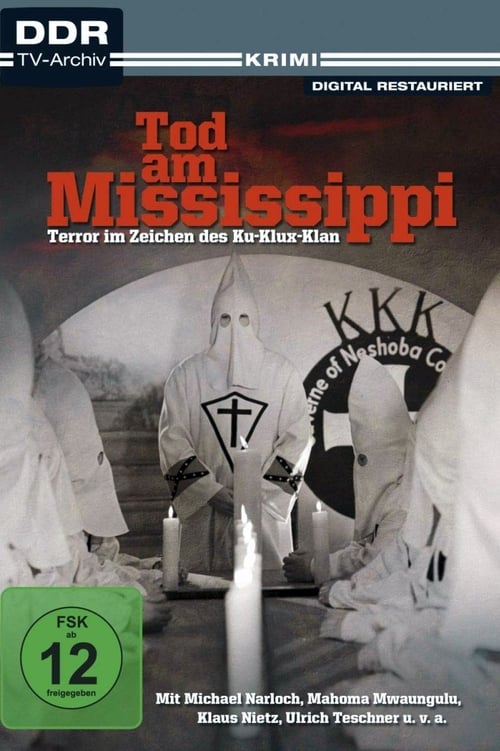
USA 1964: Three young men are arrested on suspicion of speeding. As it turns out, they are employees of a civil rights center in Mississippi who are fighting against the racist Ku Klux Klan. The disappearance of the activists leads to a political scandal in the USA. There are riots and demonstrations against the president's civil rights policy. Despite smear campaigns in the south of the USA, a trial is held in which the background is to be clarified. But the real perpetrators have their own laws...
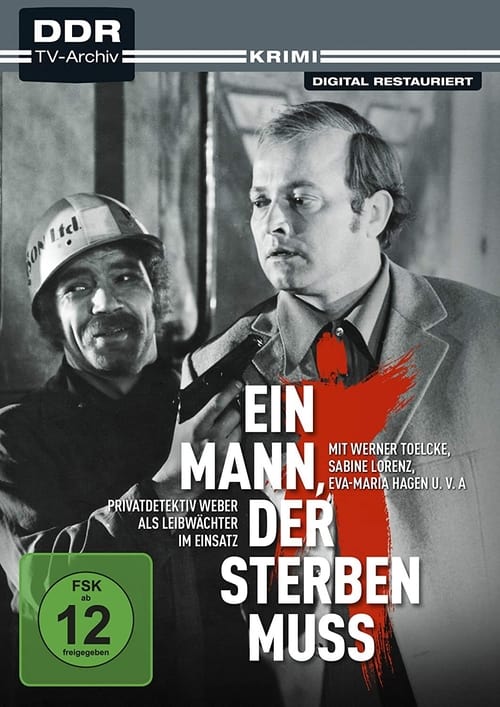
Unknown assailants threaten the life of British scientist Dr. Ronald Fergusson. Only by chance does the attempt to shoot him in the street fail. Fergusson, who does not believe in police protection, hires private detective Weber for his personal safety. And time and again, the headstrong scientist makes it difficult for his bodyguard to fend off further assassination attempts. Despite being expressly forbidden to do so, he leaves the house. Full of bad suspicions, Weber looks for his client in the morgue, but Vivian, Fergusson's employee, doesn't know the dead man...
Aschenbrödel (Cinderella), the fairy tale, is a fantastic mixture of the miraculous and the everyday, based on the well-known folk tale by the Brothers Grimm. The film is based on the book of the same name by Evgeny Schwartz, who adapted the fairy tale. The miracles created by Grimm are transformed by Schwartz, who makes it clear that the greatest miracle is love.
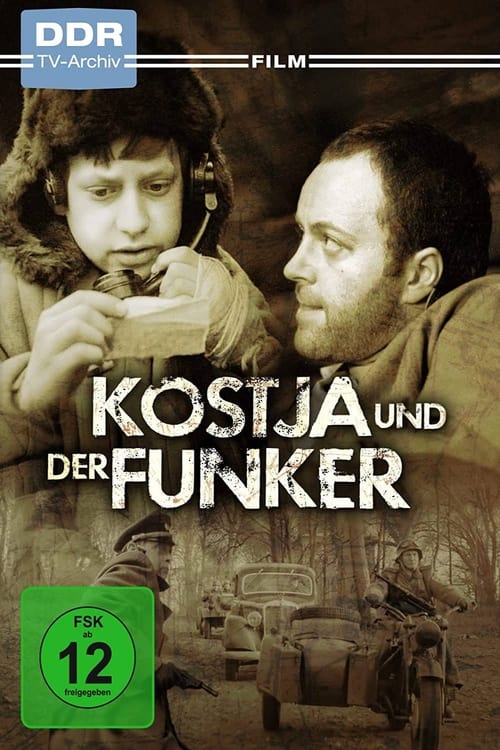
The Soviet boy Kostya is an enthusiastic radio operator. When fascist German troops occupy his home town, the 13-year-old is conscripted into forced labor. His hatred of the occupying forces grows, but he is too young to join a partisan unit. But then he comes across a badly wounded Soviet scout. Kostya summons up all his courage and takes on his dangerous mission.
Karl becomes a father earlier than expected - at the same time as the delivery of his car. Chaos is bound to break out...