Editing
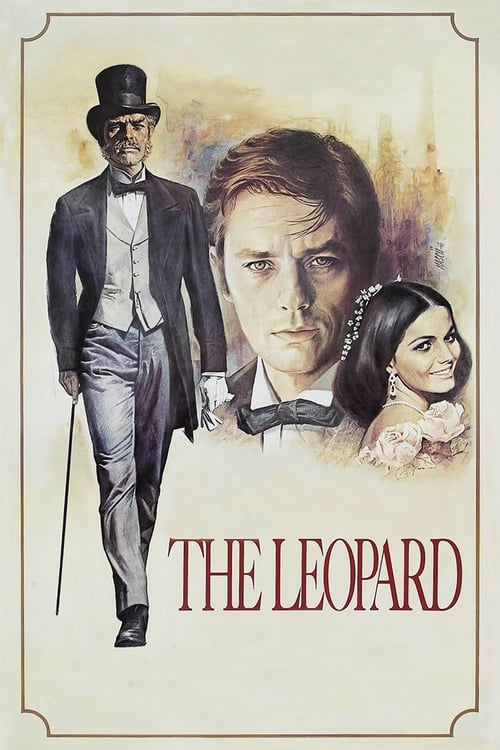
As Garibaldi's troops begin the unification of Italy in the 1860s, an aristocratic Sicilian family grudgingly adapts to the sweeping social changes undermining their way of life.
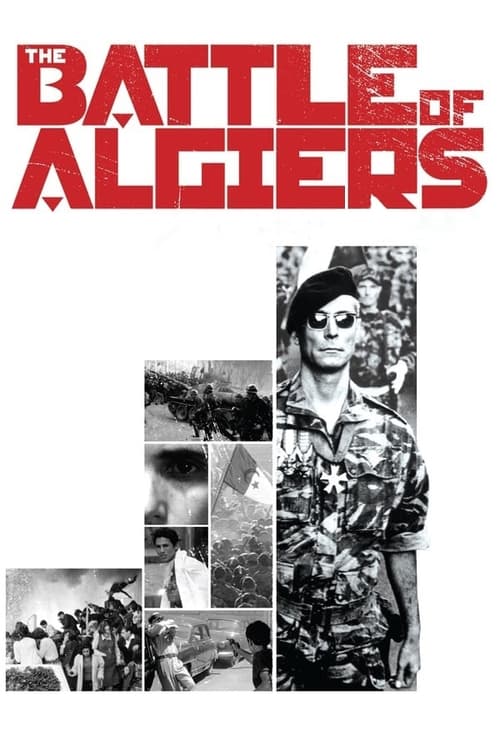
Paratrooper commander Colonel Mathieu, a former French Resistance fighter during World War II, is sent to Algeria to reinforce efforts to squelch the uprisings of the Algerian War. There he faces Ali la Pointe, a former petty criminal who, as the leader of the Algerian Front de Liberation Nationale, directs terror strategies against the colonial French government occupation. As each side resorts to ever-increasing brutality, no violent act is too unthinkable.
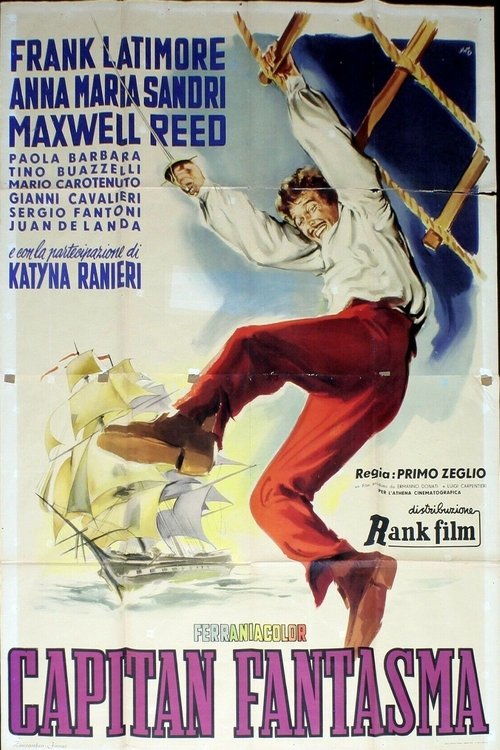
A disgraced member of the Spanish Navy must redeem his family's honor after his father betrays his country to the French.
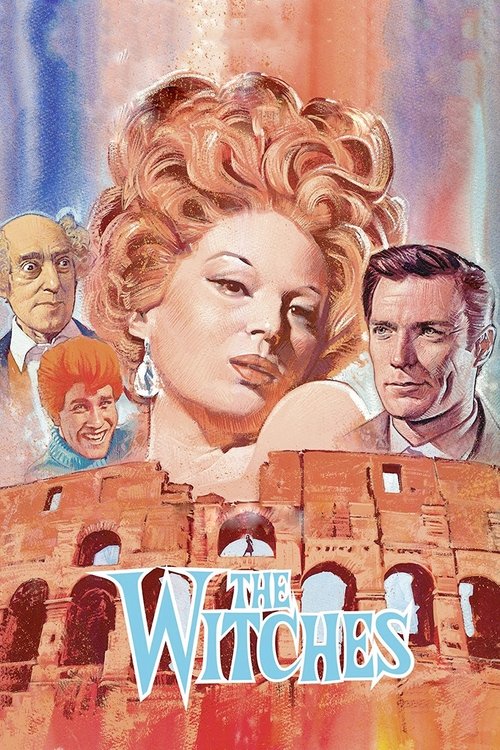
Five short stories loosely dealing with the roles of women in society. A superstar actress travels to a mountain resort, only to evoke jealousy from women and lust from men. A woman offers to take an injured man to the hospital. A widowed father and his son seek for a new wife/mother. A man seeks revenge for a woman's honor. A bored housewife tries to explain to her husband that he's not as romantic as he used to be.
When a impoverished widow’s family moves to the big city, two of her five sons become romantic rivals with deadly results.
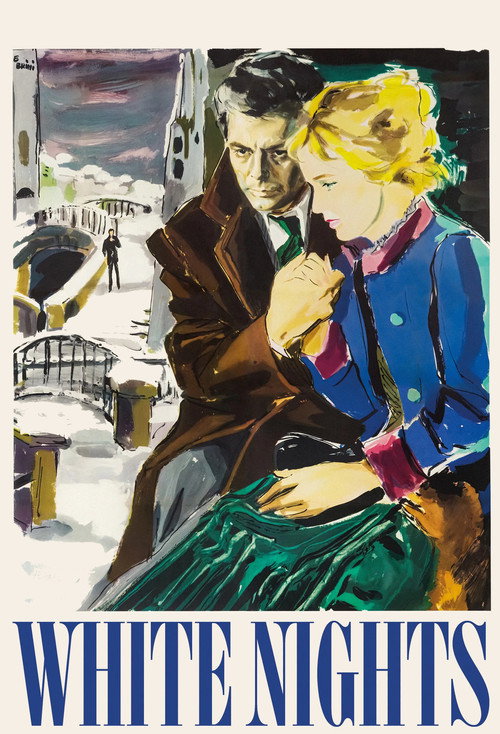
A middle-aged man meets a young woman who is waiting on a canal bridge for her lover's return.
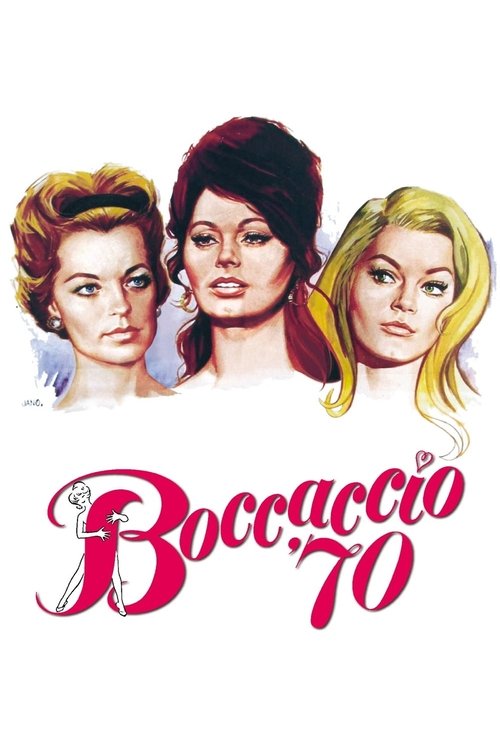
An anthology of four comic moral tales about the hypocrisies surrounding sex in 1960s Italy: frothy young love and office politics in the big city; milk advertisements that begin to haunt an aging prude; a trophy wife enduring her husband's very public affairs; a lucky ticket-holder at a small town fair.
Stylish, sophisticated and absolutely broke, Dino and Maria pursue a romance until they realize neither of them has any money, which forces the gold diggers to turn their attention to a wealthy widower and his daughter. A compulsive gambler who owes several anxious investors a small fortune, Dino has trouble cutting his losses, no matter how bad the losing streak.
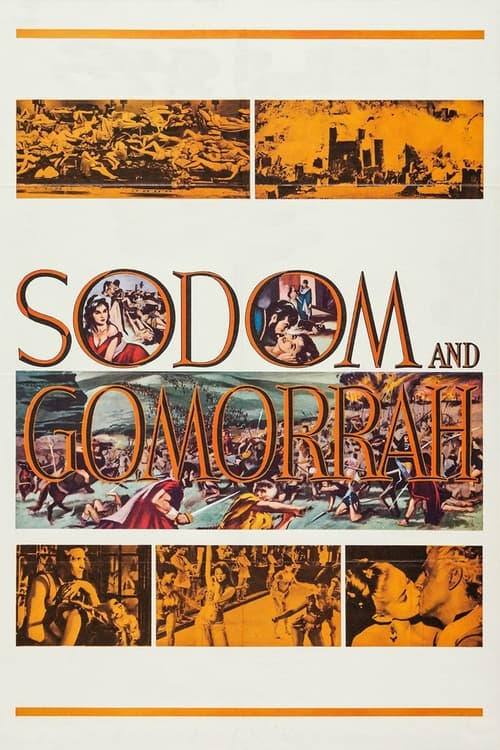
Lot leads his people to a fertile valley adjacent to the cities of Sodom and Gomorrah, hotbeds of vice and corruption ruled by the merciless Queen Bera. When Lot orders a dam to be busted in order to prevent the destruction of the cities by the attacking Helamites, the queen, in gratitude, allows Lot's people to settle in Sodom. Soon, however, the veneer of civilization begins crumbling as Lot and the Hebrews become corrupted by the Sodomites.
A modest Neapolitan man meets a young woman with excessive hairiness. He exhibits her at fairs and marries her. It is after marriage that he receives a tempting offer from a French manager.
A vengeful witch, Asa Vajda, and her fiendish servant, Igor Jauvitch, return from the grave and begin a bloody campaign to possess the body of the witch's beautiful look-alike descendant: Katia. Only a handsome doctor with the help of family members stand in her way.
Three tales of supernatural horror include a woman plagued by threatening phone calls, a family targeted by vampiric monsters, and a deceased medium who wreaks havoc upon the living.
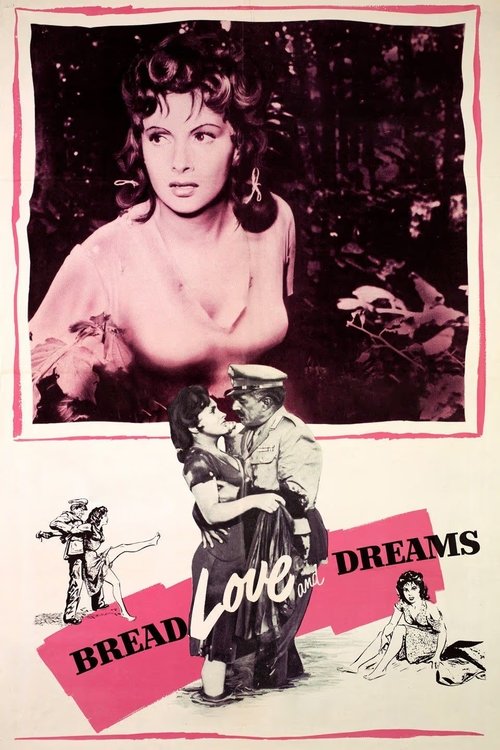
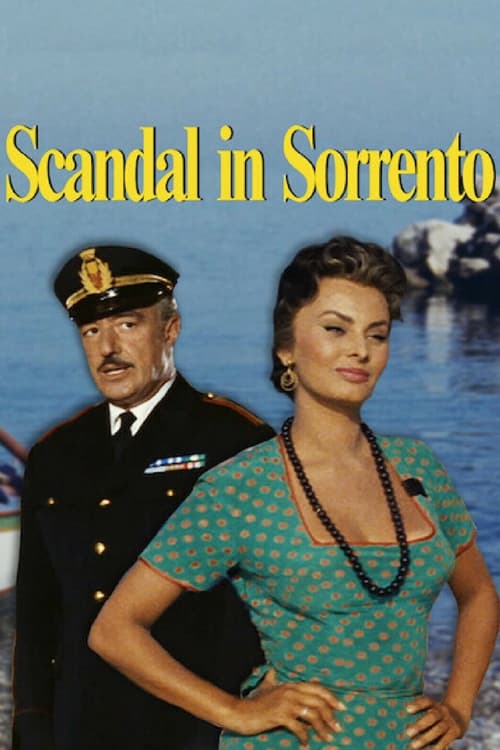
When a veteran marshal is sent to a small town, he quickly falls for two women: a midwife and an earthy young woman nicknamed "Frisky".
Aging small-time conman Augusto works with two younger men: Roberto, who desires to become the Italian Johnny Ray, and Carlo, nicknamed Picasso. Through a series of mishaps and personal entanglements, things go badly for Augusto.
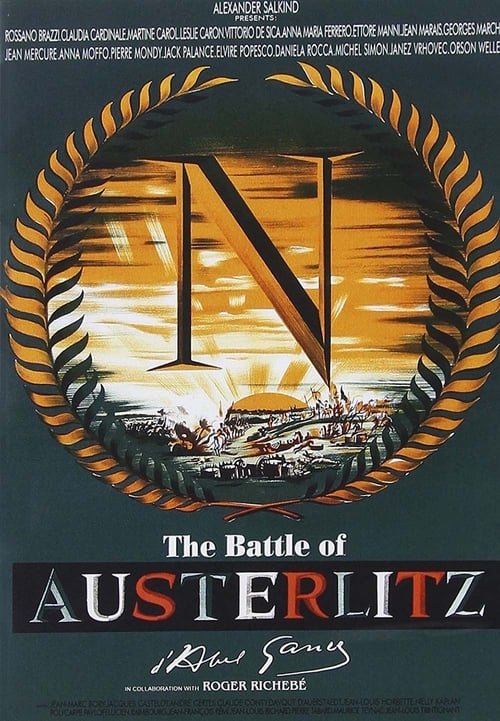
Napoleon Bonaparte crowns himself emperor and fights the English, Austrians and Russians in 1802.
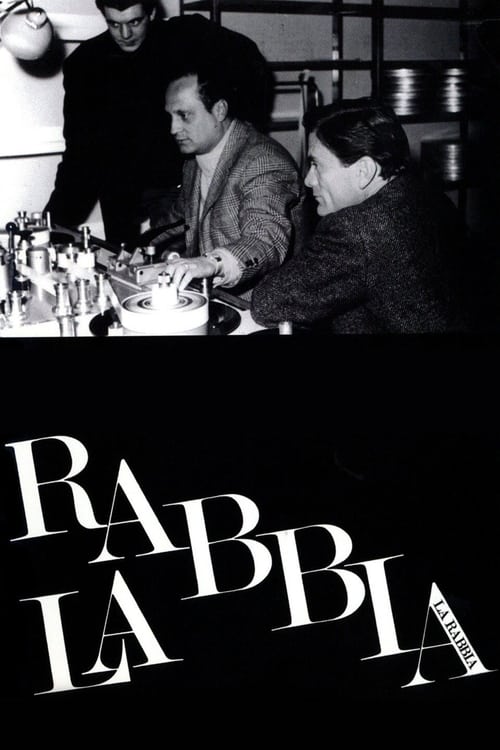
Documentary footage (from the 1950s) and accompanying commentary to attempt to answer the existential question, Why are our lives characterized by discontent, anguish, and fear? The film is in two completely separate parts, and the directors of these respective sections, left-wing Pier Paolo Pasolini and conservative Giovanni Guareschi, offer the viewer contrasting analyses of and prescriptions for modern society. Part I, by Pasolini, is a denunciation of the offenses of Western culture, particularly those against colonized Africa. It is at the same time a chronicle of the liberation and independence of the former African colonies, portraying these peoples as the new protagonists of the world stage, holding up Marxism as their "salvation", and suggesting that their "innocent ferocity" will be the new religion of the era. Guareschi's part, by contrast, constitutes a defense of Western civilization and a word of hope, couched in traditional Christian terms, for man's future.
Isabella, a young model, is murdered by a mysterious masked figure at a fashion house in Rome. When her diary, which details the house employees' many vices, disappears, the masked killer begins killing off all the models in and around the house to find it.
Back to his hometown, a former marshal finds his house occupied by a young woman working as a fishwife.
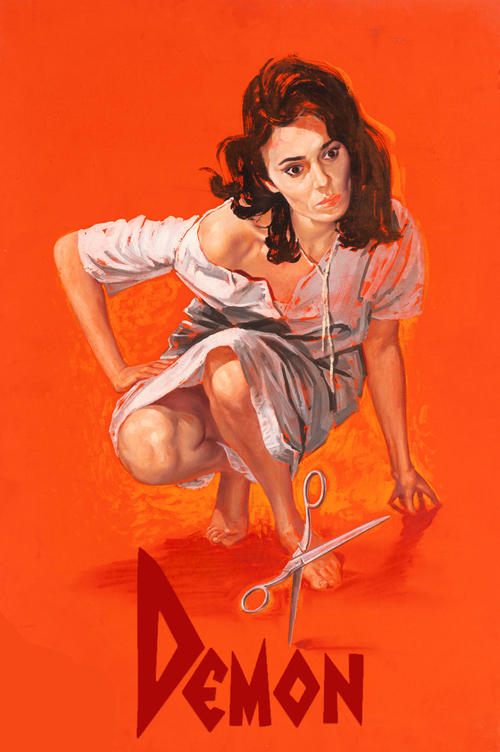
Purif is distraught when her lover is betrothed to another. When she summons the old ways to curse him, her erratic behavior is interpreted as demonic possession, and the villagers turn against her with physical and sexual violence.
Upon his return from battle in the previous film, the great warrior Hercules learns that his lover, Daianara, has lost her senses. According to the oracle Medea, Dianara's only hope is the Stone of Forgetfulness which lies deep in the realm of Hades. Hercules, with two companions, Theseus and Telemachus, embarks on a dangerous quest for the stone, while he is unaware that Dianara's guardian, King Lico, is the one responsible for her condition and plots to have the girl for himself as his bride upon her revival.