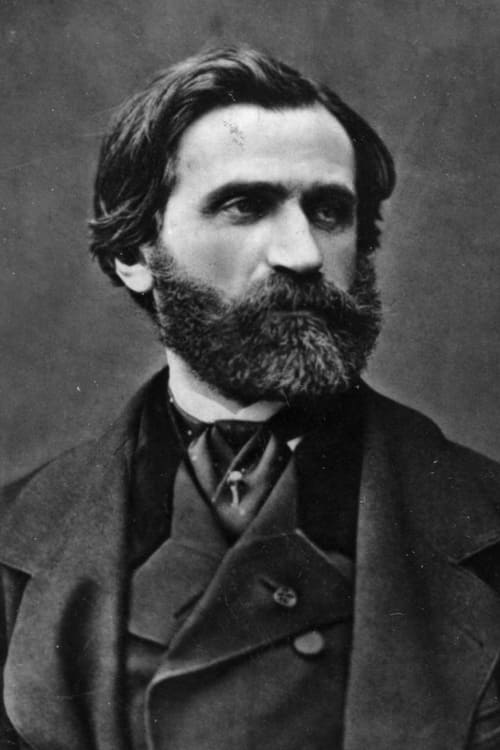
Giuseppe Verdi
Sound
Biography
Giuseppe Fortunino Francesco Verdi (10 October 1813 – 27 January 1901) was an Italian composer of operas. Verdi was born near Busseto to a provincial family of moderate means, and developed a musical education with the help of a local patron. Verdi came to dominate the Italian opera scene after the era of Bellini, Donizetti and Rossini, whose works significantly influenced him, becoming one of the pre-eminent opera composers in history. In his early operas Verdi demonstrated a sympathy with the Risorgimento movement which sought the unification of Italy. He also participated briefly as an elected politician. The chorus "Va, pensiero" from his early opera Nabucco (1842), and similar choruses in later operas, were much in the spirit of the unification movement, and the composer himself became esteemed as a representative of these ideals. An intensely private person, Verdi however did not seek to ingratiate himself with popular movements and as he became professionally successful was able to reduce his operatic workload and sought to establish himself as a landowner in his native region. He surprised the musical world by returning, after his success with the opera Aida (1871), with three late masterpieces: his Requiem (1874), and the operas Otello (1887) and Falstaff (1893). His operas remain extremely popular, especially the three peaks of his 'middle period': Rigoletto, Il trovatore and La traviata, and the bicentenary of his birth in 2013 was widely celebrated in broadcasts and performances.
Known For
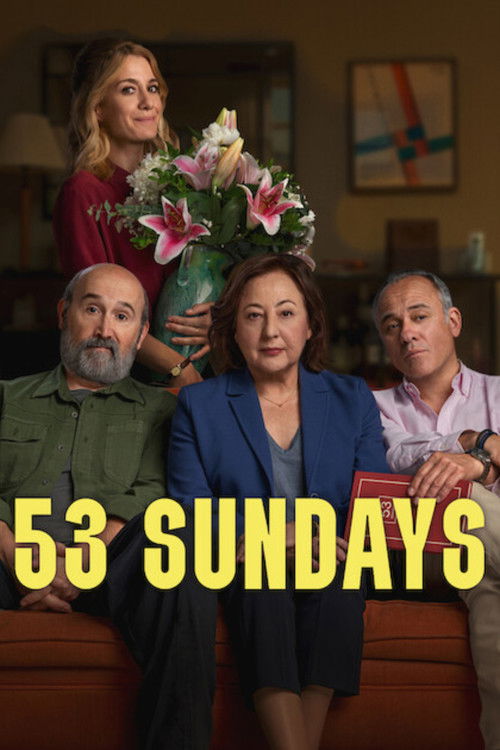
When three siblings agree to meet and discuss their aging father's future, their reunion spirals into bickering, bantering and reliving old grudges.
53 Sundays
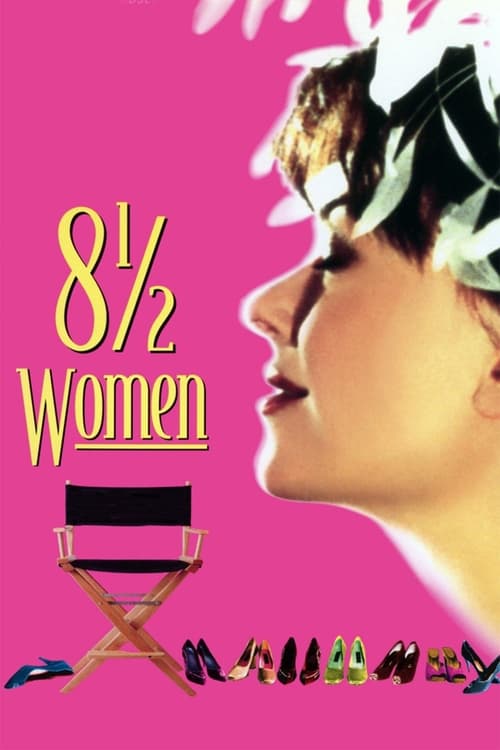
After his wife dies, middle-aged businessman Philip Emmenthal, at the prompting of his playboy son Storey, populates his Geneva villa with eight-and-a-half concubines. Three are from Kyoto, where Storey manages Pachinco palaces. Each has a distinctive personality: a nun, a child bearer, a gambler, a student of Kabuki, a horsewoman with a pet pig, a maid. As a year passes, the women begin asserting their own power.
8 ½ Women

Petra von Kant is a successful fashion designer -- arrogant, caustic, and self-satisfied. She mistreats Marlene (her secretary, maid, and co-designer). Enter Karin, a 23-year-old beauty who wants to be a model. Petra falls in love with Karin and invites her to move in.
The Bitter Tears of Petra von Kant
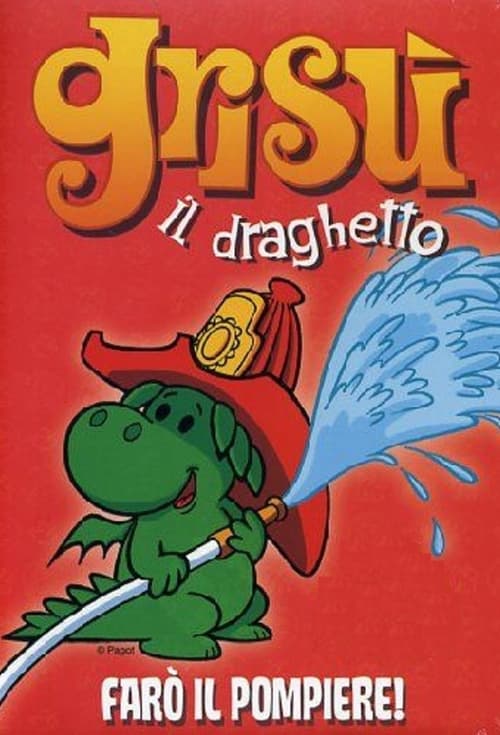
The protagonist of the series is a young dragon named Grisù that, despite being the youngest of a large breed of dragons, the Draconis, dreams of becoming a firefighter.
Grisù
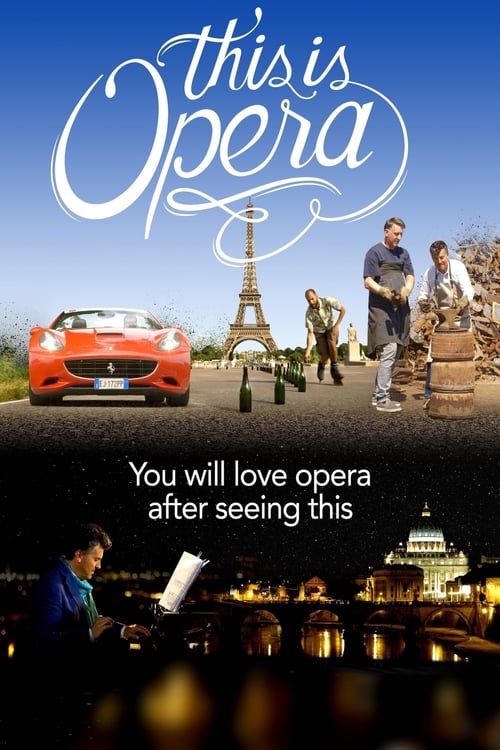
An exploration of opera in unconventional ways attempting to attract not just existing opera fans, but also those less familiar with the art form. The host guides the viewer to the places of origin of each opera, and explores the culture, history—and modern and current trends and how they apply to opera.
This is Opera
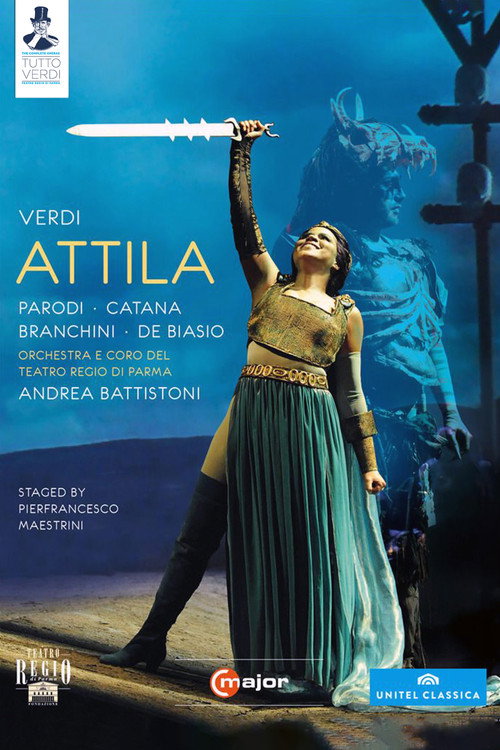
In Aquileia, around the middle of the 5th century. Odabella, daughter of the city’s lord, lost her family during the sacking carried out by Attila and intends to take revenge by killing him (Santo di patria indefinito amor). She herself was spared by Uldino, one of Attila’s slaves. Impressed by her courage, Attila gives her his sword. General Ezio, sent from Rome, proposes to Attila a deal to divide the Empire (Avrai tu l'universo, resti l'Italia a me!). But Attila denounces him as a traitor and refuses. Attila is an opera in a prologue and three acts by Giuseppe Verdi, with a libretto by Temistocle Solera based on Zacharias Werner’s tragedy, Attila, König der Hunnen, and premiered at the Teatro la Fenice in Venice on March 17, 1846. From the box set of 27 Verdi operas, “Tutto Verdi.” Recorded live at the Teatro Verdi in Busseto on October 21 and 25, 2010.
Verdi: Attila
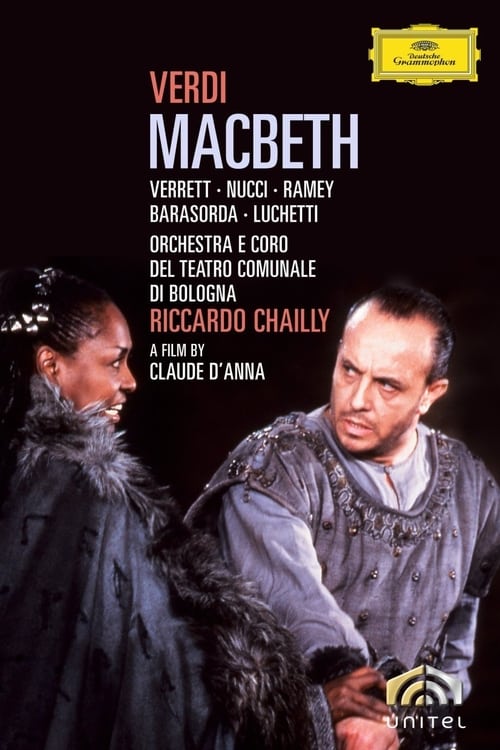
Claude D'Anna's film of Verdi's Macbeth is a gloomy affair, stressing the descent into madness of the principal villains. It's acted by the singers of the Decca recording of the opera (with two substitutions of actors standing in for singers) and the lip-synching is generally unobtrusive. The musical performance is superb, conducted by Riccardo Chailly with admirable fire, and sung by some of the leading lights of the opera stages of the 1980s. Shirley Verrett virtually owned the role of Lady Macbeth at the time, and she delivers a terrific performance, the voice equal to the role's wide register leaps and it's suffused with emotion, whether urging her husband on to murder or maddened by guilt in the Sleepwalking Scene. Leo Nucci's resonant Macbeth may lack the ultimate in vocal color and steadiness (his last notes of the great aria Pietà, rispetto, amore are wobbly) but he compensates with intensity in both singing and acting.
Verdi Macbeth Chailly
A young art teacher hopes to be transferred to Istanbul after completing his mandatory duty in a remote village school in Anatolia. After accusations of inappropriate contact with a student surface, his hopes of escape fade and he descends further into an existential crisis.
About Dry Grasses
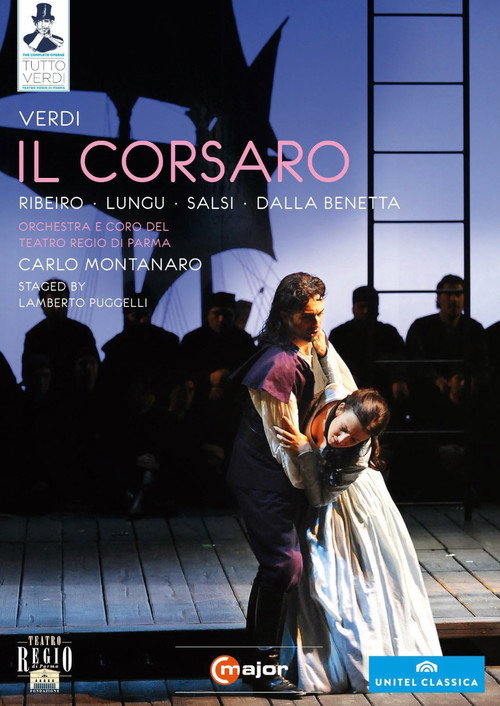
The corsair Corrado, having taken refuge on an island in the Aegean Sea, decides to launch an expedition against the Muslims, during which he is taken prisoner. Gulnara, the favorite of Pasha Seïd, falls in love with Corrado and helps him escape after murdering Seïd herself. Meanwhile, Medora, Corrado’s beloved, has poisoned herself upon hearing the false news of her lover’s death. She dies in the arms of her lover, who has returned too late. Corrado, in despair, throws himself into the sea, while Gulnara collapses, overcome by grief. “Il corsaro” is a lyric drama (“melodramma tragico”) in three acts by Giuseppe Verdi, with a libretto by Francesco Maria Piave, based on Lord Byron’s poem “The Corsair.” It premiered on October 25, 1848, at the Grand Theatre in Trieste. The opera was taken off the bill after three performances and replaced by “Macbeth.” From the “Tutto Verdi” box set of 27 Verdi operas. Recorded live at the Teatro Regio in Parma on October 19 and 21, 2008.
Verdi: Il corsaro
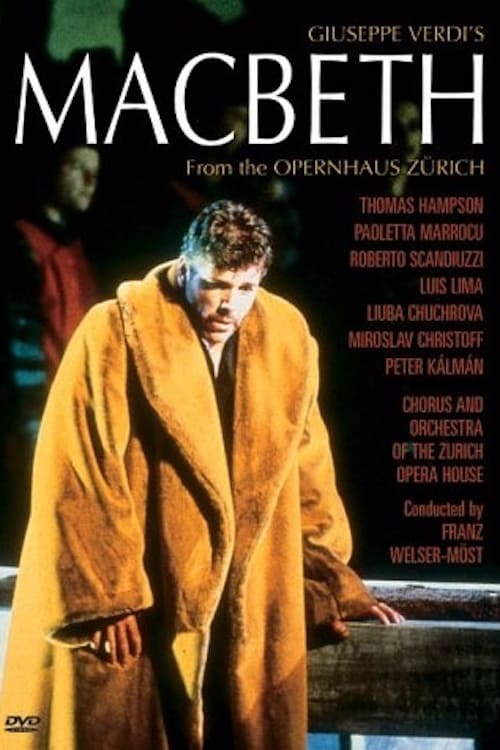
This hard-edged postmodern production of Giuseppe Verdi's haunting masterpiece brings the story of Shakespeare's bloody tragedy to vivid life, characterized by spine-tingling atmospherics and a triumphant debut by American baritone Thomas Hampson in the title role. This Zurich Opera House production also features a mesmerizing turn by Paoletta Marrocu as the beautiful, power-hungry Lady Macbeth, while striking sets and costumes further enhance the duality of the main character whose rise and fall mirror the darkest impulses of man. Replete with supernatural mystery, sexual tension, and violent power plays, this timeless story remains gripping and chilling for today's audiences and boasts some of the most astonishing music of Verdi's legendary body of work.
Macbeth
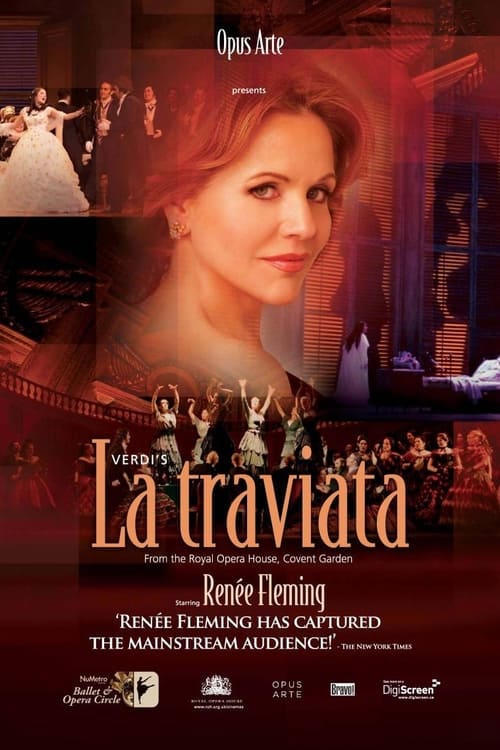
Renée Fleming has matured into one of the finest sopranos around at the moment, a true star with a sparkling personality and a velvet-toned voice that is capable of wringing the finest emotions out of works by Strauss and Tchaikovsky that from a lesser singer could sound rather cold and clinical. I wouldn't have thought her voice would be so well suited to Violetta Valéry in La Traviata, and it does take some getting used to, but I think she at least brings a distinct quality to the role with an emotional heart that isn't always necessarily there when a leading diva uses it primarily as a display for her vocal talents. It's served well also by Antonio Pappano's conducting of the Royal Opera House Orchestra in a traditional, but effective production by Richard Eyre.
Royal Opera House: La Traviata
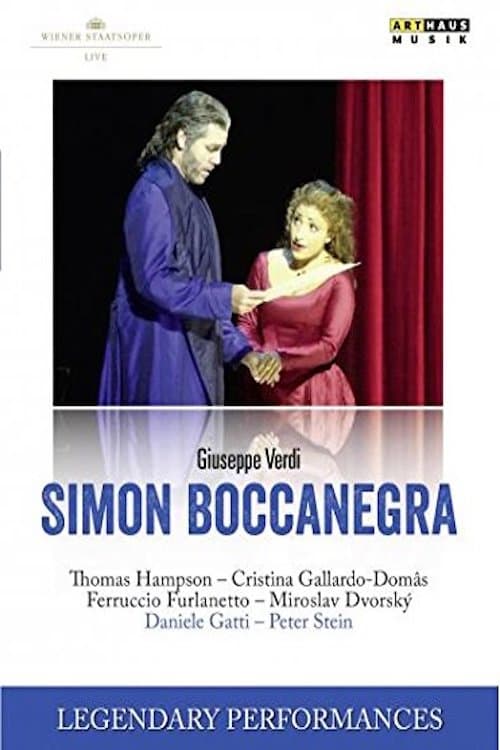
One of the lesser known works by Giuseppe Verdi, Simon Boccanegra is regarded by most opera lovers as one of his finest. The action takes place in the 14th century and deals with the political and personal rivalry between the corsair Simon Boccanegra, who has been elected Doge of Genoa with the help of the plebeian vote, and the local nobleman, Jacopo Fiesco. Arthaus presents a visually alert, musically sensitive and disturbingly coherent (Der Standard) production of the piece on DVD. The staging was directed by one of the giants of the European theatre, Peter Stein. His fondness for atmospherically dense spaces in which the characters can fully develop is particularly well brought out in his Vienna production, not least because he had at his disposal two remarkable singing actors for the principal male roles, Thomas Hampson and Ferruccio Furlanetto.
Simon Boccanegra
Live from the Metropolitan Opera: Simon Boccanegra
Simon Boccanegra
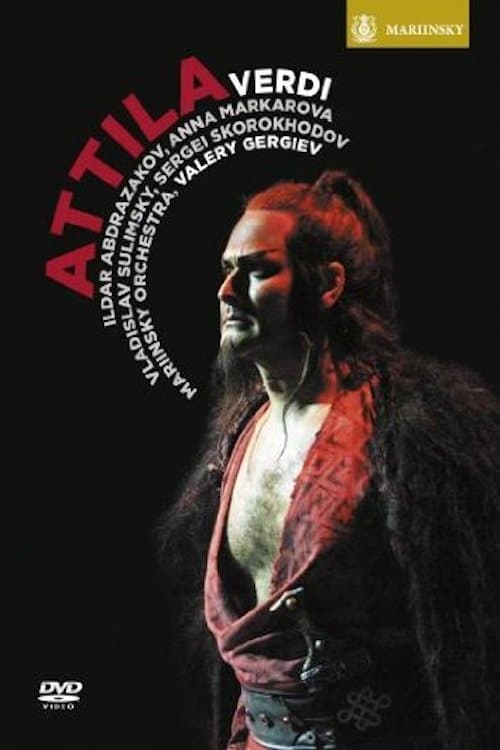
In celebration of Verdi's anniversary year, the Mariinsky label presents a high-definition video recording of Verdi's Attila, led by maestro Valery Gergiev, produced by Arturo Gama and featuring acclaimed Russian bass Ildar Abdrazakov in the title role. A two-time GRAMMY Award winner for his Verdi readings, Abdrazakov has quickly established himself as one of opera's most sought-after basses. Since making his La Scala debut in 2001 at only 25, the Russian singer has become a mainstay at leading houses worldwide. Filmed in the Mariinsky Opera House, the DVD includes a stunning picture gallery of scenes from the performance. As is the case with many of Verdi's operas, Attila is imbued with the spirit of Risorgimento, the national liberation movement of the Italian people against foreign rule and for the unification of Italy. Looking ahead, Atilla is the first of four opera DVDs that are planned for release on the Mariinsky label in 2013.
Attila
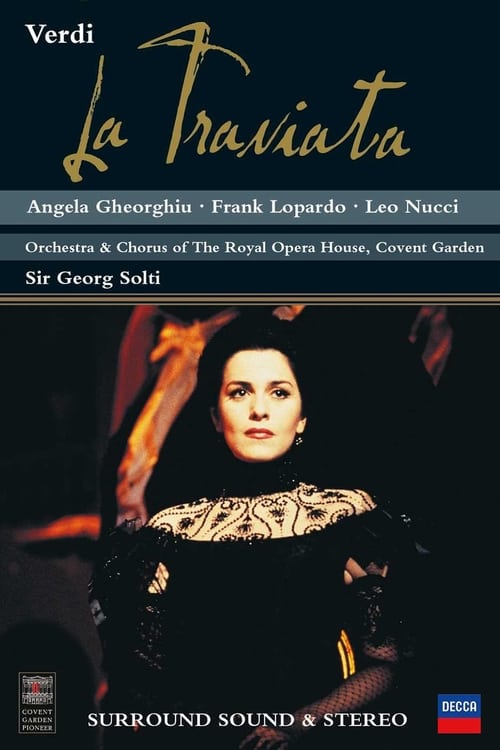
La traviata (Italian: [la traˈviaːta], "The Fallen Woman"[1][2]) is an opera in three acts by Giuseppe Verdi set to an Italian libretto by Francesco Maria Piave. It is based on La dame aux Camélias (1852), a play adapted from the novel by Alexandre Dumas, fils. The opera was originally entitled Violetta, after the main character. It was first performed on 6 March 1853 at the La Fenice opera house in Venice. Piave and Verdi wanted to follow Dumas in giving the opera a contemporary setting, but the authorities at La Fenice insisted that it be set in the past, "c. 1700". It was not until the 1880s that the composer and librettist's original wishes were carried out and "realistic" productions were staged.[3]
La Traviata
Rigoletto is an opera in three acts by Giuseppe Verdi. The Italian libretto was written by Francesco Maria Piave based on the play Le roi s'amuse by Victor Hugo. Despite serious initial problems with the Austrian censors who had control over northern Italian theatres at the time, the opera had a triumphant premiere at La Fenice in Venice on 11 March 1851. This 1994 recording, directed by Riccardo Muti, stars Roberto Alagna, Renato Bruson and Andrea Rost.
Rigoletto
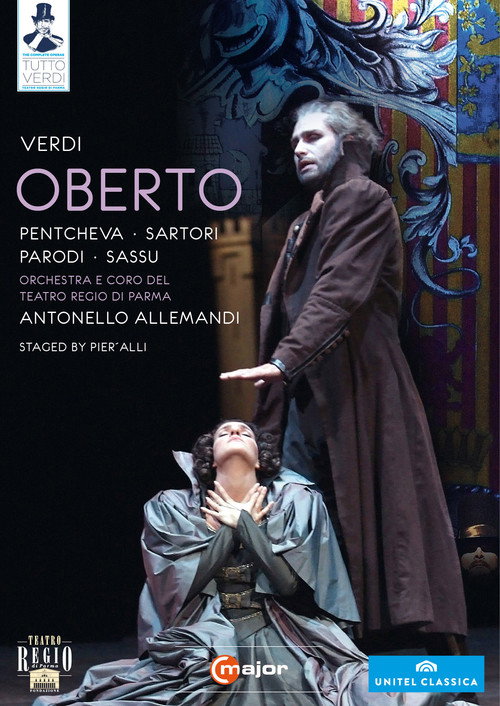
Part of Tutto Verdi series - Oberto (2007) Parma. Oberto was the first of Verdi’s operas to be staged and was heard for the first time at La Scala, Milan, in November 1839. As a young and unknown composer, Verdi was subject to the rules then governing the opera industry in Italy. Even so, there are already many scenes in this early work that reveal unmistakable signs of the composer’s individual style.
Verdi: Oberto
St. Margarethen is a magnificent structure and a grand setting for Nabucco. This venue, along with the gorgeous costumes, spectacular lighting, lasers and pyrotechnics made for one grand, five star production! This is reason enough to see it and it must be an advantage to view it on DVD.--It would probably be harder to digest the whole spectacle if you were actually sitting in the audience, as there is so much to take in. The whole cast was in great form, both in singing and acting. Simon Yang as Zaccaria and Igor Morosow as Nabucco were excellent. Gabriella Morigi was a convincing Abigail who got better and better. Bruno Ribeiro as Ismaele and Elisabeth Kulman as Fenena were great, too.
Nabucco
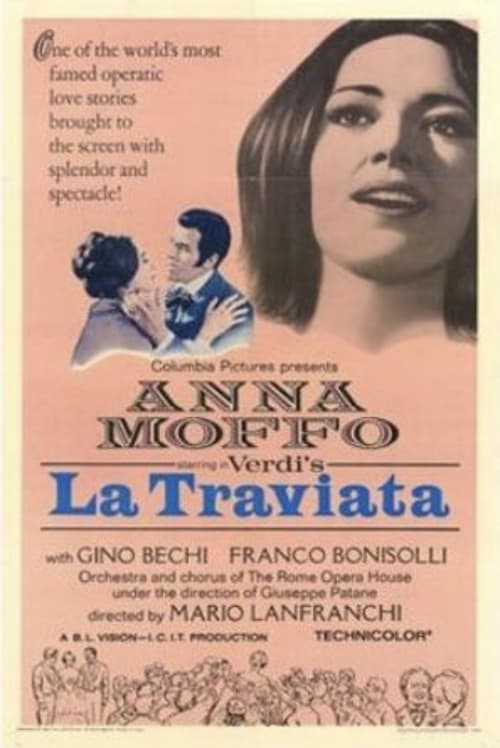
Soprano Anna Moffo stars as winsome courtesan Violetta Valery -- who tries to protect her rash lover, Alfredo, even if it means lying and breaking his heart -- in this 1968 version of composer Giuseppe Verdi's masterpiece. Recorded at the Rome Opera House with renowned conductor Giuseppe Patanè leading the orchestra and chorus, the production also stars Gino Bechi as Alfredo's angst-ridden father.
La traviata
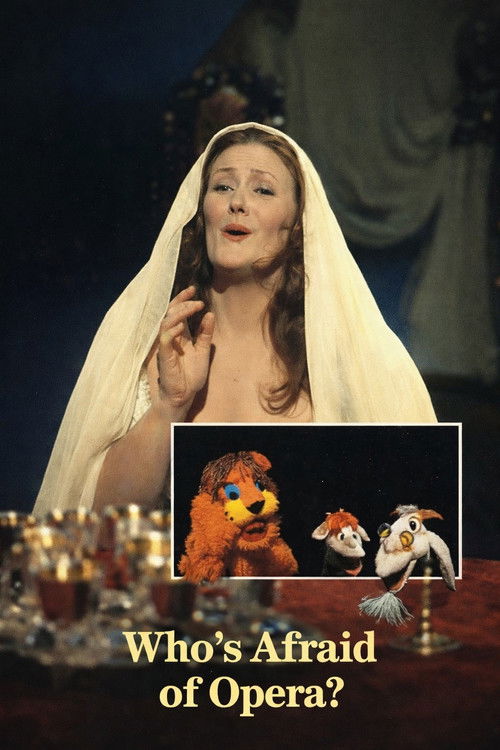
Three zany puppets bring to life our greatest opera treasures, as Joan Sutherland, the world’s most famous soprano, performs their highlights. The puppets make up the audience: Sir William, a wise old goat; Little Billy, his nephew; and Rudi, a rather boisterous lion. Sutherland first introduces them to the story of each opera. Then, backed by the London Symphony Orchestra and a first-rate cast, she moves onto the opera stage, complete with elaborate sets and elegant costumes. After each exquisite aria, the diva comes back to her inquisitive friends and unfolds the plot.