Giuseppe Verdi
Sound
Biography
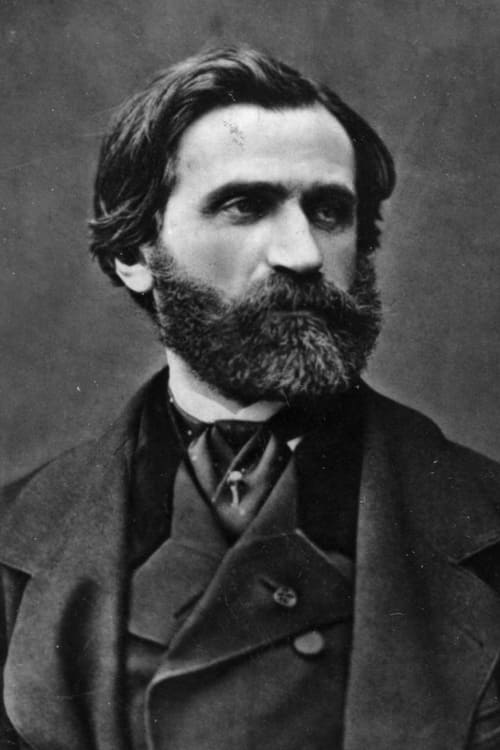
Giuseppe Fortunino Francesco Verdi (10 October 1813 – 27 January 1901) was an Italian composer of operas. Verdi was born near Busseto to a provincial family of moderate means, and developed a musical education with the help of a local patron. Verdi came to dominate the Italian opera scene after the era of Bellini, Donizetti and Rossini, whose works significantly influenced him, becoming one of the pre-eminent opera composers in history. In his early operas Verdi demonstrated a sympathy with the Risorgimento movement which sought the unification of Italy. He also participated briefly as an elected politician. The chorus "Va, pensiero" from his early opera Nabucco (1842), and similar choruses in later operas, were much in the spirit of the unification movement, and the composer himself became esteemed as a representative of these ideals. An intensely private person, Verdi however did not seek to ingratiate himself with popular movements and as he became professionally successful was able to reduce his operatic workload and sought to establish himself as a landowner in his native region. He surprised the musical world by returning, after his success with the opera Aida (1871), with three late masterpieces: his Requiem (1874), and the operas Otello (1887) and Falstaff (1893). His operas remain extremely popular, especially the three peaks of his 'middle period': Rigoletto, Il trovatore and La traviata, and the bicentenary of his birth in 2013 was widely celebrated in broadcasts and performances.
Known For

When three siblings agree to meet and discuss their aging father's future, their reunion spirals into bickering, bantering and reliving old grudges.
53 Sundays

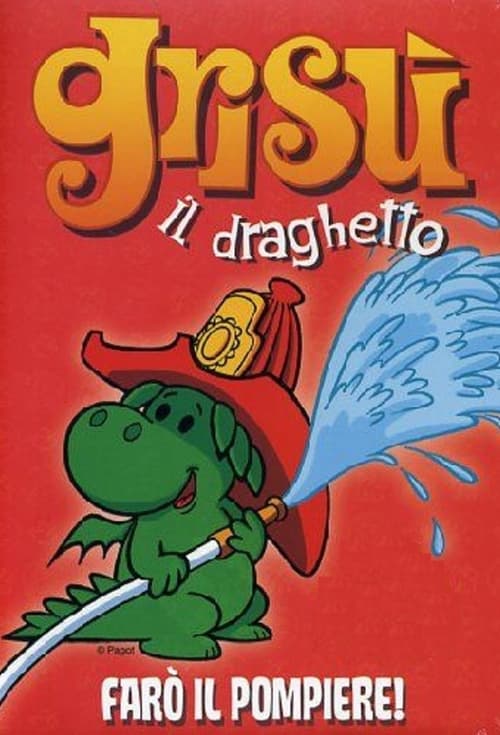
The protagonist of the series is a young dragon named Grisù that, despite being the youngest of a large breed of dragons, the Draconis, dreams of becoming a firefighter.
Grisù

Three zany puppets bring to life our greatest opera treasures, as Joan Sutherland, the world’s most famous soprano, performs their highlights. The puppets make up the audience: Sir William, a wise old goat; Little Billy, his nephew; and Rudi, a rather boisterous lion. Sutherland first introduces them to the story of each opera. Then, backed by the London Symphony Orchestra and a first-rate cast, she moves onto the opera stage, complete with elaborate sets and elegant costumes. After each exquisite aria, the diva comes back to her inquisitive friends and unfolds the plot.
Who's Afraid of Opera?

An exploration of opera in unconventional ways attempting to attract not just existing opera fans, but also those less familiar with the art form. The host guides the viewer to the places of origin of each opera, and explores the culture, history—and modern and current trends and how they apply to opera.
This is Opera

Petra von Kant is a successful fashion designer -- arrogant, caustic, and self-satisfied. She mistreats Marlene (her secretary, maid, and co-designer). Enter Karin, a 23-year-old beauty who wants to be a model. Petra falls in love with Karin and invites her to move in.
The Bitter Tears of Petra von Kant

After his wife dies, middle-aged businessman Philip Emmenthal, at the prompting of his playboy son Storey, populates his Geneva villa with eight-and-a-half concubines. Three are from Kyoto, where Storey manages Pachinco palaces. Each has a distinctive personality: a nun, a child bearer, a gambler, a student of Kabuki, a horsewoman with a pet pig, a maid. As a year passes, the women begin asserting their own power.
8 ½ Women

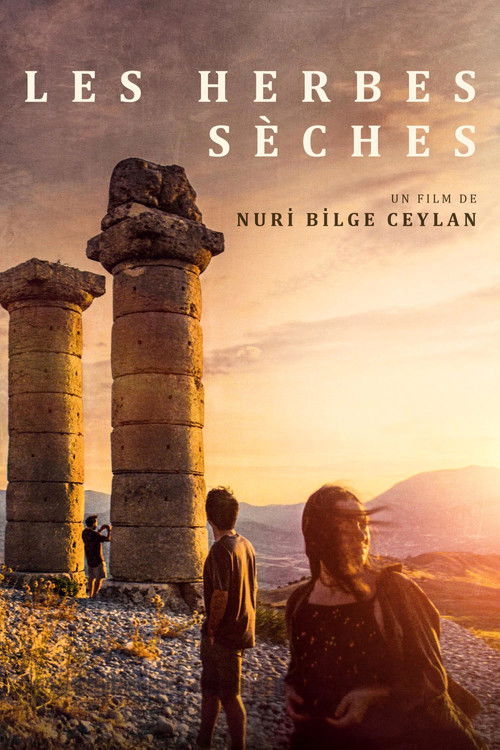
A young art teacher hopes to be transferred to Istanbul after completing his mandatory duty in a remote village school in Anatolia. After accusations of inappropriate contact with a student surface, his hopes of escape fade and he descends further into an existential crisis.
About Dry Grasses

"Bains de minuit" (Midnight Baths) was a late-night talk show hosted by Thierry Ardisson on La Cinq in the late 1980s, filmed in the famous Parisian nightclub Les Bains Douches. Ardisson interviewed personalities from the worlds of music, film, fashion, literature, sports, and politics, seated among the audience in the club's authentic atmosphere. The concept was to immerse these personalities in the world of nightlife and festivities, far removed from traditional television studios. The interviews were often irreverent and direct, with a provocative tone that would become Ardisson's trademark. He considers this show one of his freest and most audacious creations. It helped solidify his image as a cosmopolitan, transgressive, and highly scripted late-night talk show host.
Bains de Minuit

A Russian version of the classic Alexandre Dumas novel. Edmond Dantes is falsely accused by those jealous of his good fortune, and is sentenced to spend the rest of his life in the notorious island prison, Chateau d'If. While imprisoned, he meets the Abbe Faria, a fellow prisoner whom everyone believes to be mad. The Abbe tells Edmond of a fantastic treasure hidden away on a tiny island, that only he knows the location of. After many years in prison, the old Abbe dies, and Edmond escapes disguised as the dead body. Now free, Edmond must find the treasure the Abbe told him of, so he can use the new-found wealth to exact revenge on those who have wronged him
The Prisoner of If Castle

Part of Tutto Verdi series - Alzira (2012) Dobbiaco. This is a concert performance. Alzira is an opera in a prologue and two acts by Giuseppe Verdi to an Italian libretto by Salvatore Cammarano, based on the play Alzire, ou les Américains by Voltaire. The first performance was at the Teatro San Carlo, Naples, on 12 August 1845.
Verdi: Alzira

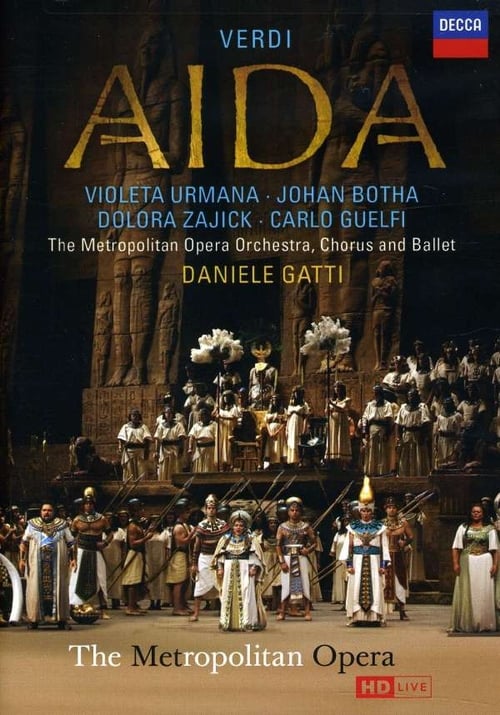
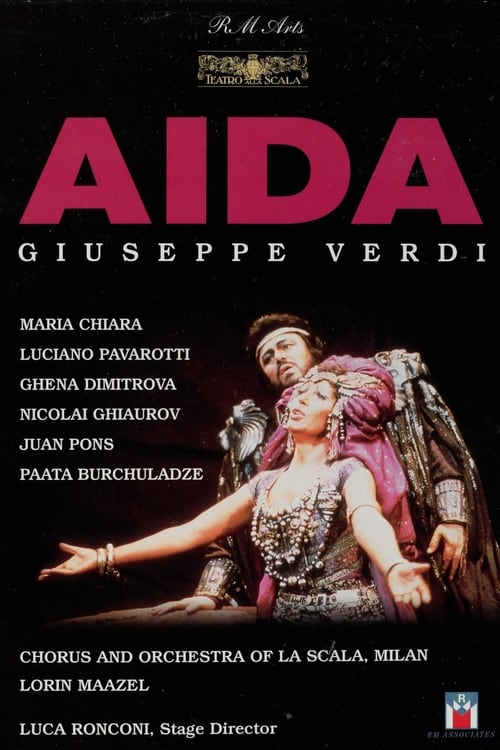
This Italian film version of Verdi's opera stars Sophia Loren on the screen, with Renata Tebaldi providing the vocals.
Aida

Promotional omnibus film, made for the 1990 FIFA World Cup in Italy, featuring portraits of 12 Italian cities.
12 Directors for 12 Cities

In Lithuania, soprano Asmik Grigorian and tenor Dmytro Popov join forces with the Kaunas Symphony Orchestra for a high-profile opera concert at the city's St. Peter and St. Paul Cathedral. The programme features excerpts from works by Verdi, Bellini and César Franck.
Asmik Grigorian in Kaunas St. Peter and St. Paul Cathedral

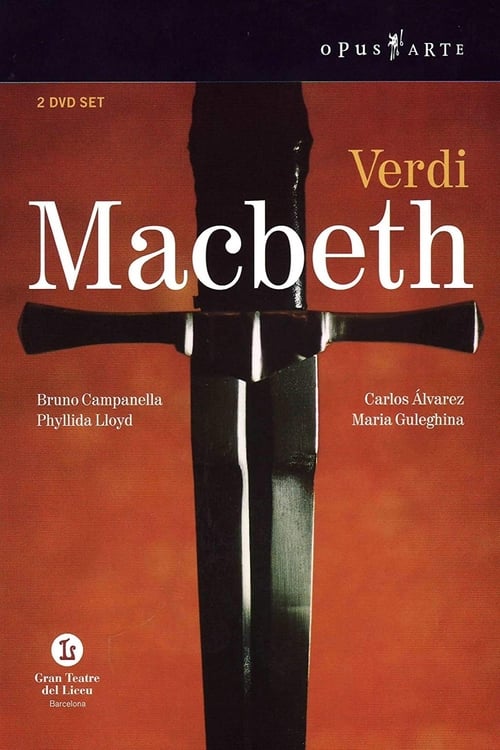
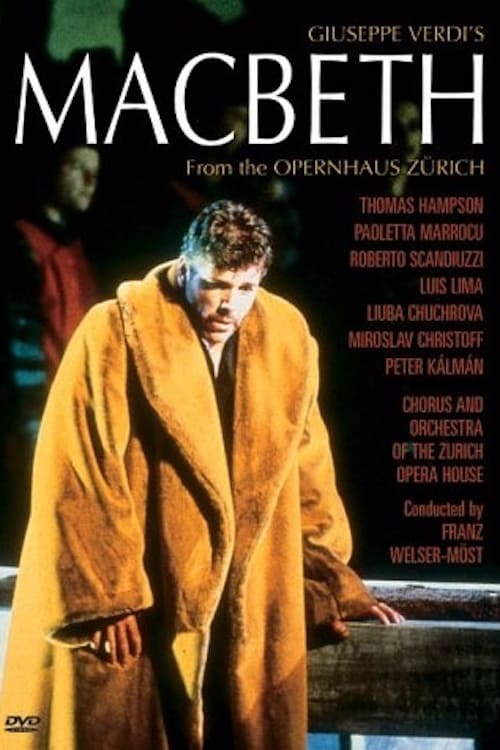
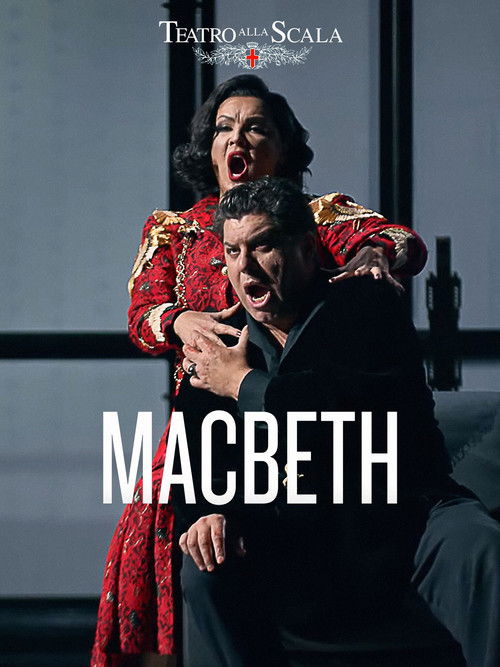
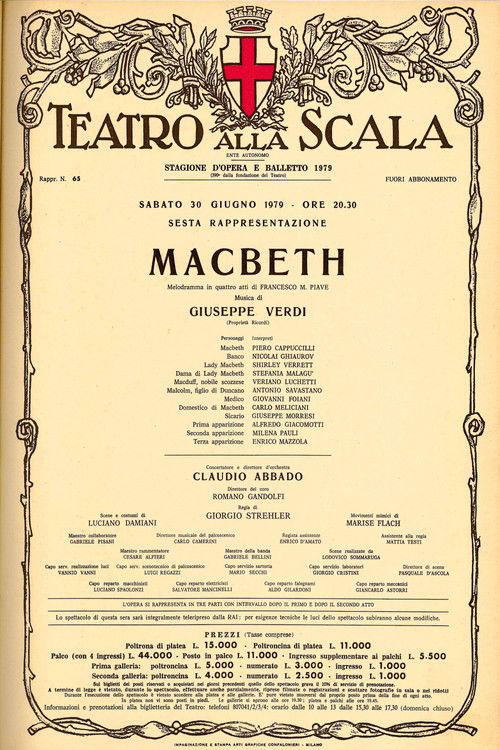
Verdi’s life-long love affair with Shakespeare’s works began with Macbeth, a play he considered to be ‘one of the greatest creations of man’. With his librettist, Francesco Maria Piave, Verdi set out to create ‘something out of the ordinary’. Their success is borne out in every bar of a score that sees Verdi at his most theatrical: it bristles with demonic energy.
Royal Opera House: Macbeth

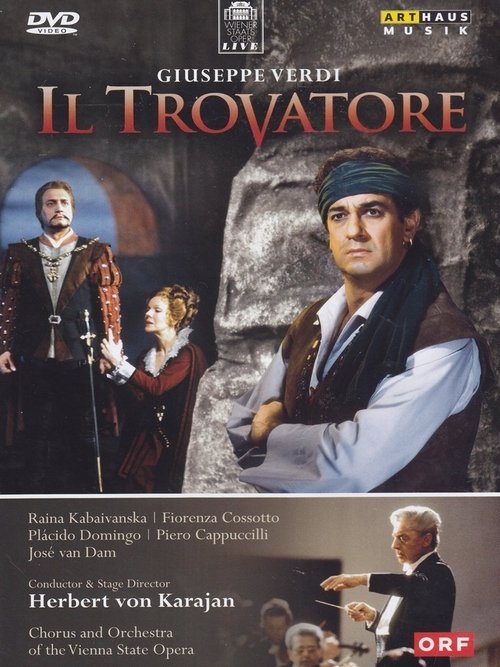
Verdi’s IL TROVATORE again storms the Met stage in a star-studded, anvil-wielding cast , including Sondra Radvanovsky, Dolora Zajick and Dmitri Hvorostovsky. Marcelo Álvarez sings Manrico, the troubadour of the title. The story is well-known already: The gypsy Azucena has harbored a grudge for thirty years, but she is about to have revenge at last. Meanwhile, her son Manrico is in love with Leonora, but so is his arch-enemy, the Count Di Luna. A pot-boiler, where every tune is a hit.
The Metropolitan Opera: Il Trovatore

Part of Tutto Verdi series - Ernani (2005) Parma. 'Ernani' is an operatic dramma lirico in four acts by Giuseppe Verdi to an Italian libretto by Francesco Maria Piave, based on the play 'Hernani' by Victor Hugo. Ernani was first performed on 9 March 1844 at the Teatro La Fenice in Venice.
Verdi: Ernani

In Aquileia, around the middle of the 5th century. Odabella, daughter of the city’s lord, lost her family during the sacking carried out by Attila and intends to take revenge by killing him (Santo di patria indefinito amor). She herself was spared by Uldino, one of Attila’s slaves. Impressed by her courage, Attila gives her his sword. General Ezio, sent from Rome, proposes to Attila a deal to divide the Empire (Avrai tu l'universo, resti l'Italia a me!). But Attila denounces him as a traitor and refuses. Attila is an opera in a prologue and three acts by Giuseppe Verdi, with a libretto by Temistocle Solera based on Zacharias Werner’s tragedy, Attila, König der Hunnen, and premiered at the Teatro la Fenice in Venice on March 17, 1846. From the box set of 27 Verdi operas, “Tutto Verdi.” Recorded live at the Teatro Verdi in Busseto on October 21 and 25, 2010.
Verdi: Attila

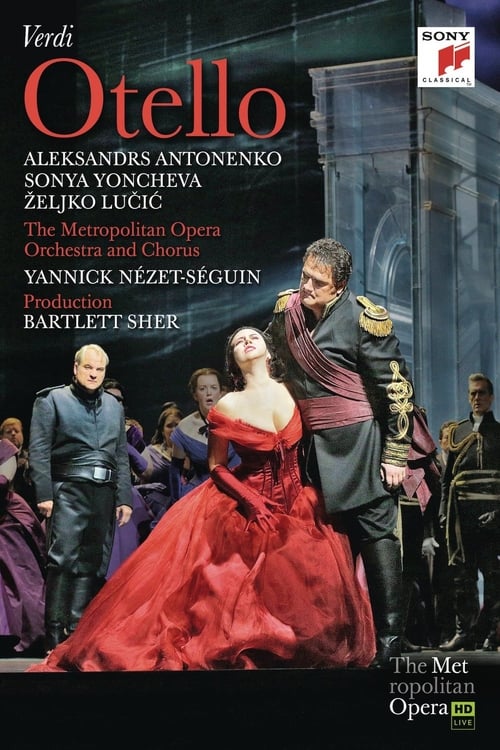
Based on Shakespeare's play, Verdi's opera depicts the devastating effects of jealousy, "...the green-eyed monster which doth mock the meat it feeds upon". Believing Otello has promoted the fast-rising Cassio over himself, Iago plots to destroy both Cassio and Otello. Iago convinces the jealous Otello that his beautiful wife Desdemona is unfaithful, and that Cassio is her lover. Jealousy is followed by tragedy, then retribution, "Has Heaven no more thunderbolts?"
Otello

Around 1850, in Paris. At a soirée, Alfredo Germont, a young man from a respectable Provençal family, falls in love with Violetta Valéry, a courtesan. Deeply in love, Violetta gives up her profession and devotes herself entirely to Alfredo. However, Mr Germont senior, in the name of bourgeois respectability, persuades her to break up with his son. Violetta then writes a letter of separation to Alfredo without revealing the real reason for her decision. The fatal illness from which she was already suffering then flares up once more. A month later, Alfredo learns from his father that Violetta never stopped loving him... ‘La traviata’ is a 3 act opera by Giuseppe Verdi, with a libretto by Francesco Maria Piave based on the novel ‘The Lady of the Camellias’ by Alexandre Dumas, fils (1848) and its stage adaptation (1852). Premiered on 6 March 1853 at La Fenice in Venice. From the 27-opera Verdi box set “Tutto Verdi”. Recorded live at the Teatro Regio in Parma on 4 April 2012.
Verdi: La Traviata

Verdi’s monumental score is fully the equal of Shakespeare’s famous tragedy—and both demand great actors. This is one performance where both playwright and composer are well served. Plácido Domingo’s Otello is one of the glories of the operatic world, beautifully sung and so commandingly acted that audiences are devastated by the end. Renée Fleming’s ravishingly beautiful Desdemona is deeply moving, and as Iago, James Morris is as beguiling as he is menacing. Under James Levine’s conducting the Met orchestra and chorus are vital characters in the drama.