Directing
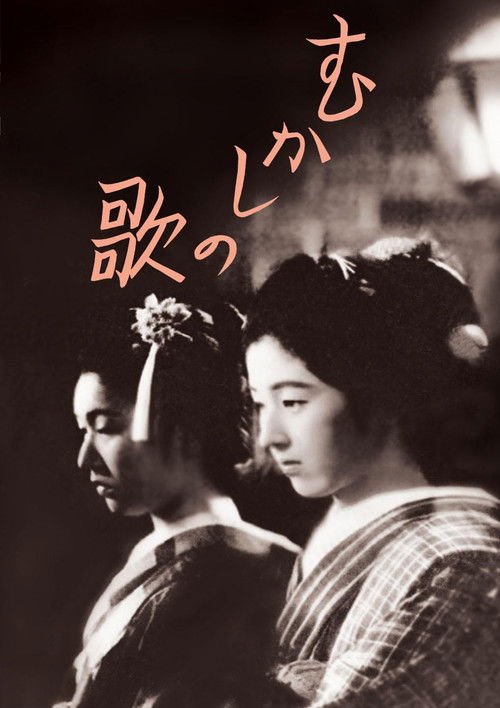
Set against the 1877 Satsuma Rebellion, two Osaka families navigate the radical social shifts of the early Meiji Era. As the merchant class ascends to economic prominence, the former samurai class faces a steady decline in status and traditional structure.
A narrative rakugo film depicting the struggles of people desperately living under wartime conditions.
The story is based on the serial novel by Tsunoda Kikuo.
Based on "Heaven and Maiko", a short story from the book "Chiisaki Hanabana" by Yoshiya Nobuko, it is the story of two girls of different family backgrounds in Osaka.
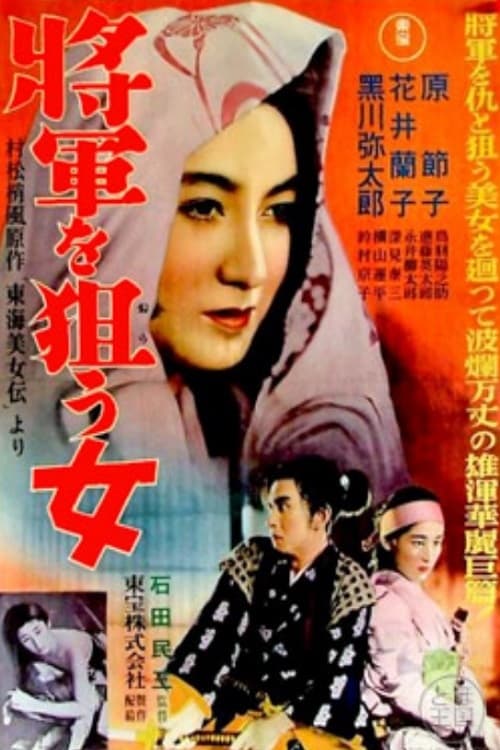
A man attacks the shogun, but does not succeed in his assassination attempt. He flees to the mountains and hides in a shed. There he finds an old man and a girl. The latter is the daughter of Shogun's former wife and also has revenge on her mind. The former is also connected to the castle. Separately a girl lives at the shogun's castle and believes in god.
Okiyo runs a restaurant in Asakusa. She struggles with the times and the relationships around her.
Kichigoro, a firefighter from the Maeda family of the Kaga Principality, rescues Oshimo, the younger sister of Jirokichi, a city firefighter from the Ha-gumi group, from a samurai who is trying to kidnap her. Oshimo has feelings for Kichigoro. At this moment, a fire warning bell sounds in the city...
Adaptation of the story “Peony Lantern” from 1928.
No description available.
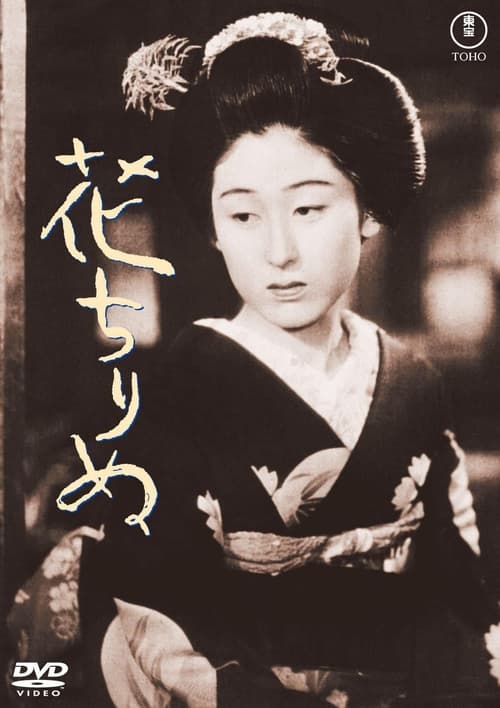
Set against the backdrop of an imperial victory in the civil war leading up to the Meiji Restoration, Fallen Blossoms tells the story of the sorrows of women in a geisha house in Kyoto by recounting the relationships of its inhabitants.
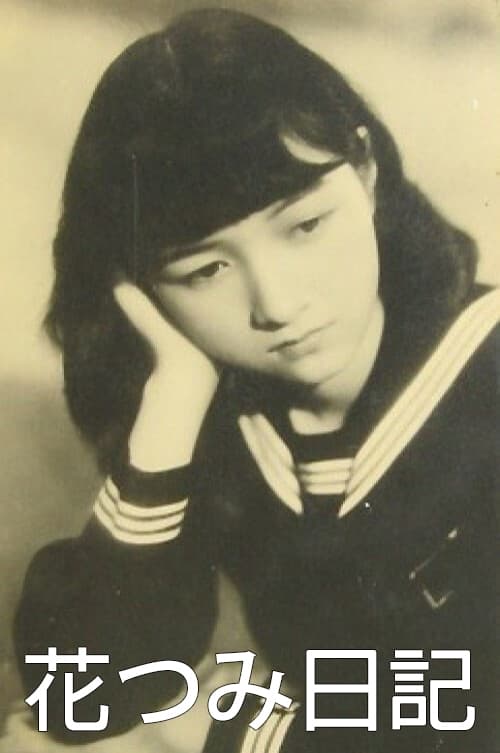
Following Flower Picking Diary (1939), Tamizo directed another film starring Hideko Takamine, based on a story by Nobuko Yoshiya. Takamine plays a poor young girl, trying to become a teacher on her quest to become independent to be able to look after her younger brother. But then tragedy strikes...
At the beginning of the Meiji era, three brothers of a samurai family each stand up to the times.