Nara Normande
Directing
Biography
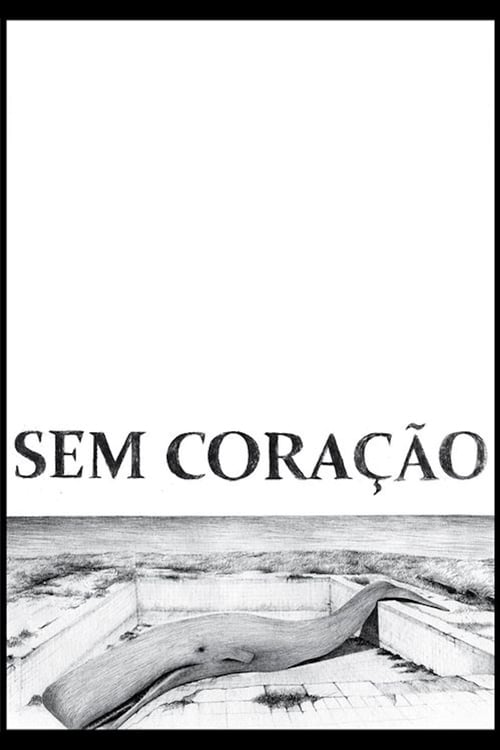
Born in Guaxuma, a beach in North-East Brazil, Nara is now living in Recife. She started to study journalism due to a lack of film schools where she grew up. She directed 3 short films, two animated, the other one in live action images. The first one Dia Estrelado (2011), her graduation film, is a stop motion animated movie, about a family that is trying to survive in a inhospitable area. Her inspiration for this film came from the frequent trips she took with her father to Sertão ; an extremely dry and poor region of Brazil. With it, she learned to write a script, make a shot list, to animate a movie. Her second film, Sem Coração (2014), co-directed with Tião, is a live action image that was selected at the Quinzaine Des Réalisateurs where it received the Illy price of the best short movie. Her short-film Guaxuma premiered in TIFF and has won many prizes world wide.
Known For

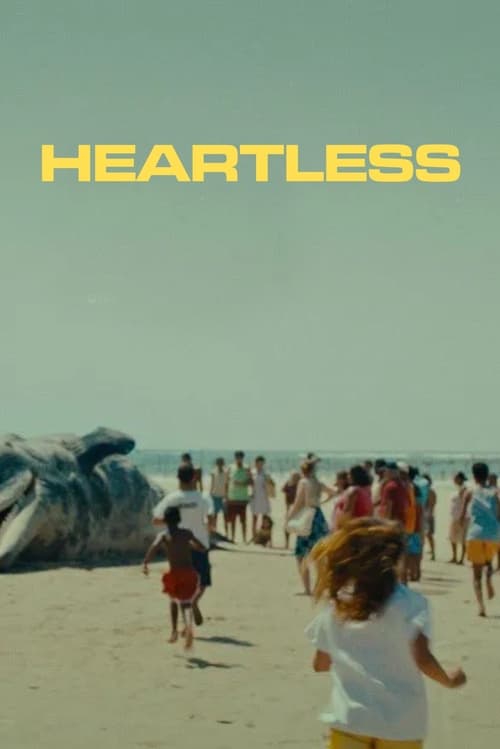
Summer 1996, north-east coast of Brazil. Tamara is enjoying her last weeks at the fishing village she lives in before departing to Brasilia for her studies. One day, she hears about a teenager nicknamed Heartless after a scar she has on her chest. Over the course of the summer, Tamara feels a growing attraction for this mysterious girl.
Heartless

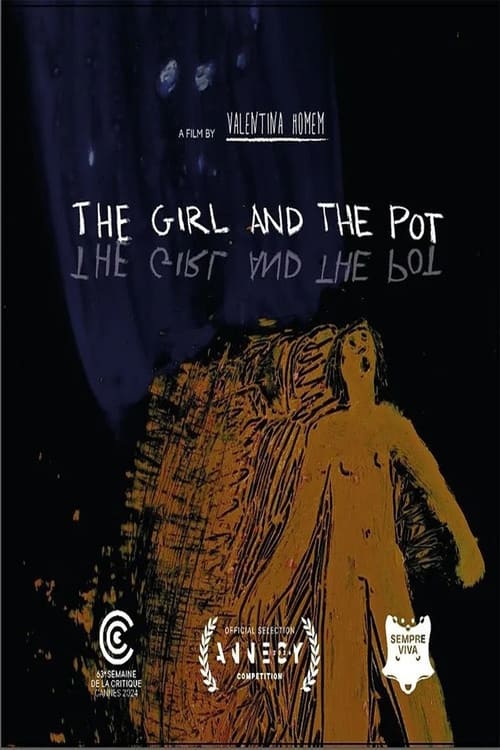
In a dystopian world, a girl breaks her ceramic pot, which holds a secret within. The breaking of the pot opens portals to a parallel universe and the girl enters a time of transformation in which the creation of a new world is finally possible.
The Girl and The Pot

Léo goes on vacation at his cousin's, in a fishing village. There, he meets a girl who goes by the nickname Heartless.
Heartless

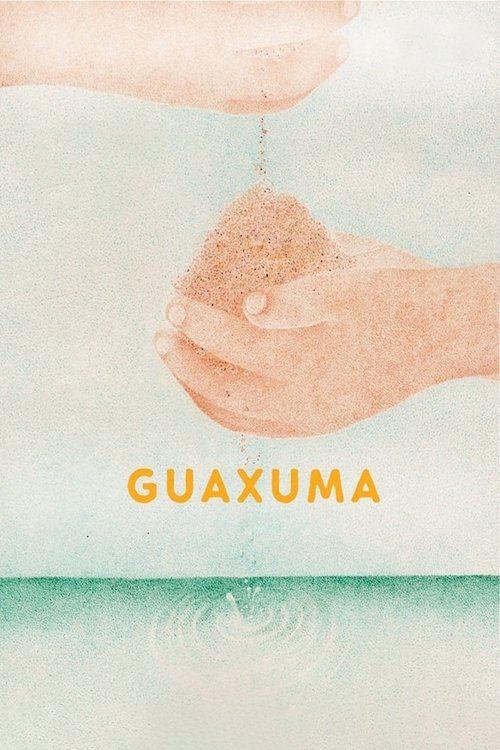
Tayra and I grew up on a beach in the north east of Brazil. We were inseparable. The sea breeze brings me back happy memories.
Guaxuma

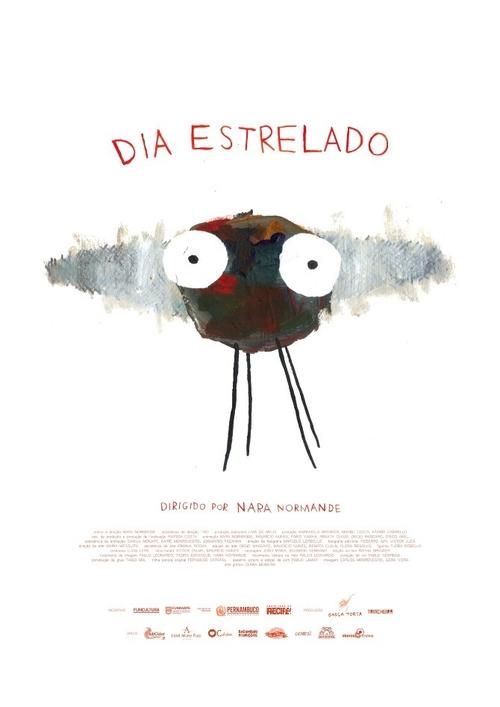
In an inhospitable place, a boy and his family struggle for survival.
Dia Estrelado

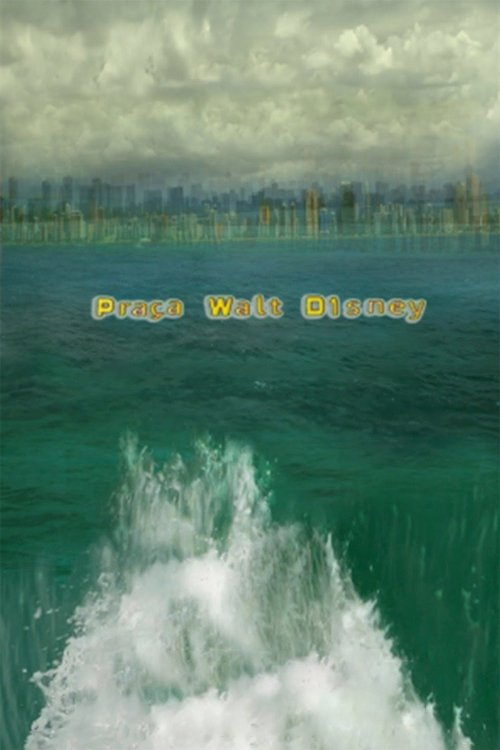
A quasi-musical approach on contemporary urban life that reflects Brazilian society and many others throughout the world, this documentary describes at the same time a place, a city and a country. The real place, a neighborhood in Recife, encompasses all of the Brazilian way of life, highlighting a reality that is before us but often goes unnoticed