Directing
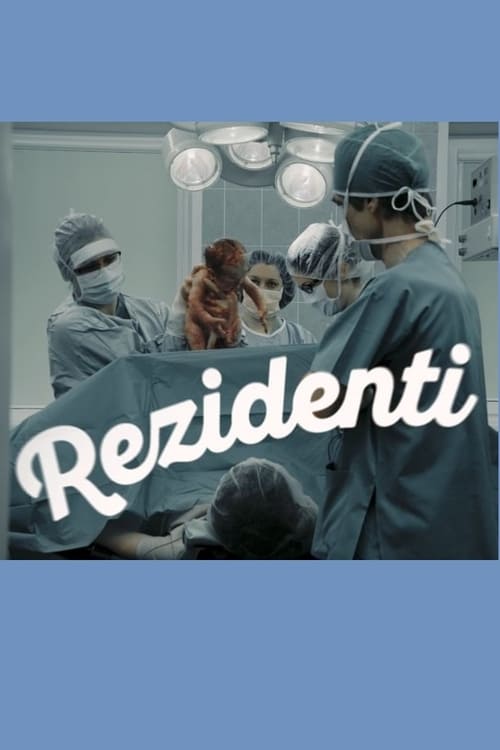
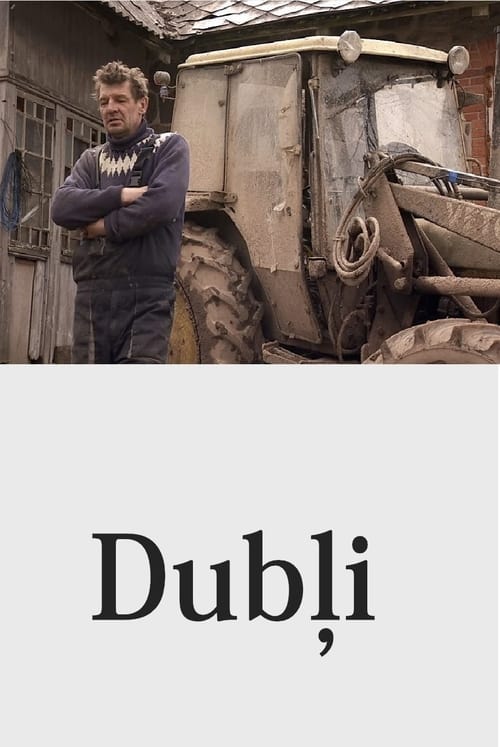
The documentary “Residents” probes problems in Latvia in general and Latvia’s medicine in particular with the story of two energetic young interns, Kārlis and Laura.
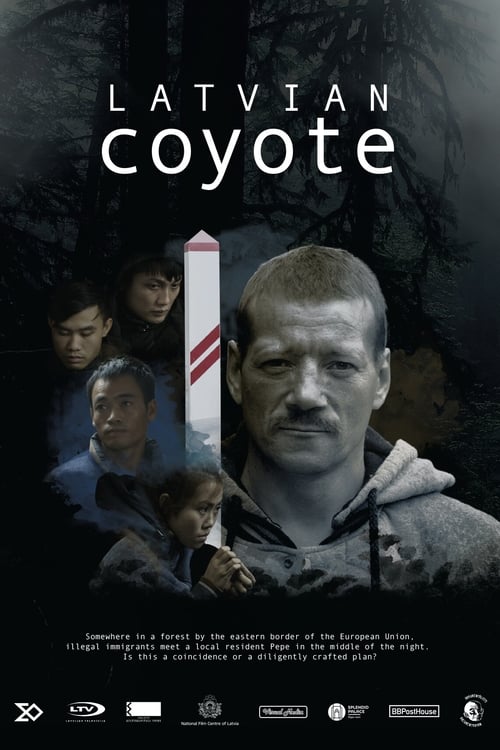
An absurd game of “finding happiness” is being played by local Latvian coyotes* and illegal immigrants on the Russian and the European Union border. It is a game with no winner – all participants are driven to play by the sense of despair. While one side leaves home and undertakes a perilous journey to the other side of the globe, hoping to spend the rest of their lives in a free country, the other side risks their freedom to earn a chance to stay right where they are, in their homeland. *coyote – someone who smuggles illegal immigrants
Alekss arrives at the Murjāņi sports school to become a champion. He’s introduced to the ironclad daily routine, which starts at 7 AM and ends at 8 PM, with practices twice a day and the rest of the time filled with lessons, exams and homework, just like at any other school. He has to wash his own clothes, make his own bed and clean his own room. The second hero of the film, Kristaps, has been living at Murjāņi for three years now. He takes part in the European Youth Olympic Festival, where everyone is strong but only a select few make it to the winners’ podium. Luck is not on Kristaps’ side in this case, and what he gets are only harsh reprimands and tears in his eyes. This slice of life at Murjāņi shows the difficult path to victory through sweat, tears and hard work.
In the godforsaken land on both sides of the Latvian-Estonian border people are awaiting "the coming of Europe" in candlelight with no electricity. This film paints the difference between urban consciousness and simpler rural values.
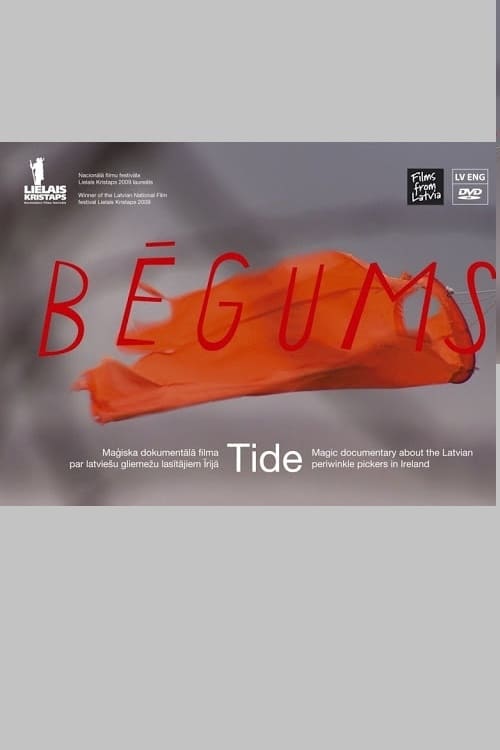
People escaping from home. Escaping to a better life. Escaping from themselves to a globalized world. Over the last years, tens of thousands of Latvians have left Latvia in search of a better life in Ireland. This film reveals the way some of them live, far abroad from home and their families: their desires, emotions, life conditions and relationships.
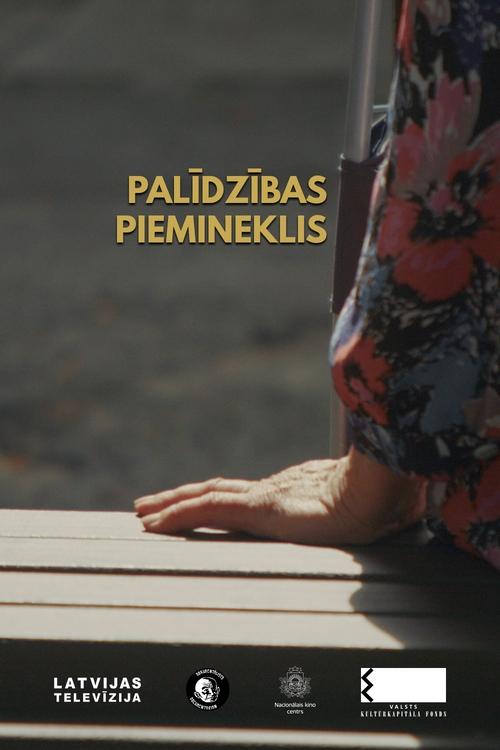
The monument to help is a small shop in the center of Alūksne – a social, cultural, and human place in the small city of Malēnija, where everyone knows, loves, and hates each other. The walls, floors, and communications of the former Alūksne post office have worn out. In winter, a small stove barely heats the rooms. Shelves full of various items attract strangers. Loud and energetic Ginta fits perfectly into this place and situation. She knows how to chat, criticize, and help everyone. Ginta's image complements everything that happens in this charity shop, where goods cost 20 cents. This place is like an island of the past, located next to a modern supermarket where you can buy almost nothing for 20 cents. She does not know how long she will be able to maintain contact between those who donate their unwanted items to the shop and those who come to buy them for 20 cents.
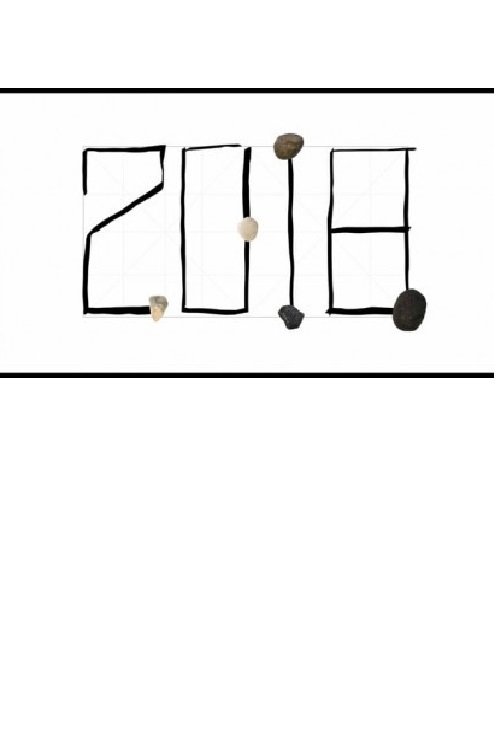
During Latvia’s centennial year, 15 filmmakers created each his own film portrait of a person living in Latvia on the background of centenary events. Documentary 2018 combines these stories into a unique poetic vision based on analogy with the documentary 235 000 000, a classic of the Riga school of poetic documentary cinema. This film is an attempt to make sure whether the codes of the poetic cinema are still relevant and accessible today.
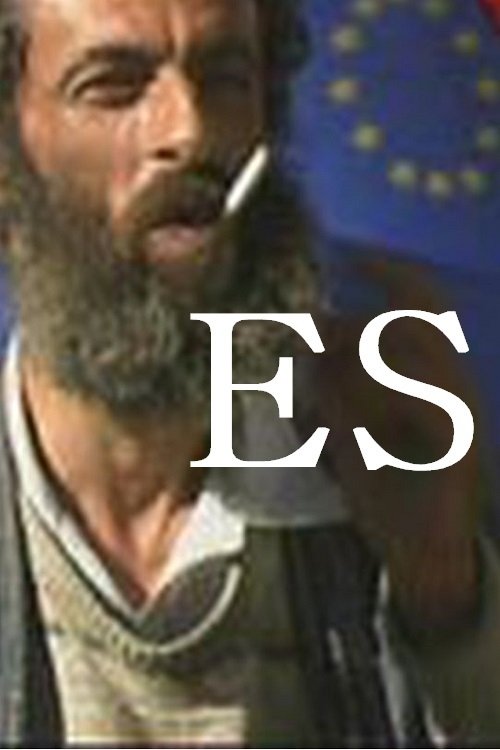
It's Latvia on the 20th of September, 2003 - the day of the referendum about joining the European Union. On the day of the referendum, twelve Latvian film directors of different generations portray twelve different characters across the country. Their life stories and environments affect their decision of voting “for” or “against”.
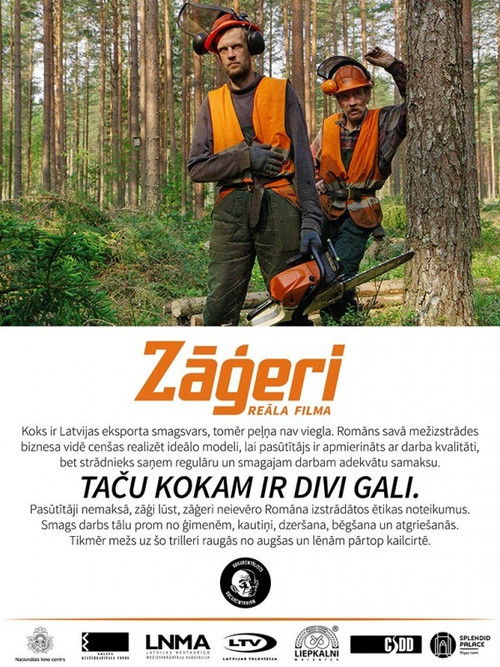
They fell trees in the forest, work in brigades and live in trailers or empty apartments far from home. The work is heavy. During moments of respite, the loggers like to sit on the stumps and talk about life. And about women – those waiting at home, or those they imagine.
The Latvian Song festival captured from an unusual angle - literally and figuratively. Faces and legs of singers, listeners and dancers, close-ups of details and moods. In the final four minutes of the film, the 294 place names - cities, parishes and villages of Latvia and the world - are called, that the participants of the XXIII Latvian Song Festival come from - "...Cīrava, Code, Chicago, Dagda... Mālpils, Malta, Mārupe, Moscow... Sēlpils, Sesava, Sydney, Sigulda... Palsmane, Pampāli, Paris, Pāvilosta..."
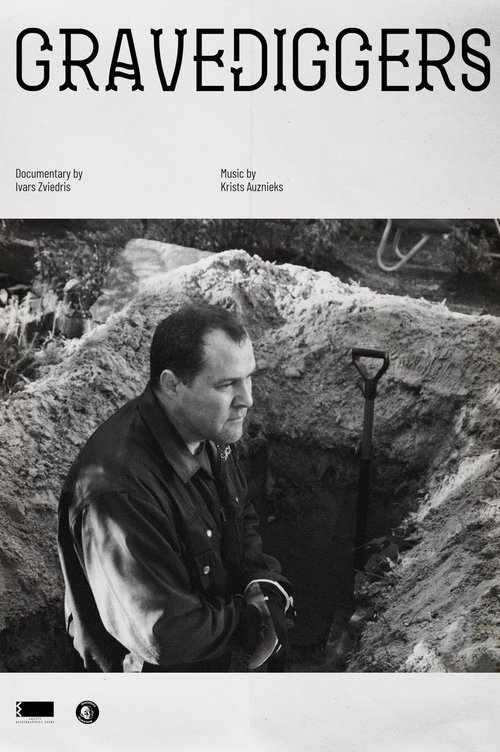
They prepare the resting place for us all. They do their work by standing by the side of people when they are in grief, and are the last hands to touch the grave towel that lowers the deceased a meter and a half below the ground. Alongside other ancient professions, gravediggers have inherited knowledge and skills through several generations - not only in digging holes, but also in Latvia's rich cemetery culture, where everything has its own order. Latvia's cemeteries are where traditions from different centuries meet, and every gravedigger needs to know them so that he or she can continue to receive the stamps for the job of digging graves. The most experienced of them have already received 5 000 such stamps, which is equivalent to the population of one town in Latvia.
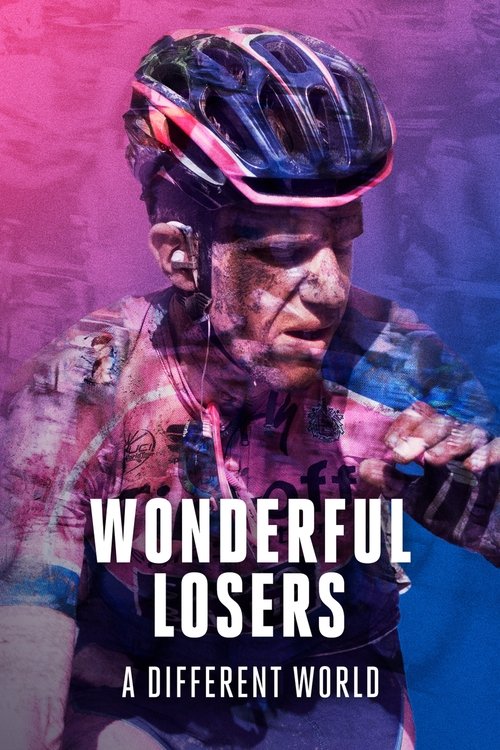
They're called water carriers, domestics, 'gregarios', 'Sancho Panzas' of professional cycling. Always at the back of the group, with no right for a personal victory. These wonderful losers are the true warriors of professional cycling.
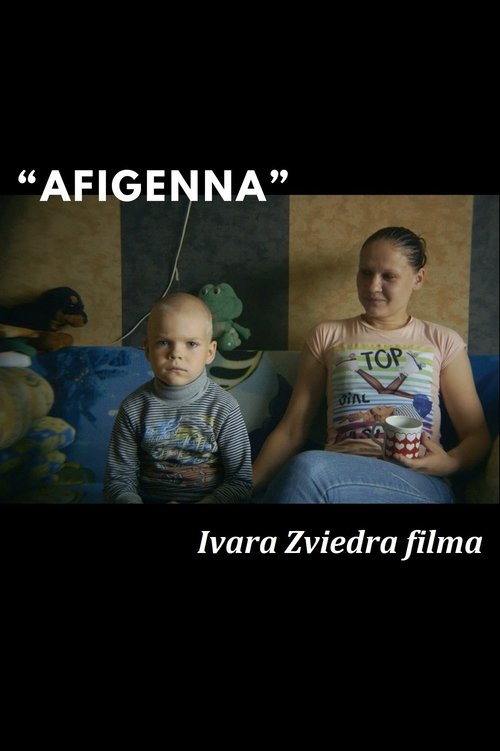
A dialogue between a mother and her son.
Latvians think through mud and view the world through a “muddy” filter. Where does the mud come from, and why does it invariably remain: in this country, this language, and in our souls? Mud doesn’t just appear from tears falling upon dry earth. Mud also comes from spillover, done out of joy. And the mud itself creates happiness and inspiration for new mud.
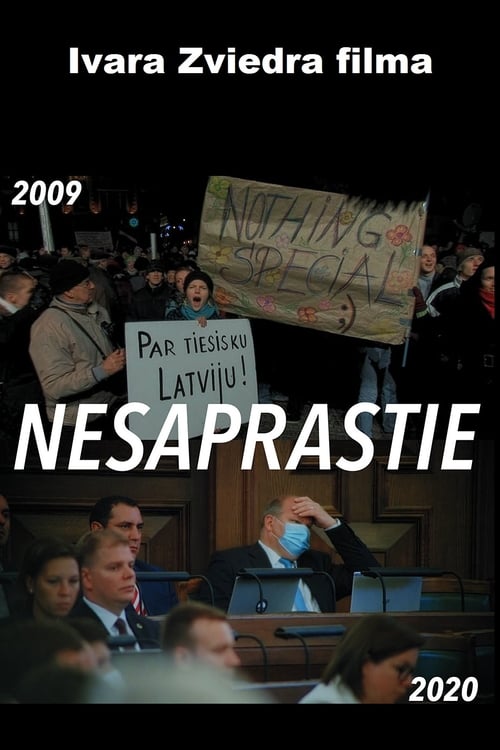
An attempt to understand the people chanting "Atlaist Saeimu!" (Sack the parliament!) year after year. Though rarely attracting a great deal of notice, there are always individuals collecting signatures for a referendum to dissolve the parliament for one reason or another, or simply standing outside the building and reciting their familiar mantra. Latvian governments change fairly often, but the parliament has been dissolved in line wth the Constitution only once, in 2010 (in 1934 it was dissolved unconstitutionally following a coup by Prime Minister Kārlis Ulmanis). The actual parliament building in Old Rīga was, however, attacked in January 2009 during a very rare violent protest which precipitated the fall of Ivars Godmanis' cabinet. The documentary zips back and forth in time giving portraits of various different people and political forces pushing the idea to "Atlaist Saeimu" for different reasons.
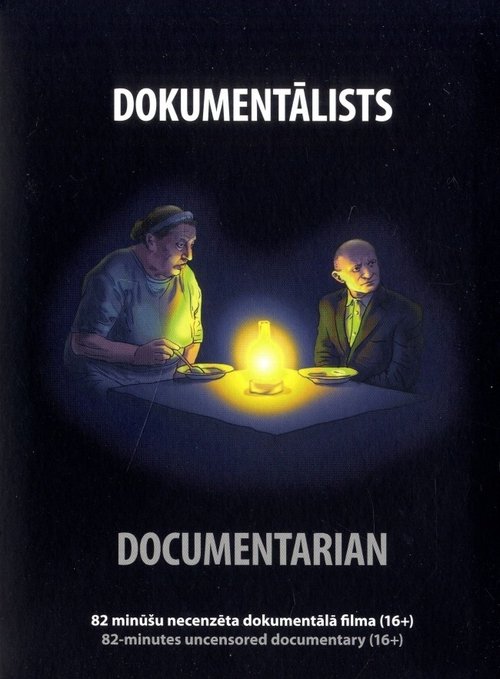
Inta is a brusque, crusty woman who lives alone on the edge of a picturesque marsh. One day her solitude is intruded upon by the arrival of a documentary filmmaker. In his eyes Inta is an outstanding would-be film protagonist but the wild woman would rather put a curse on the importunate intruder than let herself be filmed. But the filmmaker's persistence finally succeeds in melting the ice of Inta's heart... just in order to break it soon afterwards.
A novella about Riga, composed of songs from the rooftops of Riga, sung by the girls of the Riga Dome School choir, recited by Riga residents, chance encounters with foreigners, cyclists and pedestrians, tram drivers and lovers.
Rūjiena is the northernmost town in Latvia. Life here flows slowly, with a unique, flowing spirit of sincerity, love, and a certain sense of civic pride. The people of Rūjiena are proud of this. An attempt to trace the history of Rūjiena and its people is a visual essay by three residents of Rūjiena: Ivars Zviedrs, Valdis Celmiņš, and Krišs Ozols.
The film is a mirror image of the choir Kamēr... (While...), which the viewer sees through the white dresses of the girls in the choir, through the beads of sweat on the conductor's nose, through close-ups of the choir members at moments when the musical ecstasy reaches its climax.
Sigurds operates a hundred-year-old lift in a large hospital in Riga, absorbing the sounds of daily hospital life while between floors. Meanwhile, in the adjacent shaft, a new, automatic lift is being installed.