Jaque Catelain
Acting
Biography
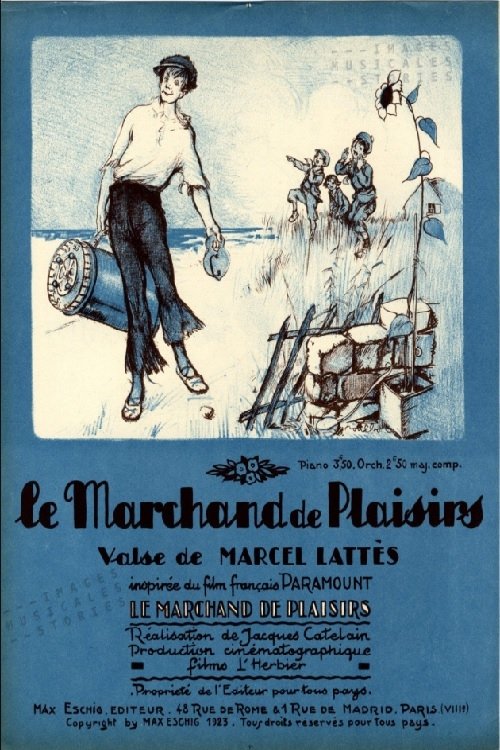
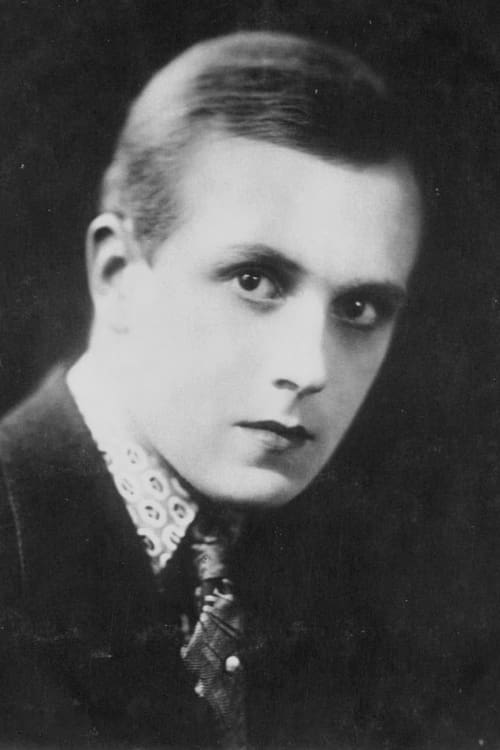
Jaque Catelain was a French actor who came to prominence in silent films of the 1920s, and who continued acting in films and on stage until the 1950s. He also wrote and directed two silent films himself and was a capable artist and musician. He had a close association with the director Marcel L'Herbier. He was born as Jacques Guérin-Castelain in Saint-Germain-en-Laye. His father was then the mayor and also moved in literary and theatrical circles, which allowed the young Jacques to encounter many famous names in his childhood. He showed early enthusiasm for the arts and music, and at the age of 16 he entered the Académie Julian in Paris to study fine arts. With the outbreak of war in the following year, he changed direction and chose to study acting at the Conservatoire, enrolling in the class of Paul Mounet, before being mobilised into the artillery. In 1914 Catelain met Marcel L'Herbier, then a writer and critic, who became a major influence on his life and career, and with whom he formed a lifelong friendship. When L'Herbier began directing films in 1917, Catelain became his leading man of choice and starred in twelve of his silent films, starting with Le Torrent, and they made Catelain into a leading star who was in demand to appear in foreign films as well as in productions of other French directors. In 1925 he was offered a seven-year contract by MGM to work in America, but he turned this down. Jaque Catelain's activities in this period extended beyond acting. When Marcel L'Herbier set up his own production company Cinégraphic in 1922, its first project became Le Marchand de plaisirs which Catelain directed as well as acting a double role in it. In the following year he wrote and directed La Galerie des monstres (1923/24). Both films were successful enough to cover their costs. He devised controversial make-up for some of the actors in L'Inhumaine, and his artistic skills were put to further use in two set designs for L'Argent. As a pianist he would sometimes step in to provide improvised accompaniment for previews of L'Herbier's films. Catelain successfully made the transition from silent to sound films, starring in L'Herbier's L'Enfant de l'amour (1929), but during the 1930s he took fewer leading film roles and started to act in the theatre. In February 1933 he married Suzanne Vial, a friend since childhood who had become a production assistant to L'Herbier in the 1920s and continued working with him until 1944. Soon afterwards in 1933/1934 he was employed by the daily newspaper Le Journal to go to Hollywood to carry out a series of interviews with leading personalities such as Chaplin, Stroheim and Sternberg. In May 1940, Catelain left France for a four-month theatrical tour of South America, but within a month France was occupied by the Germans and his absence lasted for six years. In Buenos Aires he became so ill with pneumonia that he was given the last rites, but he recovered and went to Canada for the next three years for work in the theatre and propaganda broadcasts. In 1943 he was invited to Hollywood and remained there for a further three years. He returned to Paris in 1946, and resumed an occasional career in films, appearing in minor roles in three of Jean Renoir's films in the 1950s. In 1950, he published a biography and appreciation of the work of Marcel L'Herbier. Catelain died in Paris in 1965.
Known For

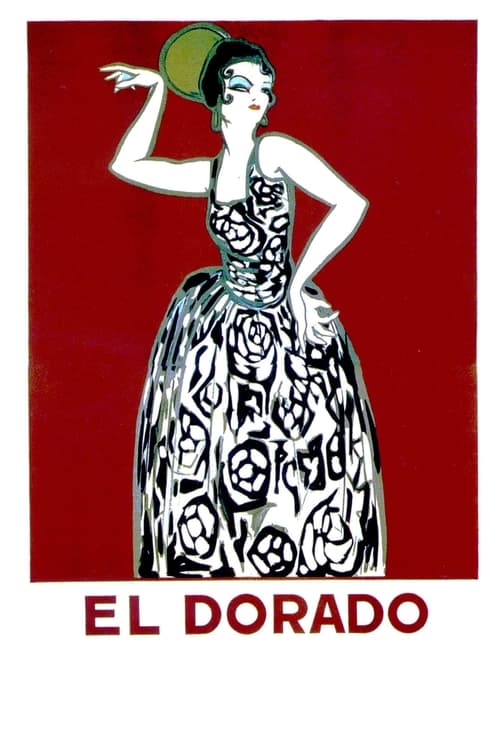
In Granada in Spain, Sibilla works as a dancer in a squalid cabaret called El Dorado, struggling to earn enough to care for her sick child. The boy's father Estiria, a prominent citizen, refuses them both help and recognition, fearful of jeopardising the engagement of his adult daughter Iliana to a wealthy nobleman. Iliana however slips away from her engagement party to meet her real lover Hedwick, a Swedish painter. Sibilla, in desperation after a further rejection by Estiria, sees an opportunity to blackmail him by locking the lovers overnight in their meeting-place in the Alhambra.
El Dorado

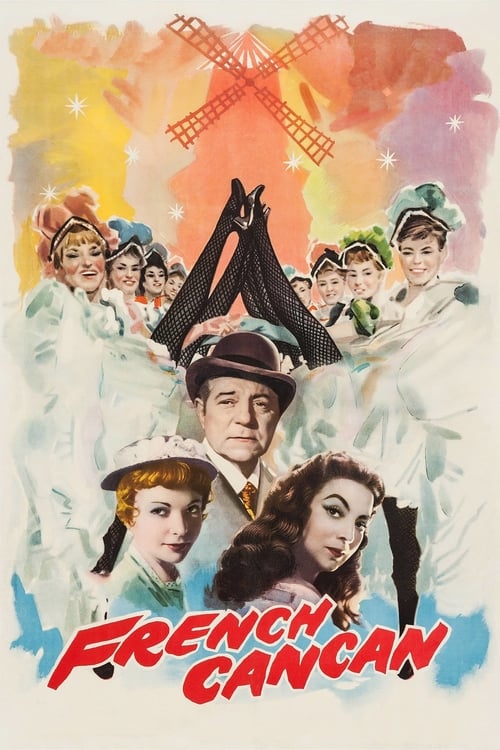
Nineteenth-century Paris comes vibrantly alive in Jean Renoir’s exhilarating tale of the opening of the world-renowned Moulin Rouge. Jean Gabin plays the wily impresario Danglard, who makes the cancan all the rage while juggling the love of two beautiful women—an Egyptian belly-dancer and a naive working girl turned cancan star.
French Cancan

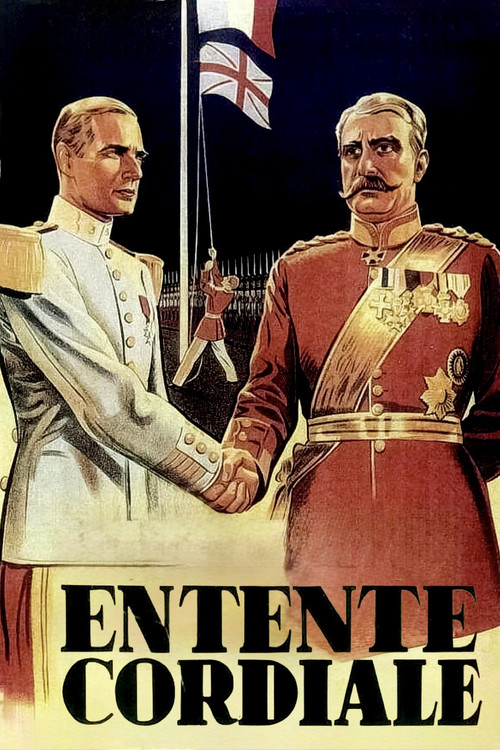
The film depicts events between the Fashoda crisis in 1898 and the 1904 signing of the Entente Cordiale creating an alliance between Britain and France and ending their historic rivalry. It was based on the book King Edward VII and His Times by André Maurois. It was made with an eye to its propaganda value, following the Munich Agreement of September 1938 and in anticipation of the outbreak of a Second World War which would test the bonds between Britain and France in a conflict with Nazi Germany.
Cordial Agreement
No description available.
Les mousquetaires du roi

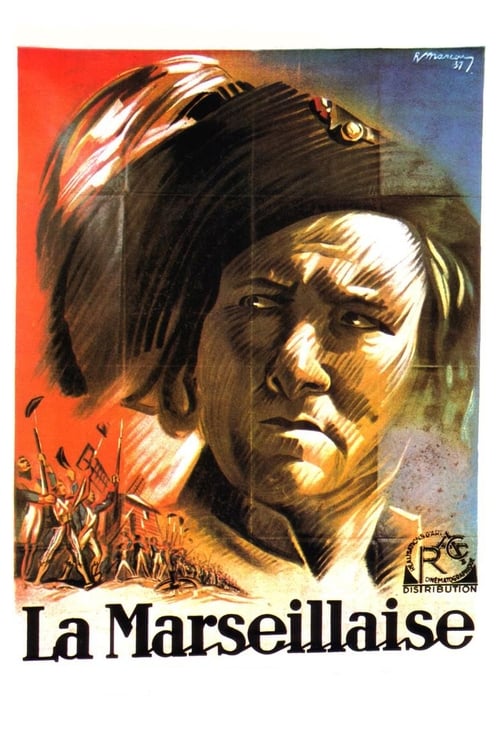
The early days of the French Revolution, as seen through the eyes of the ordinary citizens in Marseille and the royal court, including King Louis XVI and Marie Antoinette.
La Marseillaise

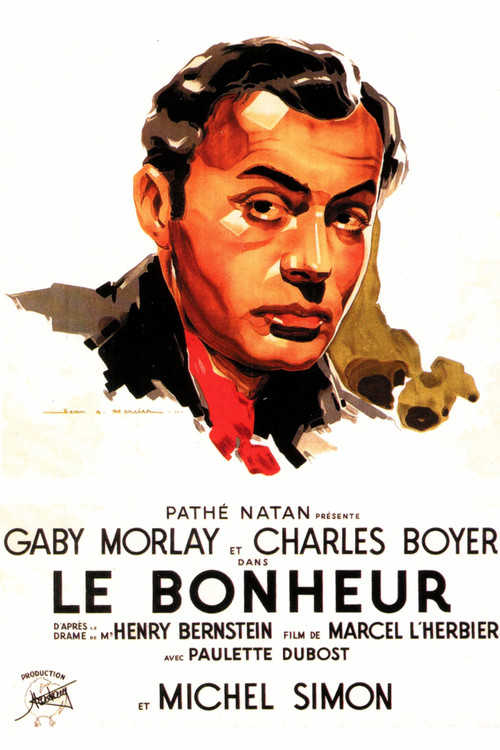
Philippe Lutcher, an anarchist, fires a shot at Clara Stuart, a famous stage and screen actress, but only wounds her. The star, through affectation and curiosity to know his motives, pleads in his favour at his trial, but he rebuffs her pity. After he has served 18 months in prison, they meet and fall in love.
Le Bonheur

The whimsical Riquet's has kidnapped and married a well-born young girl, Ralda. They travel around Spain performing their act in a circus but Ralda's beauty arouses the director's lust. Furious at being rejected, he opens a lion's cage during Ralda's act, leaving her seriously injured. With Ralda's family on their trail, the young people set off to find a better life elsewhere.
The Gallery of Monsters

Dr. Cordelier, living in a suburb of Paris, withdraws from society to pursue research into the functioning of the human brain. His lifelong friend, Maître Joly, becomes concerned when Cordelier draws up a will that bequeaths his entire estate to a stranger, Monsieur Opale; he cannot understand why Cordelier defends him, considering Opale attacks women and children. After a colleague is killed, Joly confronts Cordelier and discovers the truth behind his friend's behavior.
Experiment in Evil

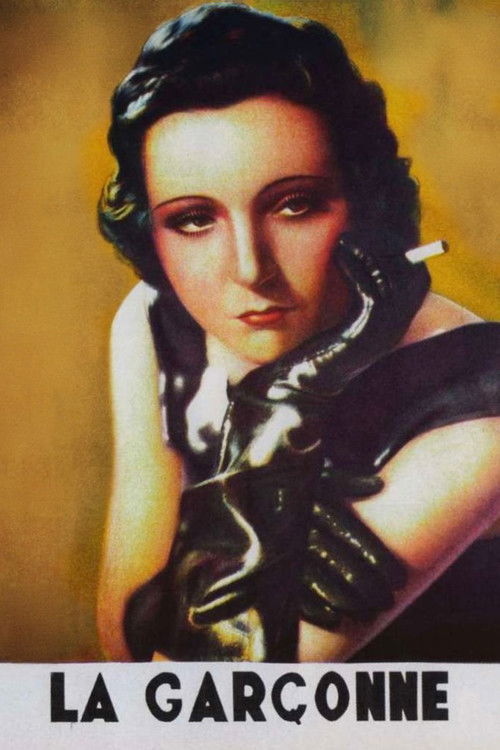
The eponymous garçonne or flapper is Monique Lerbier, an emancipated French woman who leaves home to escape a marriage of convenience to a man she does not love which her parents have forced on her. She then falls into all sorts of carnal temptations and artificial pleasures previously unknown to her. These include her being seduced into a lesbian love affair by a chanteuse.
The Tomboy

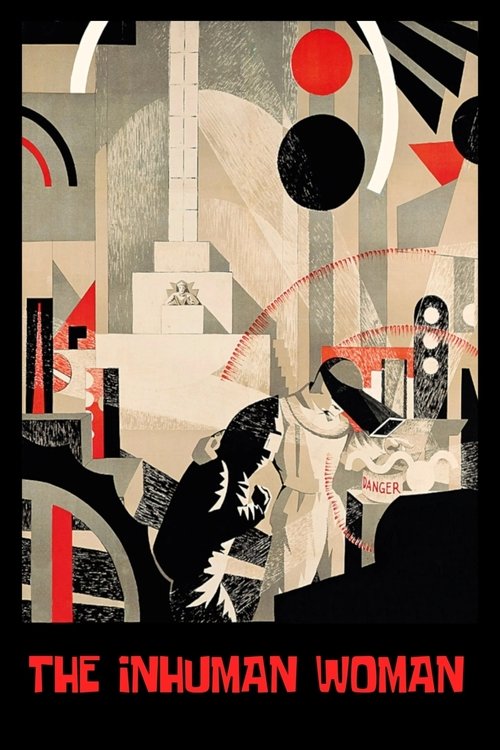
A famous singer Claire Lescot, who lives on the outskirts of Paris, is courted by many men, including a maharajah, Djorah de Nopur, and a young Swedish scientist, Einar Norsen. At her lavish parties she enjoys their amorous attentions but she remains emotionally aloof and heartlessly taunts them. When she is told that Norsen has killed himself because of her, she shows no feelings. At her next concert she is booed by an audience outraged at her coldness and she decides to visit the vault in which Norsen's body lies.
The Inhuman Woman

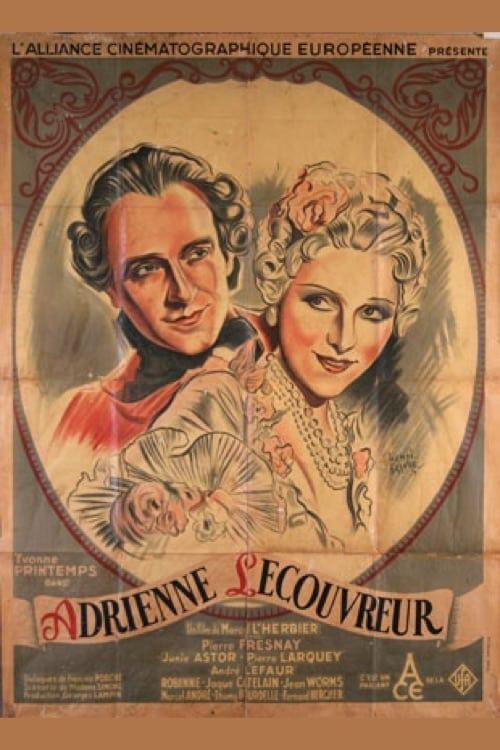
Adrienne Lecouvreur is an acclaimed actress who falls in love with Polish prince Maurice de Saxe, only to be poisoned by a jealous rival while Maurice is away at war. The film was a co-production between the two countries, and was made at UFA's Berlin Studios. It was based on the 1849 play Adrienne Lecouvreur by Eugène Scribe and Ernest Legouvé about the life of the eighteenth century actress Adrienne Lecouvreur.
Adrienne Lecouvreur

A poem to love and patriotism soon after the end of World War I. A highly original and poetic film using many experimental camera techniques, which proved too fanciful for many but which established Marcel L'Herbier's reputation as a talented innovator. This is the director's debut film and it is considered the second impressionist film, the first being Abel Gance's, 1918, La Dixième symphonie (The Tenth Symphony).
Rose-France

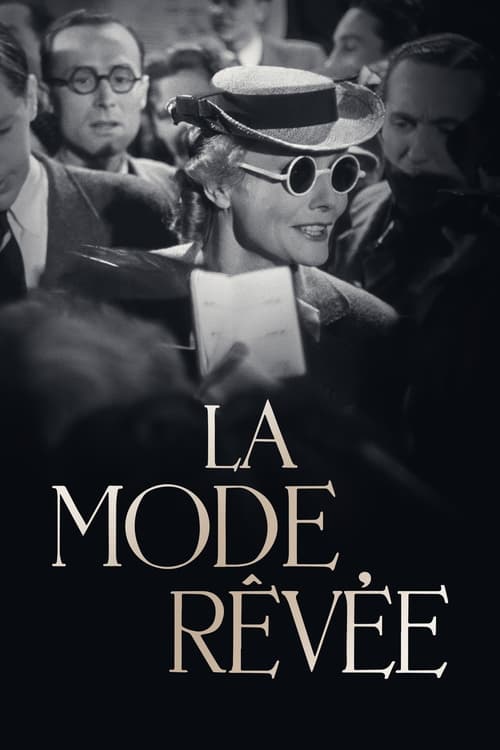
An American star, visiting Paris, falls asleep in the Louvre while a guide comments on Watteau's "Voyage à Cythère". She dreams that the painting's characters, beautiful ladies, escape, scattering across Paris after a tour of the fashion houses.
La Mode rêvée

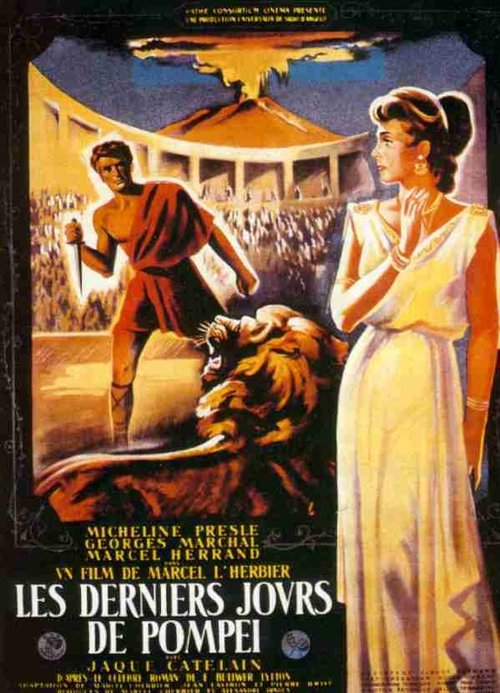
In Pompeii in the year 79, Lycias and Helen fall in love. Helen's guardian, the high priest of Isis, wants to separate them. To do so, he tries to make Lycias drink a love potion, but a young slave threatens to reveal everything. The high priest, unable to silence her, kills her and arranges to have Lycias accused...
The Last Days of Pompeii

A film actress falls for an extra on her set, he turns out to be a prince.
Dream Castle

The illegitimate son of a music-hall star and an ambitious politician has grown up to become a journalist. He decides to get back at his father by using blackmail.
Illegitimate Child

The film opens with the overthrow of the Czar during the 1917 Russian revolution. The family of General Count Svirsky (Roger Karl) cower in their home, certain that the mobs of angry peasants will tear them apart. But even in this moment of crisis, Svirsky can find time to murder the young officer who has been having an affair with Countess Svirska (Emmy Lynn). The Countess knows what has happened, but she loyally remains with her husband as they escape to the safety of the French Riviera. It is here that the Countess meets Henri de Cassel (Jaque Catelain), the “living image” of her dead lover.
Le Vertige

Monsieur Jourdain is a dangerous madman : he wants to share his fortune! His relatives do what any sensible fellow on earth would do: they have him committed to a mental hospital. But Jourdain manages to escape and decides to make everybody happy except... his heirs!
Comedy of Happiness
The story: While her husband is becoming famous in the war, the marshal of Werdenberg's wife consoles herself in the arms of the youngster Octavian and tries to arrange the love affairs of her cousin, the baron Ochs, by presenting him to young Sophie. This baron is taken with her and the Marschallin proposes Octavian to be his "Rosenkavalier" in order to present the traditional silver rose to his fiancée. But youngsters are youngsters and sex hormones hold sway over the whole world so for that reason immediately Octavian and Sophie fall in love with each other…
The Knight of the Rose

The woman thief evades a young lady who is onto his game, but then tries his wiles elsewhere on a married woman by attempting to compromise and ruin the husband she is happy with.