
Jackson de Souza
Acting
Known For

No description available.
O Semideus
No description available.
Jerônimo, o Herói do Sertão

No description available.
Os Ossos do Barão
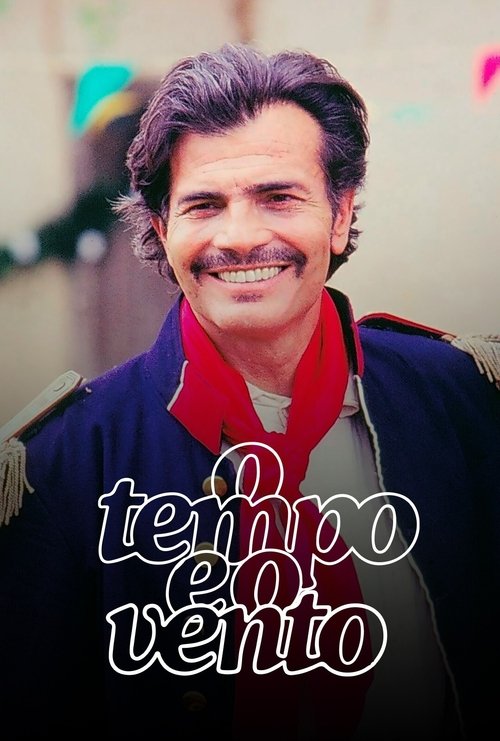
It tells the story of the Camabará family for many generations, which were fundamental to the social and political formation of the state of Rio Grande do Sul. The stories are remembered by Dona Bibiana, who remembers the life of her grandmother Ana, her husband, the Captain Rodrigo, his son Bolivar and his daughter-in-law Luzia.
O Tempo e o Vento
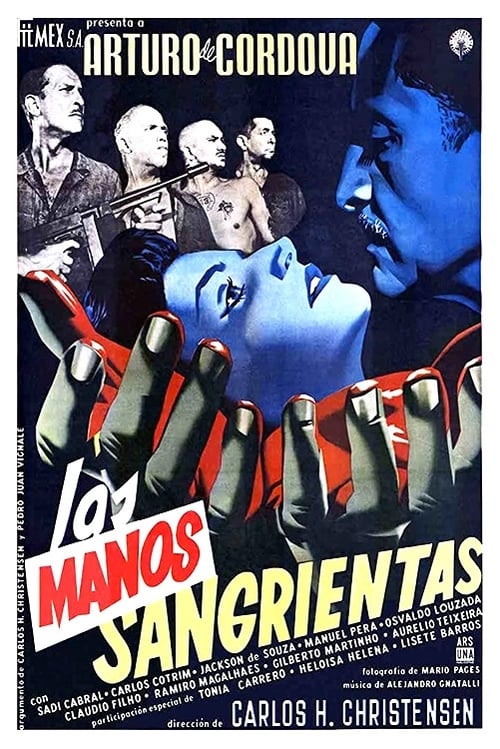
Maos Sangrentas translates to Bloody Hands in English, and that's just what this gruesome Brazilian melodrama delivers. The story begins when a gang of dangerous convicts escape from a penal colony. With the police in hot pursuit, the escapees cut a gory swath through the countryside. As his comrades are killed off one by one, the leader of the group descends into gibbering madness. In contrast to this, a subplot develops involving the least dangerous of the escapees, who murdered his wife in a peak of self-righteous rage and is now seriously in doubt about the wisdom of his deed. Principal scenes reworked in 1962 to make the film The Violent and the Damned (q.v.).
Bloody Hands
No description available.
Rabo de Saia
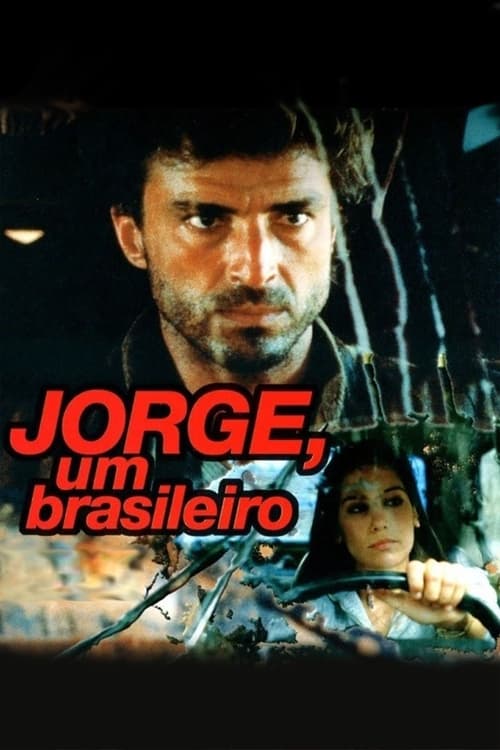
After arguing with his ex-girlfriend, truck driver Jorge hits the road again, while remembering the past and questioning his friendship with his manipulative boss.
Jorge, um Brasileiro

Year 2000. Brazil was partially devastated by the Third World War. An immigrant family arrives in a small town, which they call "I Forgot." The trio is recruited by an indigenist to pretend to be indigenous during the visit of a general. In the dilemma of integrating into the system or preserving individual freedom, the family moves toward disintegration as the city prepares to launch a space rocket.
Brazil Year 2000

On a scorching summer day in Rio de Janeiro, five impoverished black boys venture out of their favela to peddle peanuts throughout the bustling city. As they navigate the various districts of Rio, they bear witness to a series of unfortunate events and encounters, unfolding a vivid tapestry of urban life in Rio de Janeiro during that period. These true misadventures shed light on the gritty reality of the city, unveiling its vibrant urban tapestry.
Rio, 100 Degrees F°

An employee of a glass factory suffers with his wife's contempt and starts to develop homicidal delusions about her. One night, he meets a singer which resembles his wife a lot and conjures up a plan.
Veneno

A small town is taken upside down when an inventor finds a way to turn bones into gold.
Osso, Amor e Papagaios
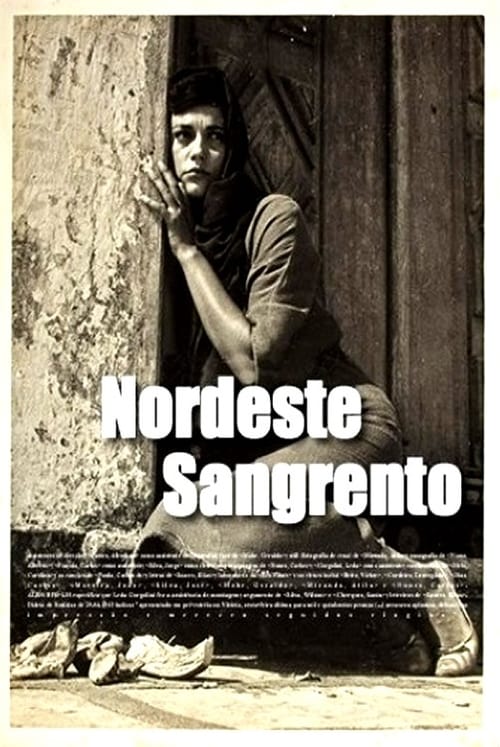
Cowboy escaping from the drought in the Northeast Brazil meets some officers led by a cruel lieutenant, whose main objective was to catch organized outlaws and invade the small town of Juazeiro. They arrest and torture him, hoping he would tell them the whereabouts of Padre Cícero, a prominent religious leader of the place. But he manages to escape and arrives in Juazeiro. The police invade the city and arrest the believers who were celebrating a party for Padre Cícero.
Nordeste Sangrento
A three-episode anthology film based on short stories by Brazilian writer Graciliano Ramos.
Insônia

No description available.
Terra Violenta

No description available.
A Outra Face do Homem
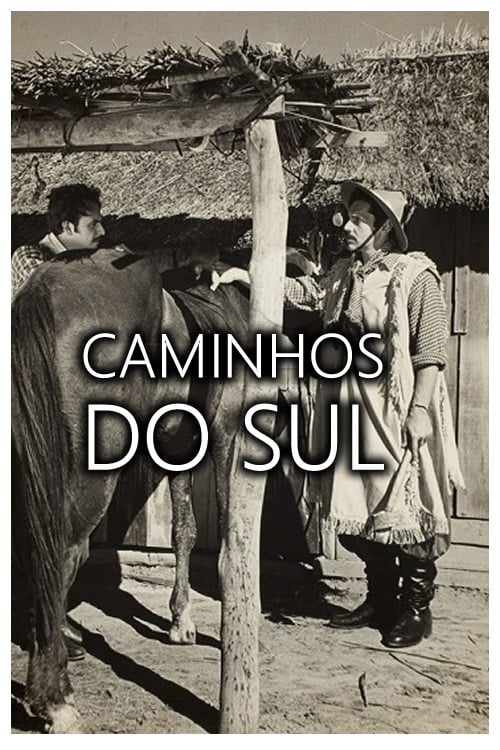
No description available.
Caminhos do Sul

No description available.
Gravel

High Court judge returns to the small town where he was born, bringing along his beautiful and young wife. The local men get aroused and start looking for young lovers at the local bordello. Their wives even make promises and novenas asking the disappearance of the new couple. One day, the judge dies, leaving his wife unsatisfied. The corpse, as if wanting revenge, keeps an erection on.
Urubus e Papagaios

Barber likes to help everybody in town. Now, he's trying to help a young couple in love defeat the girl's tutor, who is against the romance.
O Barbeiro Que Se Vira

No description available.