Sound
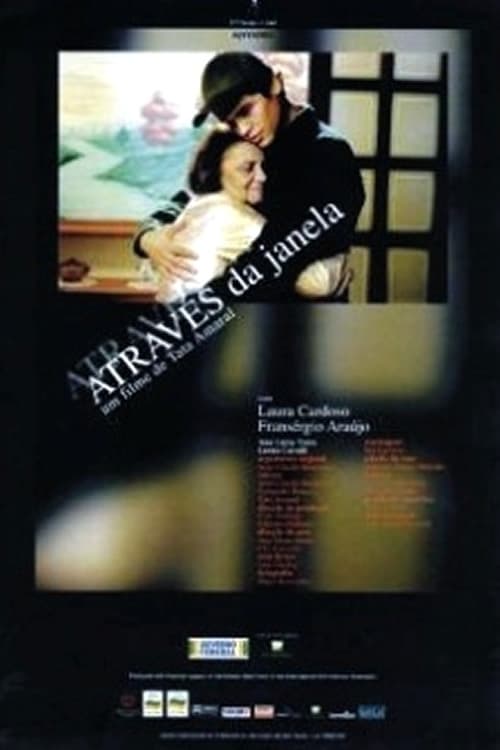
Selma, a retired nurse, is an extremely loving mother for his son Raimundo, in an almost incestuous relationship. One day, she becomes aware of some changes in her son's behavior. At first, she thinks it may be some girlfriend. But soon she learns it's something else.
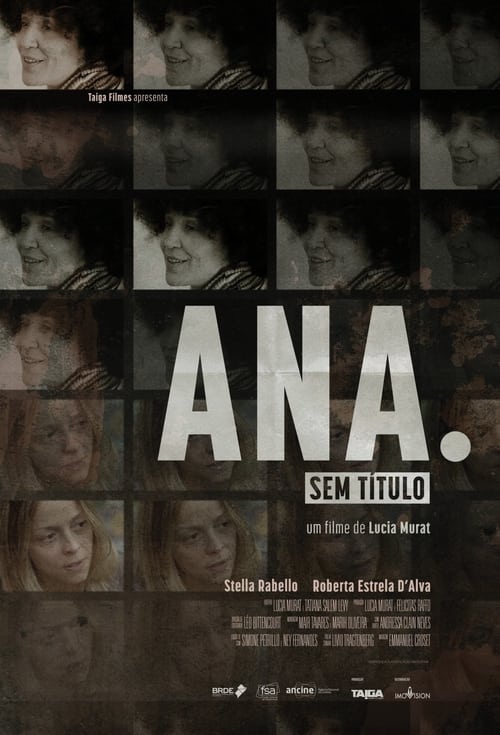
Stela, a young Brazilian actress, decides to make a work on the letters exchanged between Latin American plastic artists in the 70s and 80s. She travels to Cuba, Mexico, Argentina and Chile looking for her works and testimonies about the reality they lived during the dictatorships that most of these countries faced at the time. In the midst of the investigation, Stela discovers the existence of Ana, a young Brazilian artist who was part of this world, but disappeared. Ana went from southern Brazil, from a small town in the interior to Buenos Aires. Obsessed by the character, Stela decides to find her and find out what happened to her.
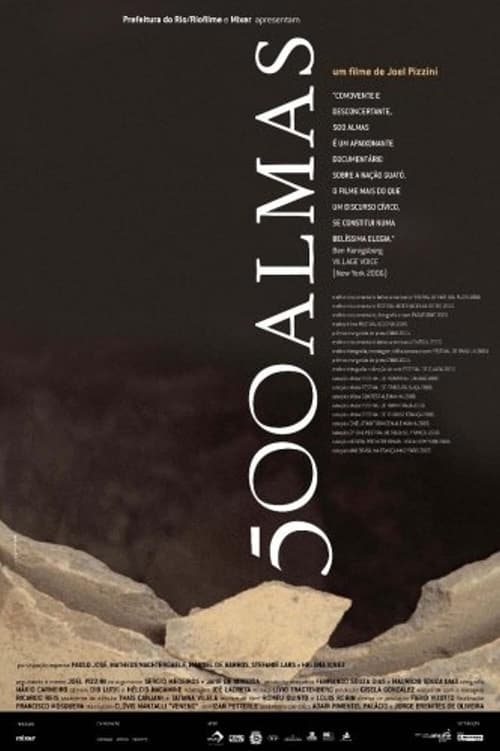
The delicate process of rebuilding the memory and identity of the Guatós Indians, currently scattered throughout the Pantanal region.
No description available.
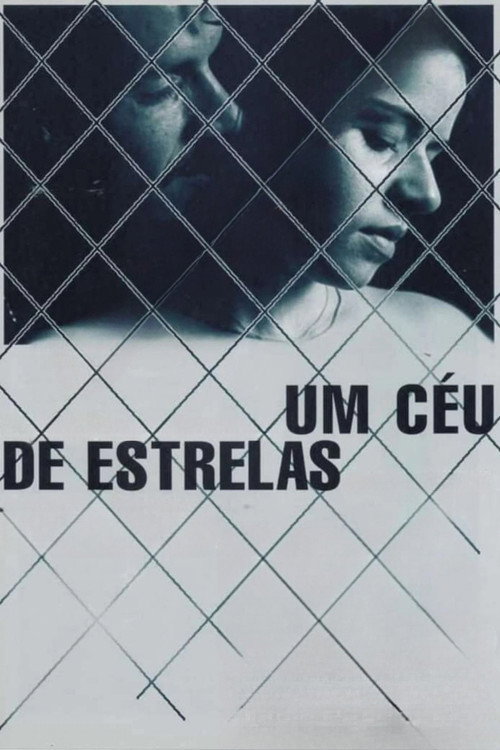
A woman ready to move away from Brazil is kidnapped by her jealous ex-lover.
Story with some autobiographical touches taken from director's life.
A liberal interpretation of the book Galáxias, one of the most important works by the great contemporary Brazilian poet Haroldo de Campos, written between 1963 and 1976 and published in 1986. Bressane considers this work of poetry the Portuguese Finnegan's Wake. The video is a disorganized system of images: an exploration of colors, quotes and sudden inspirations created by the words. A sequence of epiphanies, rigorous in their images. The films cited act as cinematographic scenery, conferring a sense of drama to the movements of the actresses and the readings of the poems.
Film based on Manoel de Barros poetry. Story about poet's life in the swamp area of Brazil (Pantanal) and its wildlife; & his obsession with the sea and his new life in the big metropolis in Brazil.
The making of an unfinished film about phobias. Says the director. Behind the screens, he discusses at length (with e.g. Coffin Joe) about the aesthetic boundaries of the project: volunteers under controlled circumstances become immersed in their phobias in order to film the fear on their faces.
The trajectory and artistic imagery of actor and director Zbigniew Ziembinski (1908-1978), precursor of modern theater in Latin America and master of generations of Brazilian actors. The polyphonic montage builds on vast unpublished material, covering half a century of performances, teletheaters and interviews by Zimba, as he was known – before and after fleeing Poland, on the eve of the invasion of Warsaw – and recreates fragments of Wedding Dress , a play by Nelson Rodrigues which the Polish-Brazilian director won a revolutionary montage in 1943.
Three metropolitan stories entwine in São Paulo. Would-be actress Marina arrives in the city looking for independence, falls madly in love with Justine, a bisexual rock singer, and is swept up into her wild, edgy lifestyle. Marina shares a flat on Avenida Paulista with Suzana, a mysterious lawyer who begins a relationship with a male colleague who is unaware that she's transsexual. Jay lives a few floors above them. He is a frustrated writer trying to give a meaning to his life by idealizing a stunningly beautiful prostitute, whom he transforms into a sort of muse. Following the frenetic pace of the city, the three "Paulista" characters will experience the euphoria of passion and its downside.
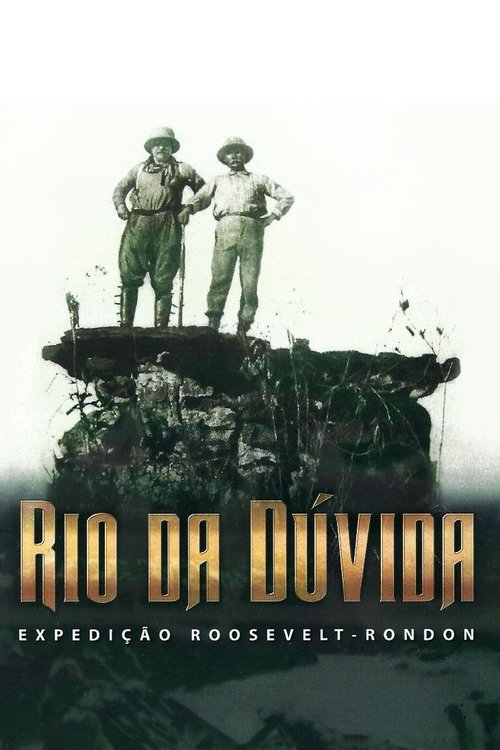
The film recreates the Roosevelt-Rondon Scientific Expedition (1913-1914), commanded by the Brazilian colonel Cândido Mariano da Silva Rondon and former US president Theodore Roosevelt. Together, they crossed the Pantanal and Amazon Rainforest to explore the mysterious Doubt River.
Diogo is a cartographer and artist who is encharged to set the new frontiers of Portuguese Colonies in South America. When he reaches the center of the continent, finds apparently nothing but wilderness and ‘uncivilized’ natives with strange ways of living. But Captain Pedro, the rude scout who guides him through the jungle, involves Diogo in an involuntary act of violence which will tie him in an unusual way to that far away country. At the same time, the Portuguese colonists are trying to make peace with Guaicuru Indians (one of the few natives with horse-riding abilities). But peace doesn’t ever have a low price.
Syllvio Luccio is a transsexual male being transformed in the middle of the Brazilian dry lands, a region of high temperatures, poverty and where male’s virility is extreme.
A historical overview of what Semana de 22 was and its understanding over time, the event took place over three nights at the Theatro Municipal de São Paulo (February 13, 15 and 17, 1922).
Milu, a 6-year-old girl, is on vacation. This does not mean fun, because she has to stay alone at home while her mother works. Tulio, a mysterious boy, invites her to play some games. Their fantasies gradually take over the reality that surrounds them.
Based upon the life story of Father Antonio Vieira, born in Lisbon in 1608 and deceased in Salvador, Bahia, in 1697. He's considered the first Brazilian writer and one of the most important aesthete of linguistic and of the Portuguese language of all times, a master in the art of metaphor, of verbal relations and analogy. He was persecuted and condemned by the Portuguese Court of Inquisition due to his position against native slavery, against the intolerance to the Jewish people and to the colonial politics of exploration.