Dan Barnett
Directing
Biography
Daniel Barnett studied analytic philosophy with K.J. Shah who was a student of Ludwig Wittgenstein's. He has been making films continuously since 1967. He was union-trained as an editor, has worked professionally as director of photography, sound recordist, sound and picture editor, producer, writer and most recently Executive Producer for Educational Projects at bePictures, Inc. in San Rafael CA. He has taught film production and film theory at SUNY Binghamton, Mass College of Art, UMASS, Boston, The San Francisco Art Institute and the School of the Art Institute of Chicago and is the author of the book 'Movement as Meaning in Experimental Film' published by Editions Rodopi, Amsterdam & NY in 2008. He has produced hundreds of film experiments and experimental films, won a National Endowment for the Arts grant as well as many other regional grants and awards. His films are in collections in New Zealand, Australia and France.
Known For
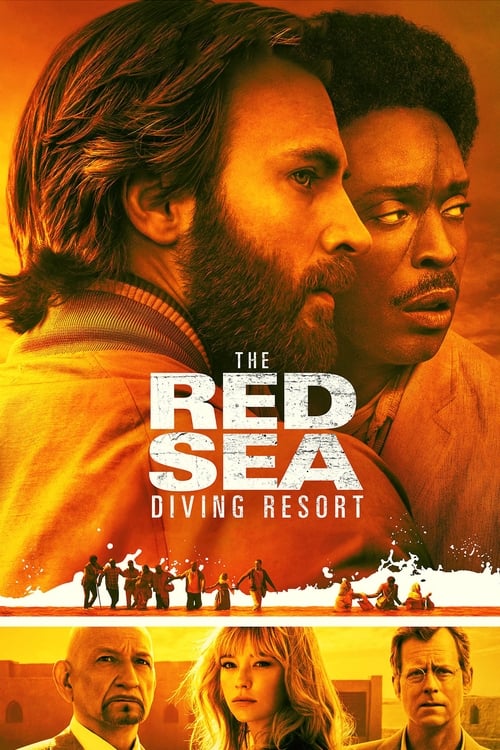
Sudan, East Africa, 1980. A team of Israeli Mossad agents plans to rescue and transfer thousands of Ethiopian Jews to Israel. To do so, and to avoid raising suspicions from the inquisitive and ruthless authorities, they establish as a cover a fake diving resort by the Red Sea.
The Red Sea Diving Resort
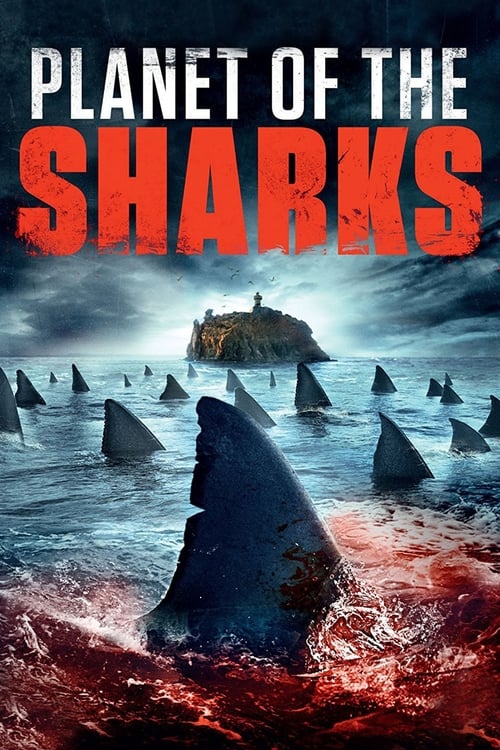
In the near future, glacial melting has covered 98% of earth's landmass. Sharks have flourished and now dominate the planet, operating as one massive school led by a mutated alpha shark.
Planet of the Sharks
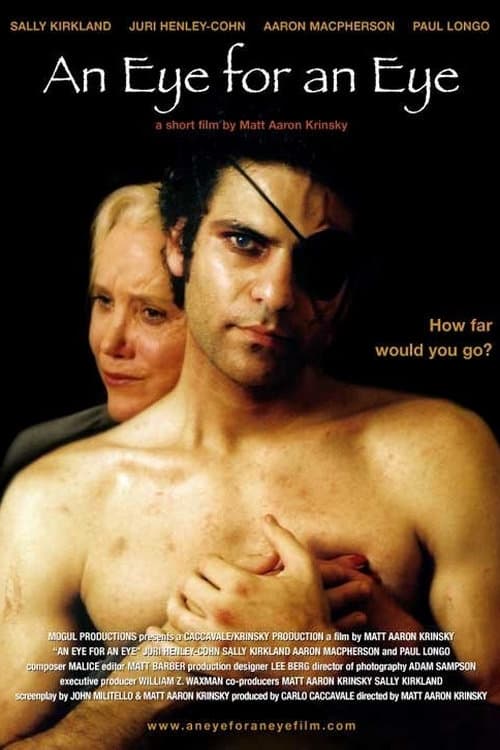
Joseph, a young gay male, finds himself the random target of a hate crime and is severely beaten. He retreats into his own world and loses all faith upon hearing that he has permanently lost sight in one eye. In a loving, albeit misguided attempt to help him reclaim his life, Joseph's mother Rachel and best friend Derrick present him with a very unexpected present for his birthday, a face-to-face encounter with his attacker and a chance for revenge.
An Eye for an Eye
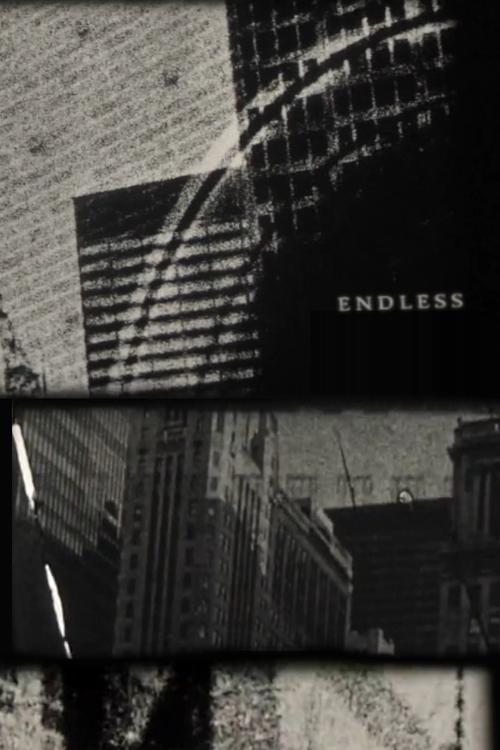
Although constructed from thousands of still images of Chicago, ENDLESS maintains a complex relationship to the photographic image. Time and space seem to compress or implode into a contradictory experience - one which is fluid, yet static, sculptural, yet two-dimensional, of the present yet of the past. The images are layered vertically, 'endless' variations of time and space unable to be contained within the fixed boundaries of the film frame.
Endless

Science Without Substance follows a hapless band of the lost through a shifting landscape as they try to figure out WHAT’S GOING ON? Movie #1 in the Sweet Dreamers Trilogy.
Science Without Substance
The Chinese Typewriter is about education and language, and the way a society is shaped by them. Exemplifies the politically committed film that defies the strict rubric of avant-garde. Barnett seems less interested in challenging traditional form than in exploding his own occidental vision. -- Gregory Solman
The Chinese Typewriter
"Untoward Ends, along with Dead End, Dead End and Endless are a kind of cross between diaries and structural films and span the main part of my career working in 16mm. These were not happy years for me and they are not happy films. They were all conceived as silent films and I was very consciously working out my ideas about visual rhythm and visual/musical form. When I had them transferred to digital I had the opportunity to see how they would work as sound films - How hard would it be to compose musical tracks for them that would complement their spirit without detracting from their purity as silent film compositions? I had lots of fun in the process and have learned a great deal from them about the interaction between the two modalities as kinds of musical expression. I will leave it to others to decide if they are successful or not." -DB
Dead End, Dead End
No description available.
Pull Out/Fallout
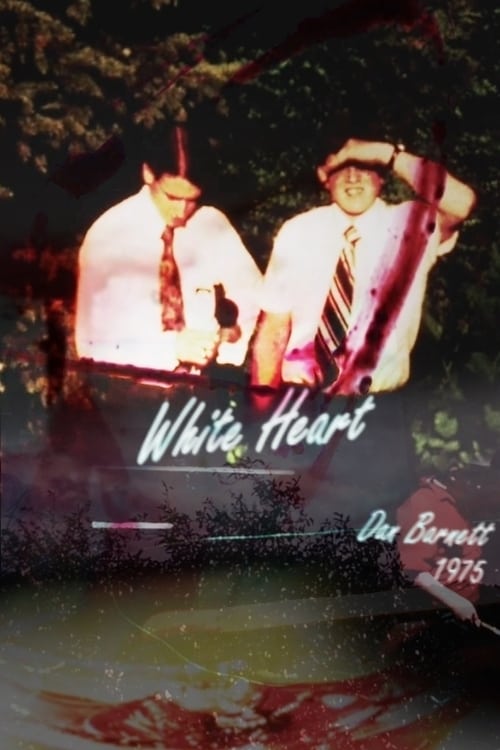
Legendary among filmmakers who have witnessed it, White Heart is a symphonic exploration of cinematic meaning that unfolds through a multi-layered, contrapuntal audio-visual montage of numerous and disparate ingredients: images of city streets, verdant forests, and ocean waves; bits of film leader and editor’s marks; oblique footage of Barnett’s colleagues Larry Gottheim and Saul Levine; an interview with two young missionaries; the sounds of classical music, typewriters, video tone, and, most centrally, a brief passage from Ludwig Wittgenstein’s Philosophical Investigations. These elements and more emerge and re-emerge like musical motifs, continuously and meticulously altered through processes like bleaching, staining, and multiple print generation, dramatically extracting the formal particularities of the Kodachrome reversal print.
White Heart

This video is about WATER WHEEL
Water Wheel
No description available.
Popular Songs
Third segment in the Sweet Dreamers Trilogy.
Either Or Neither
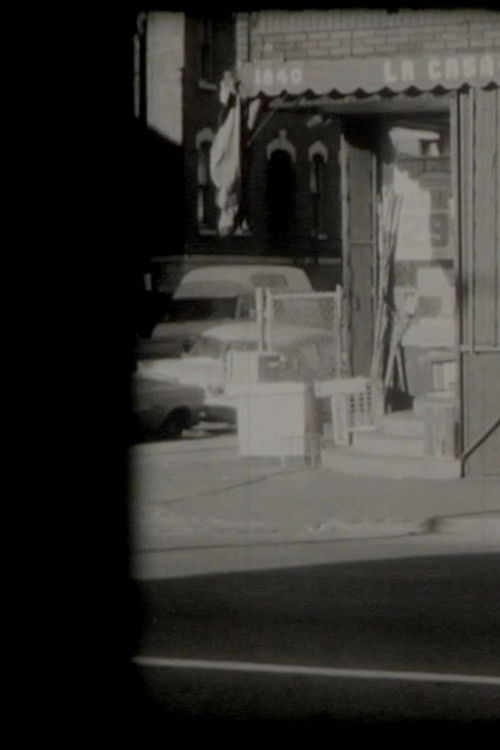
My only student film by virtue both of my having been an (extremely short lived ) graduate student, but more because I made it explicitly to learn something about perceived screen time by watching it myself over and over again to see what continued exposure would do to the sense of subjective length. –Dan Barnett
The Ogre
DEPARTURE is a film that was shot in 1976-77 during a year when I lost my job due to both cutbacks at the campus at which I taught and my involvement in the movement against them. I collected footage and imagined I would edit the film together the night I left. I was unable to do this and it took several years to finish it.
Departure

"This video is about some of the people of Burma" -DB.
Portraits and Glimpses of Life in Burma
A young girl drying her hair; a woman wringing a cloth washed in the river; a funeral in the early yellow light.
Morning Procession In Yangchow
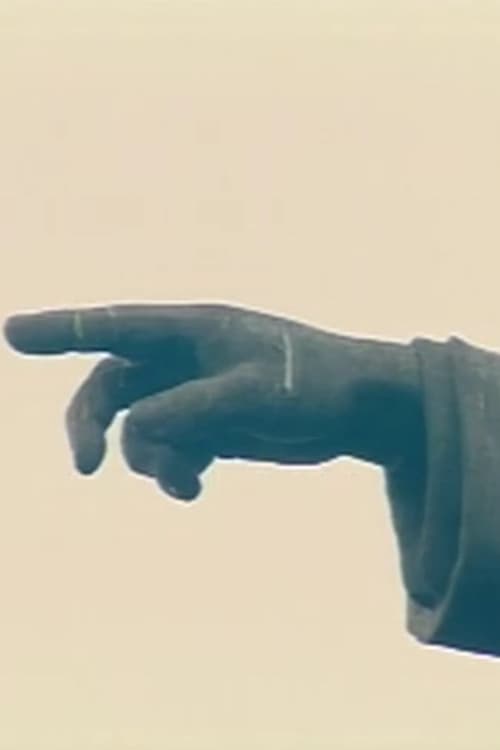
The film I made from Gary Henoch and Harlow Robinson’s footage, An Anagram is not a documentary at all, but rather a poetic essay on the impact of the sudden collapse of a belief system on a culture. It has a 17 part quasi-musical structure inspired by Dmitri Shostakovich's Preludes and Fugues that at times ignores the literal meaning of certain interviews for the fragrant affect of the language and body language; that is, certain interactions are left un-translated so that the viewer is given full and unfettered access to the musical spirit that animates the arguments and quarrels caught so delicately in the sound and images. - Daniel Barnett
An Anagram
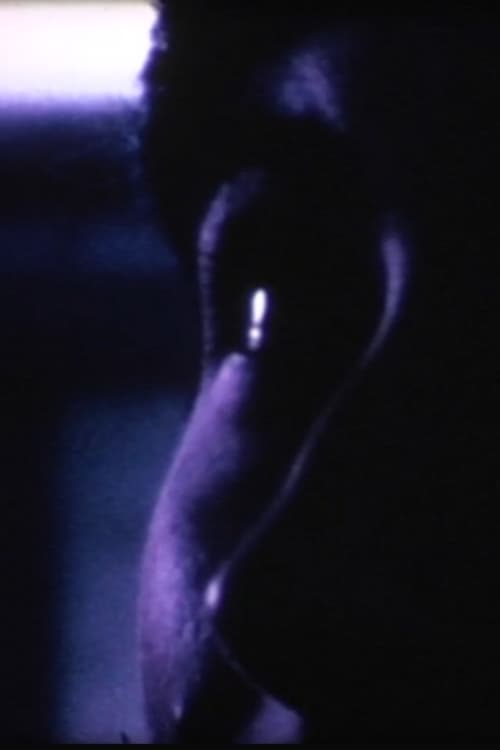
"Born in the 1960's. Died young." Boston and NYC, 1970.
The Steel Chickn
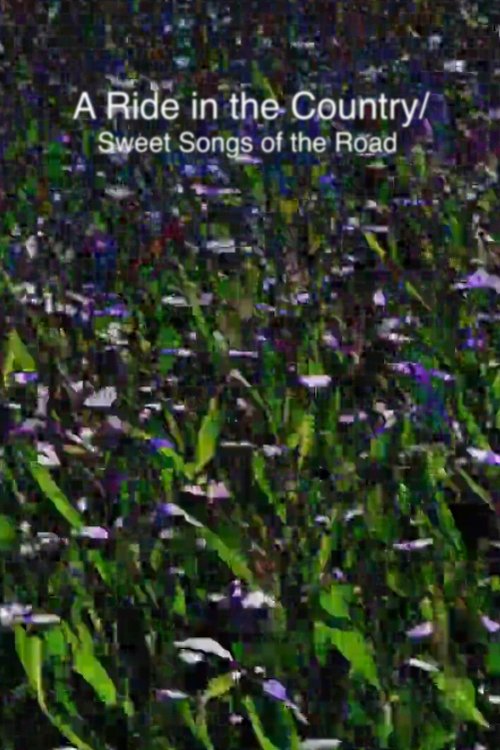
A digitally-manipulated rumination on travel, "observed" by Dan Barnett.
A Ride in the Country
The second film in the Sweet Dreamers Trilogy