Acting
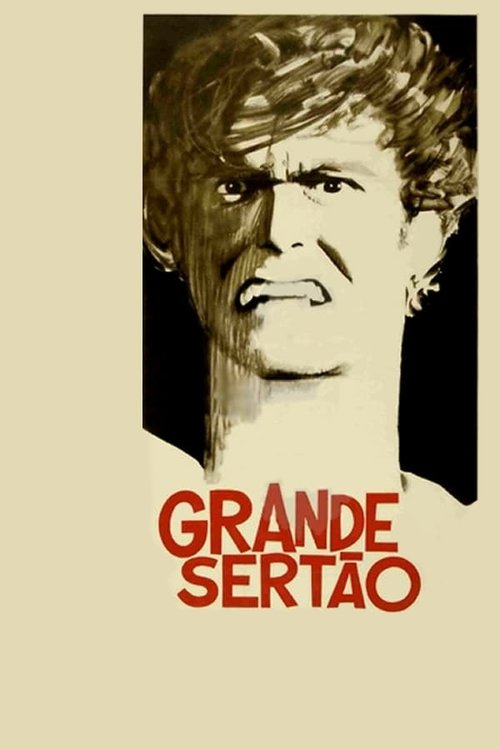
Cowboy Riobaldo is attracted to same sex Diadorim, not knowing that "he" is a girl dressed in man's clothes. After Diadorim's father is killed, she swears revenge, being joined by Riobaldo in this mission.
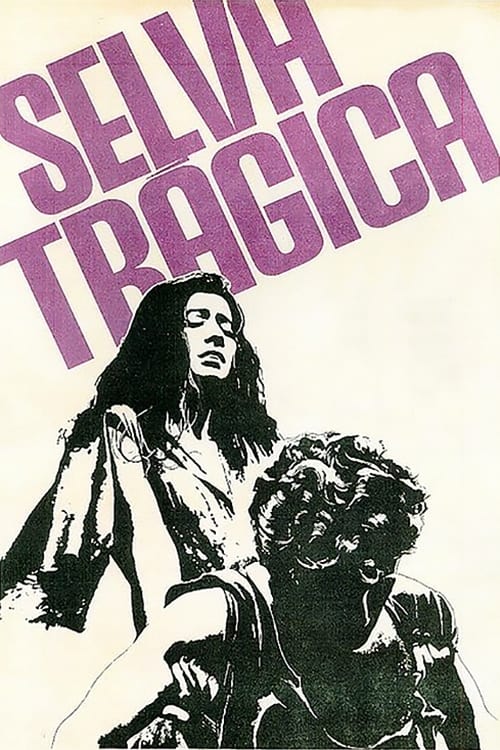
In a company trading maté, workers are treated as slaves. Some of them try to escape, but those who are caught suffer severe punishments.
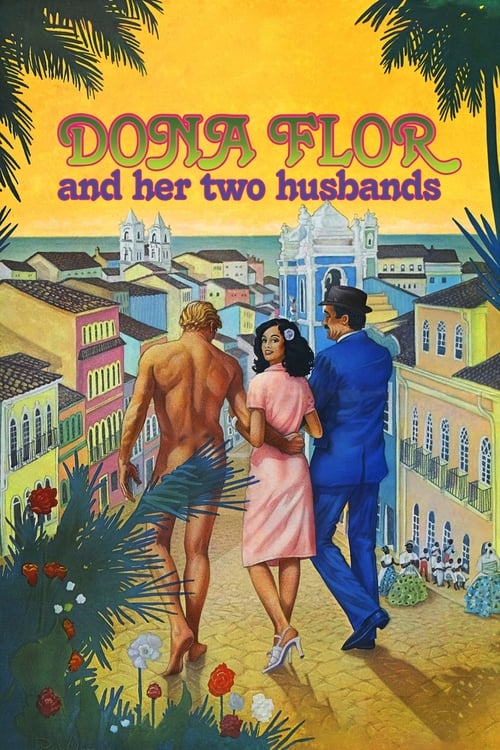
After the death of her handsome but good-for-nothing husband Vadinho, Flor, a widow, marries Dr. Teodoro, a respectable gentleman. Hilarity ensues when Vadinho's spirit returns into her life.
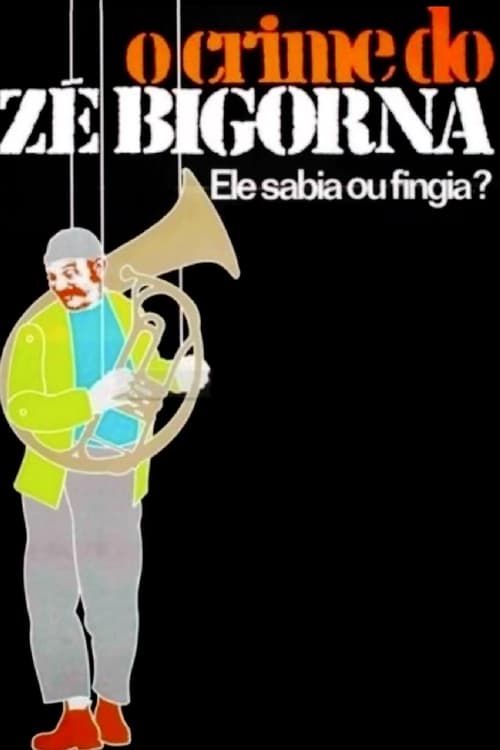
In the 1930s, a blacksmith is accused of murdering his wife and becomes a hero and political leader.
No description available.
Eldorado, a fictitious country in America, is sparkling with the internal struggle for political power. In the eye of this social convulsion, the jaded journalist Paulo Martins opposes two equally corrupt political candidates: a pseudopopulist and a conservative. In this context, Paulo is torn between the madness of the elite and the blind submission of the masses. But, in this complex tropical reality, nothing really is what it seems to be.
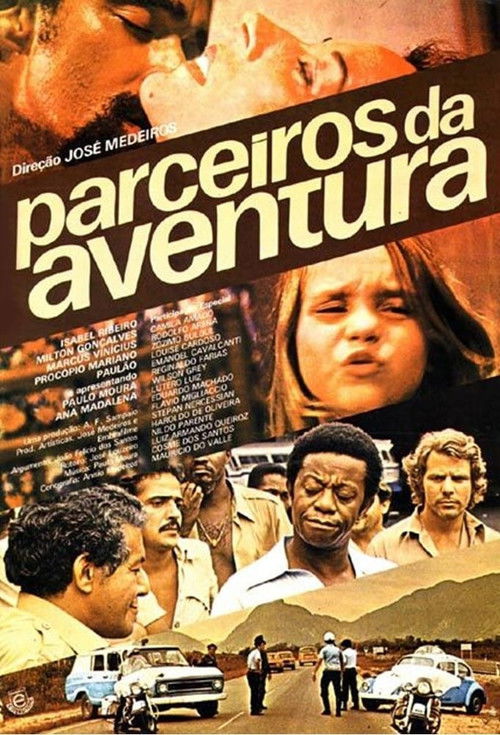
Rio de Janeiro crooks rove about, performing petty tricks to survive, and get involved with a woman who steals cars.
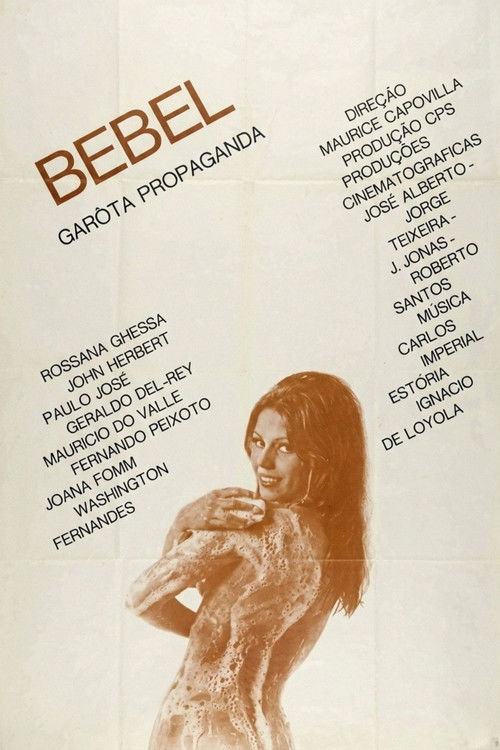
Poor and beautiful girl is hired by a sales promoter to advertise a new brand of soap. The success is immediate, but the need for a new face hinders her way to stardom.
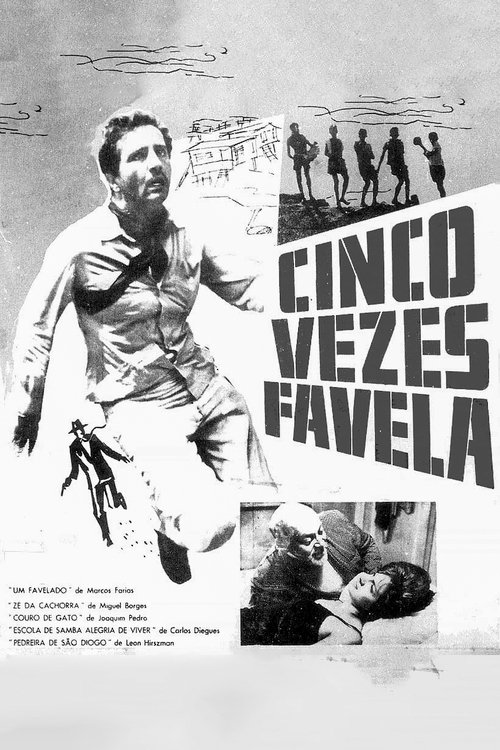
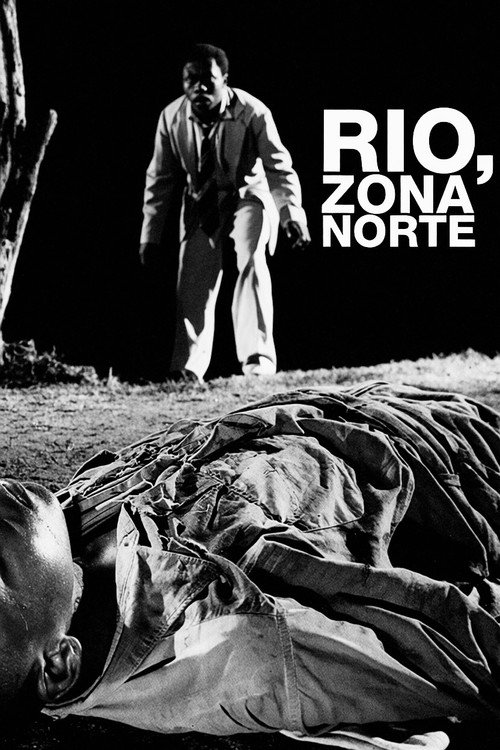
Five segments about the hardships faced by people living in slums on hills in Rio de Janeiro.
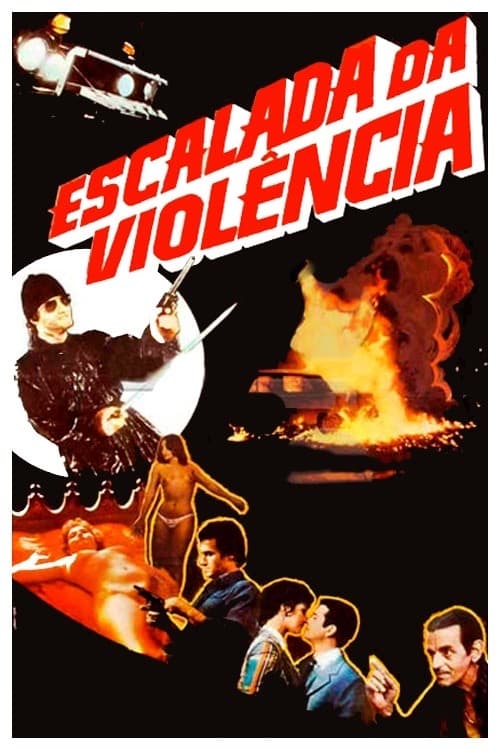
An architect has his family brutally murdered and leaves for relentless vengeance.
A talented songwriter of sambas is forced to face the social injustices of the city around him.
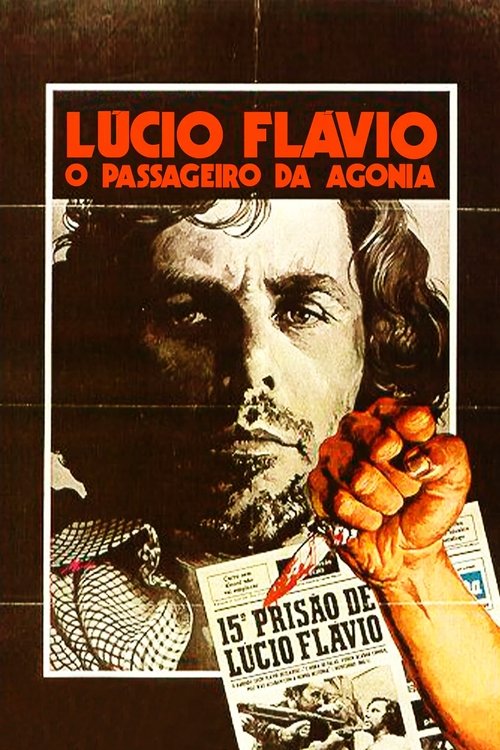
Story of Brazilian bank-robber Lúcio Flávio, who fascinated some people in Rio de Janeiro during the 1970s for his bold robberies and spectacular escapes, and also because he was thought to be intelligent and "politically aware". Before dying, he disclosed a network of corruption in Brazilian Police, and its involvement with the infamous "Death Squad" of the time, a group of policemen who went about killing criminals without giving them a fair trial.
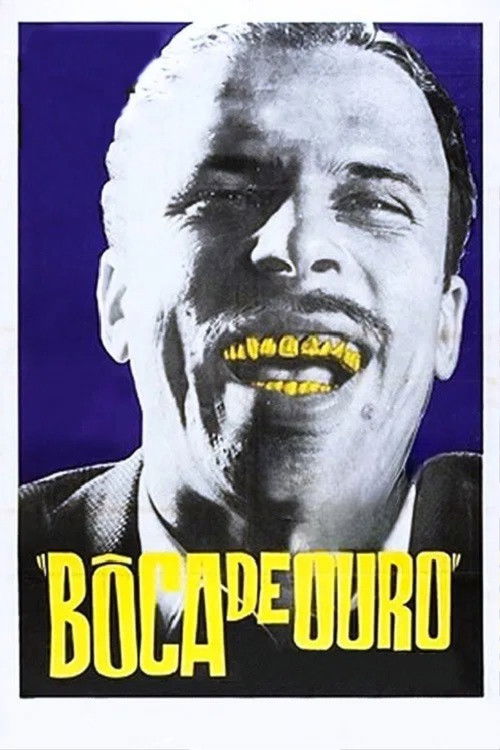
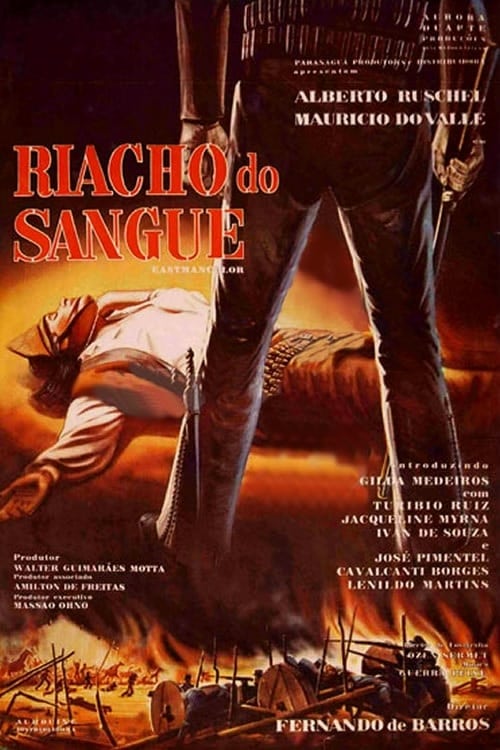
After a powerful outlaw dies, a reporter interviews his lover and gets three different stories about the legendary man.
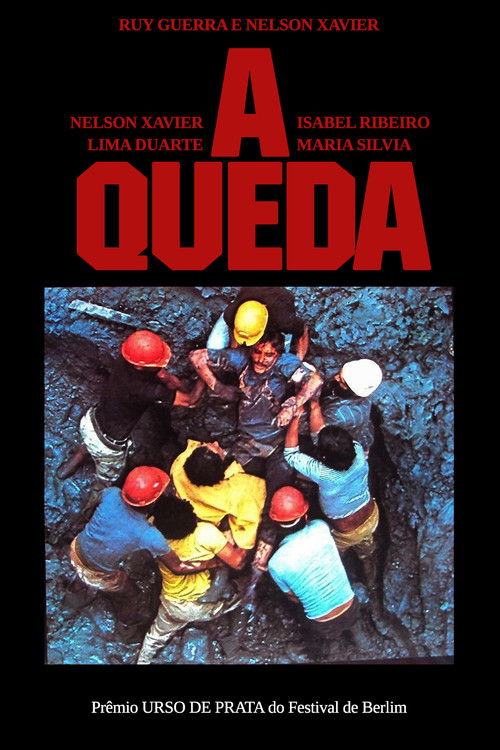
An accident at a construction site, resulting in one death, sets one worker off on a struggle for justice that exposes the mechanisms of exploitation and the class relations of a country that had undergone one decade of fast-paced ‘conservative modernisation’ at the hands of the military. As a sort of sequel to the classic The Guns (1964), following the fate of those characters as they move from enforcers of exploitation to exploited, it offers more than a snapshot of the period: the correspondent time lapses in fiction and reality capture the passage of a chunk of Brazilian history between the two films, and, therefore, also the transformations in cinematographic approaches to the social and political between the two moments. Equally daring in content and form, and in the originality of the adequacy of one to the other, it won the Silver Bear at Berlin.
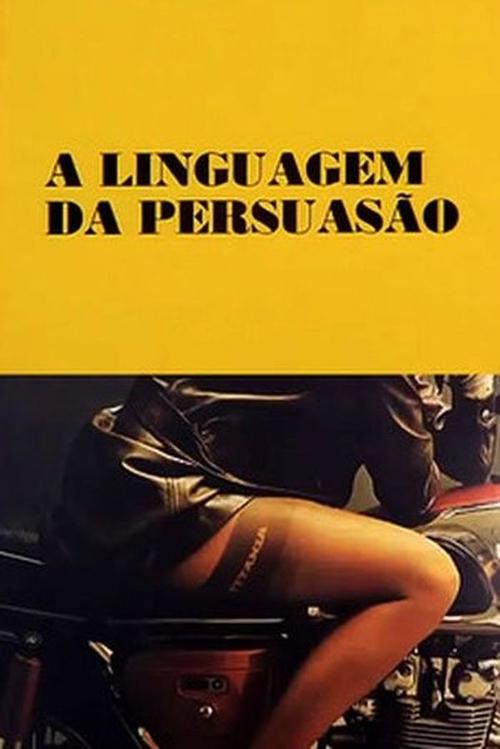
Short documentary about the ideology of publicity and mass medias.
Erotic comedy in five segments, starring the same actor, Chico Anysio: O Torneio (The Tournament), A Boca (The Mouth), O Filminho (The Short Film), A Suspeita (The Suspicion) and O Apartamento (The Apartment).
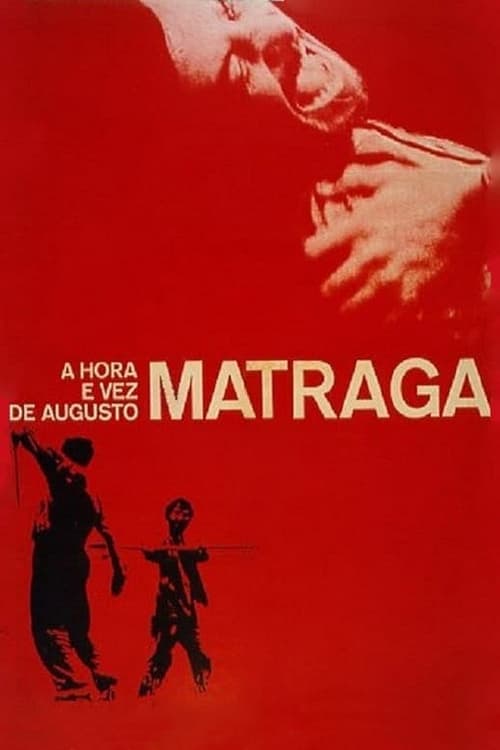
Augusto Matraga is a violent agressive farmer who, after being betrayed by his wife and trapped by several enemies, is beaten up and left for dead, being rescued by a couple of humble small farmers who nurse him for a long time until he is well again. Influenced by the couple, Matraga starts a long penitent life while waiting for his hour and chance to payback, starting a fight between his violent nature, his hidden desire of vengeance and the mysticism and goodness which is also part of him.
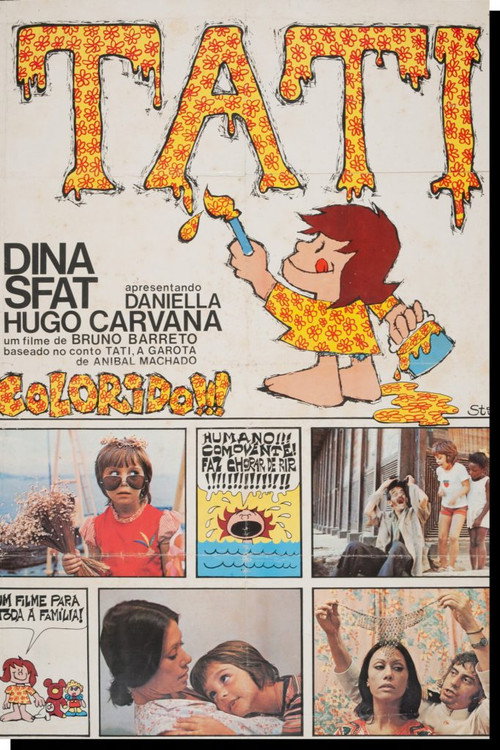
The seamstress Manuela, Tati's single mother, moves from the suburbs to Copacabana but faces severe financial difficulties. A friend of Manuela's sometimes fills in for Tati's father, giving the girl temporary happiness.