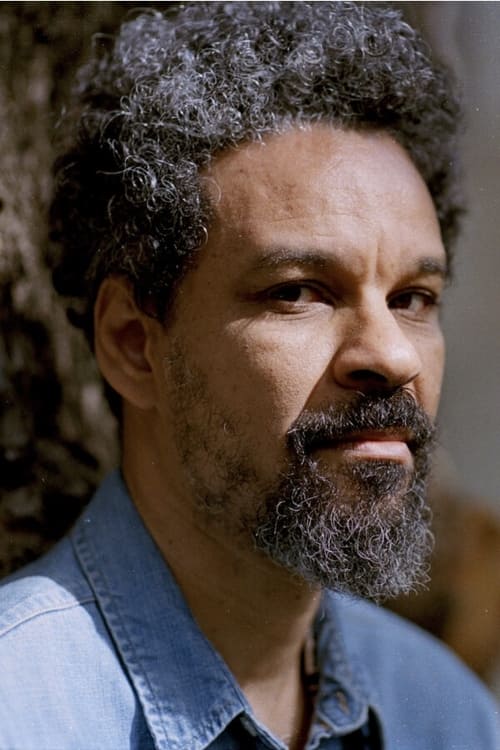
Quito Ribeiro
Editing
Known For

In this realistic and touching series told in an innovative format, seemingly independent plots intertwine to show how justice can sometimes be a personal matter.
Above Justice
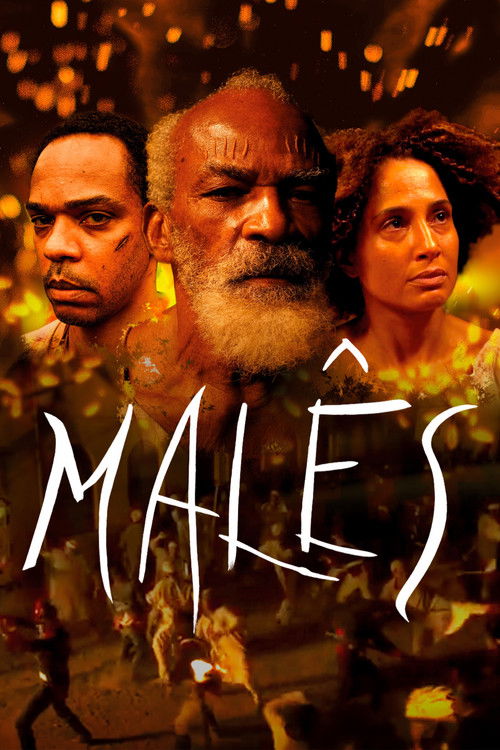
Based on historical facts, the film portrays the largest slave rebellion in Brazilian history, the Malê Revolt. The uprising mobilized the black population in the streets of Salvador against slavery in 1835. After the failure of the revolt, the protesters were harshly punished and repression against black people in Brazil increased.
Malês
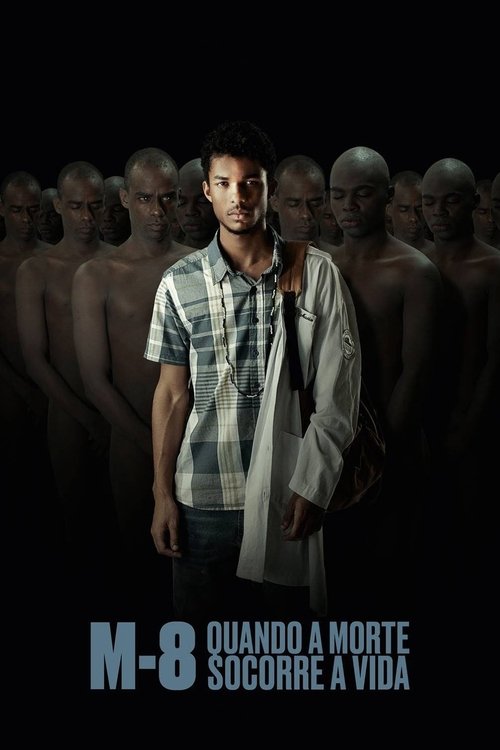
When Maurício becomes a student at a top medical school, he becomes obsessed with a mystery linked to the dead bodies used for dissection.
M8 - When Death Rescues Life
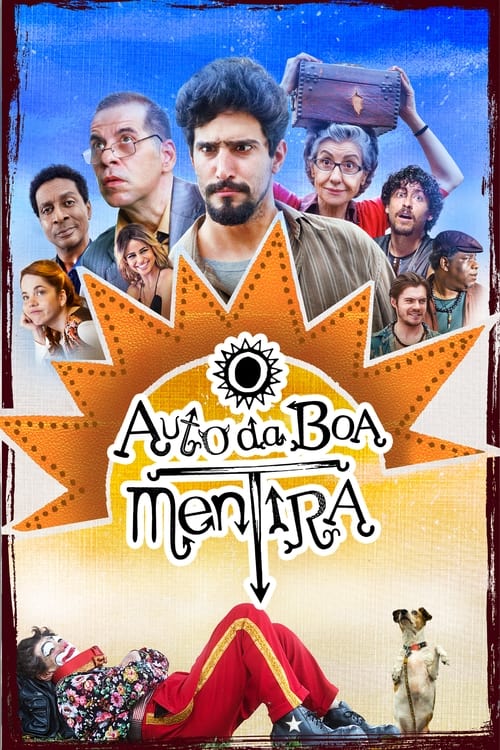
In four stories inspired by humorous tales by Ariano Suassuna, each created based on phrases by the poet from Paraíba, we meet Helder, Fabiano, Pierce and Lorena, living different situations where, ironically, the lie is always the protagonist.
O Auto da Boa Mentira
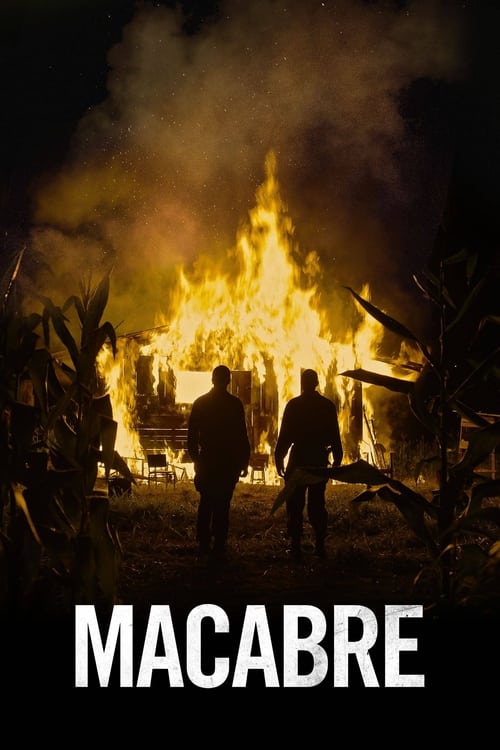
In the 1990s, two brothers were accused of murdering eight women, one man and one child in the Serra dos Órgãos region. In the eyes of the suspects, Sergeant Téo realizes that the trial of the press, police and local society is fundamentally racist, and begins to have doubts about the conviction of one of them. Based on a true story, the film is a work of fiction about the famous case of the "Necrophil Brothers."
Macabre

Nando and Erika, two young people in their twenties, meet several times without noticing. The story of the subculture of electronic music and rave parties and drugs like MDMA.
Artificial Paradises

Biopic of Brazilian singer Tim Maia, from his childhood in Rio de Janeiro until his death at age 55, including his passage by the US, where he discovers a new style of music and is arrested for theft and drug possession.
Tim Maia
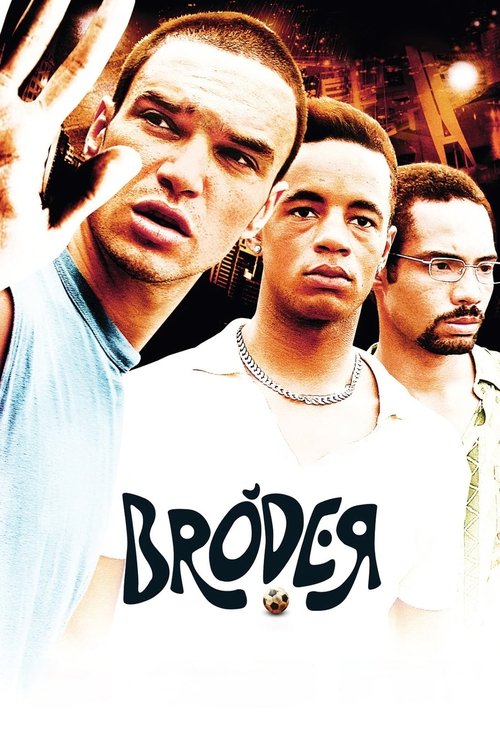
Three childhood friends plan meeting for a day in order to reassert their friendships and fight for their differences. One of them is involved with crime, one is a famous football player and the other struggles to maintain a middle-class lifestyle.
Bróder

Dona Lurdes is a mother and housewife who is suffering from empty nest syndrome when her last child leaves home. To escape her loneliness, she goes in search of new ways to fill her days and her life. Due to her thirst for new things, Dona Lurdes will live new experiences, build friendships and new love.
Dona Lurdes: O Filme

An ambitious law student who hates music needs to make a perfect plan to get hired at the office she interns at – until she meets a charming singer who shakes her life. While she's living her first love, she needs to face her own past and decide what's more important: do what she loves or learn to love what she does.
An Unforgettable Year - Autumn
Luzimar cycles each day to and from work at the local cotton mill in his hometown of Cataguases, Minas Gerais, Brazil. He is a hard-working man, trying to make the most of what he has. One day, his childhood friend Gildo reappears, driving a fancy car and boasting of his successful life in São Bernardo do Campo, São Paulo. As the two sit down for a beer, memories, regrets and old resentments slowly resurface.
Whirlpool

Luiz Mario, a São Paulo night-club impresario and a classic "bon vivant", is also an avid collector of love affairs. He is surrounded by all types of women, with whom he has torrid flings, but he is never able to emotionally involve himself. Until one day, while passing by Rio de Janeiro, he falls head-over-heels for the carioca Malu, who practically runs him over on her bike while riding down Leblon's beach bike path. The couple's fervent romance is abruptly thrown into disarray when an enigmatic love letter is discovered. From then on, the story between the two lovers is turned upside-down. Luiz Mario is consumed by jealousy and his emotions slowly seep into his relationship, destroying everything.
Malu de Bicicleta

The project '5 x slum, now by ourselves' gathered over 80 young people from Rio's favelas (slums), selected through workshops, script and filmmaking techniques to create a feature film consisting of five stories that reflect different facets of the daily lives of residents of these communities - with the promise of escape stereotypical representations.
5x Favela, Now by Ourselves
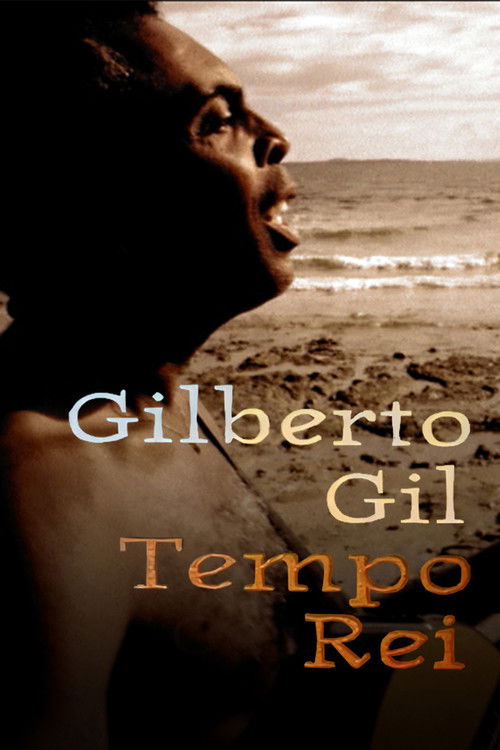
Tempo Rei is the first audiovisual record of Gilberto Gil's vast work, celebrating the artist's thirty-year career, celebrated in 1996. Gil recalls his artistic trajectory, recalls striking facts and reveals some intimacies. Completely filmed on film, it includes great successes of the artist like Madalena, Cores Vivas, Vamos Fugir, Procissão and Expresso 2222.
Gilberto Gil: Tempo Rei
The documentary narrates the trajectory of Waldick Soriano, from the time he was a gold miner to his consecration as one of the icons of Brazilian music.
Waldick, Sempre no Meu Coração
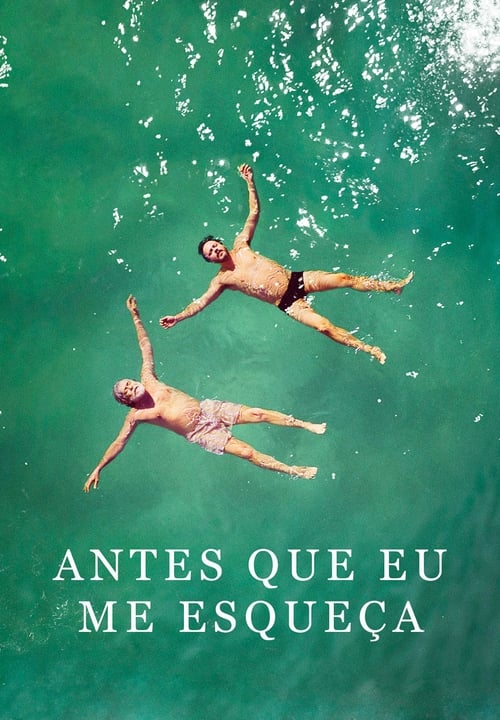
At 80, Polidoro decides to demolish the stability of his comfortable life as a retired judge and become owner of a strip club.
Antes Que Eu Me Esqueça
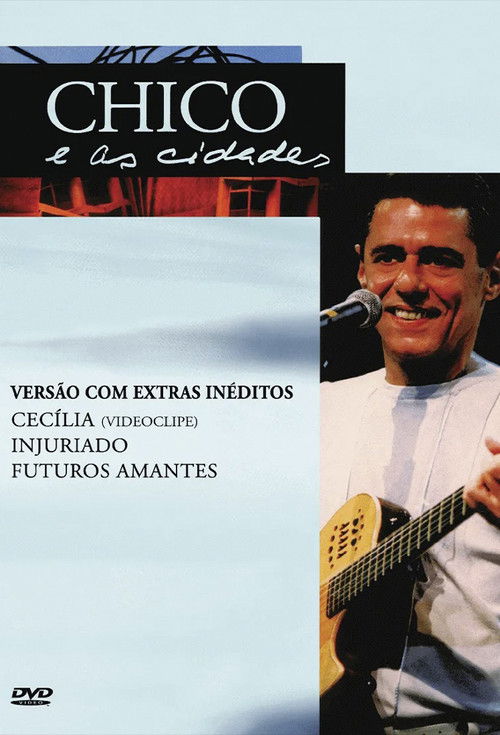
The documentary "Chico e as Cidades" was directed by José Henrique Fonseca in 2001 and re-released by Biscoito Fino in June 2009 with three previously unreleased extras: Cecília's music video and takes of the songs "Injuriado" and "Futures Amantes." The DVD was made from the show "As Cidades" – premiered by Chico in 1999, based on the repertoire from the album of the same name. However, far from being a video version of the show, it is a documentary that covers various themes from the composer's life and work, as well as special appearances by Maria Bethânia, Jamelão, Oscar Niemeyer, Tostão, and the Velha Guarda da Mangueira.
Chico e as Cidades

The film is set in Morro do Vidigal, one of the most famous favelas in Rio de Janeiro. Rita needs to give her son Léo a party that means a lot to her. But on the day of the party, she discovers that all the money for the event, which she had been saving for months, was stolen by Dudu. From this disappointment, Rita, who works at the beach, needs to race against time to make Léo's party possible and save Dudu's life. To do this, she will need the help of her friends.
A Festa de Léo
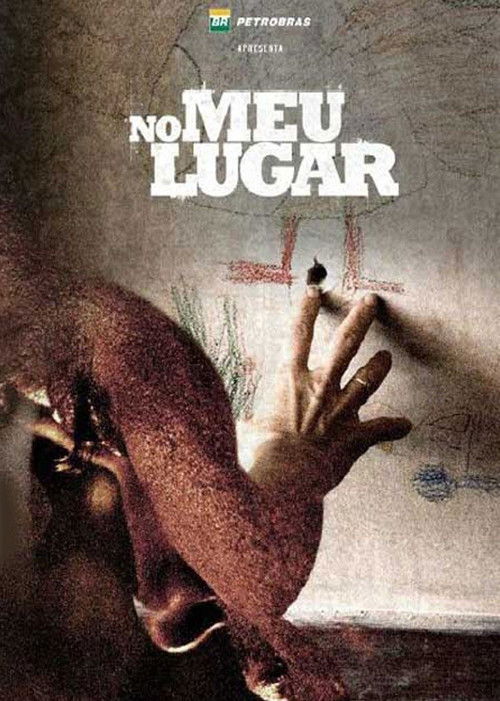
The story of a burglary and its tragic aftereffects.
Eye of the Storm
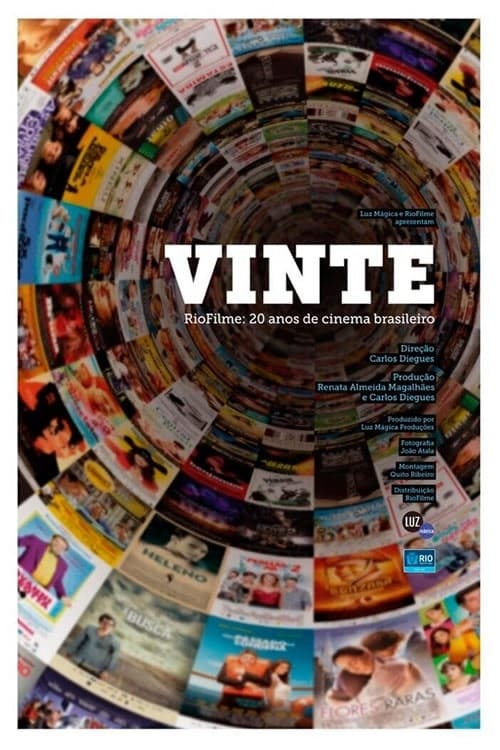
The documentary VINTE - RioFilme, 20 anos de cinema brasileiro is a celebration of these two decades of Brazilian cinema, revealing the role of RioFilme in its recent history. Created in late 1992, shortly after the impeachment of Fernando Collor and shortly before the Audiovisual Law, RioFilme is the daughter of our democratic consolidation and the mother of the recovery, which contributed to and often inaugurated different phases of Brazilian cinema, until the current strengthening of its economy and the multiplication of the diversity of its films.