Acting
Tatort is a long-running German/Austrian/Swiss crime television series set in various parts of these countries. The show is broadcast on the channels of ARD in Germany, ORF in Austria and SF1 in Switzerland.
Der Bergdoktor is a German-Austrian medical drama television series, broadcast in 96 episodes between 1992 and 1997.
Der Fahnder is a German television krimi series which was aired between 1984 and 2005. In the Netherlands the series was broadcast by the VARA from 3 October 1985.
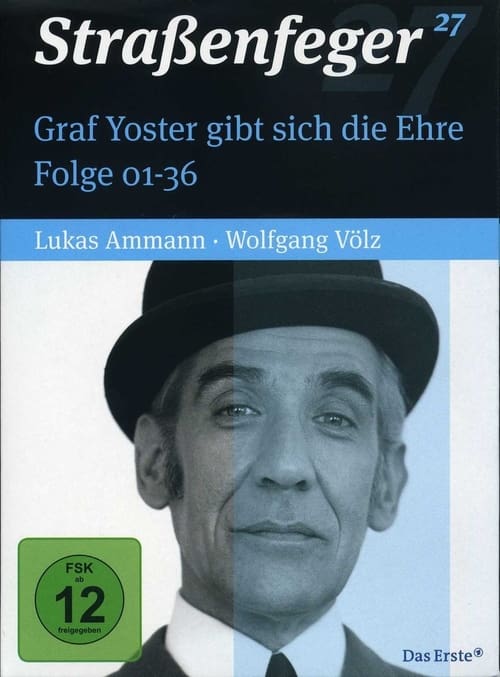
Graf Yoster gibt sich die Ehre [French title: Le comte Yoster a bien l'honneur] is a TV series which followed the adventures of the title’s amateur gentleman detective. It was a success in particular in Germany and in France. Originally the show was a German production in black-and-white but it evolved into a European co-production in colour.
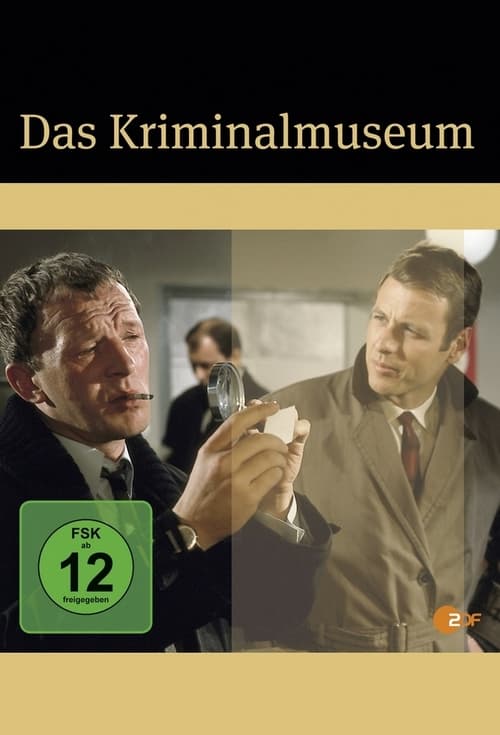
Das Kriminalmuseum was a German television series. It ran from 1963 to 1970 on ZDF and was one of its first programs. Each episode began with a tracking shot through an unspecified crime museum, stopping at one of the displays, whose story was then told. Each episode was between 60 and 75 minutes long and featured different actors as the criminal commissioner. The best known was Erik Ode, who in 1969 moved to Der Kommissar, appearing in 97 episodes. The theme music of the series was written by German composer Martin Böttcher, who also composed the complete scores for five episodes.
Molière pour rire et pour pleurer recounts the life of Jean‑Baptiste Poquelin, from his childhood in an artisan family to his rise as Molière, a central figure of French theatre. The series shows his difficult decision to abandon the family trade and join Madeleine Béjart to found L’Illustre Théâtre, marked by debts and repeated setbacks. While touring the provinces, he shapes his style and discovers the power of comedy. Back in Paris, he makes a name for himself with Les Précieuses ridicules, but his sharp satires provoke fierce opposition, especially during the Tartuffe scandal. Supported by Louis XIV, he continues despite attacks, literary rivalries, and tensions within his troupe, particularly with Armande Béjart. The miniseries also follows his growing exhaustion, his determination to perform at any cost, and his final breath after Le Malade imaginaire, the ultimate symbol of an artist who lived — and died — for the stage.
No description available.
Anwalt Abel is a German television film series, broadcast on ZDF between 1988 and 2002. 20 television films were produced, based on the detective novels of Fred Breinersdorfer.
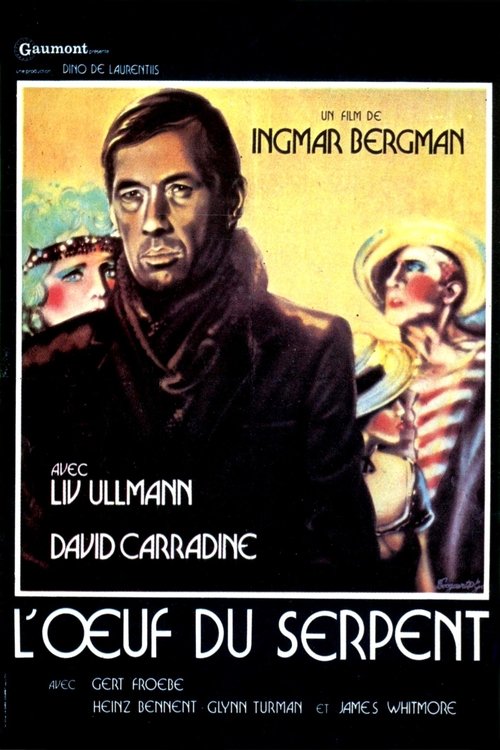
In 1923 Berlin, following the suicide of his brother, an American acrobat struggles to survive while facing unemployment, depression, alcoholism, and the social decay of Germany during the Weimar Republic.
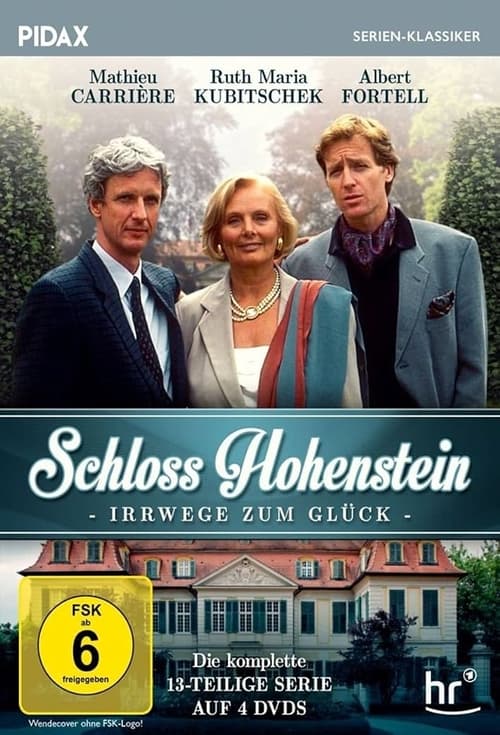
After the tragic loss of her mother, the medical student Christine Berger takes a job as a supervisor for the young Countess Leonore von Hohenstein, who suffers from a heart disease. Leonore's husband Gregor and Christine are drawn to each other from the first moment, but both are aware of the impossibility of their love and try to suppress their feelings.
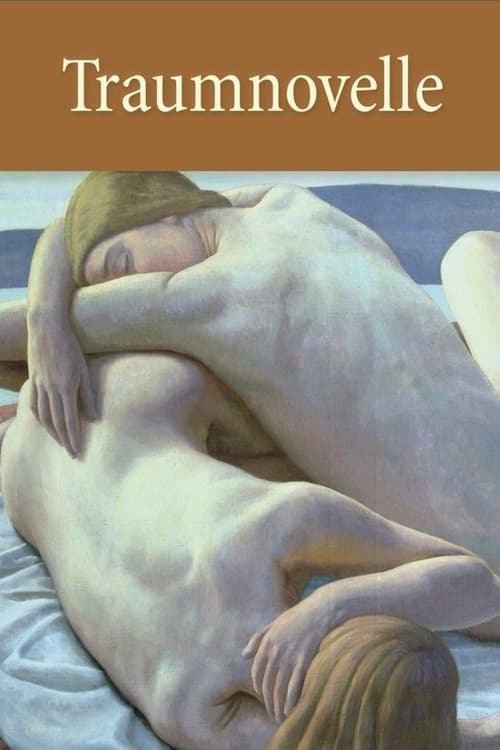
After a frank confession by his wife, a doctor is called to see a dying patient. The cause of the night brings him to meet an old friend, a pianist, who tells him of a mysterious ball where he is due to perform. Based on the book "Traumnovelle" ("Rhapsody: A Dream Novel") by Arthur Schnitzler, which was the inspiration for the film Eyes Wide Shut (1999).
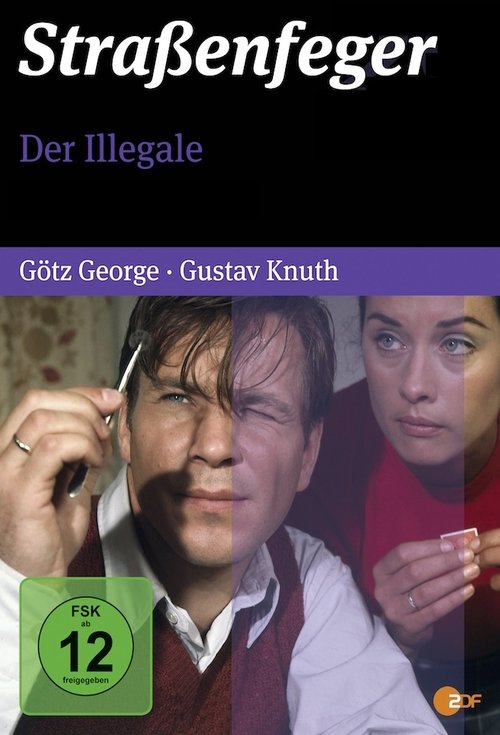
Set against the backdrop of post-war Germany, Der Illegale follows the story of a young man named Stefan who, after being arrested for deserting the army, finds himself in the country’s illegal labor market. As he attempts to start a new life, he faces not only the challenges of survival but also a world where trust is rare, and every action carries immense risks. Through Stefan's journey, the film explores themes of power, survival, and the lengths one will go to in order to escape the clutches of an unforgiving system. The Illegal is a gritty and realistic look at the underbelly of life in a divided Germany during a time of political tension and social upheaval.
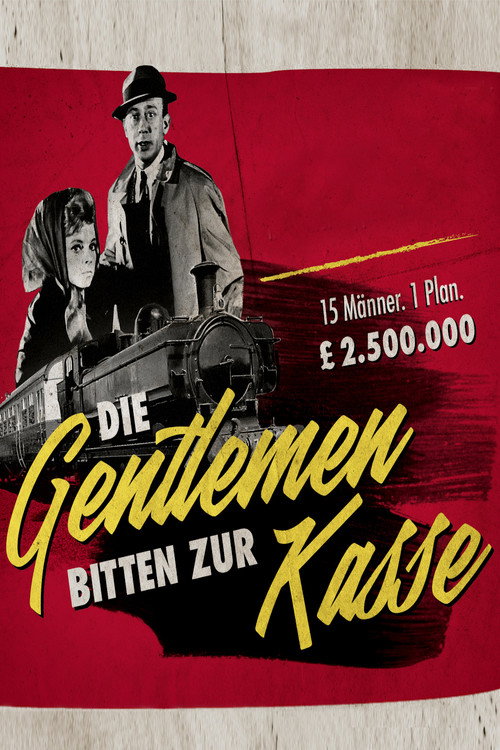
A story of the famous British train robbery from the 1960s, told from the view of the robbers.
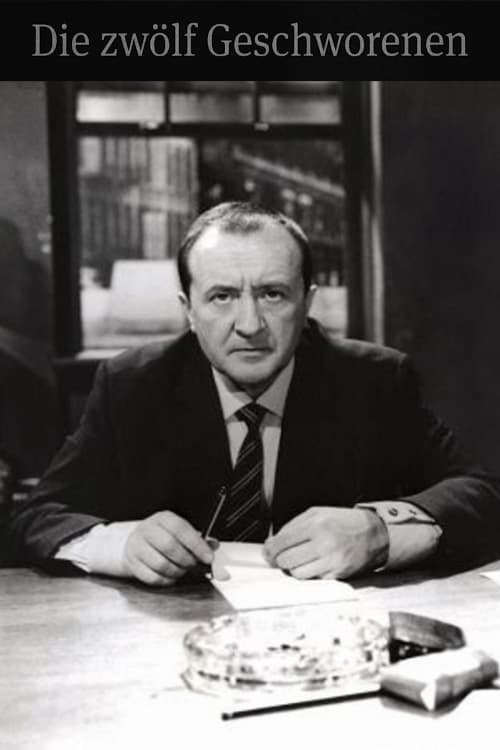
Did an 18-year-old immigrant from the slums murder his father in cold blood? The twelve jurors must find a unanimous verdict.
'Please help me!' the young GDR refugee begs the passengers of the interzonal train 'D 106'. He has just jumped on the night train during an unforeseen stop - to get to the west as quickly as possible. He can't go back, and in less than an hour they reach the German-German border - without stopping. The passengers meanwhile begin to ask themselves serious questions: Am I helping the young man and risking my own safety? Or is that too dangerous for me? While people are racking their brains, not only is the train racing away, but time is too ...
The rich and respected London doctor Roger Mills has invited six of his best friends onto his boat on the Thames - he won't survive the trip.
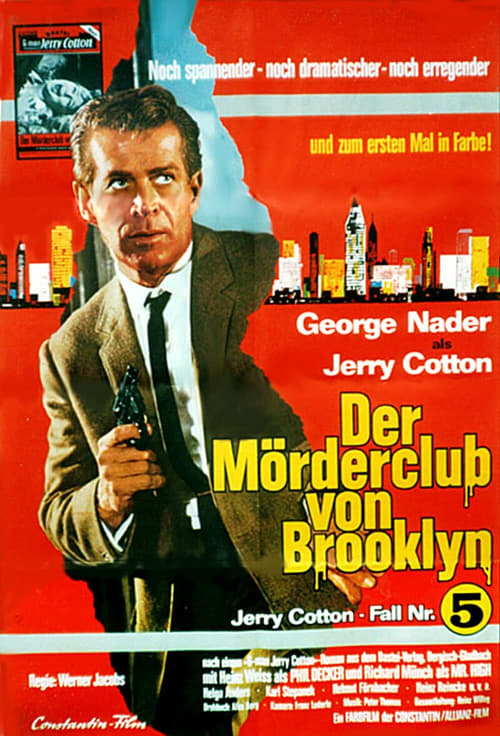
Fifth Jerry Cotton Movie. A rich capitalist is blackmailed and threatened with the murder of his daughter.