FEEL IT.STREAM
Man Ray

Man Ray

Directing

Biography

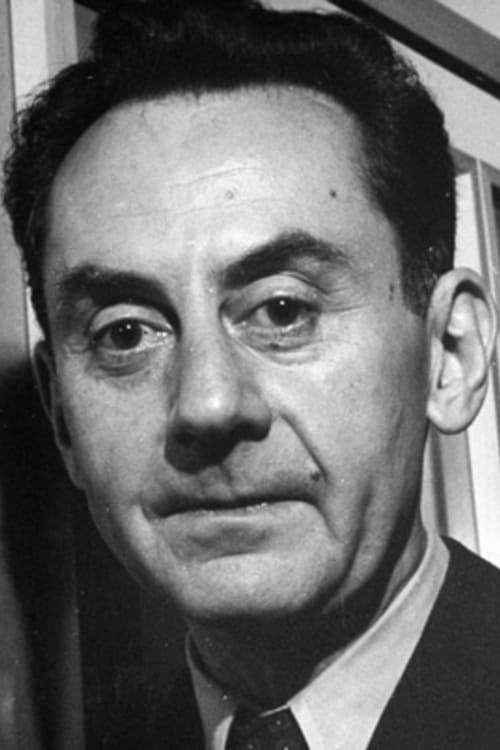
Man Ray (born Emmanuel Radnitzky, August 27, 1890 – November 18, 1976) was an American modernist artist who spent most of his career in Paris, France. He was a significant contributor to the Dada and Surrealist movements, although his ties to each were informal. He produced major works in a variety of media but considered himself a painter above all. He was best known in the art world for his avant garde photography, and he was a renowned fashion and portrait photographer. Ray is also noted for his work with photograms, which he called "rayographs" in reference to himself.
Known For

No image
9.0

Produced for television by Claude-Jean Philippe, the « Encyclopédie audiovisuelle du cinéma », recounts the history of French cinema from its birth to the beginning of the 1960s. With commentary read by Jean Rochefort.

Encyclopédie audiovisuelle du cinéma

1978
Pandora and the Flying Dutchman
6.7

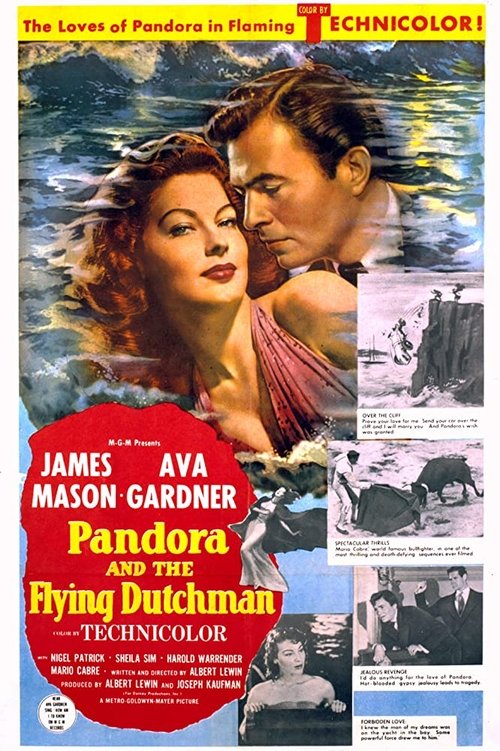
Pandora Reynolds is a woman who has never fallen in love – but one who men kill and die for. When she meets dashing and mysterious ship's captain Hendrik van der Zee, he pushes her to commit the ultimate act of love.

Pandora and the Flying Dutchman

1951
Entr'acte
7.0

Stop-motion photography blends with extreme slow-motion in Clair's first and most 'dada' film, composed of a series of zany, interconnected scenes. We witness a rooftop chess match between Marcel Duchamp and Man Ray, a hearse pulled by a camel (and chased by its pallbearers) and a dizzying roller coaster finale. A film of contradictions and agreements.

Entr'acte

1924
Cinema of the avant-garde 1923 - 1930
N/A

Thematic anthology of : Le retour a la Maison (1923) by Man Ray; Emak-Bakia (1926) by Man Ray; L'Etoile de Mer (1928) by Man Ray; Les Mysteres Du Chateau de Dé (1929) by Man Ray; Rhythmus 21 (1921) by Hans Richter; Vormittagsspuk (1928) by Hans Richter; Anemic Cinema (1926) by Marcel Duchamp; Ballet Mecanique (1924) by Fernand Léger; Le Tempestaire (1947) by Jean Epstein; Romance Sentimentale (1930) by Grigori Aleksandrov and Sergei M. Eisenstein; La Coquille et le Clergyman (1928) by Germaine Dulac; Regen (Rain) (1929) by Joris Ivens and Mannus Franken

Cinema of the avant-garde 1923 - 1930

2010
Emak-Bakia
6.8

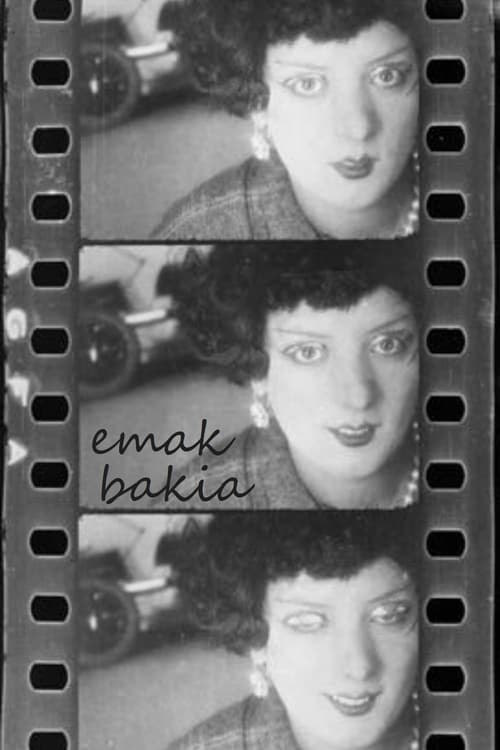
Emak-Bakia (Basque for Leave me alone) is a 1926 film directed by Man Ray. Subtitled as a cinépoéme, it features many techniques Man Ray used in his still photography (for which he is better known), including Rayographs, double exposure, soft focus and ambiguous features. The film features sculptures by Pablo Picasso, and some of Man Ray's mathematical objects both still and animated using a stop motion technique.

Emak-Bakia

1926
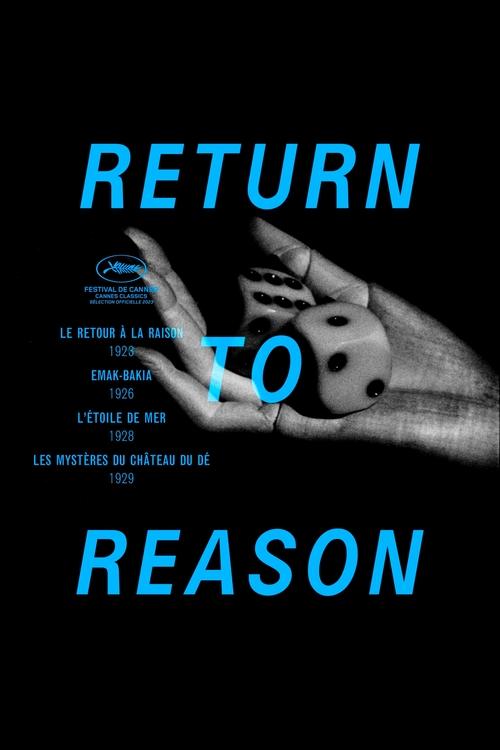
Return to Reason: Four Films by Man Ray
6.3

An immersion into the surreal and dreamlike world of painter, photographer and filmmaker Man Ray (1890-1976), one of the most prolific American visual artists, through four of his short films, brought to life by the atmospheric music of SQÜRL.

Return to Reason: Four Films by Man Ray

2024
Ballet Mécanique
6.5

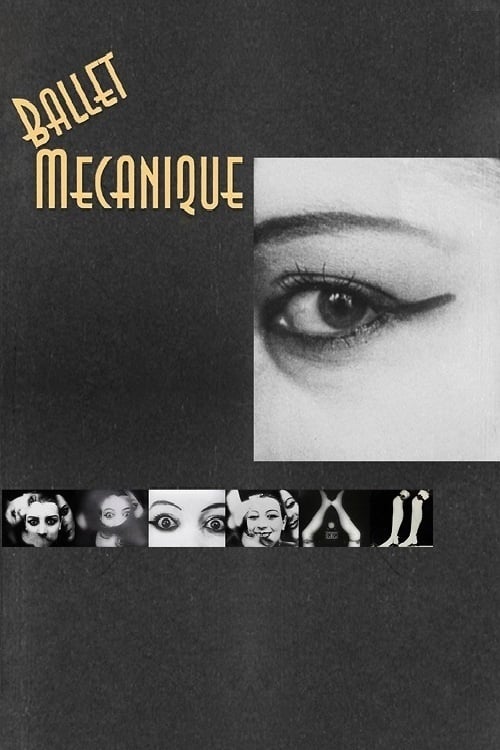
Ballet Mécanique is a Dadaist, post-Cubist art film conceived, written, and co-directed by the artist Fernand Léger in collaboration with the filmmaker Dudley Murphy. It has a musical score by the American composer George Antheil.

Ballet Mécanique

1924
Self-Portrait or What We All Miss
5.0

Mix of surrealist images of bubbles and smoke with some documentation of the world lived by Man Ray and Lee Miller.

Self-Portrait or What We All Miss

1930
Anemic Cinema
6.2

A spiral design spins. It's replaced by a spinning disk. These two continue in perfect alternation until the end: a spiral design, a disk. Each disk is labelled and can be read as it rotates. The messages, in French, feature puns and whimsical rhymes and alliteration. The final message comments on the spiral motif itself.

Anemic Cinema

1926
Return to Reason
6.3

Experimental film, white specks and shapes gyrating over a black background, the light-striped torso of Kiki of Montparnasse (Alice Prin), a gyrating eggcrate. One of the first Dadaist films.

Return to Reason

1923
Dreams That Money Can Buy
6.0

An attempt to bring the work of surrealist artists to a wider public. The plot is that of an average Joe who can conjure up dreams that will improve his customer's lives. This frame story serves as a link between several avant-garde sequences created by leading visual artists of their day, most of whom were emigres to the US during WWII.

Dreams That Money Can Buy

1947
No image
7.0

A look at Paris in 1928 in black and white and then color sequences filmed in the same places in 1959.

Paris la belle

1960
8 x 8: A Chess-Sonata in 8 Movements
6.2

8 x 8: A Chess-Sonata in 8 Movements is an American experimental film directed by Hans Richter, Marcel Duchamp, and Jean Cocteau. Described by Richter as "part Freud, part Lewis Carroll" and filmed partially on the lawn of Duchamp's summer house in Southbury, Connecticut.

8 x 8: A Chess-Sonata in 8 Movements

1957
Man Ray: Prophet of the Avant-Garde
7.0

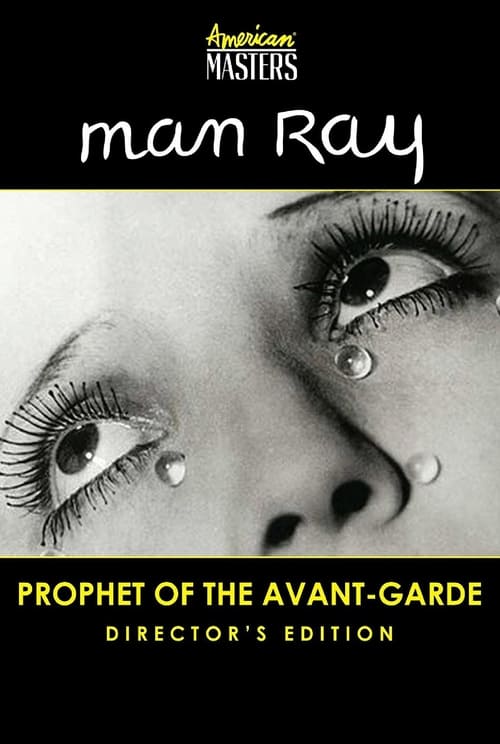
Man Ray, the master of experimental and fashion photography was also a painter, a filmmaker, a poet, an essayist, a philosopher, and a leader of American modernism. Known for documenting the cultural elite living in France, Man Ray spent much of his time fighting the formal constraints of the visual arts. Ray’s life and art were always provocative, engaging, and challenging.

Man Ray: Prophet of the Avant-Garde

1997
The Starfish
6.9

The romantic relationship between a man and a woman.

The Starfish

1928
Iconoclast
8.5

Boyd Rice may well be the only person alive who's been on a first name basis with both Charles Manson and Marilyn Manson. His career has spanned more than three decades, during which time he has remained at the epicenter of underground culture and controversy.

Iconoclast

2010
The Mysteries of the Chateau of Dice
6.6

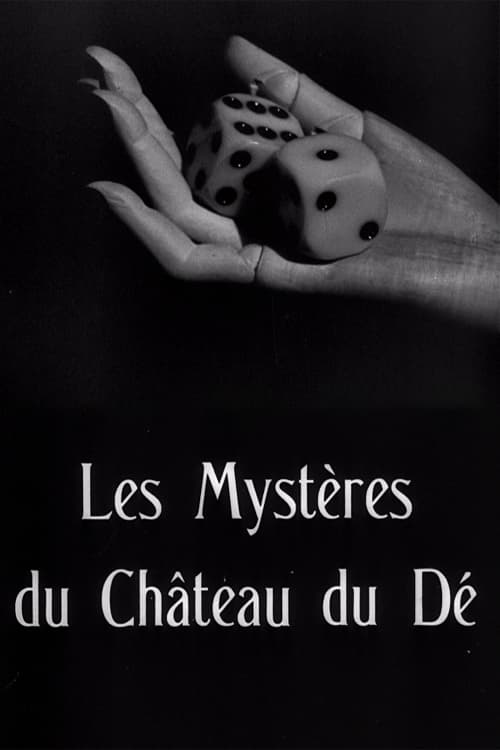
Mannequin hands hold a pair of dice. A castle is perched on a hilltop. Below it, a posh, modern villa. Meanwhile, far from Paris, two men with masked faces play dice in a bar. They decide to drive to Paris. Country roads, hills, fences. The posh "chateau" appears again: meticulous garden, fancy interior, odd sculptures. And at home? "No one, NO ONE." For the next two days, masked figures play dice, frolic by the pool, perform exercises with a ball. Two new figures arrive. Masked. They search and find the dice. They dance. Mannequin hands hold a pair of dice.

The Mysteries of the Chateau of Dice

1929
The Truth about Black Dahlia
7.3

The unexplained deaths of Elizabeth Short, a.k.a "The Black Dahlia", in 1947 and of Geneva Hilliker Ellroy in 1958, had a profound impact on the psyche of James Ellroy, today's greatest crime writer. Steve Hodel, a retired LAPD cop, reveals everything about Georges Hodel, his own father as well as the perpetratror of those two unsolved murders, the most notorious ones in 20th century America. Steve Hodel retraces this amazing investigation in which genius and horror, Hollywood and the Marquis de Sade, incest and surgery, are blended into the grimmest of scenarios.

The Truth about Black Dahlia

2007
Lee Miller: Through the Mirror
5.5

Biographical documentary of Lee Miller (aka Elizabeth Miller, 1907-1977), her early years in USA under her father's influence, later became a model turned artist and celebrated photographer, including her photojournalism during WWII, and her second marriage to British surrealism painter Roland Penrose postwar. Film is told through interviews with Miller's son, Antony Penrose.

Lee Miller: Through the Mirror

1996
Un été à la Garoupe
8.0

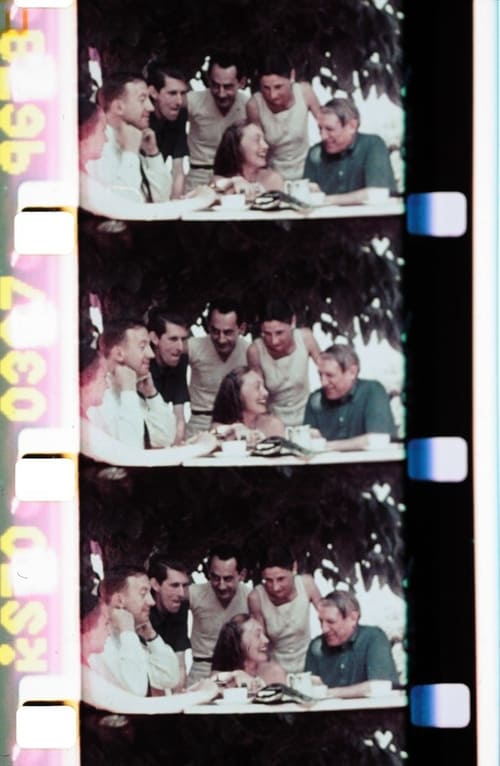
La Garoupe, a beach in Antibes, in 1937. For one summer, the painter and photographer Man Ray films his friends Pablo Picasso, Dora Maar, Paul Eluard and his wife Nusch, as well as Lee Miller. During these few weeks, love, friendship, poetry, photography and painting are still mixed in the carefree and the creativity specific to the artistic movements of the interwar period.

Un été à la Garoupe

2020