Peter Weibel
Directing
Biography
Peter Weibel was an Austrian post-conceptual artist, curator, and new media theoretician. He started out in 1964 as a visual poet, then later moved from the page to the screen within the sense of post-structuralist methodology. His work includes virtual reality and other digital art forms.
Known For
No description available.
Club 2
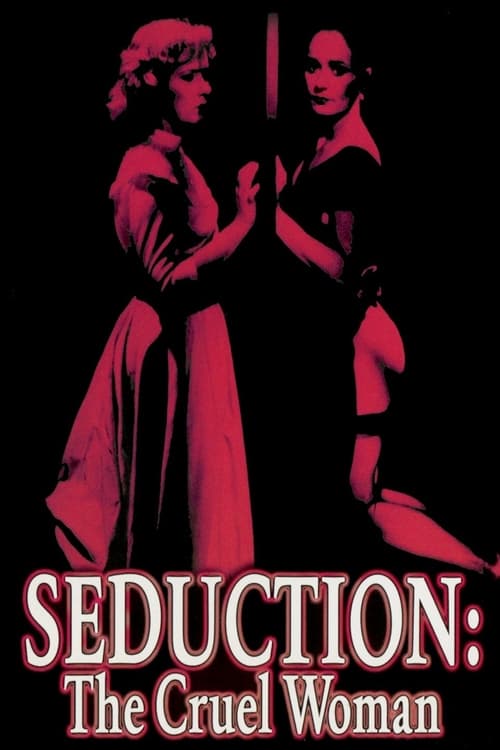
Wanda, a dominatrix who runs an S&M gallery on the Hamburg waterfront, must choose between her lesbian lover and an American trainee.
Seduction: The Cruel Woman
No description available.
Phettbergs nette Leit Show
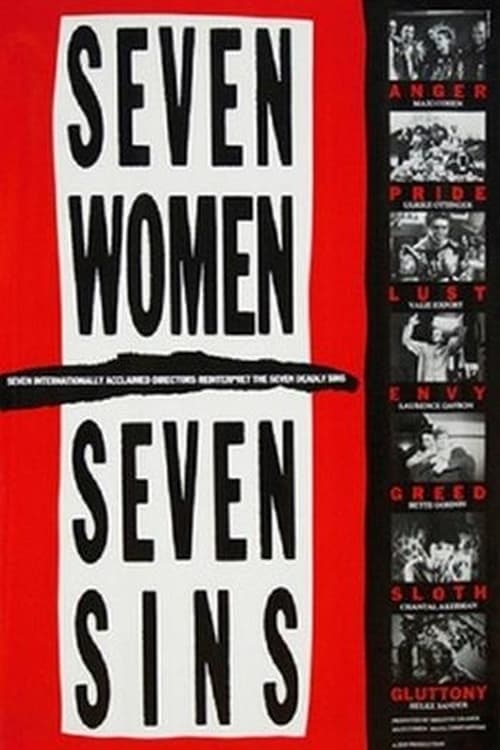
Seven Women, Seven Sins (1986) represents a quintessential moment in film history. The women filmmakers invited to direct for the seven sins were amongst the world's most renown: Helke Sander (Gluttony), Bette Gordon (Greed), Maxi Cohen (Anger), Chantal Akerman (Sloth), Valie Export (Lust), Laurence Gavron (Envy), and Ulrike Ottinger (Pride). Each filmmaker had the liberty of choosing a sin to interpret as they wished. The final film reflected this diversity, including traditional narrative fiction, experimental video, a musical, a radical documentary, and was delivered in multiple formats from 16, super 16, video and 35mm.
Seven Women, Seven Sins
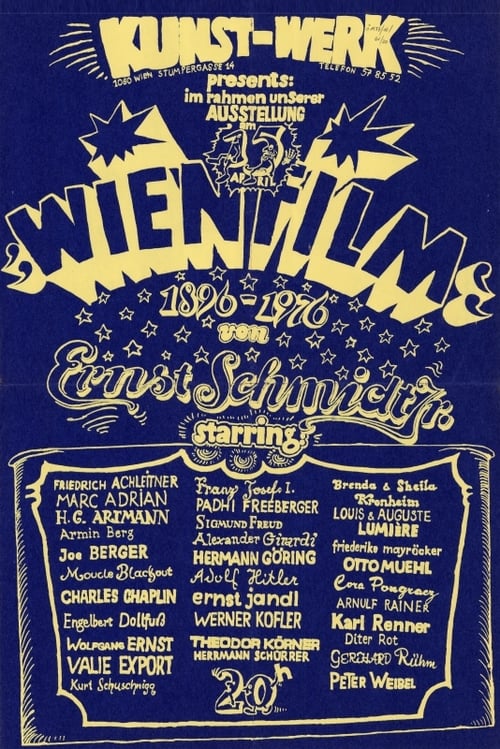
This film is a kind of anthology about Vienna, from the invention of film to the present day. The aim is to break down the usual clichéd "image of Vienna" such as that found in the traditional "Vienna Film" by juxtaposing documentary footage, newly shot material and subjective sequences created by various artists. Individual, self-contained sections of the film gain new meaning within the context of historical material. Familiar sites appear estranged when edited together with historical scenes. Other scenes appear like a persiflage or satirical. The film does not incorporate any commentary whatsoever. It is a collage of diverse materials aimed at conveying a distanced image of Vienna to the viewer
ViennaFilm 1896-1976
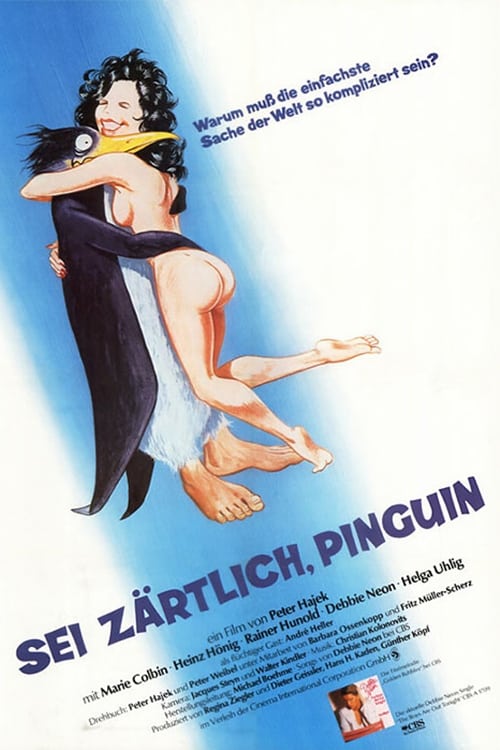
One day, Nina confesses to her boyfriend Mick, that she never has had an orgasm. Comedy about the problems of relationship and sexuality in a parody of the sex enlightenment and soft sex genre.
Sei zärtlich, Pinguin
No description available.
Anyone who dares will take the cold off their horse
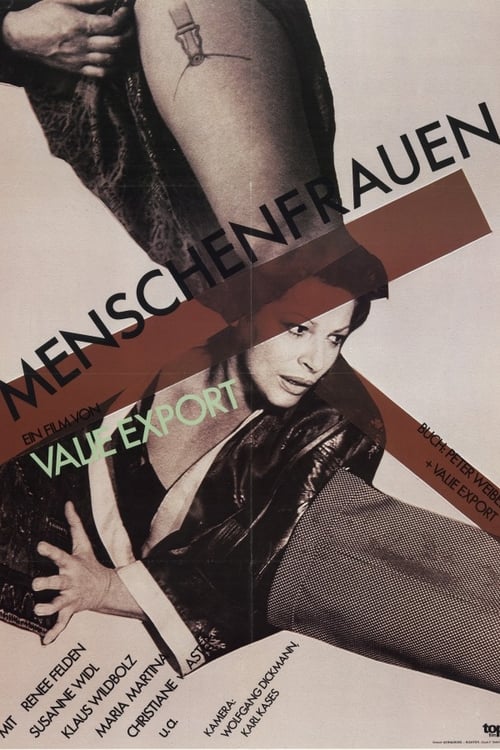
Menschenfrauen is a film about relationships and the psychological oppression of women in society. Franz, a journalist, maintains relationships with four women. His three mistresses are introduced with television dreams of intense emotional violence (in the first dream, a mother shouts at her daughter, explaining that as a girl, she does not deserve a room of her own), and the fourth is his wife. He is desperate to have each to himself. Franz never offers a substantial sign of love, but is willing to say anything and make any promise for affection. His dependence on women for fulfilment is explained through arguments with his wife. He claims "I am my own sound. The women produce voices within me." An understandable and sometimes sympathetic antagonist is one of the films greatest strengths. The emotional damage he causes becomes believable.
Menschenfrauen
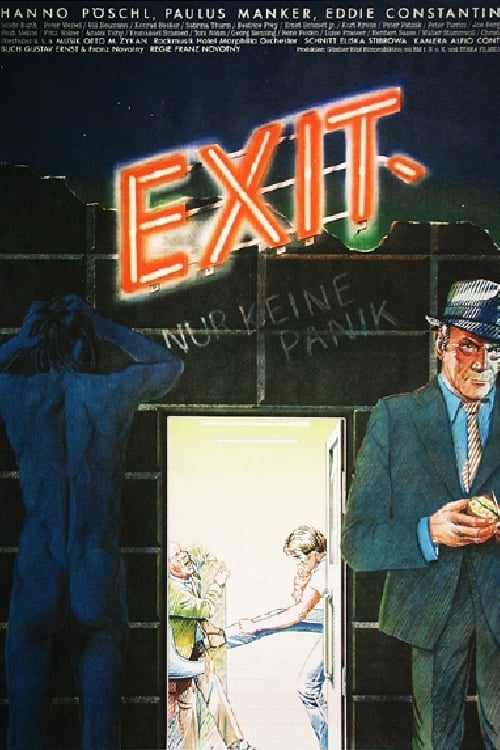
A guy having sex with a woman on a rooftop – just to get her coffee-machine.
Exit... But No Panic
"If I were the second son of my mother and father I would have been my brother. Thus, I am brother, I am brother of the second son of my mother and father, although what disturbs me is the possibility that I could have been the first son of my mother and of another father. Then I would be my own stepbrother or my own stepsister..." - Peter Weibel
Parenthetical Identity
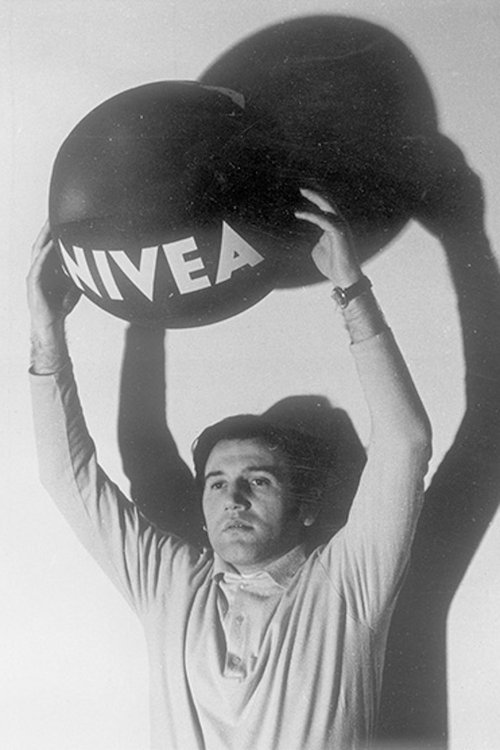
In Nivea, an actor, holding a rubber ball, stands motionless for one minute (like a standing frame) in front of the screen onto which empty frames are projected, accompanied by a camera noise on tape. An inflatable, direct advertising film. An image object problem.
Nivea
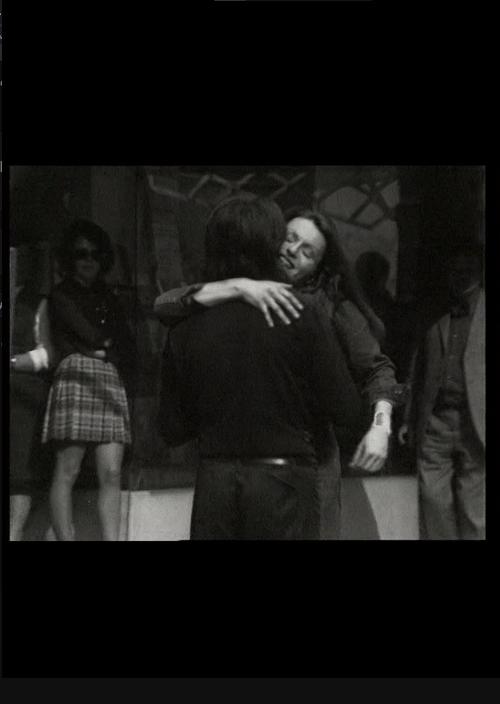
Short film depicting a man and woman smoking.
More Warmth Among Human Beings
Home movies shot on Super 8mm by W+B Hein over 10 years.
Home Movies 1971-81
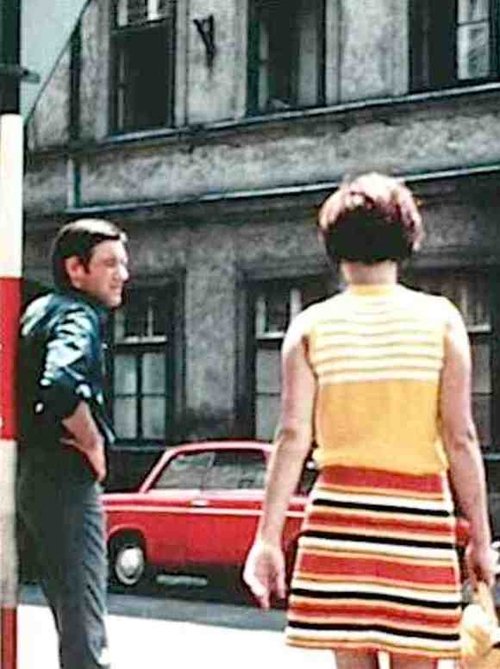
Documentary and pseudo-documentary procedures were filmed simultaneously by two cameras from different viewpoints. The material was then divided into phases of movement. In the montage each phase was doubled. The techniques used in this process vary. Also the sound was doubled, again using different techniques. Two realities, differently perceived according to the conditions of this film, were edited into one synthetic reality, where everything is repeated. This doubling up destroys the postulate: identity of copy and image.
Hernals
An instant-camera and a TV camera are placed opposite one another. They operate at the same time. The actor takes photographs with the Polaroid camera, the TV team films.
Depiction Is A Crime
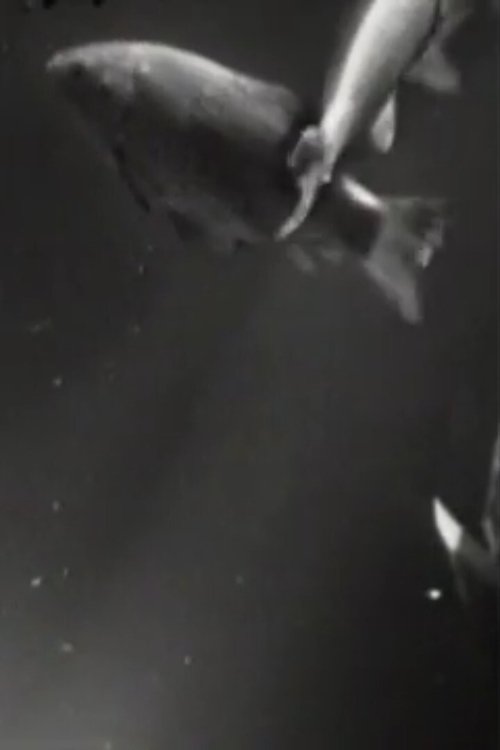
As an aquarium, the TV set signifies the identity of a real and reproduced event. Its images transform the TV set into an aquarium, a still-life, an object of meditation. But the water gradually runs out of the TV cabinet. The gurgling noise grows louder, the movements of the fish become more hectic, finally they are wriggling for their lives on the waterless floor of the cabinet. A warning sinusoidal tone begins to sound – censorship has saved the fish from their doom. I would have filmed the fish until they stopped flapping about, in order to produce the impression of a real death in a real TV set in a real apartment. This deliberate illusion would have shocked the audience, confronted them with real death as opposed to the pictures of death shown on the news, which now seem nothing more than illusion. (Peter Weibel)
TV-Aquarium (TV-Death 1)
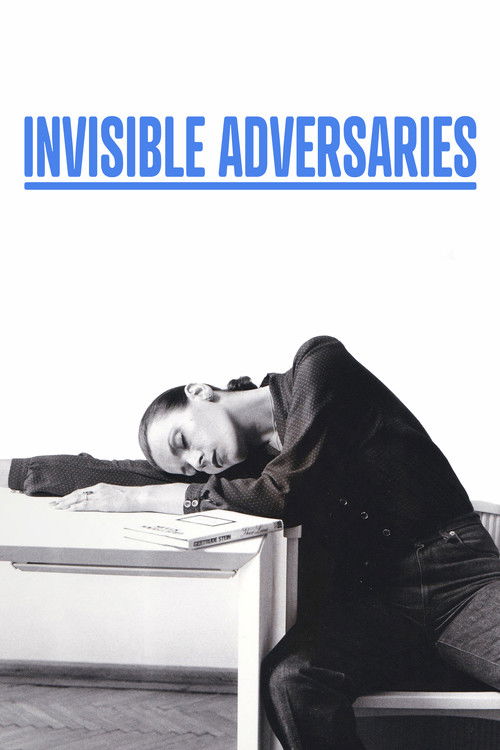
Anna, an artist, is obsessed with the invasion of alien doubles bent on total destruction. Her schizophrenia is reflected in the juxtapositions of long movie camera takes with violently edited montages: private with public spaces; black & white with colour, still photographs with video, earsplitting sounds with disruptive camera angles. Anna uses her body like a map; after a devastating quarrel with her lover, she paints red stitches on herself. Watching their scenes together, we realize how seldom, if ever before, the details of sexual intimacy have been shown in film from the point of view from a woman. Export privileges rupture over unity and never settles for one-dimensional solutions
Invisible Adversaries
“The video compilation TV & VT WORKS consists of short performances that deal with the relationship between reality and the film/TV camera while also addressing how television has changed our perspectives on reality. Several ‘Tele Actions’ and ‘TV Death’ moments, as the artist calls them, show actions that define the ontology of an artwork within a televised setting. The common element linking the individual segments consists in fake news reports from Austrian television, which is where the work was ultimately broadcast.” –KONTAKT COLLECTION
TV + VT Werke 1969-1972
Because of its exclusive reference to meaning, Fingerprint is not only language for world, the reproduction of objects and symbol, but also language in and of itself and object. The film was produced by means of pressure rather than exposure - film as the trace of a touch rather than light. (Peter Weibel)
Fingerprint
‘Kunst & Revolution is a documentation on the famous action known as the “filthy uni mess”, which led to a jury court trial. I only had a few metres of film with me and they were quickly spent, but still the film gives one a rough impression of the events. As a whole mythology quickly arose around the event, I altered the material to counteract this effect (through repetition, and adding other material, for instance from a film about keeping dogs, and my own leftover footage from the Muehl action number 54 ‘Im Freudenauer Wasser’).’ In film 16 of his anthology Ernst Schmidt Jr. documented the actions of Günter Brus, Otto Muehl, Peter Weibel and Oswald Wiener.