Flavia de la Fuente
Directing
Known For
Sunday afternoon at Las Heras Park. People and dogs pass by, and others enjoy while seated. It’s serene. It is a happy time. The film tries to share that afternoon under the linden trees, which are the most protective.
Under the linden trees
The filmmaker is asked to direct a short film for the opening of a certain festival. The responsibility upsets and distresses her. She finds a solution that results in a manifest secret about fragile cinema and it’s adventures.
Diary of a Short
Flavia de la Fuente returns to the same spaces from her 15 Days at the beach to document noghtfall and the variations of darkness, with images as pleasant as they are mysterious.
Autumn Nights
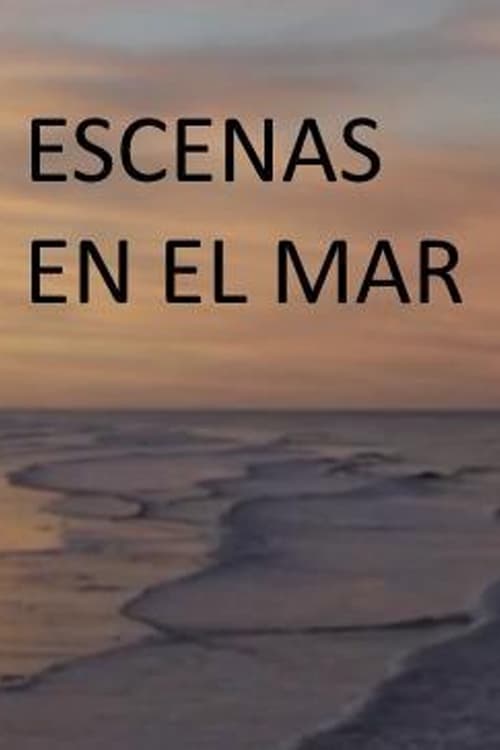
On a quiet winter afternoon, the sale made with his tripod to film the sunset at sea. She films calmly enjoying the colors of the sunset and the sound of the water, she watches the dogs that come and go, when something unexpected dislodges her from her reverie and perhaps from the place of director of this film.
Escenas en el mar
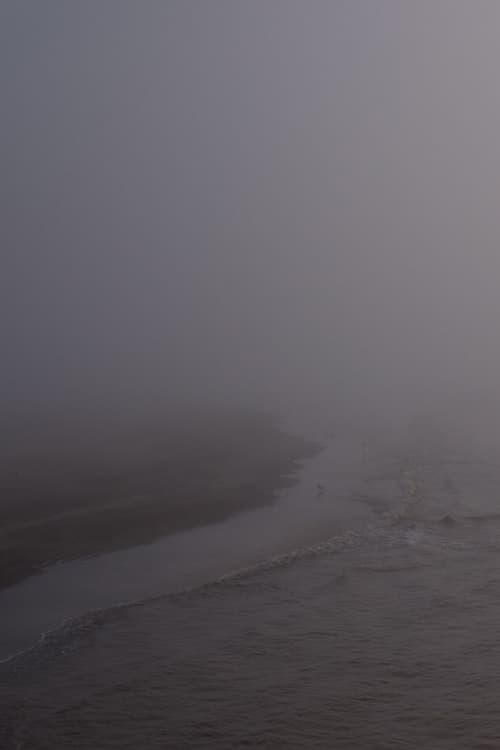
Fog has a curious effect on cinema. On the one hand, it precludes the production of those images that seem artificial, on account of their sharpness. On the other, the mist gives each frame a mysteriously narrative quality. The joy of watching the sea and the beach under a blanket of mist allows eluding the world of the quotidian, to suspect the beauty of the uncertain and unstable
Niebla
For two winters, just like the fishermen that feature in the film, the director went out every morning to shoot the coast in San Clemente del Tuyú, a few meters from her house. From the copious footage, she chose fifteen days that reveal the tension and the diversity of textures, sounds and small stories that are born out of patience and attention.
15 Días en la Playa
A short film directed by Flavia de la Fuente.
Rainy Days
Flavia de la Fuente abandons for this time the portraits of her favorite city, San Clemente, to travel to another place and dedicate one of her works to Buenos Aires, in what promises to be the first part of a series. La ciudad y los patos portrays a typical place of Buenos Aires tourism but, as it usually happens with the films of its author, it is the times that end up giving beauty to some spaces that we all get tired of seeing, but that routine has always shown us in the same way, hurried and neglected.
La ciudad y los patos
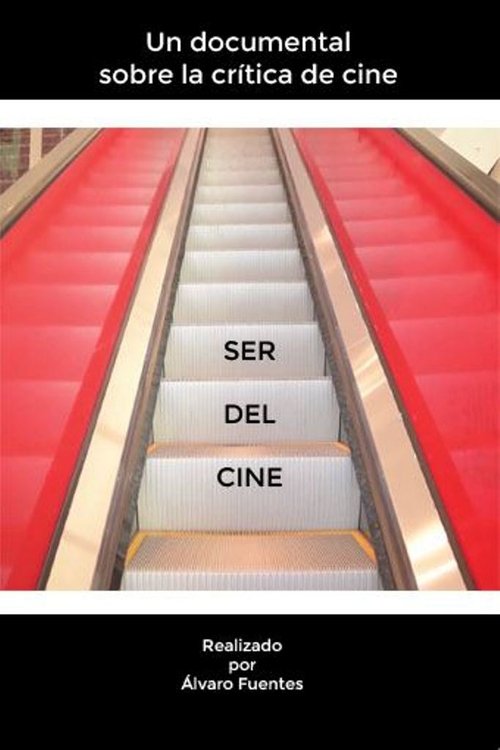
An inquiry into film criticism in Argentina framed inside the historical debate about film ontology