Acting
The film is a ballad about the dwellers of a block-of-flats in Angyalföld.
In 1956, a crusading newspaper reporter covers the Soviet invasion of Hungary. Initially critical of the communists, the feature later espouses the virtues of social changes implemented since the invasion.
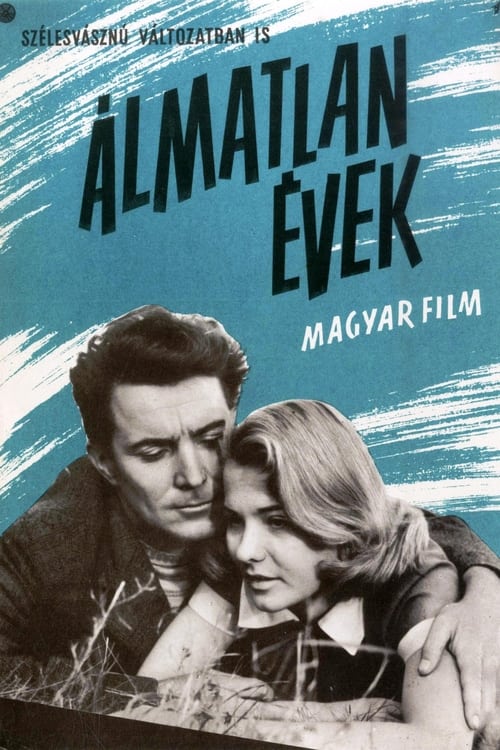
The "sleepless years" in this propaganda piece by director Felix Marlassy occur on Csepel Island, an island south of Budapest that is home to an armaments factory. The factory workers are shown being exploited by imperialists, capitalists gone berserk, and fascists, more or less in that exact chronological sequence. The heavy-handed approach does much to undercut the belief that when socialism finally takes over, the lives of the workers are brought up to a human level. In this instance, audiences might prefer a more nuanced and subtle statement, no matter what the message.
The poetic love story depicting everyday life from a micro-psychological aspect takes place in the 1910s. Sándor, editor of the local paper, serves as a foot soldier on Sundays, but spends weekdays playing billiard and courting women. One Sunday afternoon - in soldier's uniform - he meets Vilma, the beautiful maid, whose honesty and chastity turns the adventure to love.
Csepel, 1945. The Csűrös family, in addition to their three children, give accommodation to the orphaned Jóska, although they themselves struggle with difficult circumstances. The boy lends a helping hand in the factory during the days.
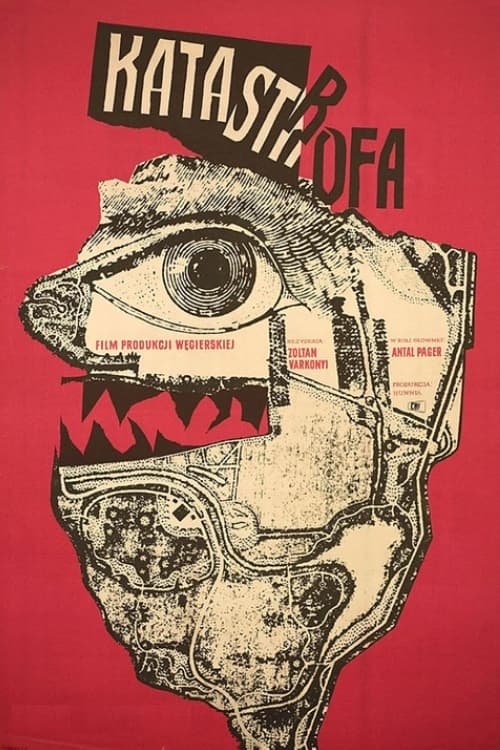
Private inspector Hável happens to travel on the train which is attacked at Biatorbágy. His attention is drawn to a suspicious man, and in the next few days he confirms that it was indeed him who committed the crime. Yet the police accuses not the lunatic Marschalkó but the communists. Summary justice is declared.
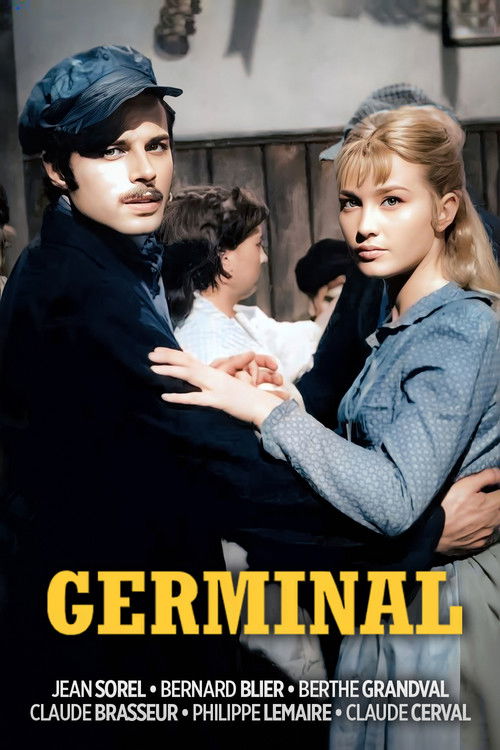
Dismissed from the railroads in 1863 for his union activities, Etienne Lantier found a job at the Voreux coal mine. But work was hard, wages were low and safety left much to be desired. Lantier tried to organize the miners into a union. When mine manager Hennebeau refused to negotiate, the workers launched a general strike, which ended with the intervention of the troops.
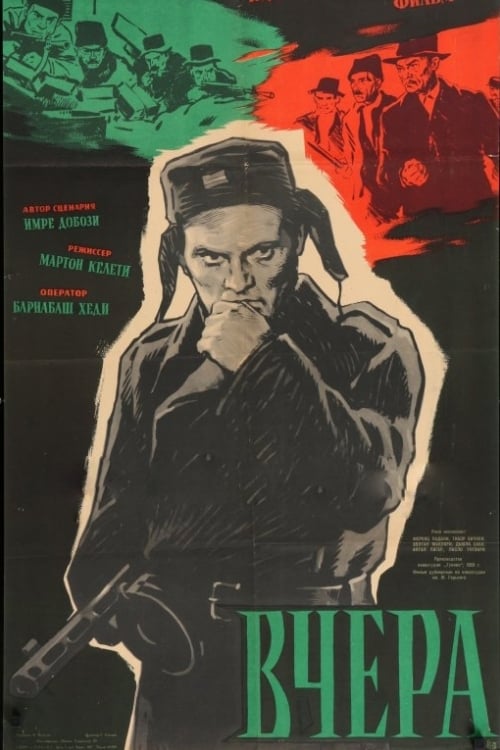
October, 1956. Colonel lieutenant Szabó sends a platoon with the mission of calming the people demonstrating in the town. The platoon is lined up under the command of Lieutenant Csendes and the soldiers aim at the demonstrators. Szusza Kis changes sides, and Csendes is unable to shoot at his childhood mate. They withdraw.
The movie portrays a peasant revolt in Hungary in the early twentieth century.
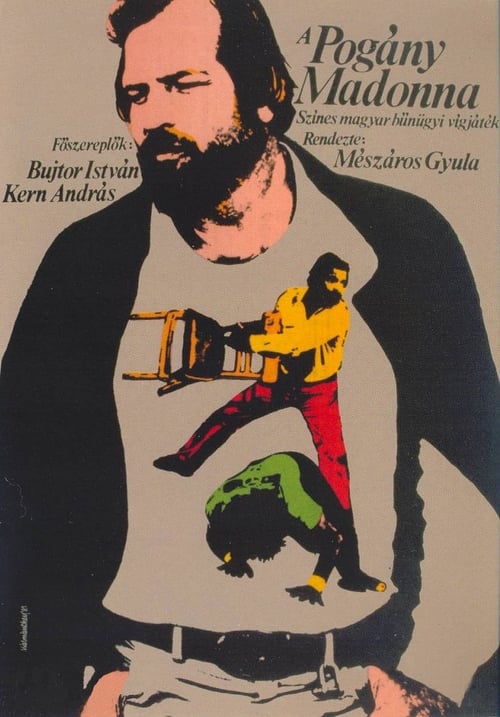
The unique statue of the ancient fertility goddess Demeter, known as the "Pagan Madonna" is stolen from the museum, located in a small town on Lake Balaton. At the same time seriously wounded a servant of the museum. The abduction of the museum's priceless statues of pure gold is investigated by the then young and inexperienced investigator Kardos and lieutenant "Droplet".
Zsadányi flees from the authorities with his goddaughter, Bankós Mari, and they escape into the forest. The film then skips ahead thirty-fold years: Zsadány and Mari are now lovers, with the sound of war in the background halting their romance. The old friends of Zsadányi have joined with the Nazis, and the landowner living with his peasants in a socialist community grows distant from them. Zsadányi is held responsible for political problems in the country, and will pay with his life.
A group of landless Hungarian peasants accept work as migrant-labourers on a northern German farm where the wages are good, and the wives and family are allowed to accompany them. Though in the midst of WWII, they are relatively well-off. However, as they witness the treatment accorded to POWs and others not so gently regarded, and at the conclusion of the year's harvest, they choose to return to Hungary and are quickly swept up in the tides of war.
In the aftermath of World War II, a Hungarian teenager, captured by Soviet troops, forms an unlikely bond with a Russian soldier in a remote prison camp.
Set in the 1890s on the Hungarian plains, a group of farm workers go on strike in which they face harsh reprisals and the reality of revolt, oppression, morality and violence.
One of the most popular musical comedies of the 1950s starts with flirting between a bohemian sport pilot and a serious mathematics teacher. The lesson is that in life, not everything happens as would appear logical at the outset. In the wake of the inflexible and demagogic dramas of Stalinism, this colourful comedy was a true breath of fresh air. It is innovative not only for being full of great hits but also for being the first film in a very long time that was about pure love.
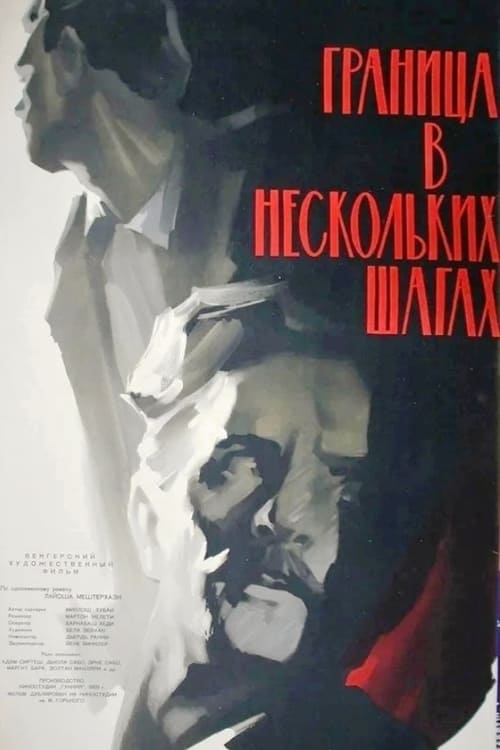
Based on the novel of the same name by Lajos Meszterházy about the escape from prison of two communists sentenced to death. The movie is set in 1921, two years after the defeat of the Hungarian Soviet Republic.
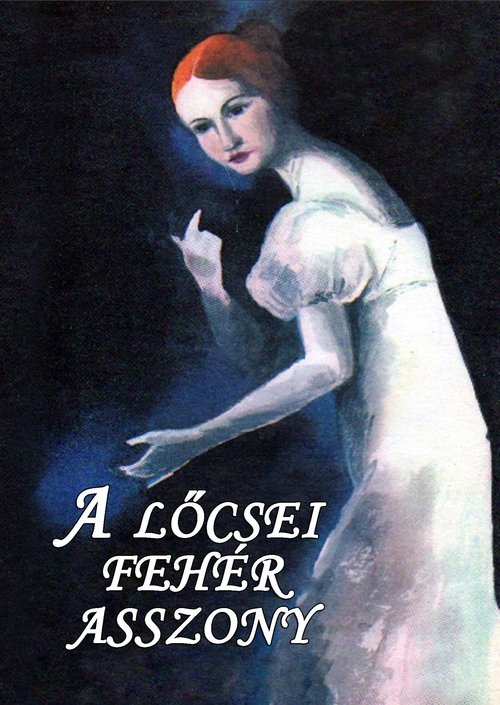
During the Rákóczi War of Independence, noblewoman Julianna Géczy becomes caught between warring factions as the city of Lőcse falls under siege.
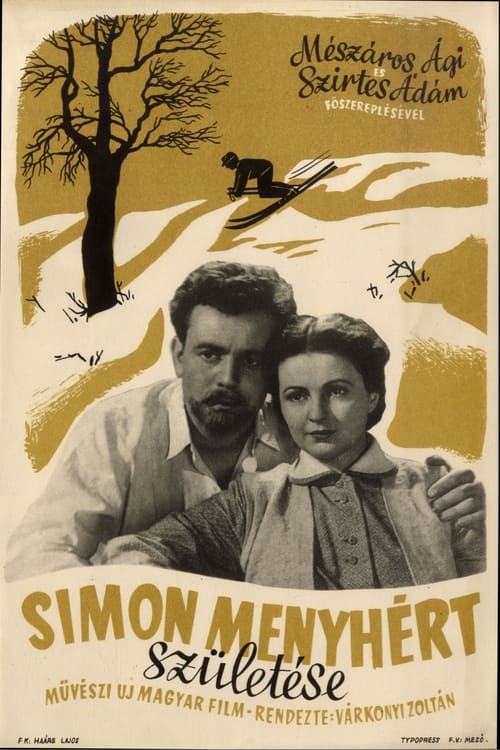
Every member of a small community in the snow-capped Bükk Mountains is trying to help the doctor get to István Simon forester's house where his wife is about to give birth to their first child.
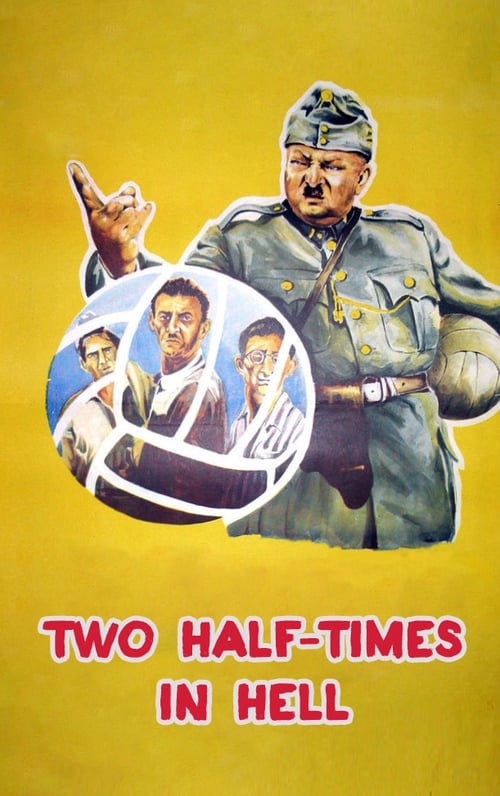
To celebrate Hitler's birthday, a soccer match is organised between the Germans and a group of Hungarian political prisoners, one of whom is a famous pre-war football star.
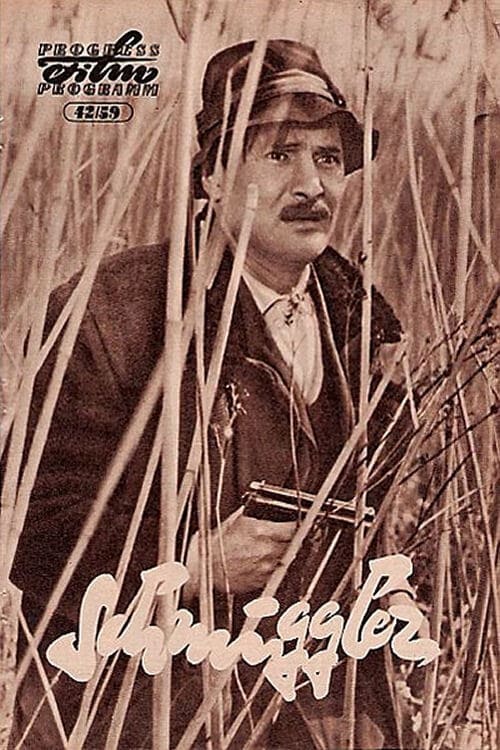
In the thirties, the poor living by the Romanian-Hungarian border were forced to smuggle if they wanted to survive. Mihály, a Hungarian peasant, kills a border guard while fleeing. He is fed up with smuggling and wants to put an end to it, yet he needs money to get a job, so he embarks on another turn.