Acting
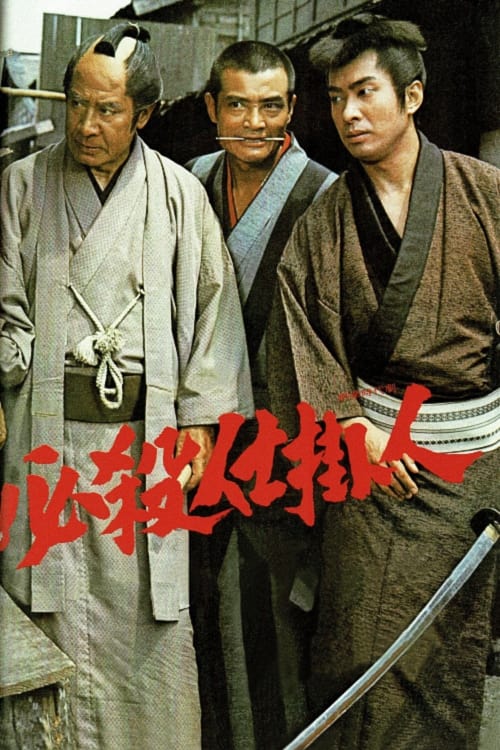
A shikakenin was an under-the-cover trade that undertook killing in Edo. Hanemon of Otowa, an agency that introduced laborers and maids, was also one of these. Katsugoro Iseya was a timber dealer who had come in as a client. His target was the constructions magistrate Hanno, and the Tatsumiya who sipped on the benefits. Hanemon who had a stong code towards killing, where he would only kill those who do no good to be in the world, accepts this request. Baian Fujieda, a needle doctor would carry out the killing. However, the professional killer Baian fails to bring down Tatsumiya. Hanemon then looks to another shikakenin, the ronin Sanai Nishimura for the role. Although Sanai's ability with the sword is good, he lives poorly in a tenement, and accepts this commission on the condition that it is kept a secret from his wife and child. Here, they close in on Hanno and Tatsumiya again...
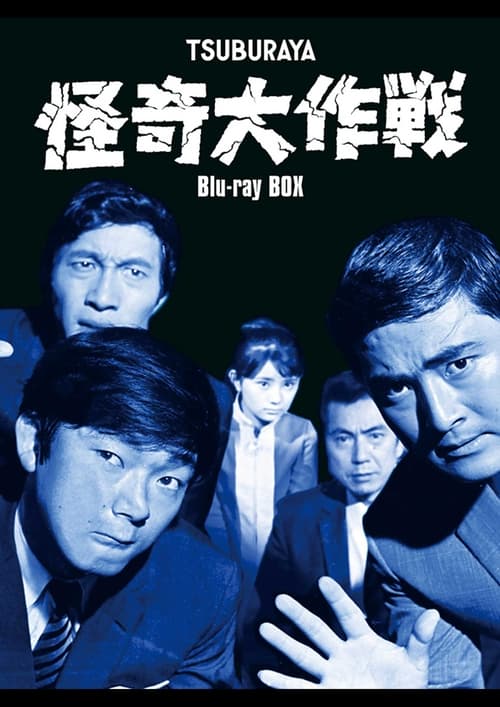
Advancements in science and the unchanging human psyche have given rise to new forms of terrifying crimes as the Science Research Institute (SRI) investigates various strange phenomena in Japan.
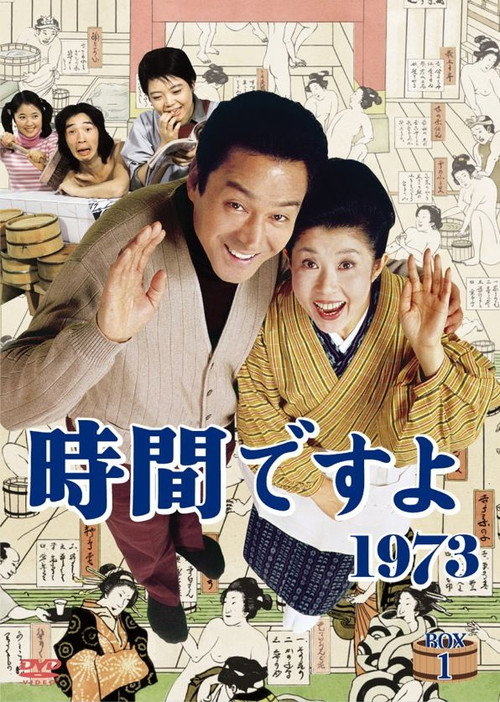
The 7th NHK Asadora. Starring Tadashi Yokouchi in a narrative about an employee of the national railroad living through 50 years of modern history with his wife.
A suspense comedy about thieves starring Kazuo Funaki.
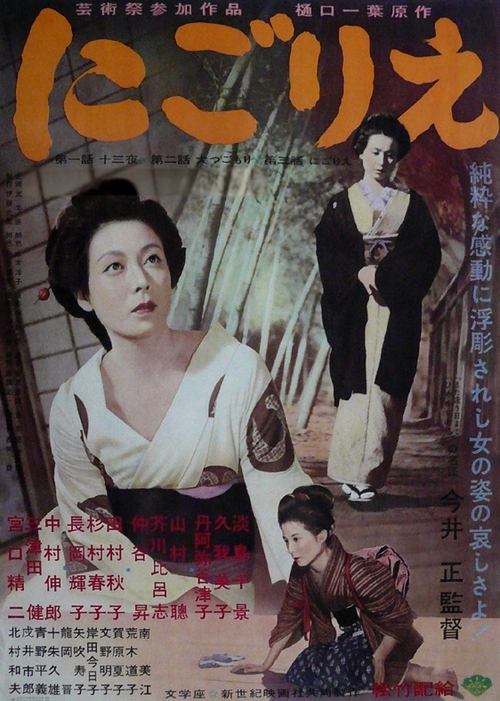
A Japanese woman writes down three stories she has witnessed or heard of in her diary, each about the difficult situation a young woman finds herself in.
No description available.
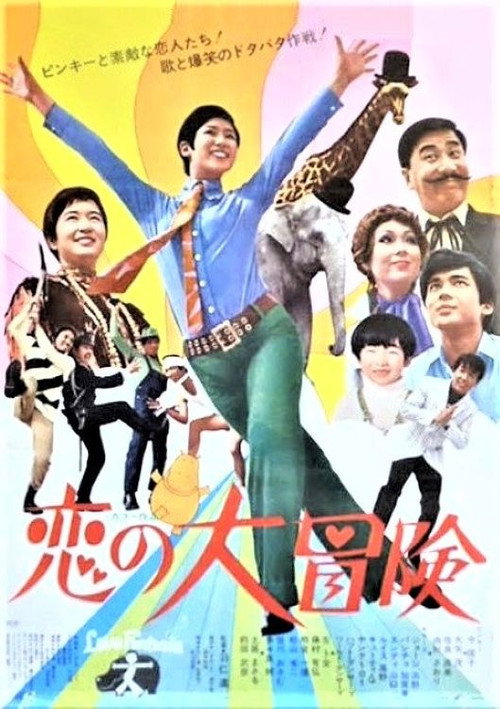
A musical comedy.
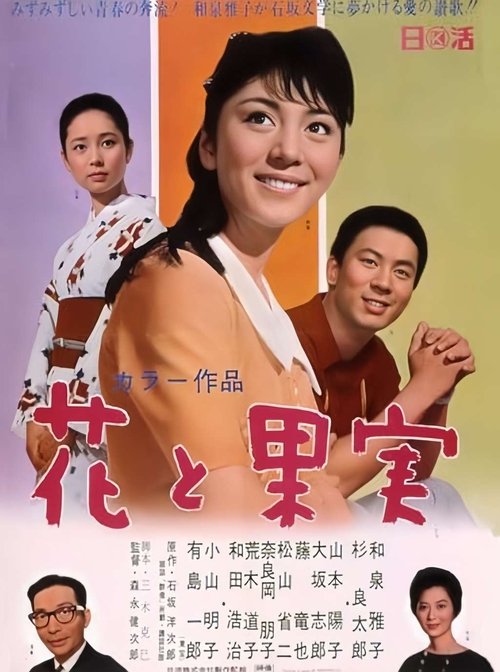
The ambitious Masako Izumi has drawn on Ishizaka literary style to create a fresh and pure love masterpiece. A cheerful tale of youth who carves out their own outlook on life through the joys and sorrows of school life
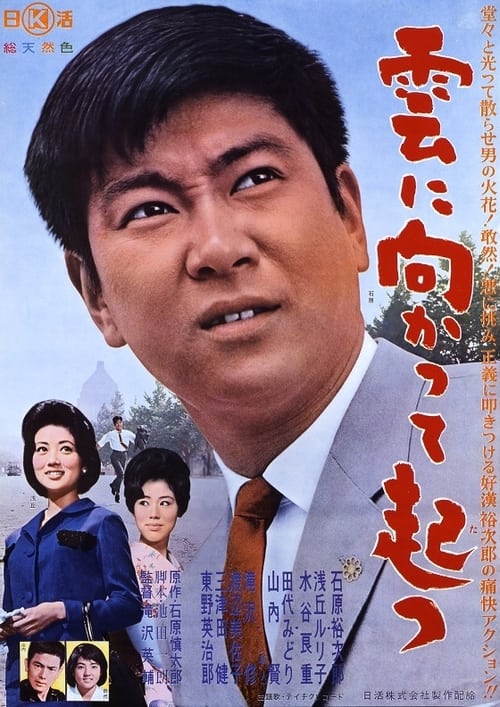
A rookie newspaper journalist, Takema Sakaki, has a strong sense of justice. In the Diet Building he gets acquainted with a library worker, Reiko Nakafuji. Reiko's father was a member of the Diet who was assassinated six years ago. Through Reiko, Takema joins Tsūkai-kai, a group of young people who respect her late father's political ideas. With the assistance of Tsukai-kai, Takema eventually uncovers the political scandal related to postwar compensation which led to the murder of Reiko's father.
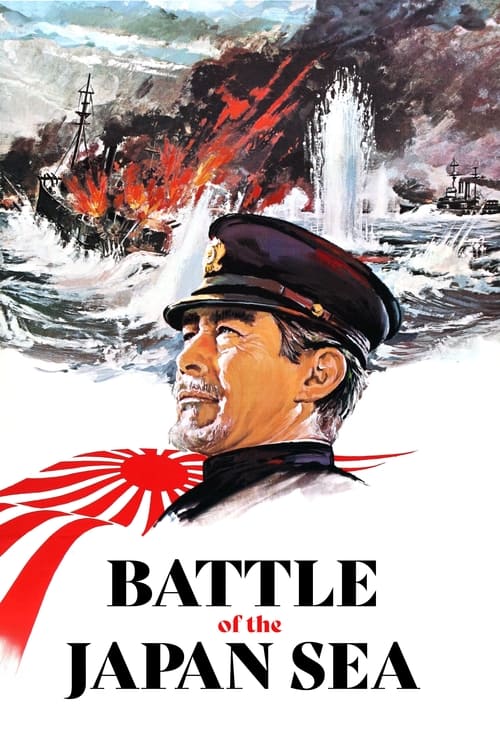
Japan and Russia clash in what comes to be known as the Russo-Japanese War. An attempt by the Japanese fleet and army to take Port Arthur fails, and a Russian fleet bears down on the Sea of Japan. Admiral Heihachiro Togo sends his fleet to confront the Russians, with results which stun both nations. Meanwhile, Major Genjiro Akashi makes secret negotiations with the Bolshevik revolutionaries in Russia, negotiations that have repercussions far beyond the conflict at hand.
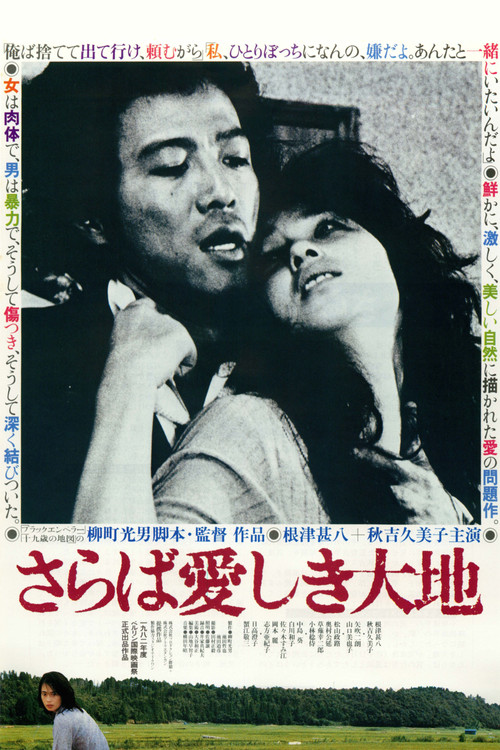
Yukio is an ex-farmer working as a dump-truck driver in Kashima. Haunted by the drowning of his two young sons, whose names he has had tattooed on his back in penance, and locked in a sibling rivalry with his traditional but urbane younger brother who lives in Tokyo, Yukio has become an amphetamine-addicted loner at odds with his family, friends and colleagues.
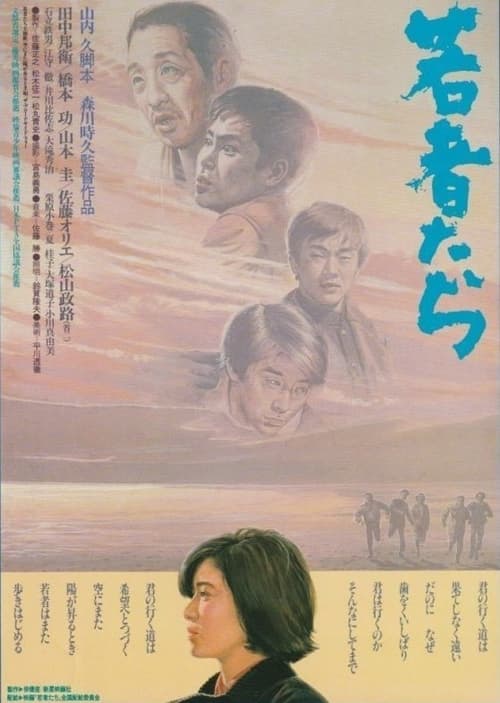
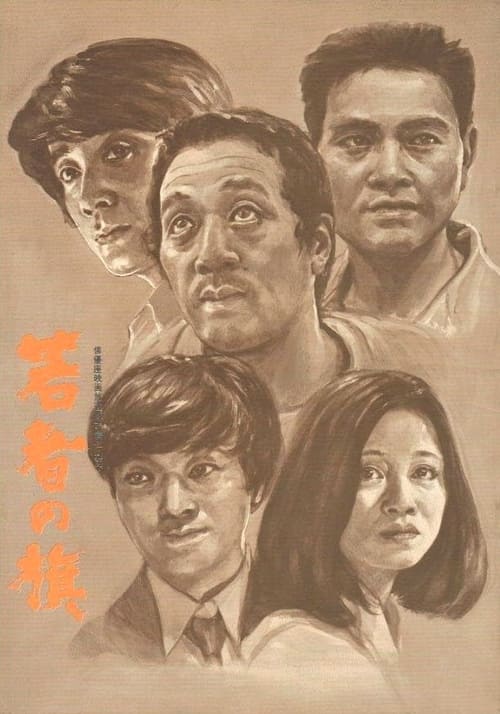
"Young People" is a story about the lives of four brothers and a sister, Sato. After the death of his parents, the older brother, Taro, who works in construction, decides to replace them. The second brother, Jiro, is a truck driver. The third, Saburo, is a student, dreams of a better future for the whole family are connected with him, with his career. Brothers and sisters are fighting to give him a higher education. And, finally, the youngest of the brothers, Suekichi, is also going to enter the university after graduation. The life of the Sato family is complicated. Taro is kind, but limited, not always able to find a common language with his brothers and sister Orie. The girl cannot stand the despotism of her brother, leaves her home and goes to work at the factory. With her departure, everything in the house goes upside down. Suekichi fails her university entrance exams, Orie is forced to return to her family.
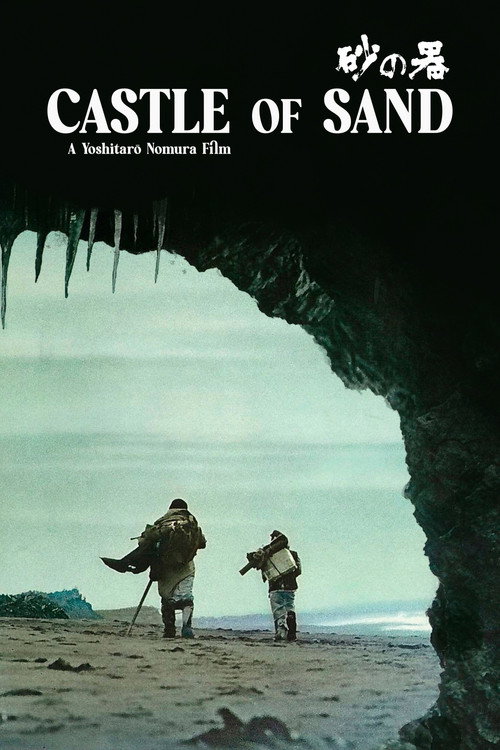
Two detectives are tasked to investigate the murder of an old man, found bludgeoned to death in a Tokyo rail yard.
1974 Japanese movie
The drama is about the suffering of two families whose babies were mistaken for each other in the hospital.
The four kinds of love that Yuriko experiences, namely, a childhood longing love, a dream of marriage, a maternal love, and a destined love between parents and children over two generations, as well as the sisterly love between Yuriko and her sister Kaori.
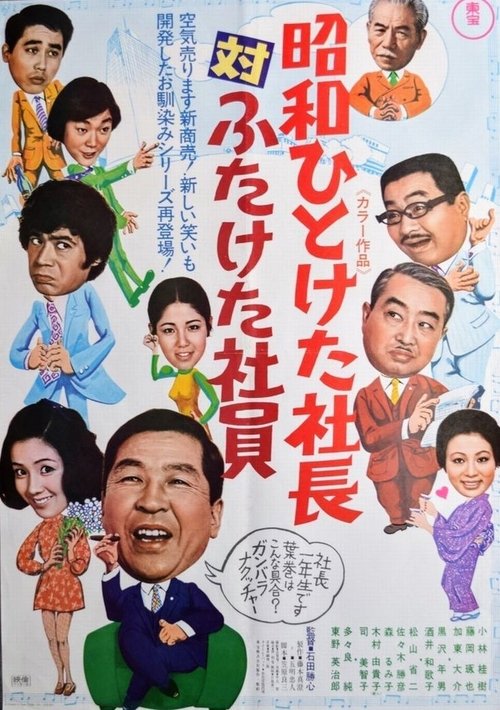
After a major corporate merger, a middle-aged executive is demoted but unexpectedly appointed president of a small subsidiary.
A movie-loving nanny lives and works in the home of a university professor and eventually becomes the family's support system, leading a bright and joyful life.
The final part of the trilogy. It is about a younger brother, Suekichi. He learned well the lessons that life taught his older brothers. Therefore, he does not think to study, but strives for material well-being alone. To make a career, he ruthlessly pushes his colleagues with his elbows. For him, the high ideals of trade union activists Jiro and Saburo are an example of old-fashioned thinking, naive behavior.
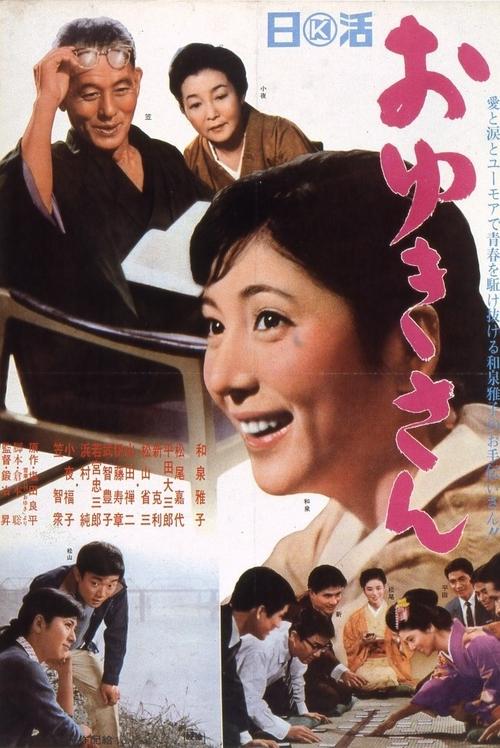
A daughter from an island in the Seto Inland Sea takes a job as a nanny in Tokyo. She thrills the hearts of fishmongers and milkmen.