Georg Hartmann
Acting
Known For
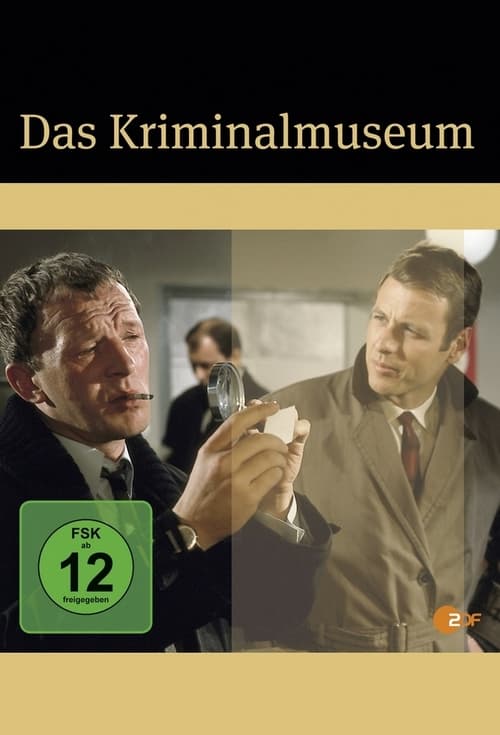
Das Kriminalmuseum was a German television series. It ran from 1963 to 1970 on ZDF and was one of its first programs. Each episode began with a tracking shot through an unspecified crime museum, stopping at one of the displays, whose story was then told. Each episode was between 60 and 75 minutes long and featured different actors as the criminal commissioner. The best known was Erik Ode, who in 1969 moved to Der Kommissar, appearing in 97 episodes. The theme music of the series was written by German composer Martin Böttcher, who also composed the complete scores for five episodes.
Das Kriminalmuseum
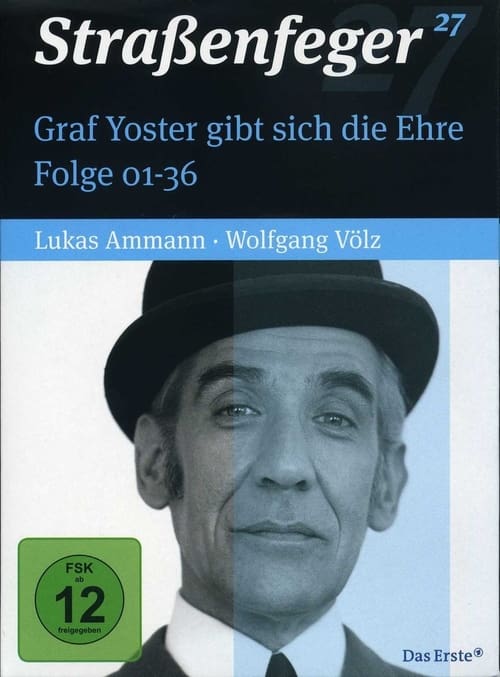
Graf Yoster gibt sich die Ehre [French title: Le comte Yoster a bien l'honneur] is a TV series which followed the adventures of the title’s amateur gentleman detective. It was a success in particular in Germany and in France. Originally the show was a German production in black-and-white but it evolved into a European co-production in colour.
Graf Yoster gibt sich die Ehre

Inside the Kit Kat Club of 1931 Berlin, starry-eyed singer Sally Bowles and an impish emcee sound the clarion call to decadent fun, while outside a certain political party grows into a brutal force.
Cabaret
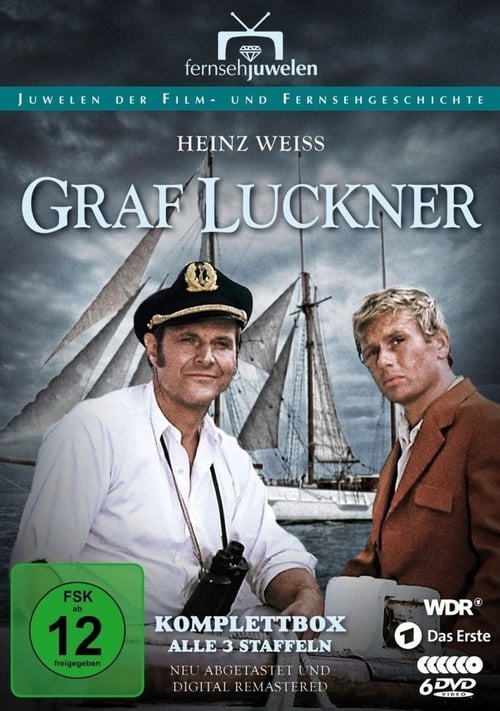
Between the first and second World Wars, we portray glorified and renown naval sea officer Felix Graf von Lucker and his fictitious ship Niobe, which is the 1887 built Amphitrite from Southampton. Von Luckner is famous for his tactical genius in the first World War, especially sinking 14 enemy ships and only losing one crewman, whilst always seeking a peaceful outcome - making him the ideal seaman.
Graf Luckner

No description available.
Die Karte mit dem Luchskopf
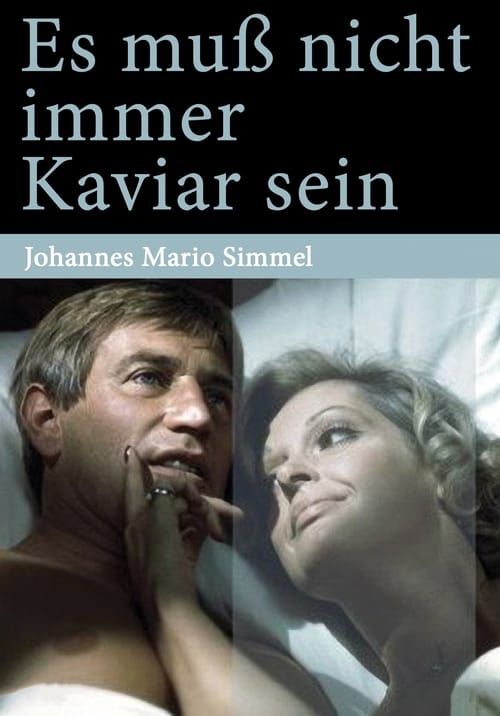
Es muss nicht immer Kaviar sein is a TV adaption of a novel of the same name by Austrian author Johannes Mario Simmel. Directed by Thomas Engel Siegfried Rauch walks in the footsteps of O. W. Fischer who played the protagonist "Thomas Lieven" already in 1961, just one year after the bestseller had been released. The series is unique for providing a little cooking show at the end of each episode. The book also includes recipes because "Thomas Lieven" is an accomplished amateur cook.
Es muss nicht immer Kaviar sein
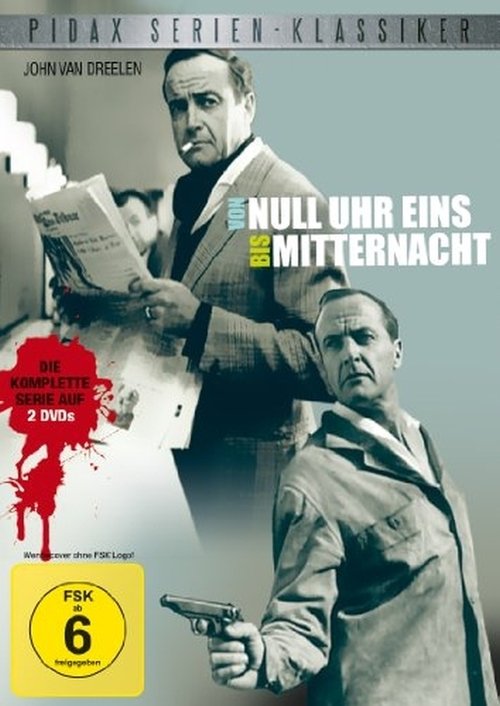
No description available.
Von Null Uhr Eins bis Mitternacht

In 1923 Berlin, following the suicide of his brother, an American acrobat struggles to survive while facing unemployment, depression, alcoholism, and the social decay of Germany during the Weimar Republic.
The Serpent's Egg
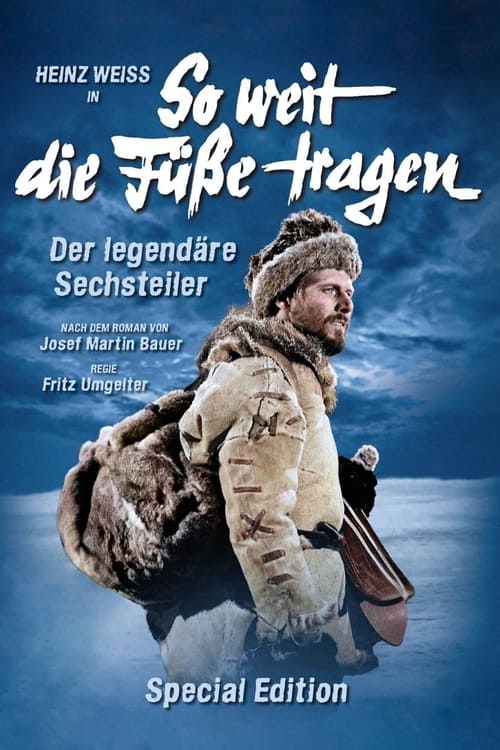
A prisoner of war is sentenced to 25 years in the Soviet Union. His escape from the Soviet gulag takes him through the intense and hopeless terrain of Siberia.
As Far as My Feet Will Carry Me

After serving five years Willi soon learns that his new life is another kind of prison since no one trusts an ex-convict. His uphill struggle for a job and shattered hopes of a normal existence grind him down to utter despair.
Wer einmal aus dem Blechnapf frisst

A diabolical tale of romance, murder, and mistaken identity as a treacherous terrorist organization hunts an enemy agent with the intention of killing him, but instead they set their sights on the wrong man. Left in the wake of their mistaken pursuit is a trail of broken lives and brutal murders.
The Spy Who Never Was

No description available.
Tod eines Schaustellers
Two retirees decide to extend their vacation beyond the usual date, near a lake where they own a villa. From that moment on, everything becomes hostile: the butcher stops delivering meat, there is no milk, their electricity is cut off, and their car is sabotaged. Don't we want to show them that when your time is up, on vacation or in life, it's not a good idea to linger and that you have to disappear?
The Summer People
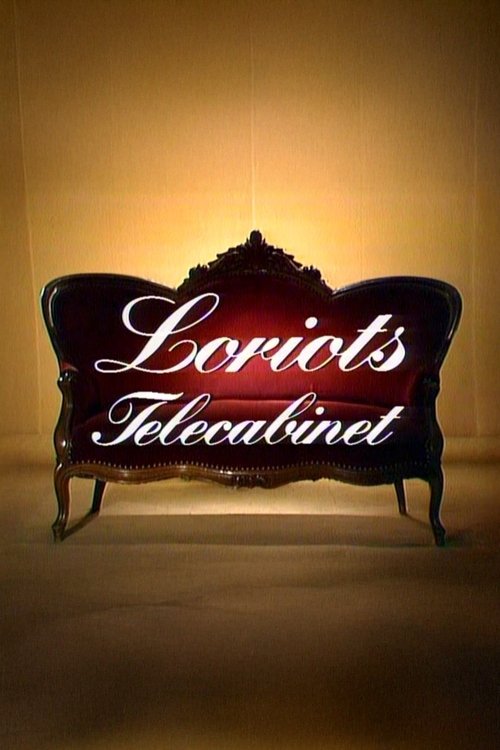
A sharp-witted parody of the talk show format, this self-conceived television special by legendary German comedian Loriot blends satire and sketch comedy. Featuring Loriot in multiple roles, the program playfully disrupts the typical talk show structure with absurd interruptions and cleverly crafted sketches. Originally aired on November 13, 1974, it marked Loriot’s first full creative venture as writer, director, and performer. Elements of Loriot’s Telecabinet later resurfaced in his iconic comedy series, cementing its place in German television history.
Loriots Telecabinet
No description available.
Frei bis zum nächsten Mal
No description available.
Lady Lobsters Bräutigam
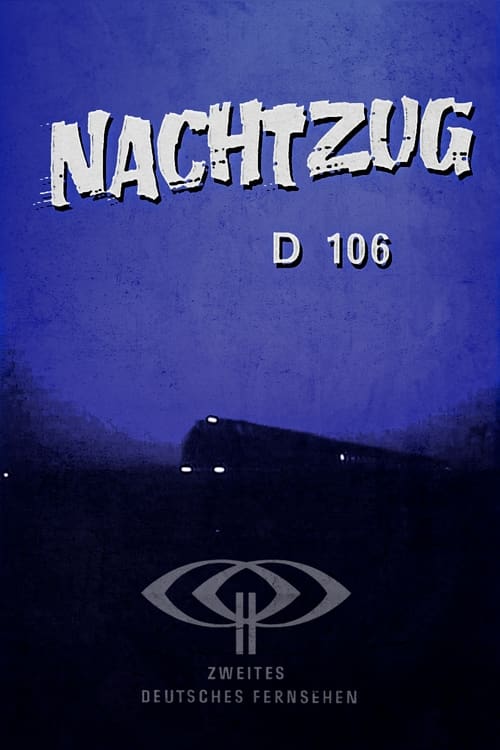
'Please help me!' the young GDR refugee begs the passengers of the interzonal train 'D 106'. He has just jumped on the night train during an unforeseen stop - to get to the west as quickly as possible. He can't go back, and in less than an hour they reach the German-German border - without stopping. The passengers meanwhile begin to ask themselves serious questions: Am I helping the young man and risking my own safety? Or is that too dangerous for me? While people are racking their brains, not only is the train racing away, but time is too ...
Nachtzug D 106
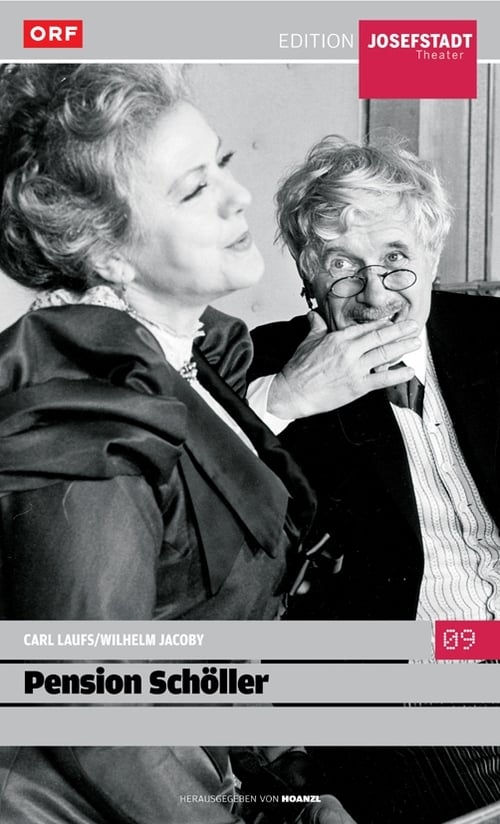
Landowner Klapproth would love to have his nephew Alfred show him the inside of an insane asylum and meet real lunatics, promising to financially support him in starting a business. Alfred's friend Ernst Kissling recommends that he show his uncle the Schöller Guesthouse, whose guests are quite eccentric. Landowner Klapproth, who truly believes the guests to be lunatics, is thoroughly amused.