Acting
No description available.
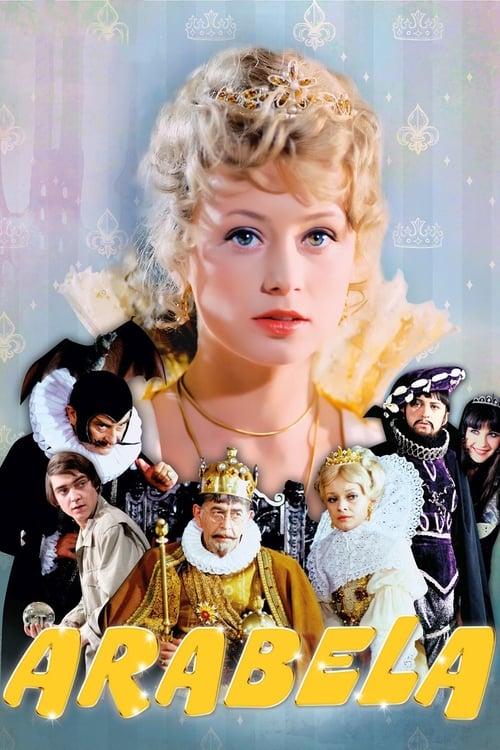
Arabela was a children's television series produced in Czechoslovakia which aired from 1979 to 1981. The series has 13 episodes and is in the Czech language.
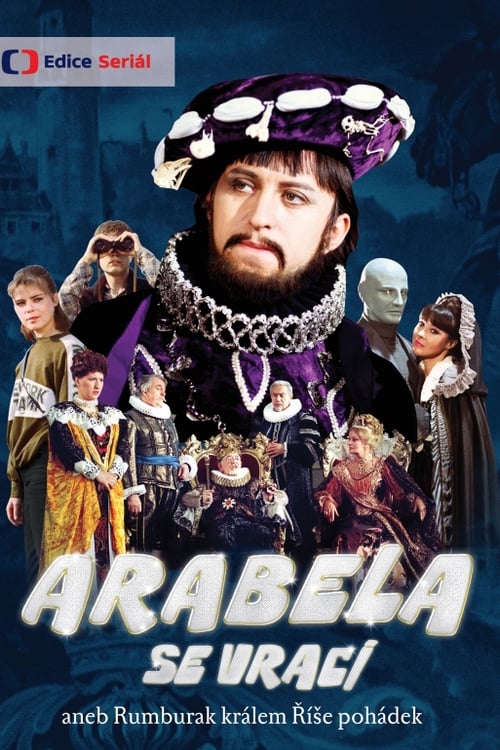
A lot has happened since the magic bell last rang. Arabela and Petr have been together for 10 years and are still waiting in vain for a child. Honzík and Mařenka have become university students, studying folklore, i.e. fairy tales. The realm of fairy tales is seriously threatened. The giant Balibul is banished from the land of giants for being a vegetarian and settles near the kingdom to learn how to eat people. Every day he demands a new victim. Bystrozraký escapes from prison to avoid becoming his victim and seizes the magic cloak. He flies into the world of humans.
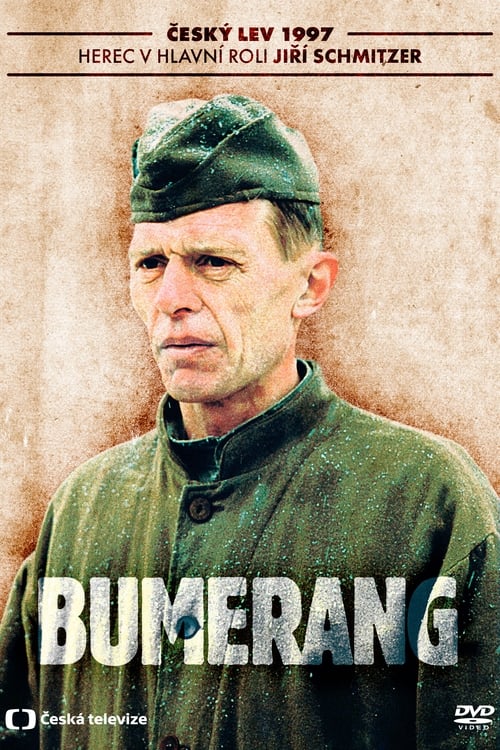
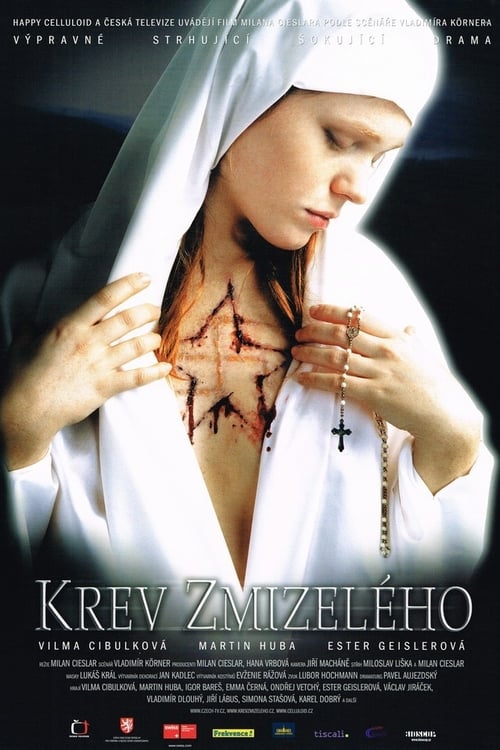
The story, written by former George Stransky former political prisoners and today's chairman Pen Club is situated to 50 years and uranium camp of political prisoners in Pribram, where after the fall of the Stalinist cult comes at the end of 1958 as a prisoner of the former Chief of Main Administration of correctional facilities Colonel Good. Former chief topic of coexistence, "a guard" and political prisoners in the Bolshevik camp served timeless makers to reflect on the possibility (or impossibility) of forgiveness and a sense of justice. The film, unfortunately, below expectations - mainly because of its rarity and lack syžetovou arching dramatic arc of the story, including natural gradation. Nice camera and vice versa are cast, formed literally myriad of top Czech actors. A representative of one of the main roles - Jiri Schmitzer in 1997 was awarded the Czech Lion.
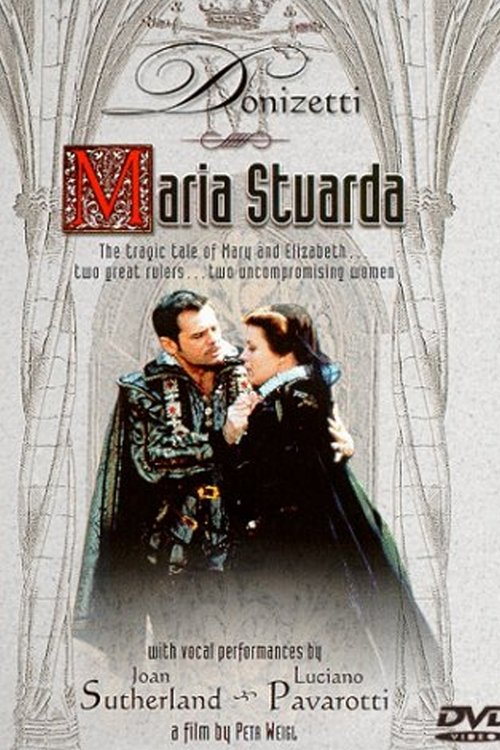
Donizetti's opera as film.
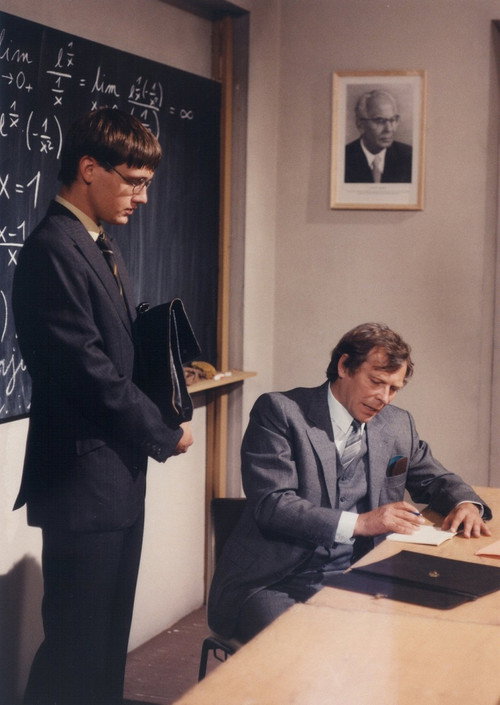
Sanitka was a Czech television, drama series, first broadcast in 1984 and eleven episodes were made. It starred Jaromír Hanzlík, Tomáš Juricka and Zlata Adamovská among others.
Capturing the dark humor of Czech author Michal Viewegh's chronicle of life after the Velvet Revolution, this black comedy chronicles three decades in the life of a small Czech family. While the original novel centered on the protagonist Kvido from his conception through his adulthood, first time director Petr Nikolaev and screenwriter Jan Novak changed the focus to his parents Milena, an extremely self-effacing lawyer who acts on stage in her spare time, and Ales, a rather aimless government worker who tends to drift wherever the wind takes him. The lives of Ales and Milena change dramatically following the Russian invasion of Prague in 1968.
The nurse Helga meets Baltic nobleman Arno when he's wounded in the Russo-Finnish war. They have a short but passionate affair before Arno is called back to the front and dies. Helga has a daughter, Dorli, as a result of the affair and they have to struggle to survive after the Red Army wins the war.
It is a film consisting of six short stories, which mostly tell in a black humorous, ironic, often bitterly bitter form about an ancient curse, human infidelity, strange deviations, an unexpected miracle and hypocritical forgiveness. They have their own pointed structure, specific atmosphere and way of processing, and yet they pass on motives to each other that communicate with each other and observe the same things from different angles.