Acting
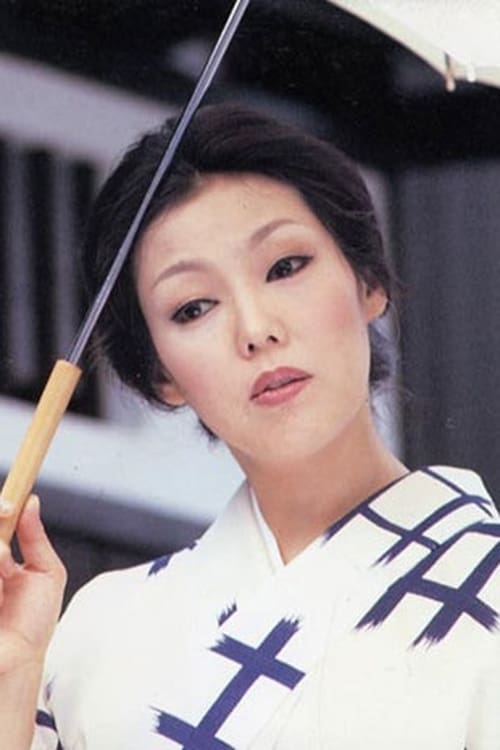
Japanese actress.
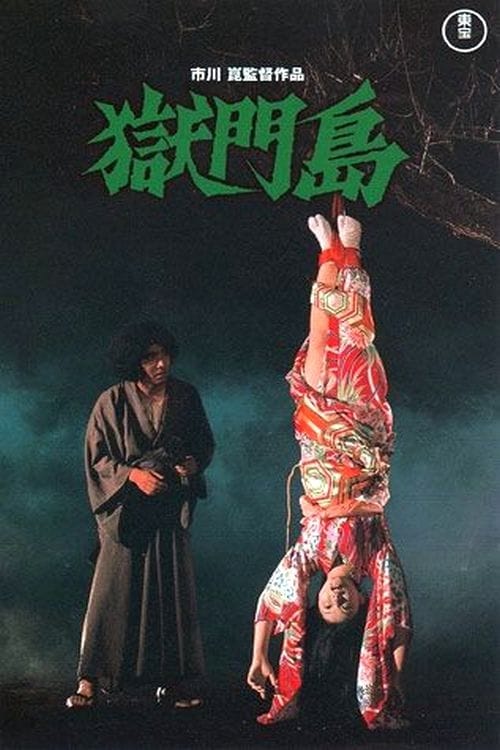
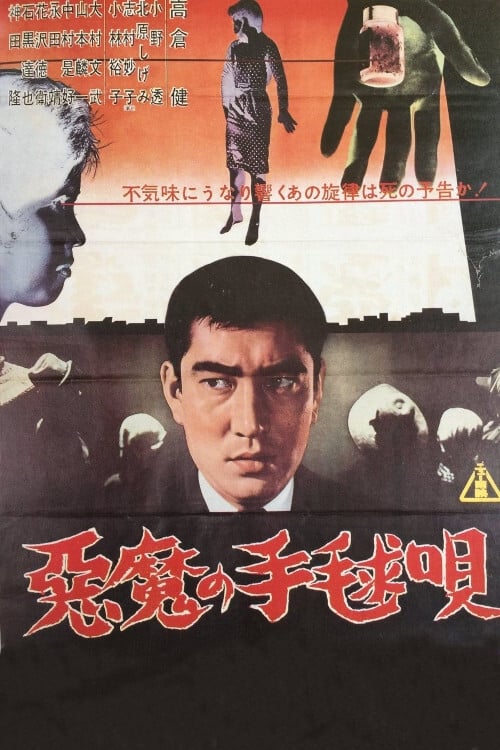
A scruffy detective investigates the murders of three sisters on a small Japanese island in 1946.
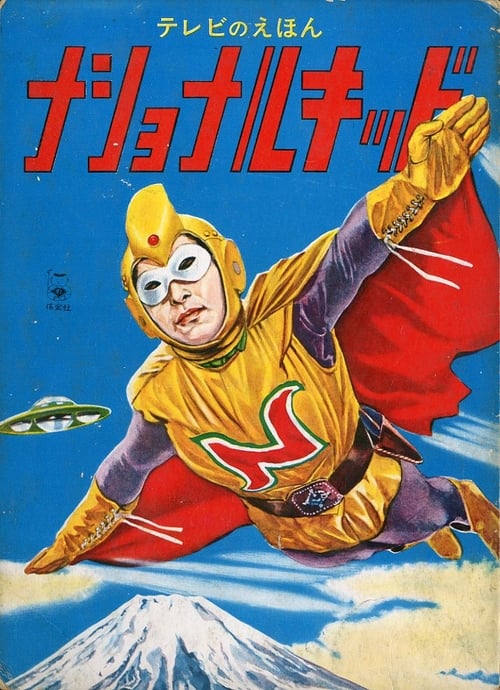
National Kid is a Japanese TV series produced by Toei Company in 1960. Created by mangaka Daiji Kazumine, it was commissioned by Panasonic, then known as Matsushita Electric, to promote the National brand. Although not very famous in Japan, the series has obtained cult status in Brazil, where it was very popular.
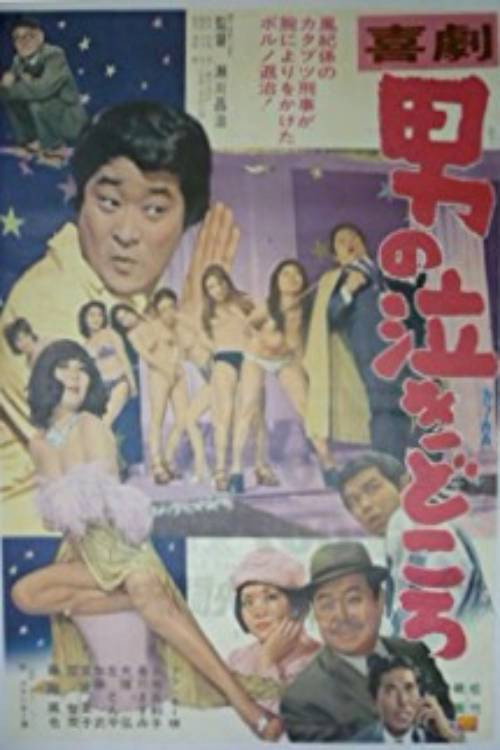
A straight-laced police officer is reassigned to the vice squad tasked with cracking down on underground pornography rings. While investigating a blue film operation, he becomes involved with a charismatic stripper who may hold the key to the case. As the investigation deepens, the officer finds his personal life and sense of masculinity unexpectedly transformed, blurring the line between duty and desire.
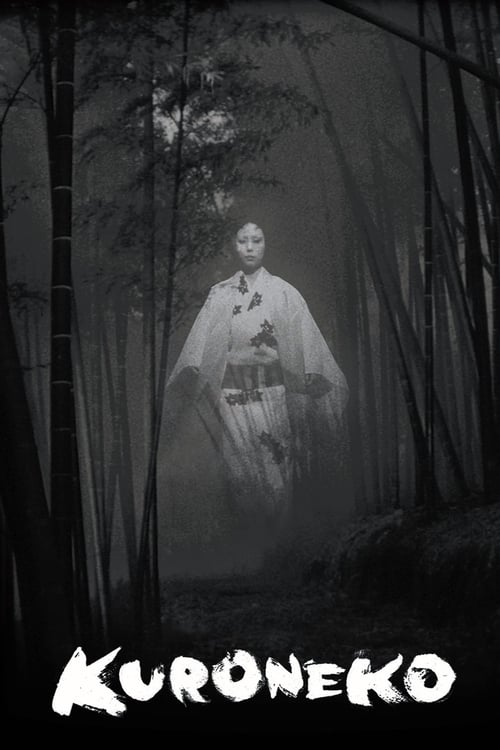
In the Sengoku period, a woman and her daughter are raped and murdered by soldiers during a time of civil war. Afterwards, a series of samurai returning from the war through that area are found mysteriously dead with their throats torn out. The governor calls in a wild and fierce young hero to quell what is evidently an Onryō ghost.
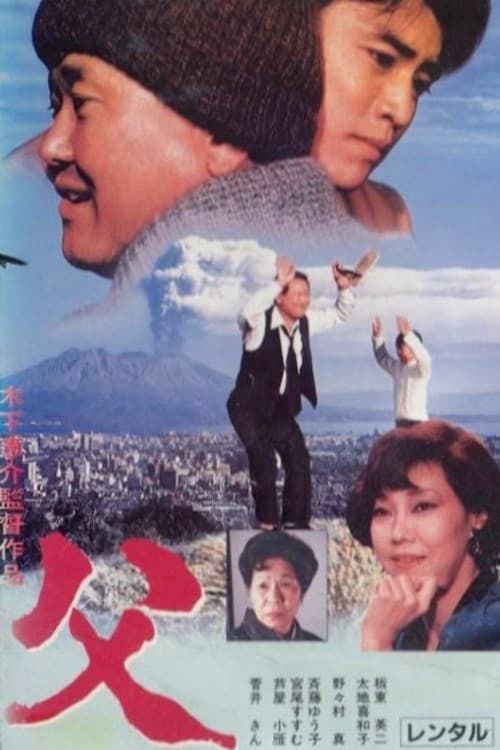
A middle-aged man's family loses patience with him as he struggles with his seemingly directionless life.
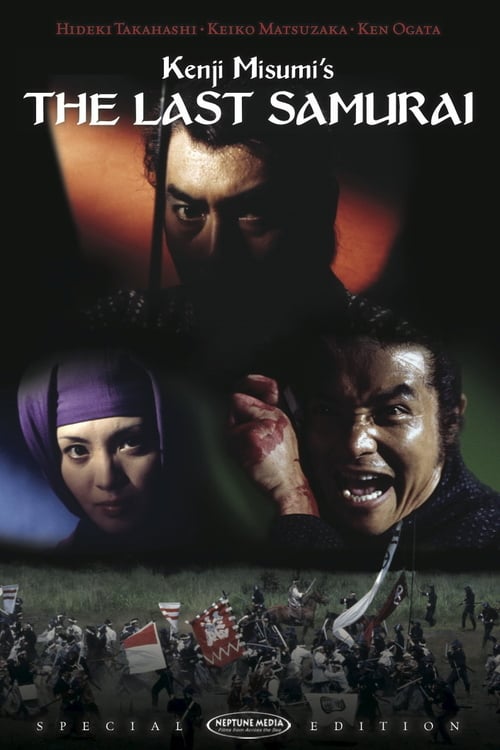
The film follows the story of Sugi Toranosuke, a ronin, who returns to his home town of Edo many years after his attempted suicide as a sickly child. Rescued and adopted by a master swordsman, he has grown into a master swordsman and a very kind gentleman. The time is around 1868 the year that the nails were finally put into the coffin containing the feudal system that nurtured and sustained the samurai. Sugi is confused and unsure about what is happening but his teacher wants him out of the chaos of the multiple power struggles between the various clans.
After accidentally causing the death of an old lady, Zatoichi tries to do right by buying the lady’s daughter’s freedom from a brothel - but this causes more problems than solves them.
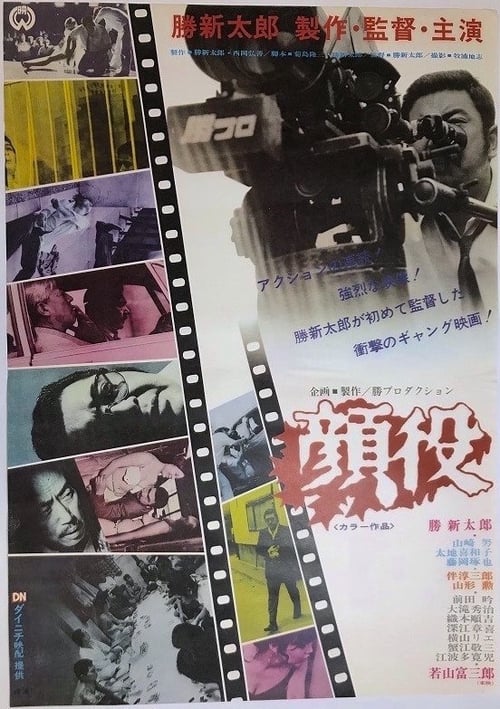
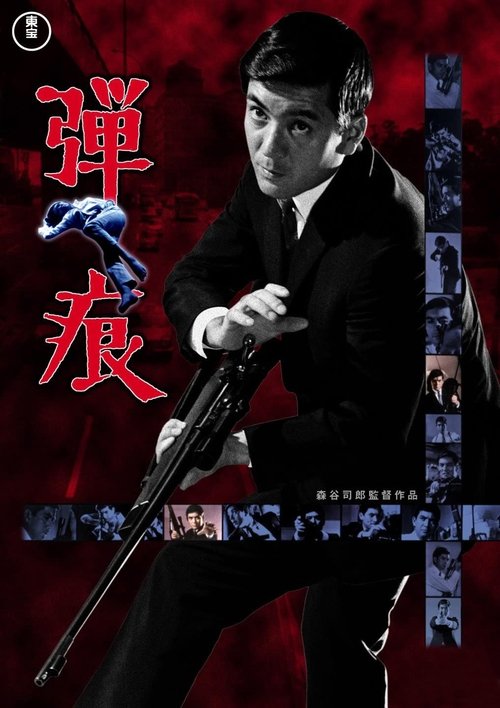
A detective is charged with investigating a bank corruption scandal.
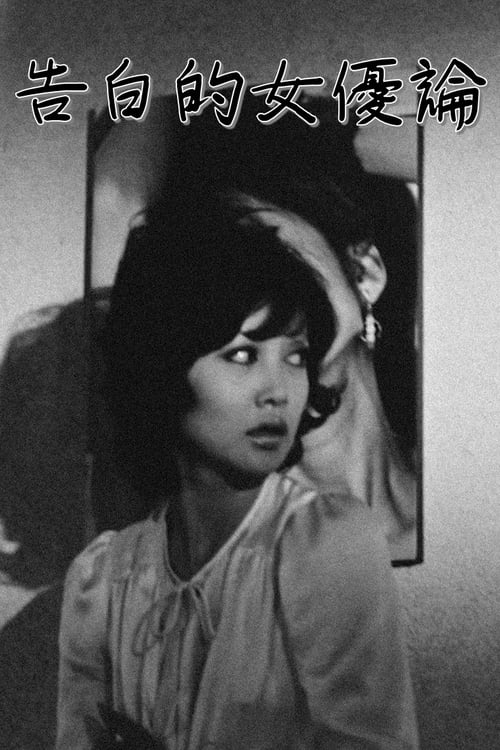
In this intricately layered Japanese film, the nature of actresses and what they gain from acting is explored. The lives of three actresses are laid bare, and scenes from their lives are woven in and out of interviews with each of them. Each of them has experienced a traumatic event which contributes to their particular enjoyment of becoming someone else in dramatic roles.
Yuzo Kayama is an American-Japanese operative working for the US to uncover an arms deal between an American seller and Chinese communists, and to take out both parties. After almost getting assassinated himself, he takes a wounded civilian with him despite living in a world where no one can be trusted.
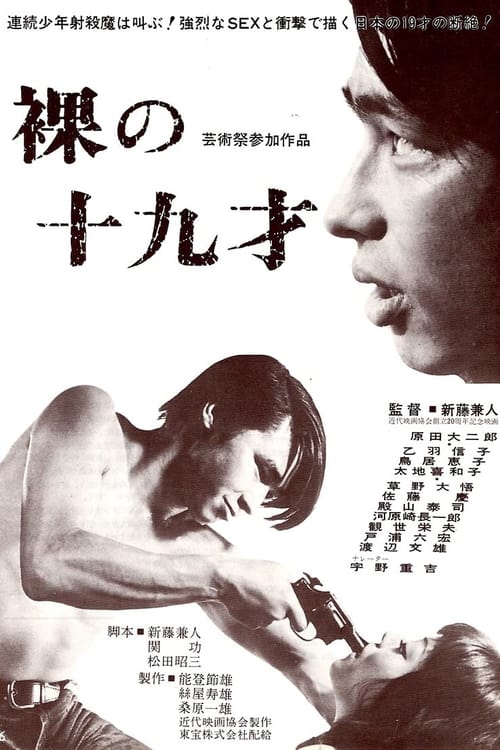
Michio Yamada, a recent school graduate, is sent to Tokyo to work as a fruit-packer in a department store as part of a government programme. He takes a gun from a house on an American base and uses it to kill several people. The scene changes to Yamada's childhood. Yamada is born the child of a reprobate and a weak-willed woman. As a boy Yamada, experiences poverty and the rape of his sister at first hand.
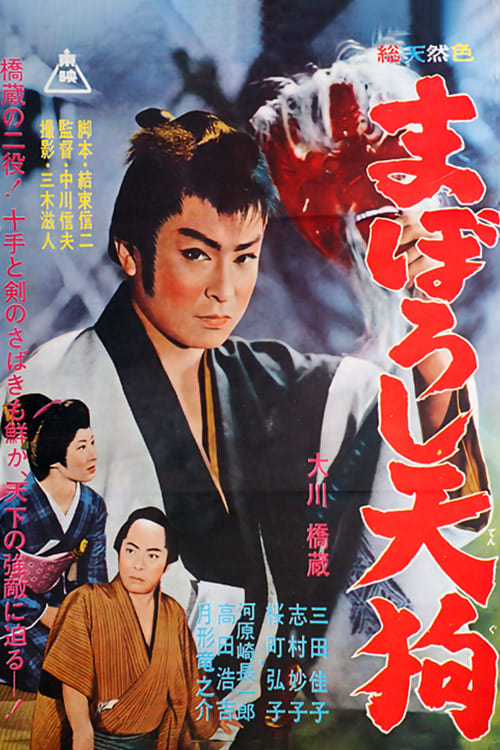
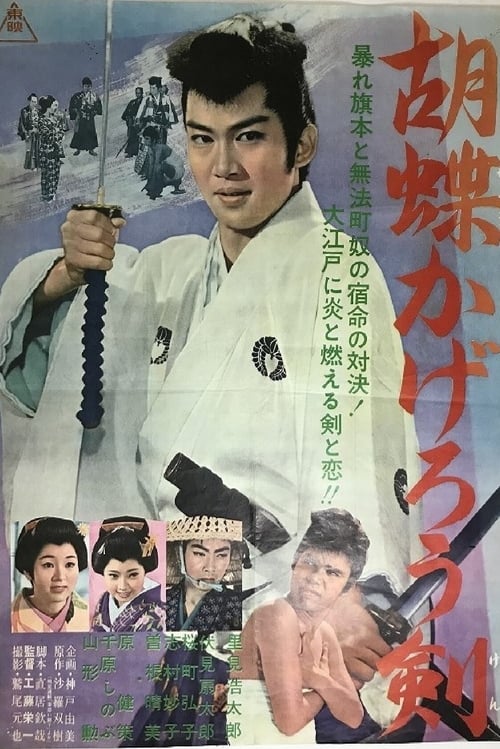
An injured Edo official is rescued by a vassal whose appearance is exactly like himself, and swears to sweep out the criminals from the town on his behalf.
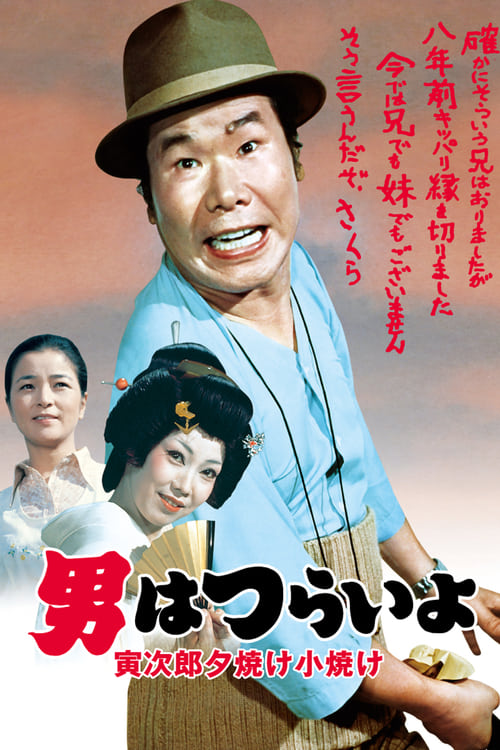
Tora-san arrives in Shibamata on Mitsuo's first day of school only to find that on his account, Mitsuo was embarrassed. After a fight with his family, he goes to a bar to drink, then brings home a surly old man with a sad story, whose identity will surprise everyone. Later, Tora meets Botan, a geisha.
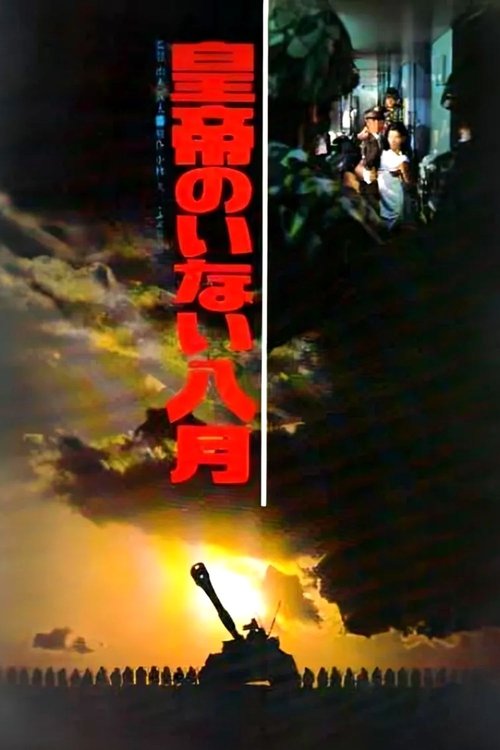
Taking the Chilean coup as an example, a group of young officers plan to overthrow the Japanese government on V-J Day. They aim to abolish the post-war constitution, restore the national army and revive the traditional spirit of Japan. As the conspiracy is exposed, the coup squadrons are wiped out one by one. The remaining squadron takes over a night train bound for Tokyo.
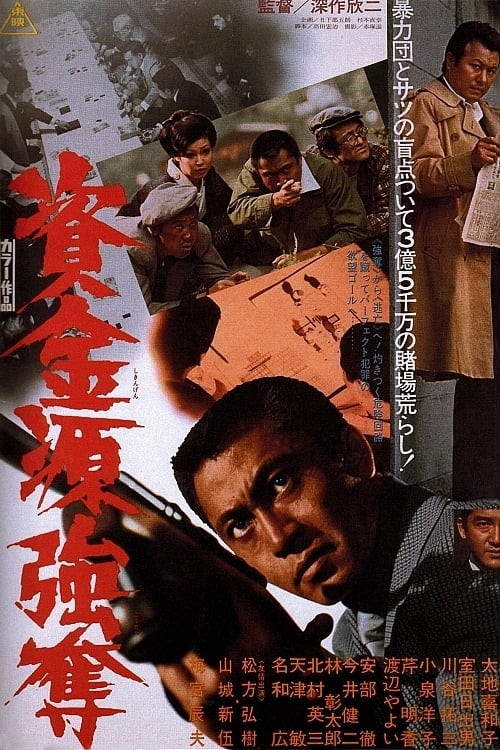
After eight years in prison, Takeshi’s mission is a big heist from his own clan’s gambling parlor.
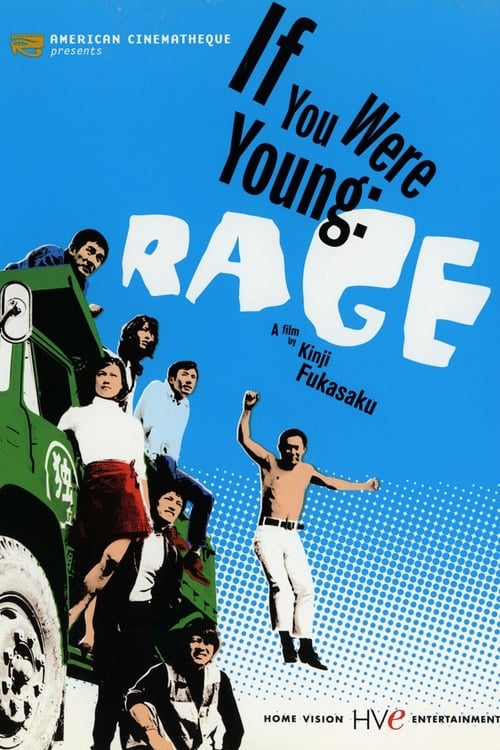
If You Were Young: Rage highlights the other side of post-war Japanese prosperity, focusing on the throngs of young people who missed out on the boom. We follow a group of young men that can't seem to get ahead, despite their willingness to try. Then one hits upon a plan - to work together to save for a dump truck and thus become independent contractors and be their own bosses at last. Ultimately life presents obstacles: jail for one, violence at the hands of the police for another, and a girlfriend and subsequent children for the third. An early Kinji Fukasaku gem that imports the freewheeling style of the French New Wave and the hip detachment of American noir.
1961 Toei adaptation of Yokomizo's novel.
No description available.
1961 Japanese movie
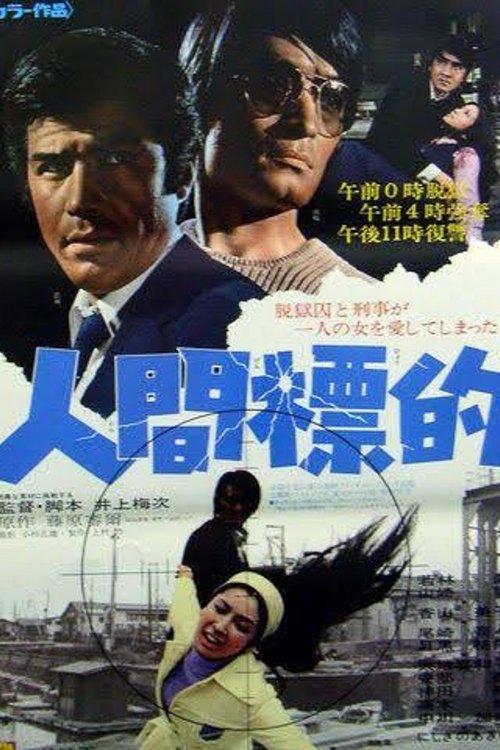
At midnight, Yamabe, a killer, escapes from prison. Two years before, bribed by a narcotic smuggler, Yamabe killed a real estate broker. As he was being arrested by detective Negoro, the detective's bullet struck Sakuko, Yamabe's girl friend who attempted to protect him, and crippled her. When Yamabe was sent to prison, Negoro cared for her and they fell in love. Sakuko asked him to marry her, but Negoro was reluctant to take the killer's sweetheart from him. Learning of the relationship of his girl friend and the detective, Yamabe had pledged revenge.