Acting
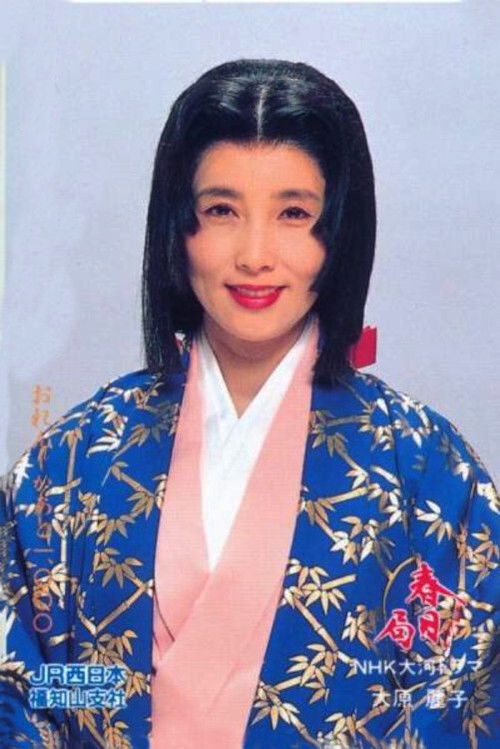
Reiko Ōhara was a Japanese actress.
SMAP×SMAP was an ongoing weekly Japanese variety show on Kansai TV and Fuji TV starring the members of SMAP. The show began on April 15, 1996 and it aired from 22:00 to 22:54 every Monday. The show's usual ratings were higher than 20%, which is considered high since most variety shows range from 10-20%. Each episode begins a variety of skits, comedic performances, and/or games. These are followed by Bistro SMAP, in which the SMAP members compete against each other to impress celebrity judges with their gourmet cooking. Last is a musical performance by SMAP which may include celebrity guests, as well.
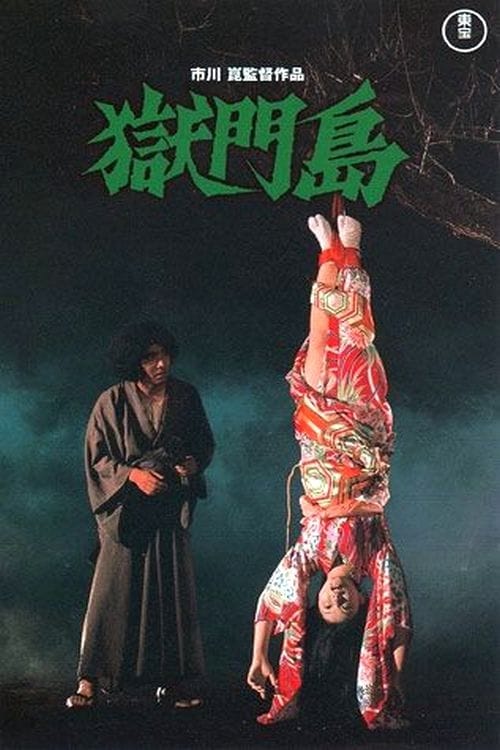
A scruffy detective investigates the murders of three sisters on a small Japanese island in 1946.
This is the story about the a very powerful Lady Kasuga who established Ooku the inner palace.
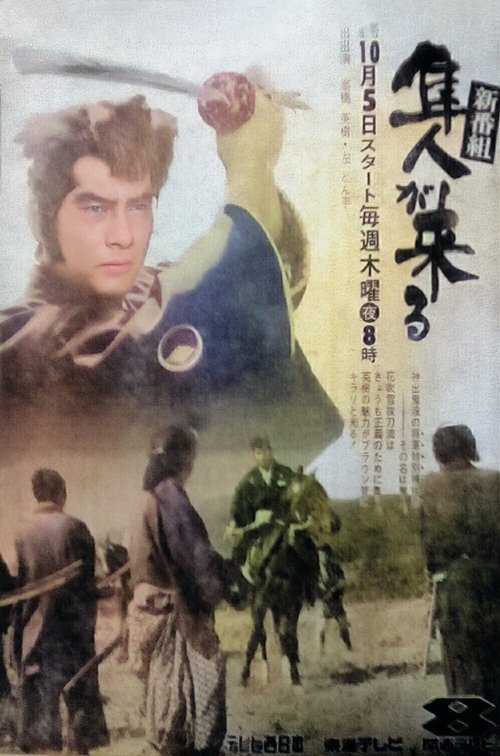
In the Kyoho era, Hayato, a shogun vassal commissioned as a traveling inspector by Tokugawa Yoshimune, adopts the guise of a ronin. Accompanied by the enigmatic Kihachi the kappa, he journeys discreetly through different provinces, administering justice to the malevolent forces...
A suspense comedy about thieves starring Kazuo Funaki.
No description available.
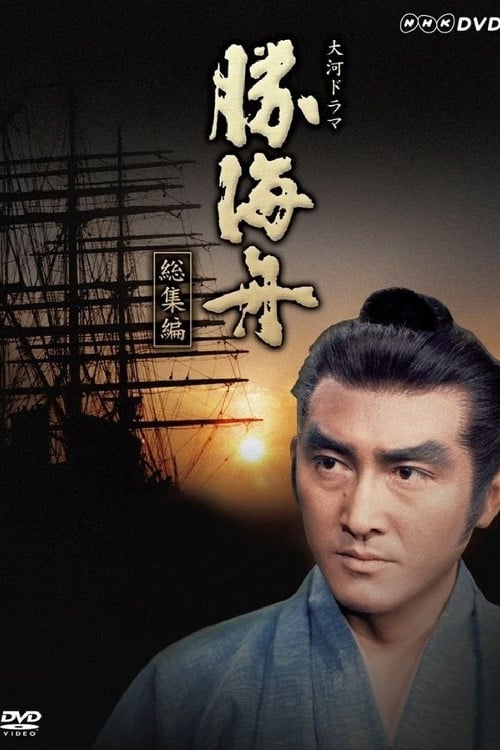
Katsu Kaishū deals with end of the Edo period. Based on Kan Shimozawa's novels "Katsu Kaishū "
Genji, the son of the emperor, is the talk of the Kyoto nobility for his charm and good looks, yet he cannot stop himself from pursuing an unobtainable object of desire: his father's young and beautiful bride. Following the tragic consequences of his obsession, Genji wanders from one affair to another, always seeking some sort of completion to his life.
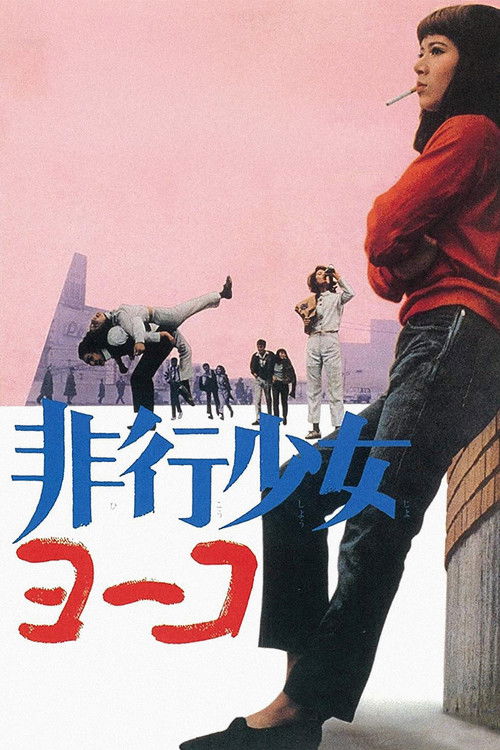
Easily bored, but still innocent and naive countryside girl discovers partying in Tokyo is a ton of fun. Yakuza-to-be is an acquaintance who tries to rape her, and the typically bland but very-good-here the first boyfriend.
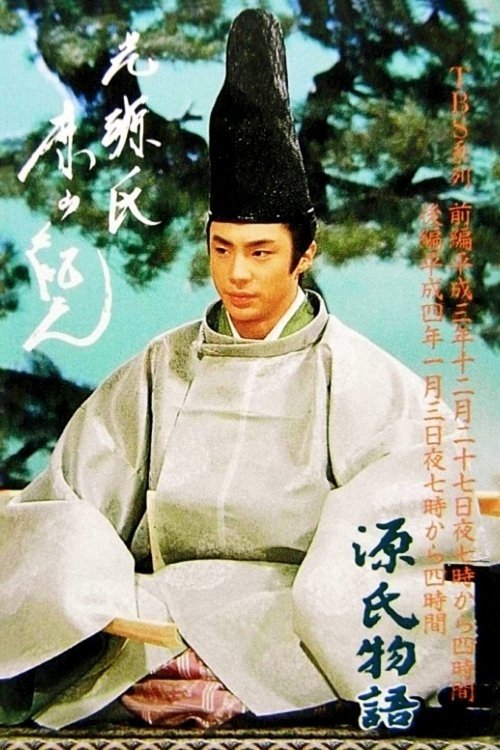
The life of Prince Hikaru Genji, who was nicknamed "Shining" by people for his dazzling noble beauty. Based on the novel "The Tale of Genji" by Murasaki Shikibu.
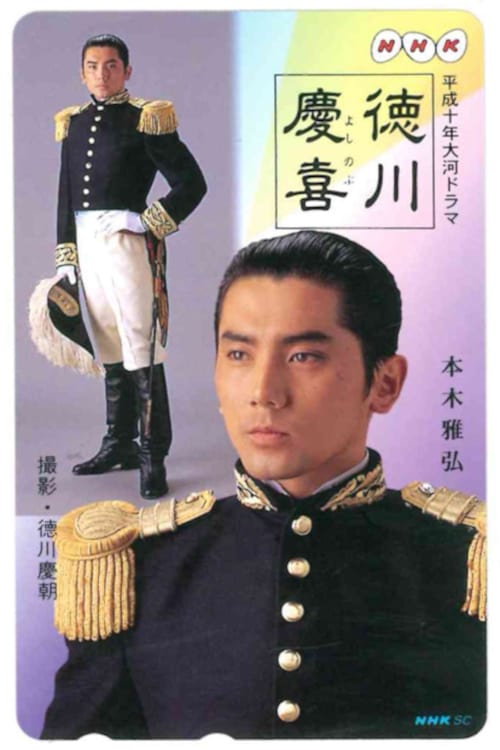
The 37th NHK Taiga Drama is Tokugawa Yoshinobu. The series focuses on the life of Tokugawa Yoshinobu, the 15th and final ruler of the Tokugawa period. Born the seventh son of Lord Nariaki of Mito, Yoshinobu is named shogun when he is just 29 years old. With a wisdom and vision beyond his years, he tries to prolong the life of this 200-year-old dynasty which began with Ieyasu. However, he is unable to forestall the winds of revolution as clans in Choshu, Satsuma and Tosa, with the help of the Imperial Court, clamor for change.
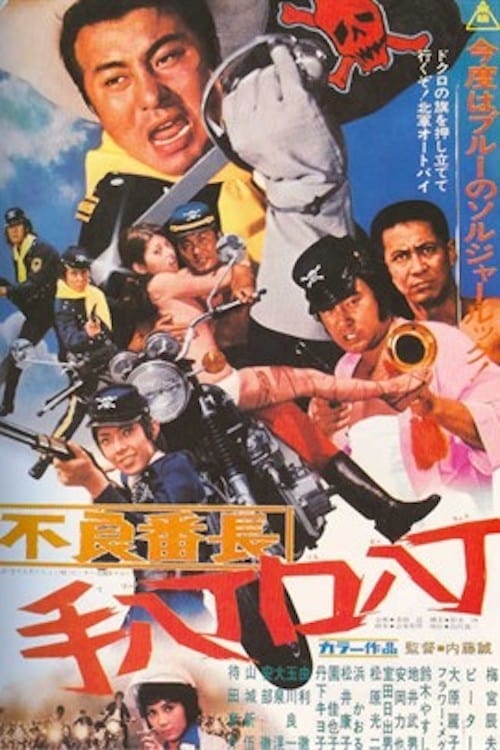
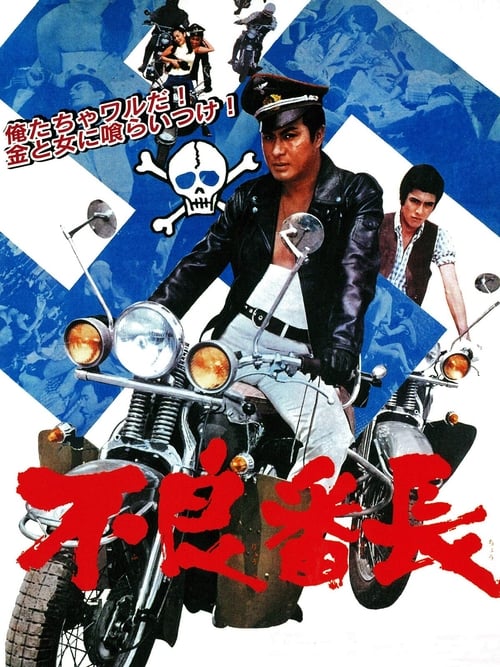
This is the Twelfth film in the series. There were seventeen Wolves of the City films between 1968 & 1974, in the main aimed at shock-value & “pinku” soft-core with sex, nudity, violence, gunplay, & a lot of mainly pointless foolishness when the biker gang coopts racist or nazi imagery, inventing a non-existent youth culture void of morality…
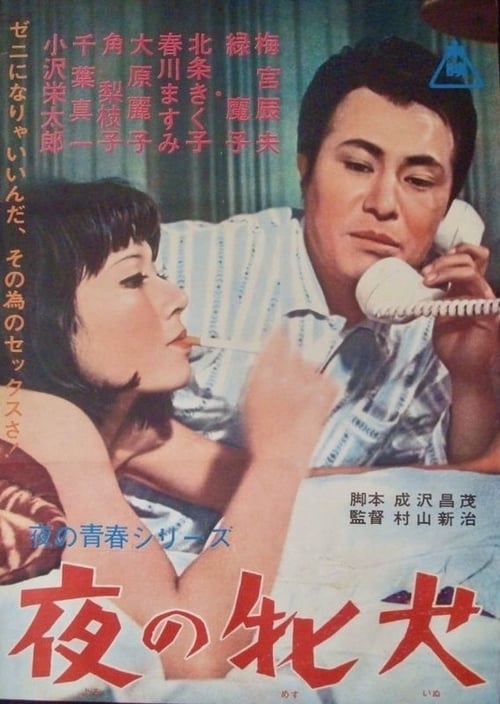
A playboy bartender pretends to be gay in order to approach women. He is in cahoots with another opportunist, a young woman who is trying to seduce a rich married man. Their attempts at making easy money can only end tragically.
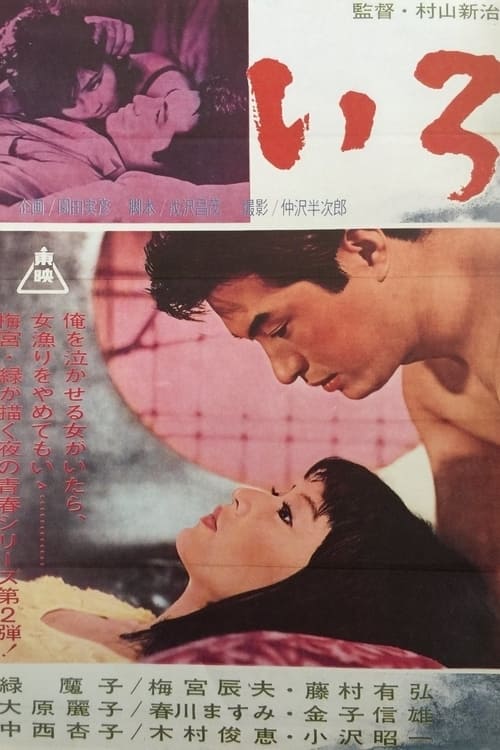
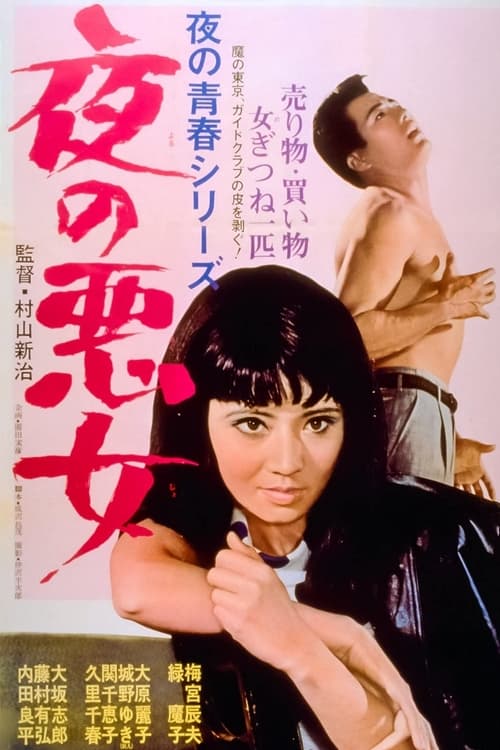
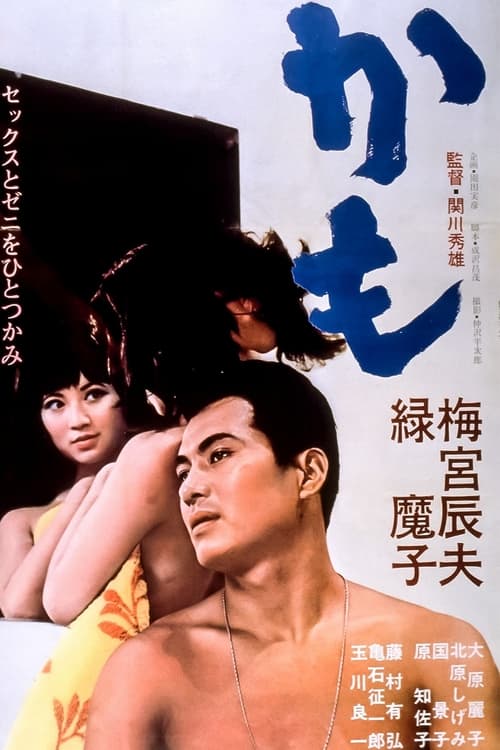
A man who hunts for women and sells them to bars and cabarets. This film depicts the lives of men and women who breathe the dark side of the city and live with a mysterious strength amidst vice. The fourth film in the Night Youth series by the duo Umemiya Tatsuo and Midori Mako.
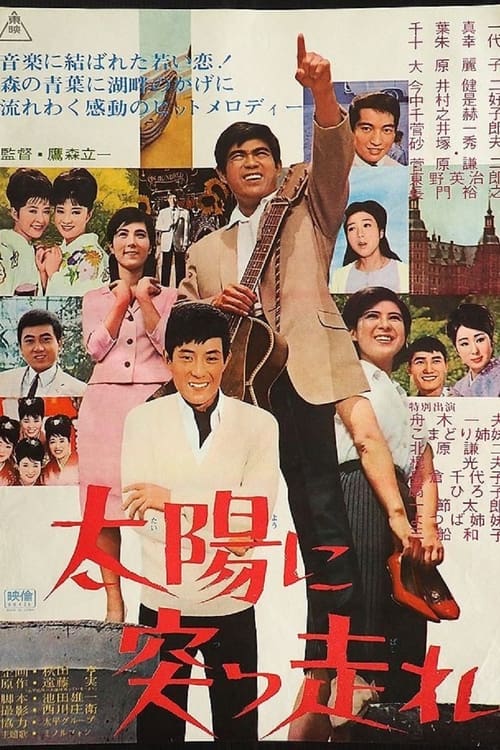
A song drama based on the autobiographical song "The sun is laughing" by composer Endo Minoru. It tells the story of a young man who moves to Tokyo with a big dream of becoming a composer, and despite the unfamiliar city life, sticks to his original intentions with the gentle encouragement of his young wife, and takes the music world by storm.
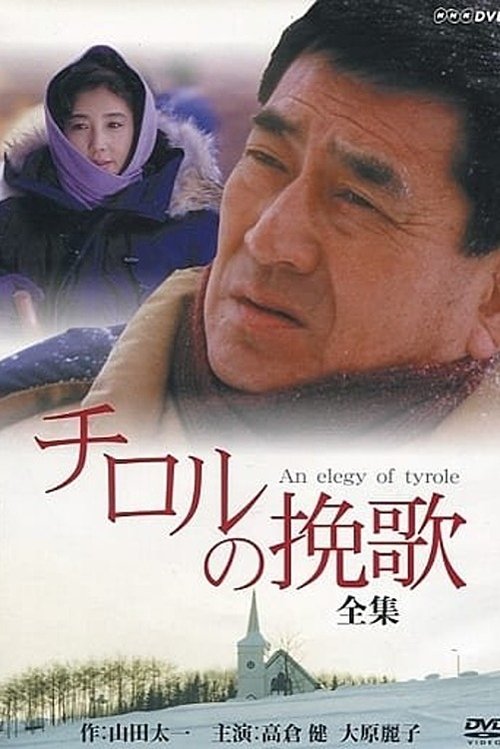
In the past, it was bustling with coal mines, but due to the closure of the mine one after another, the city of Nupuka no Shiki in Hokkaido is currently suffering from depopulation. The mayor, Yamagata, is trying to revitalize the city by proceeding with the construction of the theme park "Tyrolean World" with capital participation from the Kanto Electric Railway in Tokyo. Tateishi, the head of the engineering department of the Kanto Electric Railway, is assigned to Hokkaido, leaving his daughter Aki in Tokyo to be responsible for the construction and operation of Tyrolean World. There he meets Kikukawa, whom Tateishi had dissuaded from committing suicide in the past. Soon complicated triangle forms, beetwen Tateishi feeling responsible for Kikukawa, his wife and Kikukawa himself, trying run from the situation.
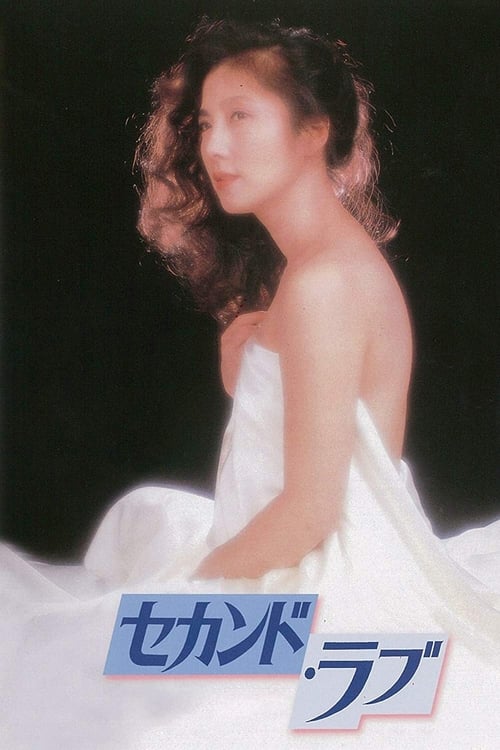
Kazumi - whose sensitivity does not undermine her strength when she handles her second husband's emotional conflicts with the wisdom of an adult. Kazumi's younger and more inexperienced husband Hideo is continually suspicious of her fidelity.
The first in what would become Toei's most successful, longest-running bosozoku film series. It lasted from 1968 till 1972 through sixteen films.
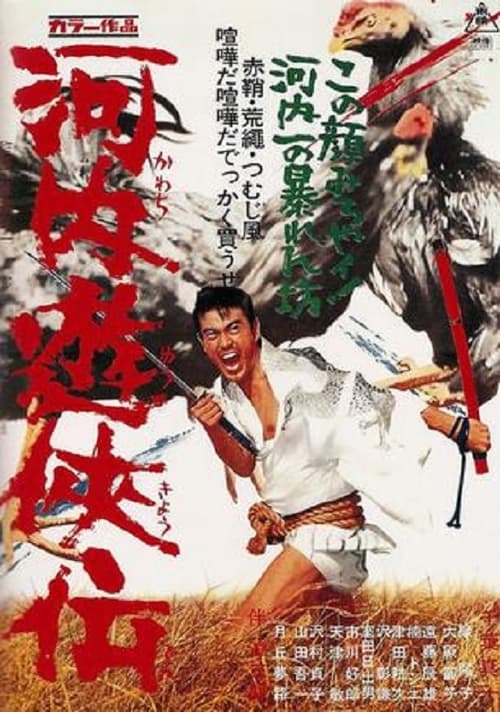
A roughneck named Komakichi of Kawachi, Osaka, comes back from a three-year training course to become a chef, hoping to be with his crush Tamae, a daughter of a Japanese restaurant’s owner. His father is not happy because Komakichi has no intention to become a rickshaw man to follow in his father’s footsteps.