Acting
SMAP×SMAP was an ongoing weekly Japanese variety show on Kansai TV and Fuji TV starring the members of SMAP. The show began on April 15, 1996 and it aired from 22:00 to 22:54 every Monday. The show's usual ratings were higher than 20%, which is considered high since most variety shows range from 10-20%. Each episode begins a variety of skits, comedic performances, and/or games. These are followed by Bistro SMAP, in which the SMAP members compete against each other to impress celebrity judges with their gourmet cooking. Last is a musical performance by SMAP which may include celebrity guests, as well.
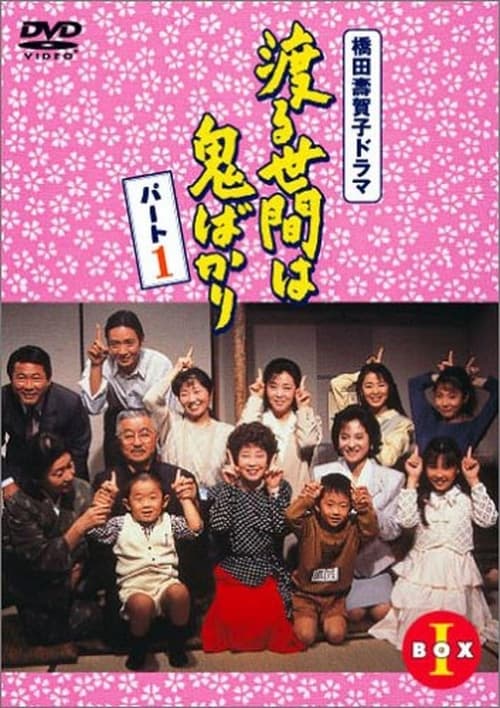
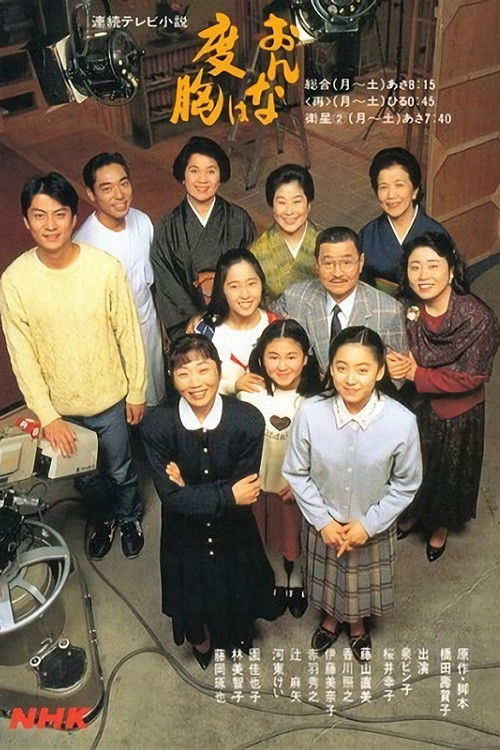
A family drama series that follows the lives of the Okakura family, focusing on the parents and their five daughters. It explores personal struggles, and societal issues through the interactions and conflicts among the family members.
No description available.
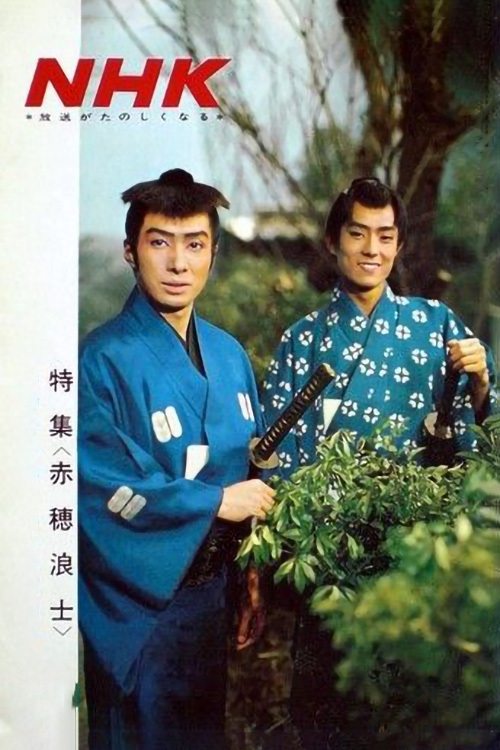
"Ako Roshi" is a group of 47 former retainers of Lord Asano. Lord Asano was forced to commit suicide after attempting to kill Lord Kira. Once the retainers hear about their Lord's death, they sacrifice their lives to regain the honor of their former master.
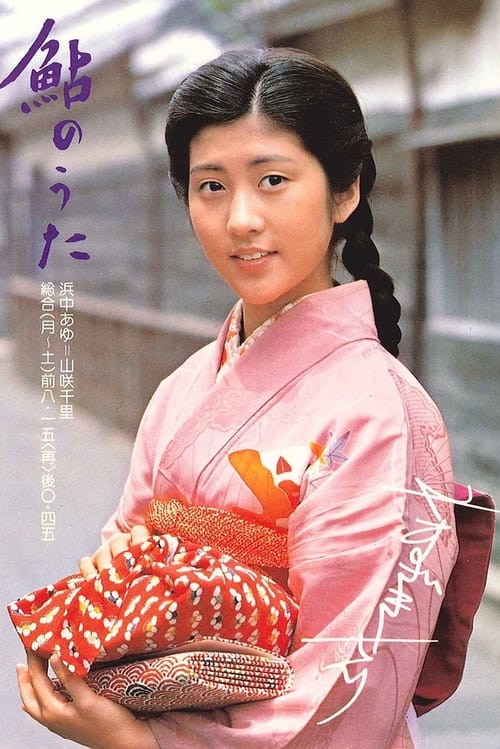
The 24th NHK Asadora. Starring Senri Yamazaki as a woman who makes her life at a fishing port.
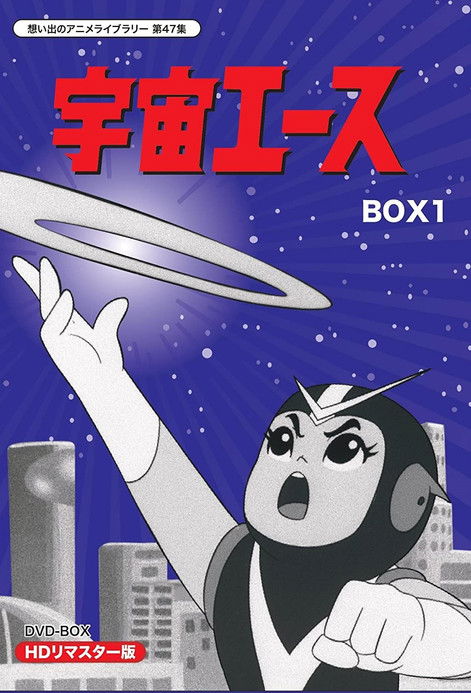
Space Ace is a Japanese science fiction manga series written and illustrated by Tatsuo Yoshida and serialized in Shueisha's Shōnen Book magazine from June 1964 to May 1966. It was adapted into an anime television series by Tatsunoko Production and aired on Fuji TV from May 8, 1965 to April 28, 1966.
Set in Osaka just after the end of the war, the story depicts an unconventional merchant who returns from evacuation. The film is based on the novel of the same name written by Teru Miyamoto, and the screenplay was written by Eizo Sugawa, who also wrote "Horagawa". The director is Takeichi Saito, who also directed "Kawachi no Osan no Uta: Yokita no Ware". Kozo Okazaki, who worked on "I am a Cat," is in charge of the cinematography.
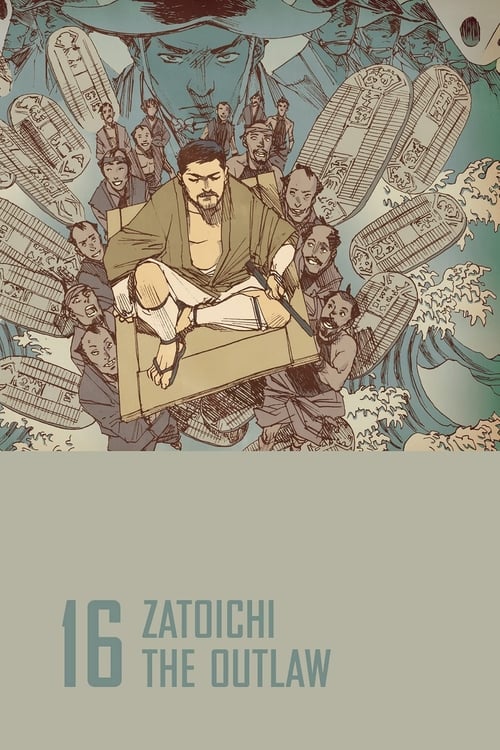
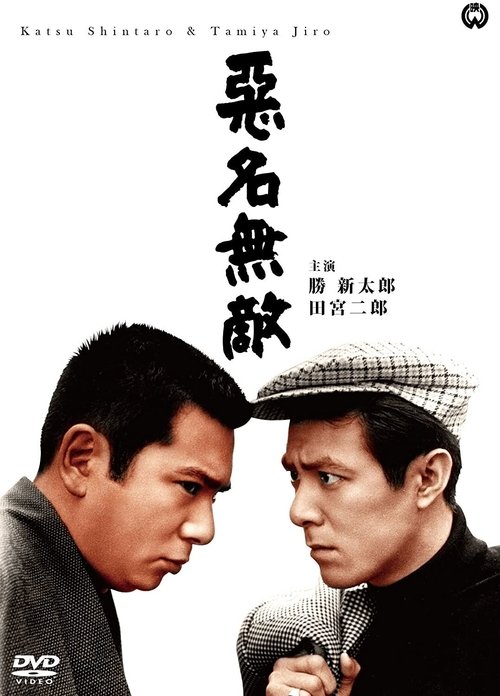
When a local gambling house kidnaps some peasants because they failed to pay their debts, a rival gambling house pays their debts and sets them free.
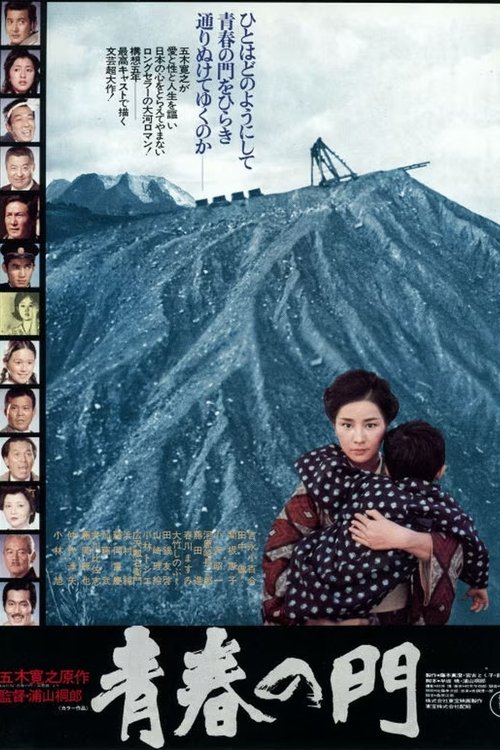
Mainly the story of Shinsuke and his stepmother, ranging from Shinsuke's infanthood to his mid-teens. Coal workers and the mines dominate nearly every aspect of the life of the characters. Shinsuke's father dies while bravely using dynamite to rescue a group of trapped Korean miners. Several older men attempt to help he and his mother cope, including a kind Korean and a Harley-riding yakuza.
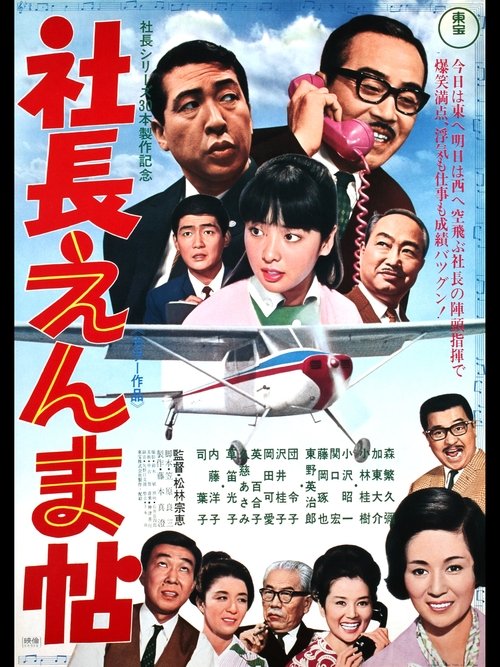
A cosmetics company president launches an aggressive new business strategy while balancing corporate pressure, romantic entanglements, and a high-profile international partnership.
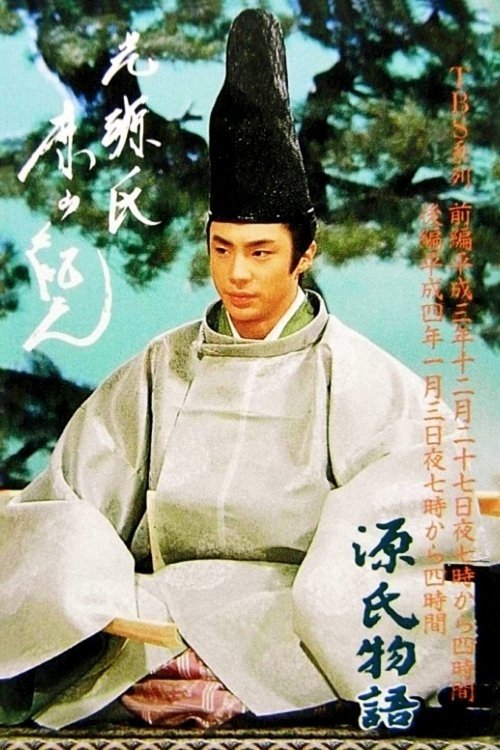
The life of Prince Hikaru Genji, who was nicknamed "Shining" by people for his dazzling noble beauty. Based on the novel "The Tale of Genji" by Murasaki Shikibu.
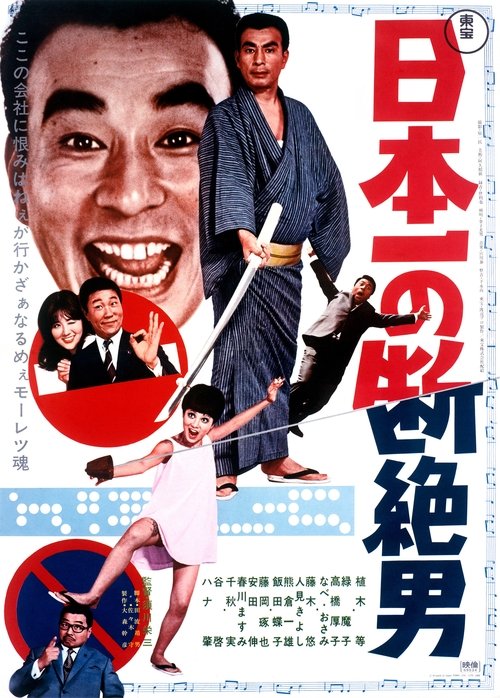
Contrast between two outlooks on life: one of a poor factory worker and the other the heir to millions.
The 47th NHK Asadora chronicles the conflicts between a woman and her step-daughter in a hot springs town.
Maruyama, a day laborer, is living on an abandoned ship at the port of Osaka when he meets an elusive man offering a job.
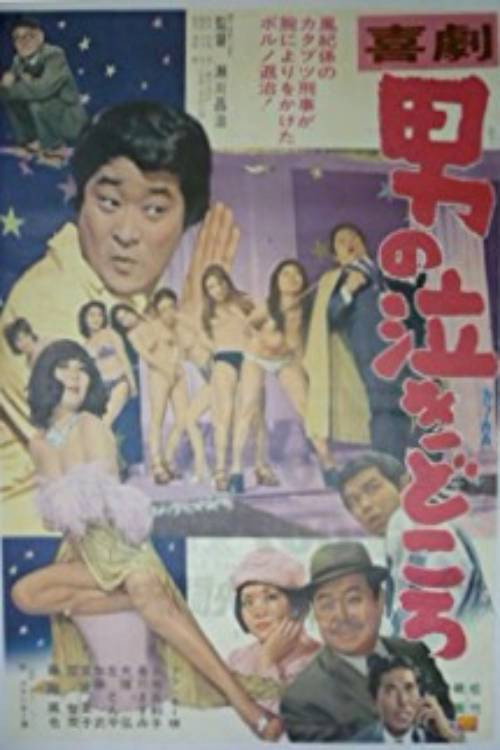
A straight-laced police officer is reassigned to the vice squad tasked with cracking down on underground pornography rings. While investigating a blue film operation, he becomes involved with a charismatic stripper who may hold the key to the case. As the investigation deepens, the officer finds his personal life and sense of masculinity unexpectedly transformed, blurring the line between duty and desire.
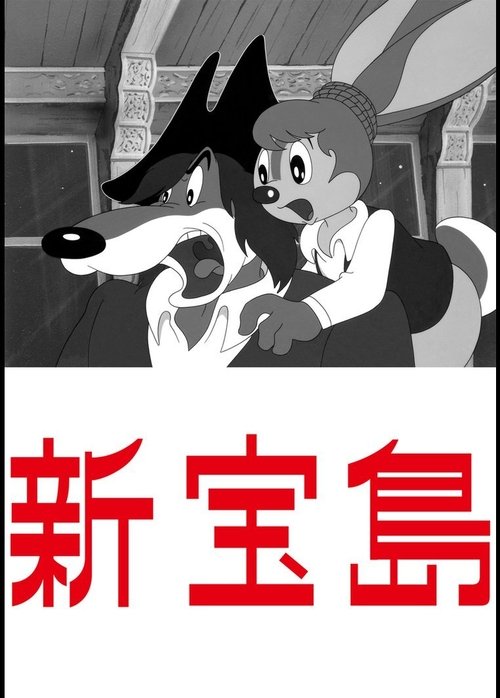
This was the first episode of Mushi Pro Land, a unique series of 60-minute animated programs. It was also Japan's first 60-minute animated TV program. However, the series never materialized and only this episode was actually aired. The story follows Stevenson's "Treasure Island," featuring characters in the form of animals. For example, the pirate Silver is illustrated as a wolf, where the main character Jim is changed into a rabbit. This has, therefore, nothing to do with the "New Treasure Island," Tezuka's masterpiece Manga.
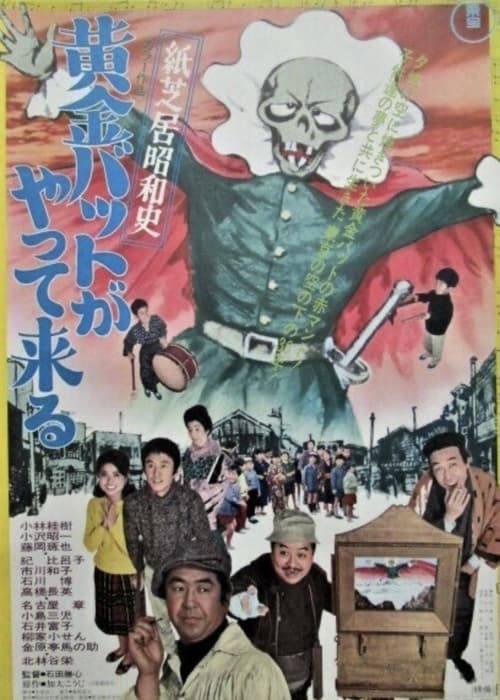
The dramatized tale of the 1935 creation of Japan's first superhero, the "Golden Bat", alongside the changes during and after the Second World War, not just to the hero himself, but the art of "kamishibai" picture stories that he originated from.