Production
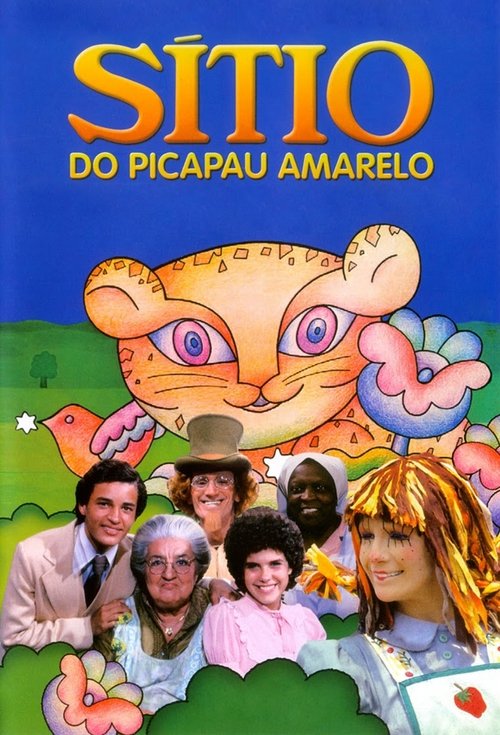
The stories created by Monteiro Lobato take place at the "Sítio do Picapau Amarelo" (Yellow Woodpecker Farm), where various characters experience magical tales and star in unforgettable adventures.
Testimony by instrumentalist Osvaldinho da Cuíca with historical explanation of the presence of cuíca in several countries around the world and its popularization in Brazil based on samba. Osvaldinho gives tips on how to extract the sound from the instrument and makes a presentation at the Casa Verde Samba School Mocidade Alegre.
No description available.
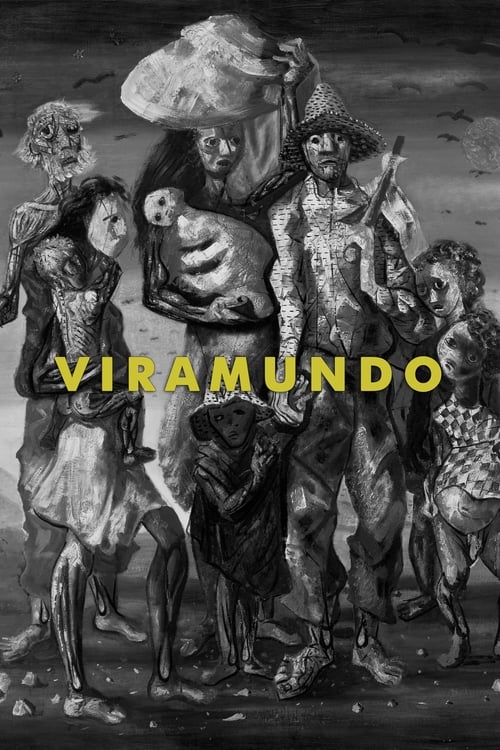
Viramundo shows the saga of the northeastern migrants that arrive in São Paulo, beginning with a train arriving and ending with a train leaving São Paulo in a cycle repeated every day. Viramundo's aim was to question why the military coup d'état in Brazil happened without any popular resistance or revolution or reaction of the society.
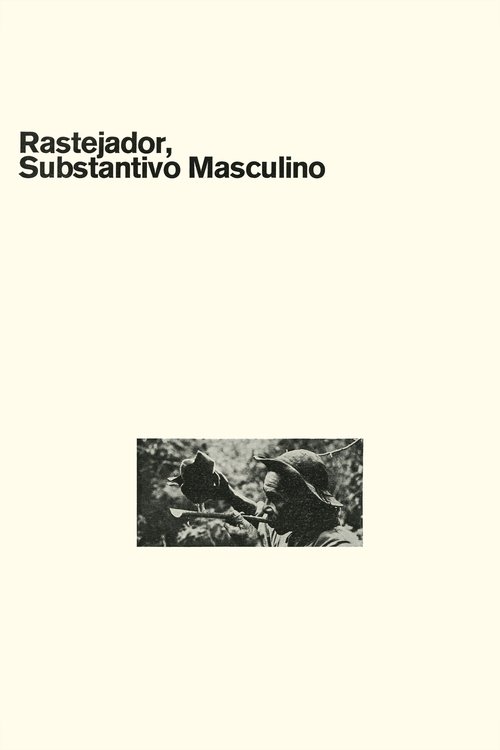
Report of a crawler, who helped the steering wheels to find traces of the cangaceiros in the caatinga and their knowledge to survive in this environment.
The crowd is the focus of this documentary, which presents historical scenes of the Brazilian Championship. Irreverent and poetic, the movie pays homage to the spectacle provided by football.
A Brazilian film, inspired by local publications known as literatura de cordel, that chronicled political, social and cultural events, as well as containing folk tales.
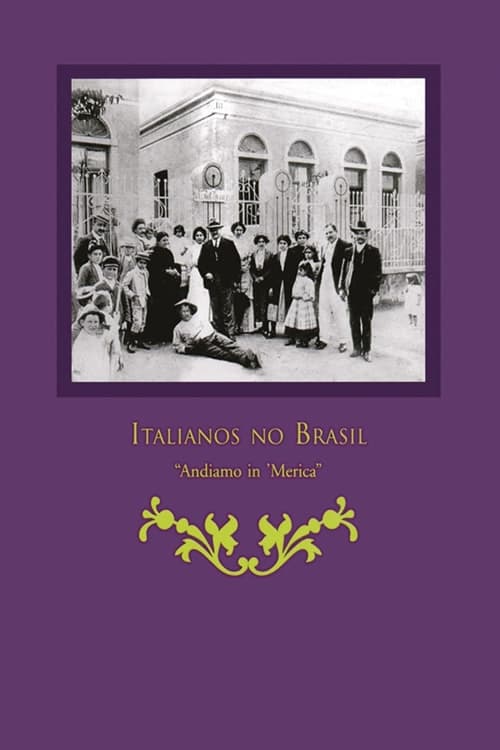
A documentary about Italian immigration in Brazil.
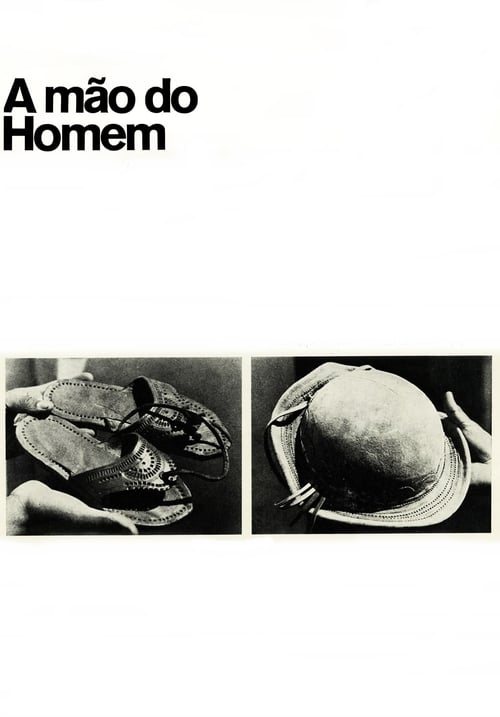
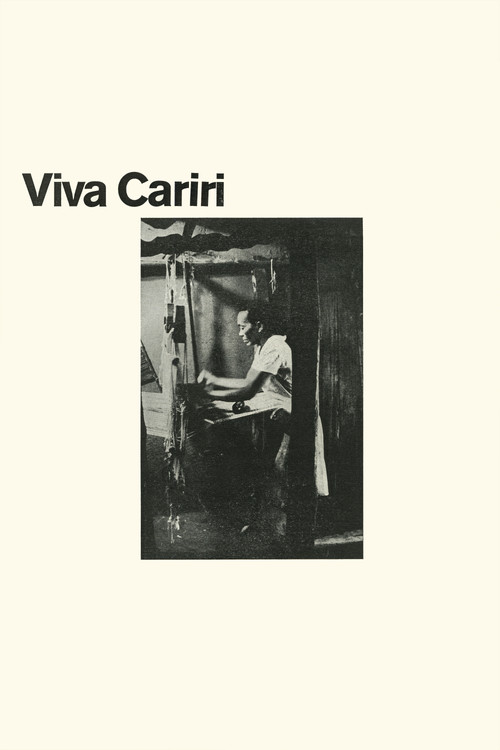
A vision of the different forms of handicraft production in the interior of Paraíba.
Deformed form by which the word "beast" (medieval weapon) is pronounced in the north of the Brazilian state of Bahia and was still present in the cultural memory of the region.
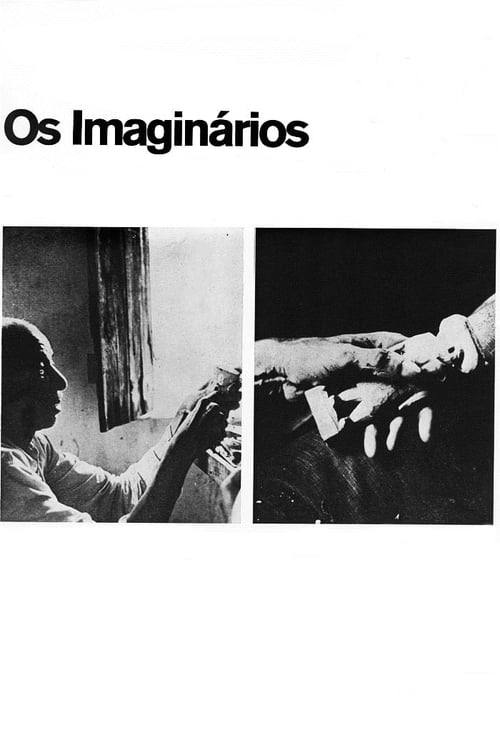
Pilgrims from the Northeast have the habit of buying images of characters in whom they identify exemplary behavior. By carving wood to shape these figures, the imaginary artists, artisans who make images of typical characters from the traditional Northeast, perpetuate a tradition that has changed over time. The ways of the traditional artist adapt to the demands of the tourism market and the dissociation between their conscience and the real meaning of the work to which they dedicate themselves.
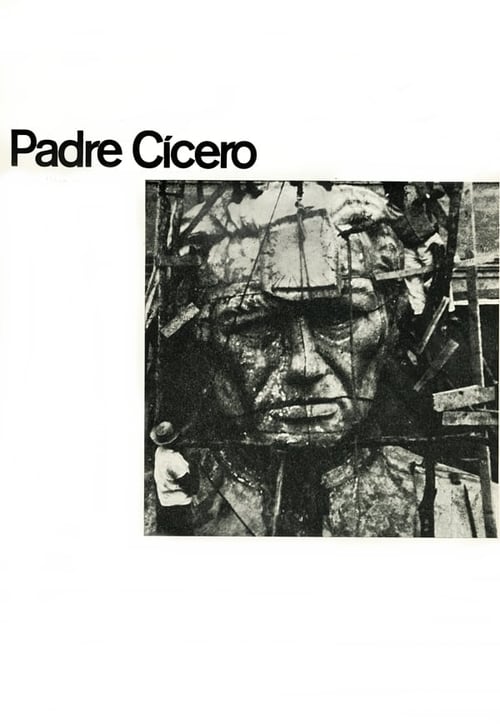
A short documentary that presents the legacy of Padre Cícero, an important priest for the Juazeiro do Norte community, who managed to bring progress and new developments to the town after a miracle to brought plenty of attention to the region.
Amid the civil-military dictatorship implanted with the 1964 coup, Sergio Muniz had the idea of making a documentary about the action of the Death Squad. At the time, the press still had some freedom to disseminate the work of these death squads formed by police officers of various ranks, and that he acted on the outskirts of cities like Sao Paulo and Rio de Janeiro. The victims of police repression (as today) were men, poor and black, and this condition is supposed criminals.
The confrontations and conflicts between the city of Padre Cicero's pilgrims and the attempts to develop the region.