Writing
Play for Today is a British television anthology drama series, produced by the BBC and transmitted on BBC1 from 1970 to 1984. During the run, more than three hundred programmes, featuring original television plays, and adaptations of stage plays and novels, were transmitted. The individual episodes were between fifty and a hundred minutes in duration.
A BBC television anthology series featuring productions of classic and contemporary stage plays usually broadcast on BBC1. Each production featured a different work, often using prominent British stage actors in the leading roles. The series was transmitted from October 1965 to September 1983.
An anthology series of television plays which aired on BBC1 from October 1964 to May 1970. The plays were usually written for television, although adaptations from other sources also featured.
Anthology series of dramatic works.
ITV Playhouse is a British comedy-drama TV series that ran from 1967 to 1983, which featured contributions from playwrights such as Dennis Potter, Rhys Adrian and Alan Sharp. The series began in black and white, but was later shot in colour and was produced by various companies for the ITV network, a format that would inspire Dramarama. Actors appearing in the series included Leslie Anderson, Gwen Nelson, Ricky Alleyne, Pat Heywood, Michael Elphick, Ian Hendry, Edward Woodward, Margaret Lockwood, Jessie Matthews and Lloyd Peters.
An anthology of short plays shown on BBC Television between 1965 and 1973, used in part at least as a training ground for new writers, on account of its short length, and which therefore attracted many writers who later became well known.
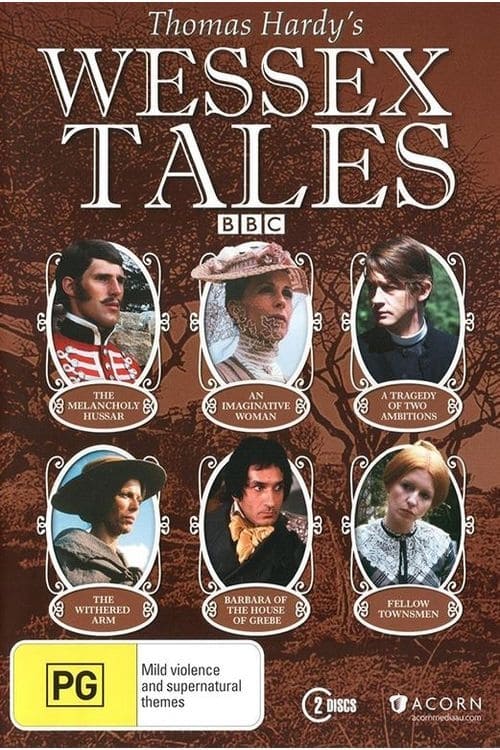
An anthology series based on the Wessex Tales, a collection of short stories by novelist Thomas Hardy.
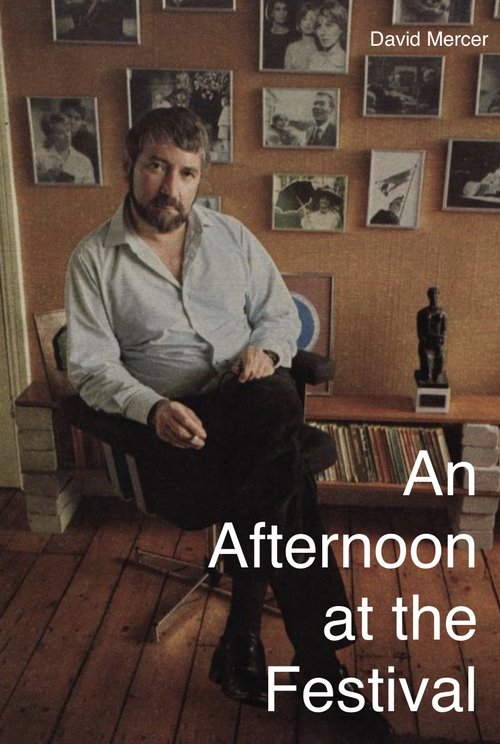
Ahead of a screening of his latest film a director converses with a prostitute, whilst his female star and estranged wife talks to a writer, his brother. Intercut are scenes from the film, and the making of it.
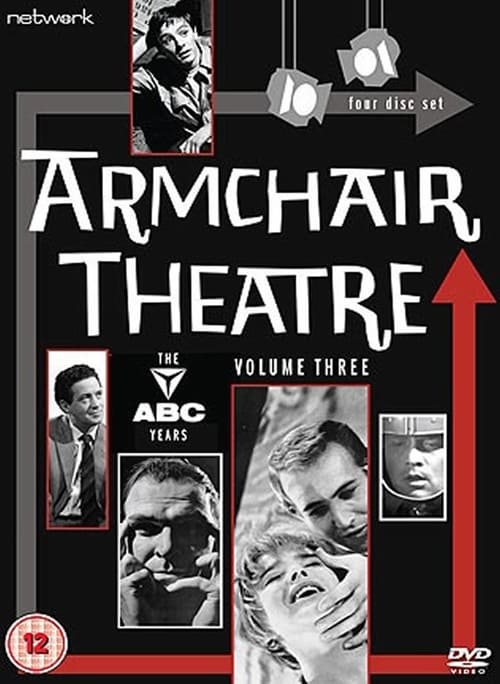
Armchair Theatre is a British television drama anthology series of single plays that ran on the ITV network from 1956 to 1974. It was originally produced by Associated British Corporation, and later by Thames Television from mid-1968.
On the eve of his 78th birthday, ailing, alcoholic writer Clive Langham spends a painful and sleepless night mentally composing and recomposing scenes for a novel in which characters based on his own family are shaped by his fantasies and memories, alongside his caustic commentary on their behaviour.
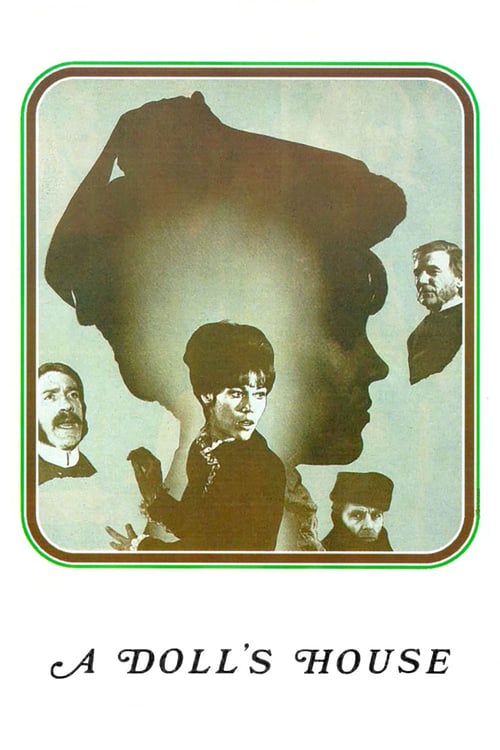
Nora Helmer lives a quiet life with her husband, Torvald, in a small Norwegian town. While he works diligently at a bank, she looks after their children. But Torvald doesn't know that several years ago, when he was very ill and she was desperate for money, Nora forged a loan document and has been secretly working to pay the money back ever since. The arrival of her friend Kristine prompts Nora to re-evaluate her life and confront Torvald.
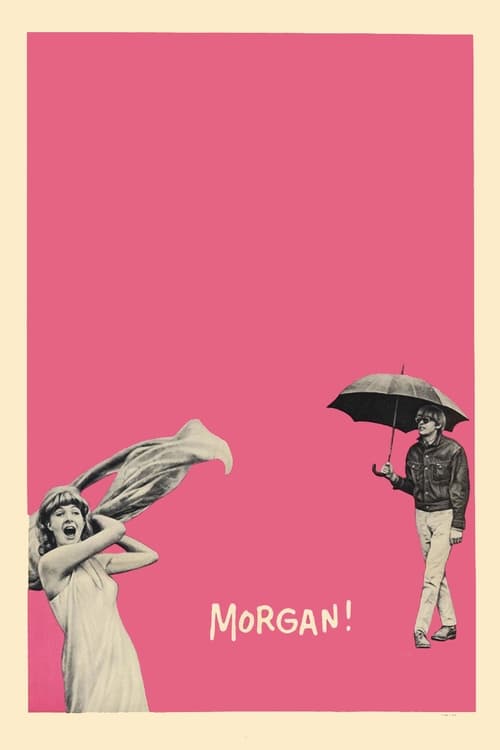
Morgan, an aggressive and self-admitted dreamer, a fantasist who uses his flights of fancy as refuge from external reality, where his unconventional behavior lands him in a divorce from his wife, Leonie, trouble with the police and, ultimately, incarceration in a lunatic asylum.
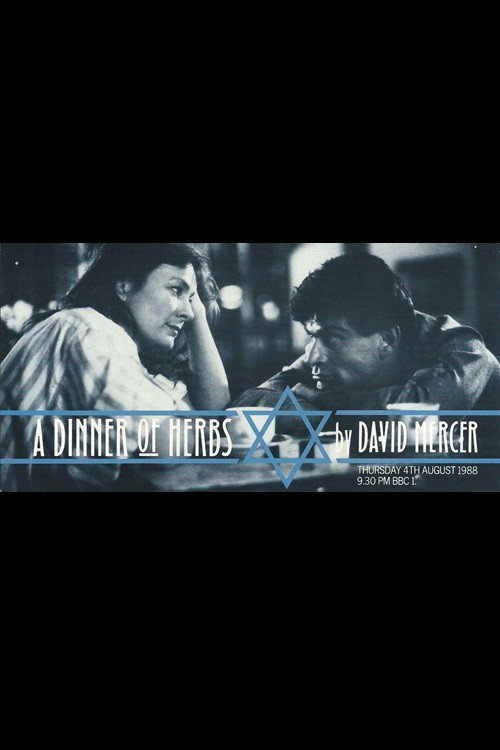
Jane, an English journalist goes to Israel to write on the Palestinian situation and meets and falls in love with an Israeli professor of English. As their love affair develops, they realize they have opposing views on Israel’s treatment of the Palestinians.
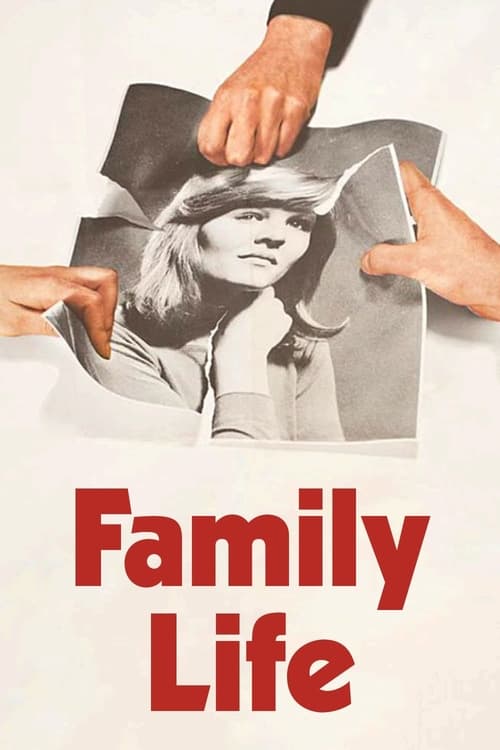
A young woman, Janice, is living with her restrictive and conservative parents, who lead a dull working-class life and consider their daughter to be “misbehaving” whenever she’s trying to find her own way in life.
A family gather together as their mother lies dying. Death brings conflicts into sharp focus - not least between brothers Edgar and Richard…
In a Prague shop, an assistant has been carrying on an affair with the dishonest, married manager. An emotionally repressed auditor with domestic problems of his own uncovers serious stock discrepancies. A test of loyalties and a questioning of values concludes in tragedy.
As the Nazis grow ever more powerful in Germany, Werner grows up in an aristocratic household, hating his domineering father and making enemies in high places.
Ellis Cripper has lost his money and his memory; in different ways he tries to make sense of his situation.
A man has a three-way conversation between himself, his inner thoughts and as a psychiatrist. Part of the BBC Thirty Minute Theatre strand.
Lord Fountain hates his illegitimate twin boys as he does not seem to be able to produce legitimate heirs.