Terry Riley
Sound
Biography
Terrence Mitchell "Terry" Riley, born June 24, 1935, is an American composer and performing musician associated with the minimalist school of Western classical music, of which he was a pioneer. His work is deeply influenced by both jazz and Indian classical music.
Known For

Mohawk archaeologist Baptiste Asigny engages in a search for his ancestors following a tragic terrain slump in the Percival Molson Stadium.
Hochelaga, Land of Souls

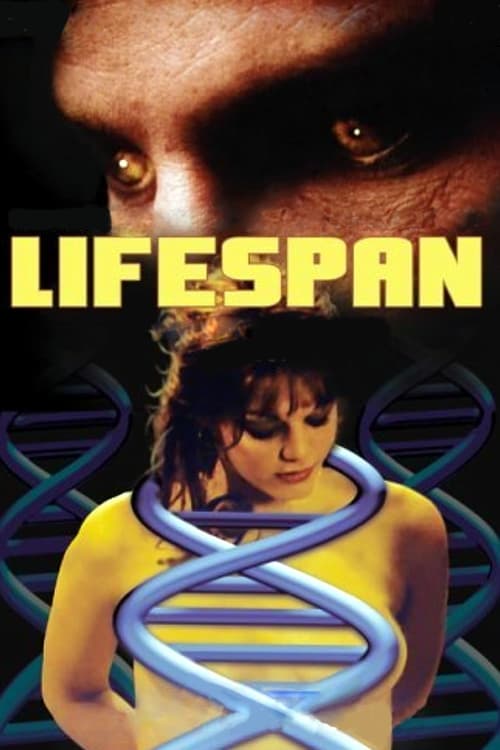
Cult icon Klaus Kinski features in this dark and intriguing existential thriller. He plays the mysterious "Swiss Man" - ruthless industrialist Nicolas Ulrich - who is obsessed with a search for the elixir of life. He tricks a young American scientist into joining him on his demonic quest. A quest that ends in suicide, death and madness. The story takes place in the atmospheric European city of Amsterdam. Its winding alleys and ancient canals trap the characters in a labyrinthine maze as they find themselves manipulated like figures on a giant chess board.
Lifespan

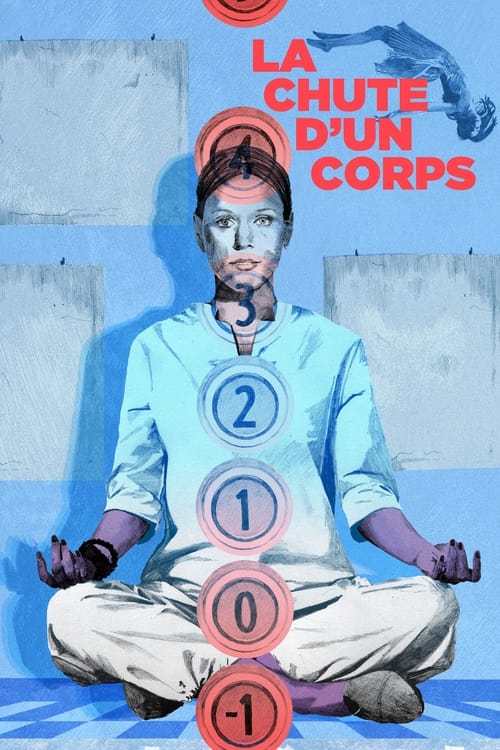
The body of a young woman falls on the terrace of Martha, who intrigued, meets her neighbor. In contact with this strange man, she learns to have a different look about her own life and her marital problems.
Fall of a Body

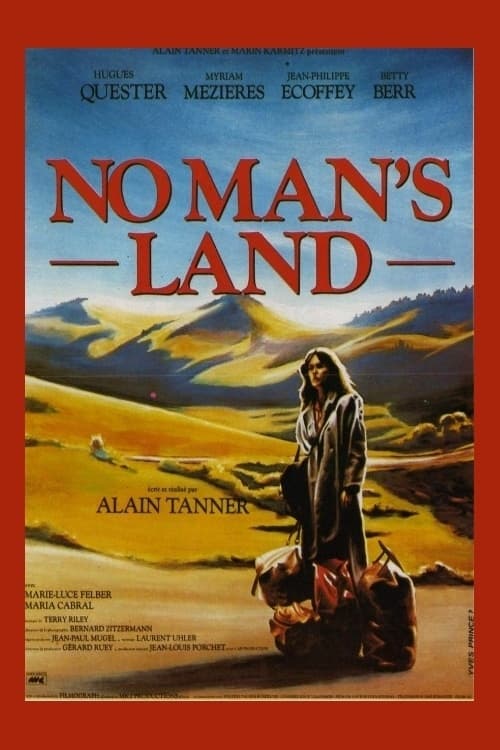
Madeleine, who runs a disco on the French-Swiss border, dreams of going to Paris to pursue a singing career. Her lover, Paul, who makes his living smuggling money, gold and goods across the border, plans to emigrate to Canada. Mali, a pretty young Algerian woman who lives in France and works in Switzerland, would like to be anywhere except where she is. Louis, born on a Swiss farm and trained as a clockmaker, would give anything to leave his mistress, Lucie, and move in with Mali.
No Man's Land

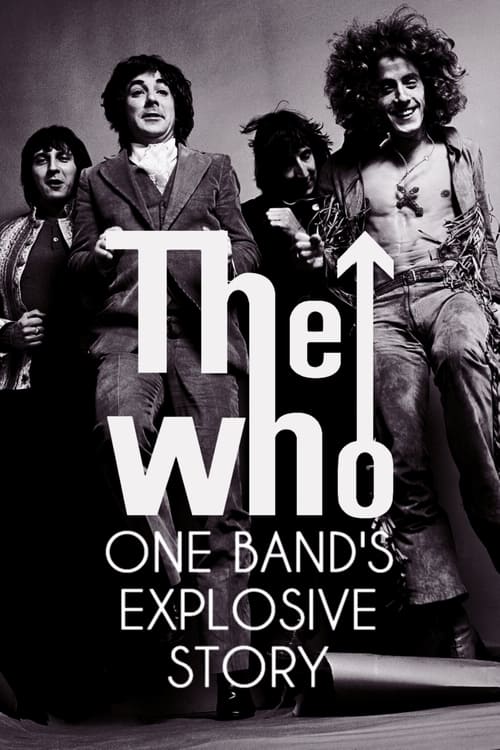
The story of Roger Daltrey (vocals), Pete Townshend (guitar), John Entwistle (bass) and Keith Moon (drums): The Who, one of the most original, creative and relevant British bands of the sixties and of the entire history of pop music.
The Who: One Band's Explosive Story

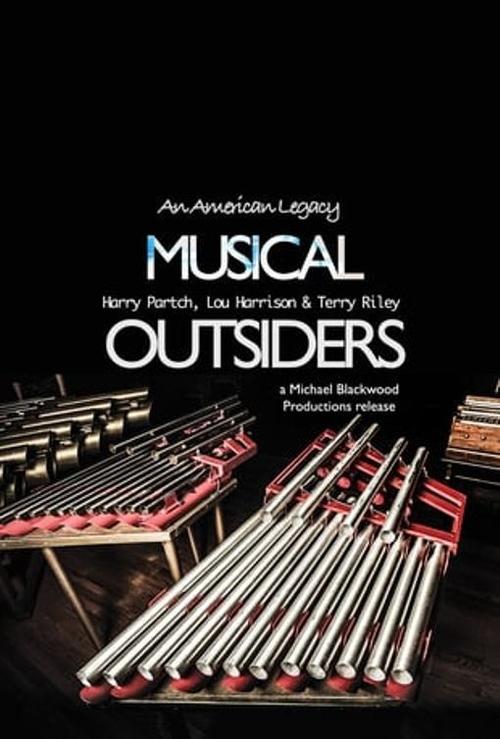
American composers have long struggled against the momentum of the Western European classical tradition and the prestige it has held in America's cultural life. "I did not want to have any stricture at all, I wanted to be completely free." So spoke Harry Partch, describing not only his own path, but also that of two other influential American composers: Lou Harrison and Terry Riley. They were attracted to musical ideas and sounds outside of the surrounding classical mainstream. Together they offer a deeper understanding of what those alternatives are and how they have affected American culture.
Musical Outsiders: An American Legacy

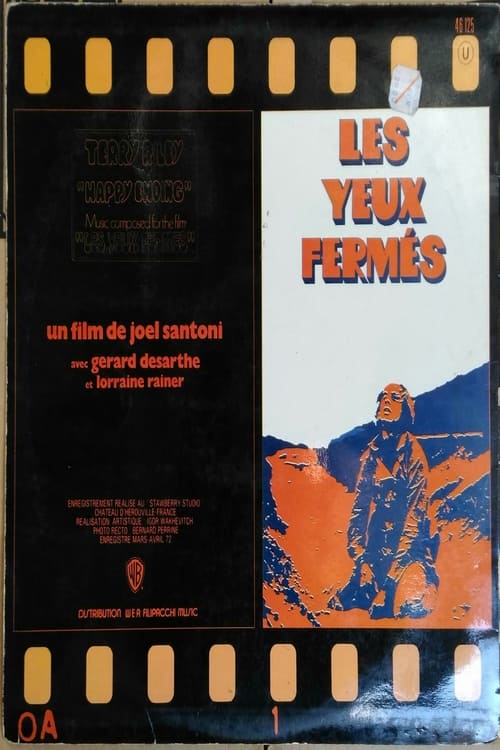
Protagonist is the young actor Yvan. During a tour, he witnesses the inexplicable suicide of one of his fellow actors. Back in Paris he tells Xénie, the ex-lover of the dead actor. Xénie is in love with Yvan, but the latter sinks deeper and deeper into a personal crisis. At a certain point he acts being blind and buys a pair of glasses with black lenses. He is fascinated by his new, more restricted manner of seeing and refuses to open his eyes. Reality makes way for his more and more obsessive imagination. The mixture of fantasy and reality meant that Santoni's approach was compared with that of Buñuel.
The Eyes Closed
“Coming Attractions” looks backward into the memories and forward into the future of Francis Francine, an elegantly dowdy transvestite of, and indeed beyond, a certain age. The memories, haunted by a Spirit of Seductions Past (played by a quite glorious naked young lady who fortunately bears absolutely no resemblance to Francis Fran cine) suggest a generally lurid life of sumptuous sex and questionable liaisons. The future, presented by an ancient fortune teller with a wonderful crystal ball that holds a lively go‐go dancer and that seems to mediate between interchanging black and white halves of the screen, follows Francis Francine through the reactivation of an ancient affair, to her death (a jealous ex‐lover) and her triumphant entrance into a pastoral paradise that looks like a cross between several scenes from “81/2” and “The Embarkation for Cythera” in drag.
Coming Attractions
Straight and Narrow is a study of subjective colour and visual rhythm, although it is printed on black and white film, the hypnotic pacing of the images will cause most viewers to experience a programmed gamut of hallucinatory colour effects. Through the intermediary of rhythm, the maximal impact is drawn from the simplest of universal human images: straight horizontal and vertical lines. Set to a strong percussive musical background, rapidly alternating images of black and white straight lines are juxtaposed in precise rhythmic patterns to create specific colours... if you can watch without becoming hypnotised...
Straight and Narrow

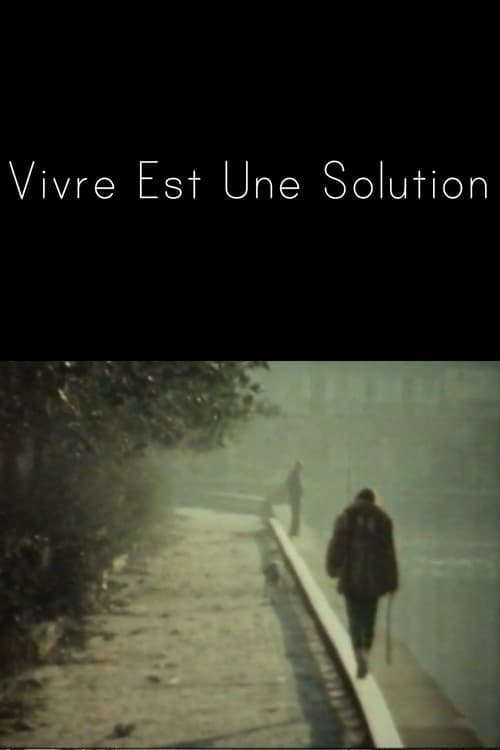
Surroundings of the Canal Saint-Martin’s in Paris, a popular district where modernization is just about to begin.
Vivre est une solution
In 1975, the composer Robert Ashley embarked on an ambitious work titled Music With Roots in the Aether. He called it an opera (or piece of theater, depending on the case) for television. The work is comprised of seven two-hour sections. Each episode is dedicated to investigations, interviews, and performances of one of his peers – David Behrman, Philip Glass, Alvin Lucier, Gordon Mumma, Pauline Oliveros, and Terry Riley, respectively, with the final reserved for himself.
Music with Roots in the Aether: Opera for Television
In 1975 the composer Robert Ashley embarked on an ambitious work titled Music With Roots in the Aether. He called it an Opera (or piece of theater depending on the case) for television. The work is comprised of seven, two hours sections. Each “episode” is dedicated to investigations, interviews, and performances of his one of his peers – David Behrman, Philip Glass, Alvin Lucier, Gordon Mumma, Pauline Oliveros, and Terry Riley respectively, with the final reserved for himself.
Music with Roots in the Aether: Opera for Television by Robert Ashley

The 1945 atomic-bomb explosion at Bikini Atoll becomes a thing of terrible beauty and haunting visual poetry when shown in extreme slow motion, shown from 27 different angles, and accompanied by avant-garde Western classical music composed for electric organ by Terry Riley. Preserved by the Academy Film Archive in partnership with Pacific Film Archive in 1995.
Crossroads

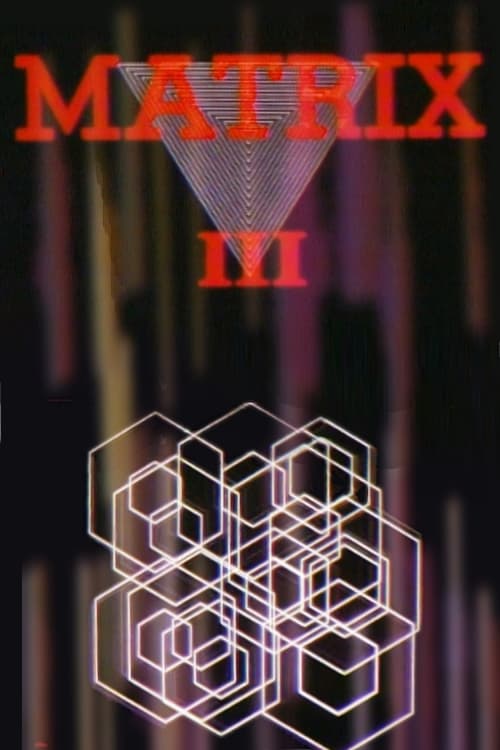
An abstract computer-generated animation set to music by Terry Riley.
Matrix III

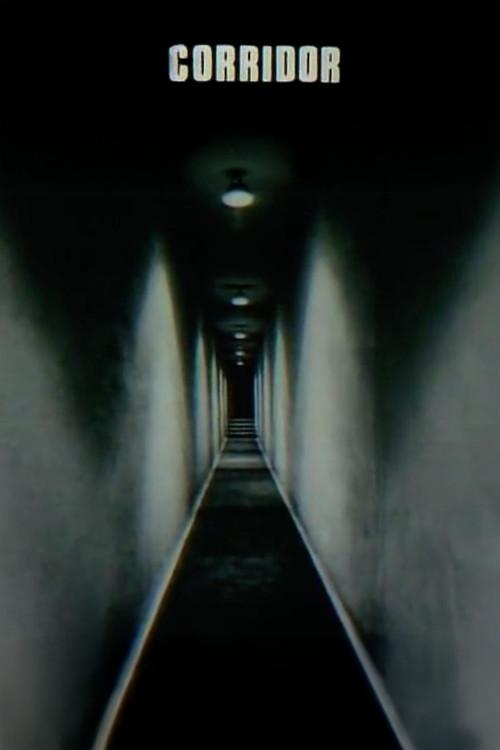
An unknown observer is seen traveling through a bleak corridor. At the end of the corridor they see a naked woman, whom they are unable to reach as their trip seems to become increasingly twisted and looped.
Corridor
In 1981, Susan Meiselas published "Nicaragua, June 1978 to July 1979," 70 photographs she took documenting the Sandanista revolution. Ten years later, Meiselas returns looking for the people who appear in the photographs: where are they now, what do they remember, what do they think of their country and of the revolution? She finds a woman who buried her husband when she was 14; she talks to those who fought the Guarda Nacional - some are disillusioned, some still have the fervor of revolution; she talks to mothers about their sons; she finds a Guarda member who became a Contra. And she offers her own reflections on time and history and on the moment and meaning of a photograph.
Pictures from a Revolution

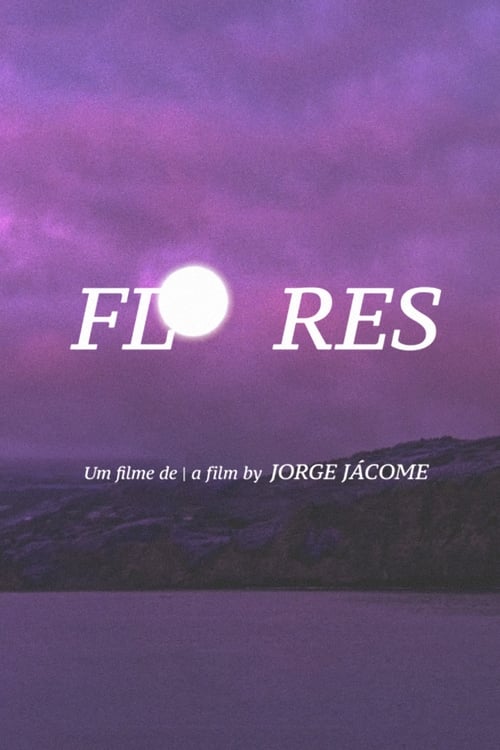
In a natural crisis scenario, the entire population of Azores is forced to evict due to an uncontrolled plague of hydrangeas, a common flower in these islands. Two young soldiers, bound to the beauty of the landscape, guide us to the stories of sadness of those forced to leave and the inherent desire to resist by inhabiting the islands. The filmic wandering becomes a nostalgic and political reflection on territorial belonging and identity, and the roles we assume in the places we came from.
Flores

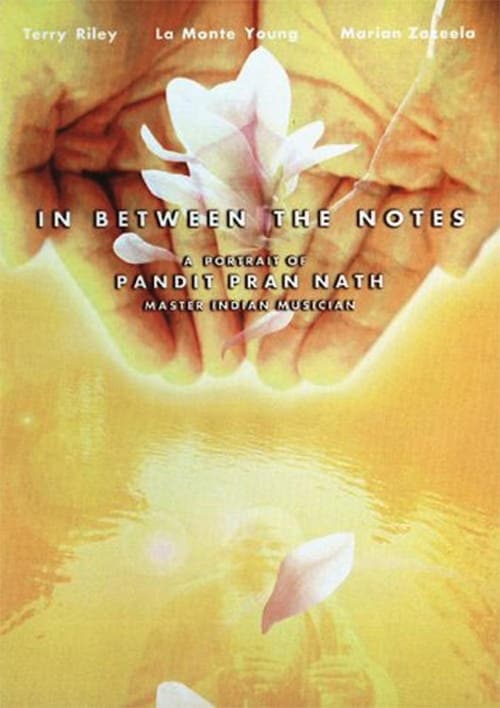
This documentary celebrates the life of a devoted musician: Pandit Pran Nath. The last in a long line of north Indian vocal masters in the Kirana style of Indian classical music, we trace his journey from India, accompanied by his disciple, the avant-garde composer Terry Riley, in their search for purity of expression.
In Between The Notes: A Portrait of Pandit Pran Nath
Studio tape of special imagery in the form of a giant translucent balls swinging in pendulous motion, with electronic synthesizer music played by Terry Riley.
Music With Balls

LOOKING FOR MUSHROOMS (1959-1967) is a psychedelic travelogue film that documents a series of “trips” through rural Mexico and urban America. Conner combined street views of San Francisco shot in the late 1950s with scenes of rural Oaxaca captured during his “mushroom-hunting” excursions between 1961 and 1962, when Bruce and his wife, Jean, were living in Mexico City. On at least one of these trips, the Conners were joined by Timothy Leary, the ex-Harvard professor and soon-to-be leading proponent of psychedelic drugs. In 1996, Conner revised the film once again: he used an optical printer to expand its length from three to fourteen-and-a-half-minutes, and added a new soundtrack, Terry Riley's "Poppy Nogood and the Phantom Band," to create a more meditative, but no less hypnotizing, iteration of the mushroom hunt.