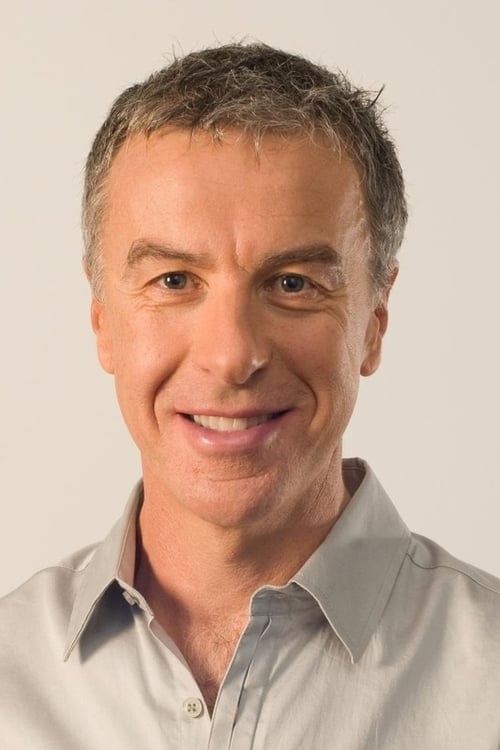
Santo Cilauro
Acting
Biography
Santo Luigi Cilauro (born 26 November 1961) is an Australian comedian, television and feature film producer, screenwriter, actor, author and cameraman who is also a co-founder of The D-Generation. Known as the weatherman in Frontline, he is also an author and former radio presenter on the Triple M Network, and achieved worldwide fame with the viral video Elektronik Supersonik.
Known For

Topical comedy-quiz show featuring five guests competing to see who can remember the most about events of the week. A fast-paced, funny look at international affairs, politics, sport and entertainment news, we test just how well our contestants have been paying attention.
Have You Been Paying Attention?

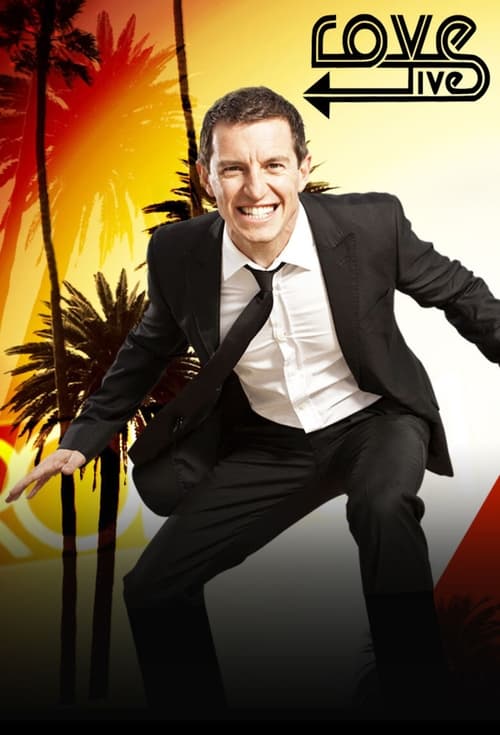
Rove, formerly Rove Live, was an Australian television variety show which premiered on the Nine Network on 22 September 1999, before moving to Network Ten which aired the program from 2000 until November, 2009. The show was hosted by comedian Rove McManus, and featured an ensemble cast, who presented various segments throughout the course of the show. The show won the Logie Award for "Most Popular Light Entertainment Program" five times.
Rove

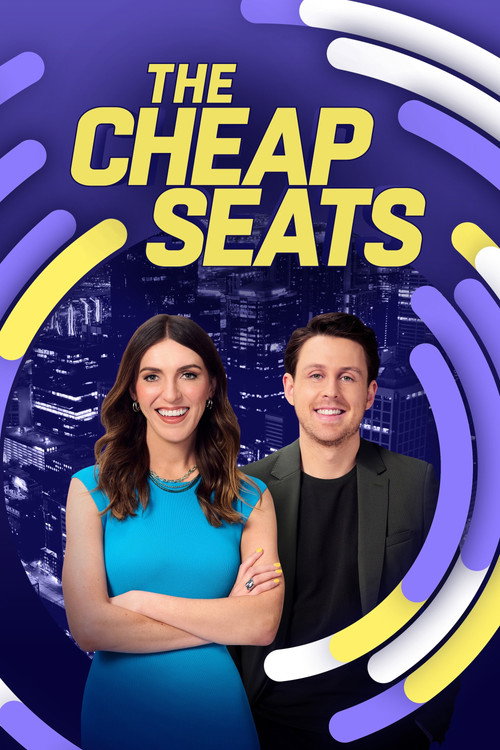
Major news stories, not-so-major news stories, stories involving cats, entertainment, sport and viral videos, it’s a Reader's Digest of world events for a generation who simply don’t want to read.
The Cheap Seats

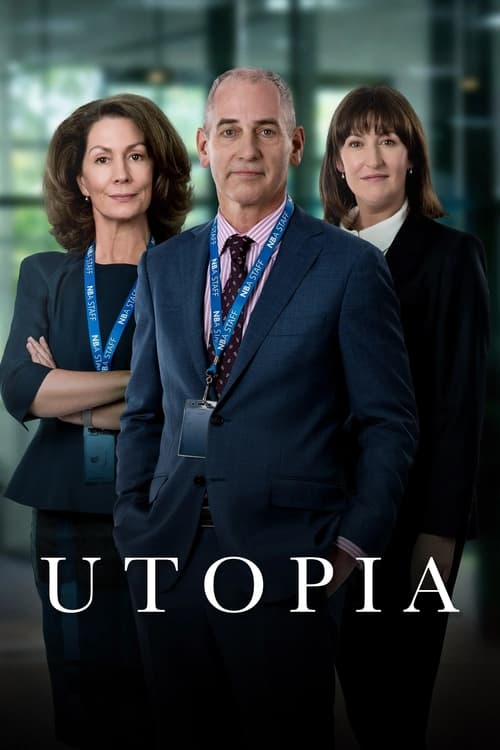
Set inside the offices of the “Nation Building Authority”, a federal government organisation responsible for overseeing major infrastructure projects, Utopia explores that moment when bureaucracy and grand dreams collide.
Utopia

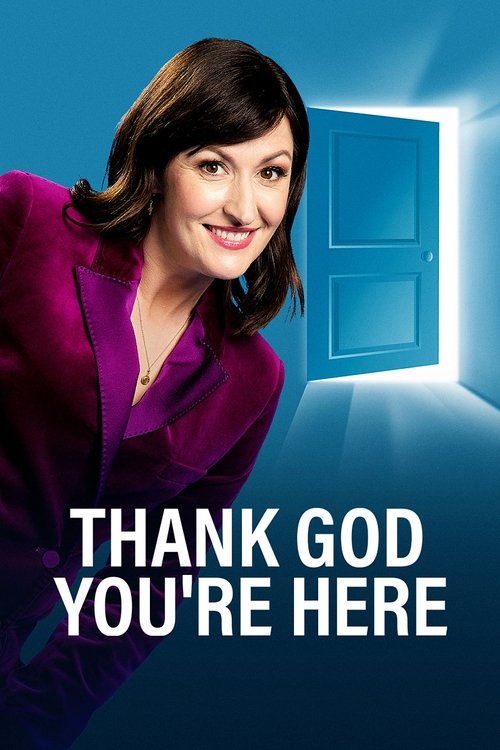
Each episode involves performers walking through a door into an unknown situation, greeted by the line "Thank God you're here!". They then had to improvise their way through the scene. At the end of each episode a winner was announced.
Thank God You're Here

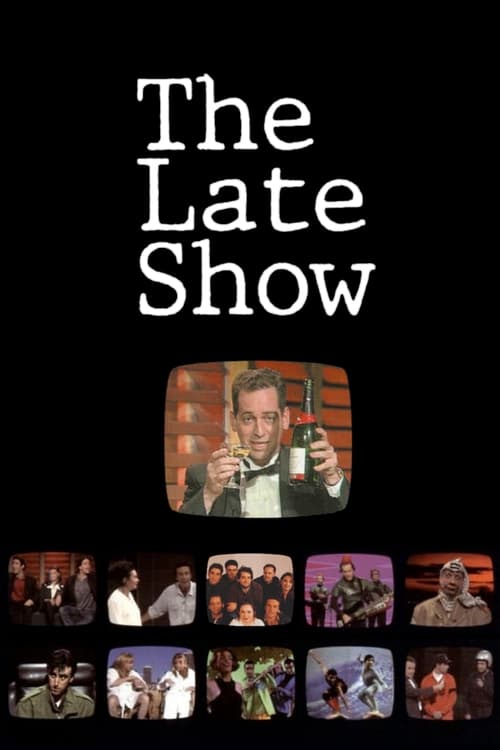
The Late Show was a popular Australian comedy show, which ran for two seasons on ABC from 18 July 1992 to 30 October 1993.
The Late Show

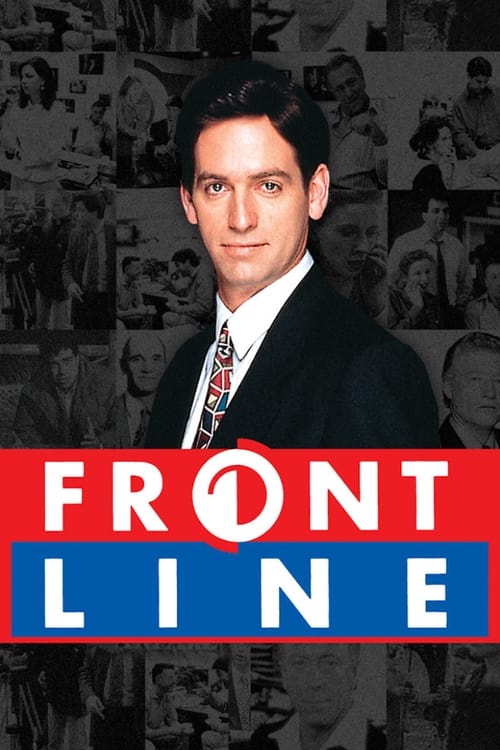
Frontline is an Australian comedy television series which satirised Australian television current affairs programmes and reporting. It ran for three series of 13 half-hour episodes and was broadcast on ABC TV in 1994, 1995 and 1997.
Frontline

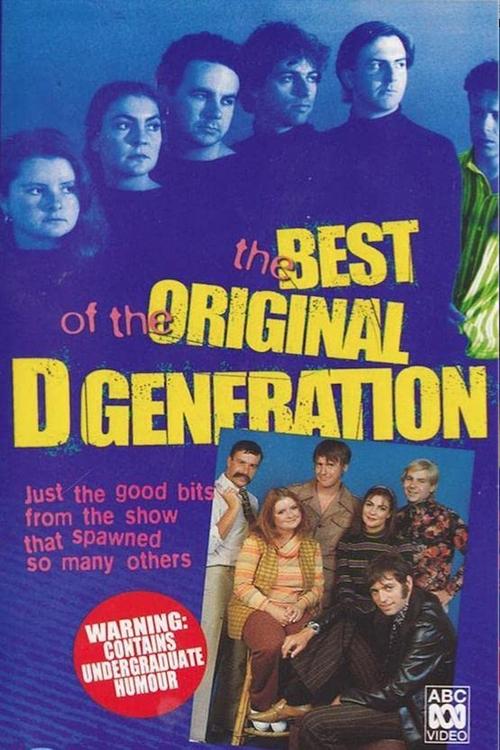
The D-Generation was a popular and influential Australian TV sketch comedy show, produced and broadcast by the Australian Broadcasting Corporation for two series, between 1986 and 1987. A further four specials were broadcast on the Seven Network between 1988 and 1989.
The D-Generation

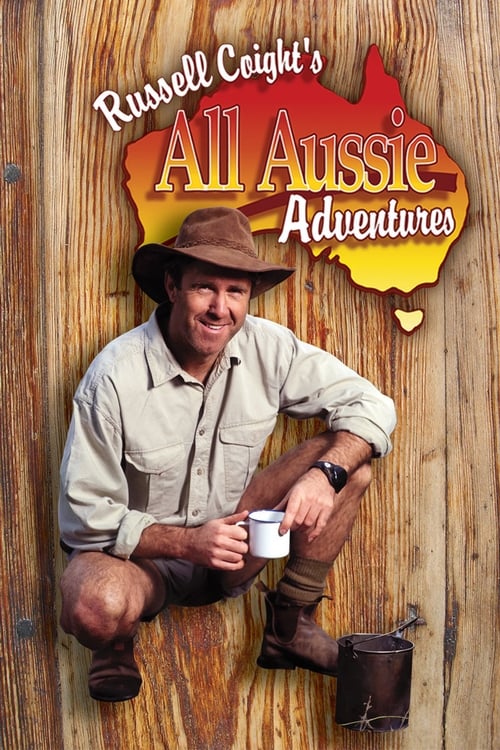
Australia – a land as massive as it is vast. And when it comes to outback adventurers they don't come any better, bigger or more reckless than Russell Coight. Winner of the prestigious Ocker Award for services to khaki shorts, Russell takes us on a unique blend of over-the-top, off-road, outback, in-your-face Aussie Adventures!
Russell Coight's All Aussie Adventures

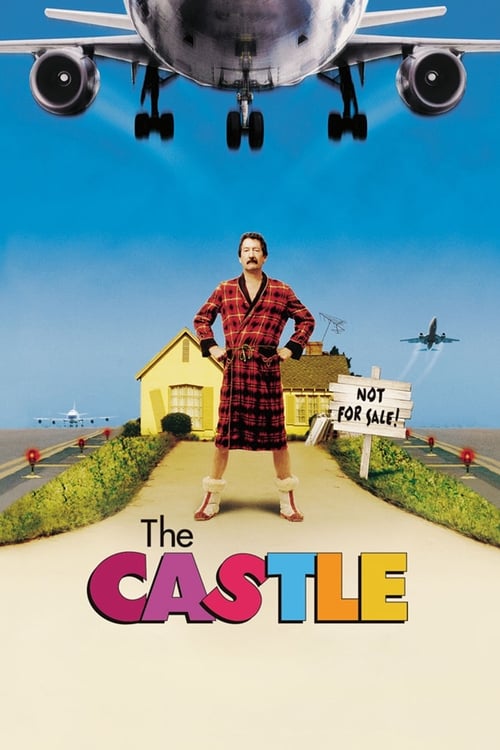
The quirky Kerrigan family lives together in a makeshift home they built themselves – with great pride and a bizarre attention to detail – a few yards from the edge of Melbourne, Australia's busy Tullamarine Airport. When a building inspector condemns the building and reveals that the government plans to use their land for an airport expansion, Darryl Kerrigan and his brood recruit hack attorney Dennis Denuto and prepare themselves for the fight of their lives.
The Castle

Set in the offices of the Central Policy Unit, a special think tank is set up by the Prime Minister to help him in his most important task - getting re-elected.
The Hollowmen

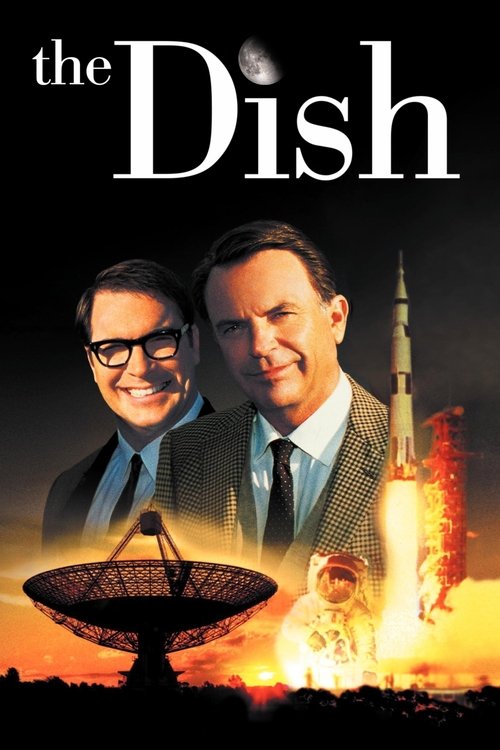
A group of maverick scientists on a remote Australian sheep farm are the globe's only hope for obtaining the epic images of man's first steps on the moon.
The Dish

They're absent-minded, mildly corrupt and barely competent. Somehow, they're Australia's most elite detective unit.
Pacific Heat

Join comedy heavyweights Glenn Robbins and Mick Molloy as they put a well-known personality under the spotlight. The interventions no celebrity asked for, but everyone wants to see.
Glenn & Mick's Celebrity Intervention

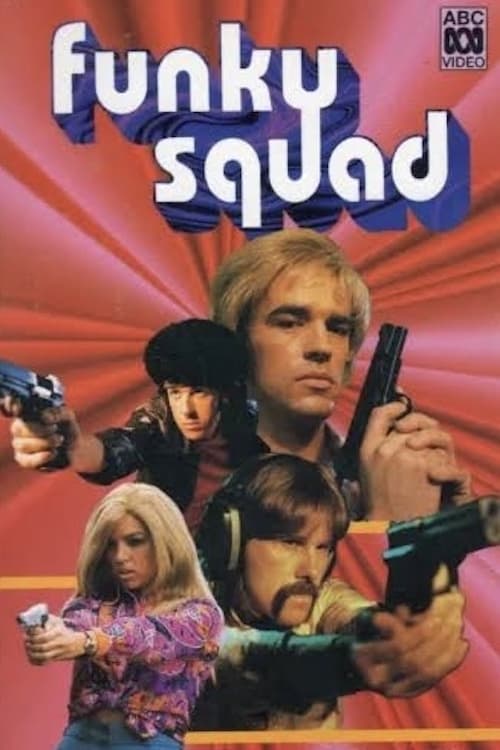
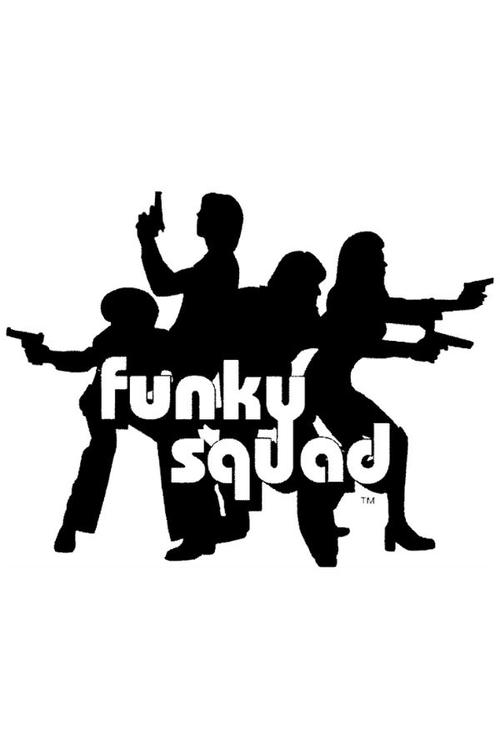
Funky Squad was a short-lived 1995 Australian comedy television series which satirised 1970s-era U.S. police television dramas, such as The Mod Squad. Only 7 half-hour episodes were produced, which were broadcast on the ABC. Real television commercials from the 1970s were shown during the program's "commercial breaks". The show featured four "funky" undercover detectives: undetectable as police, given their "hipness". The conclusion of each episode was deliberately designed to be incredibly predictable: usually the perpetrator of the crime under investigation could be identified within the first few minutes of the episode. Before the television series, Funky Squad originally aired as a series of episodes on radio station Triple M. Rob Sitch, who played Grant, was replaced by Tim Ferguson when the series went to television.
Funky Squad

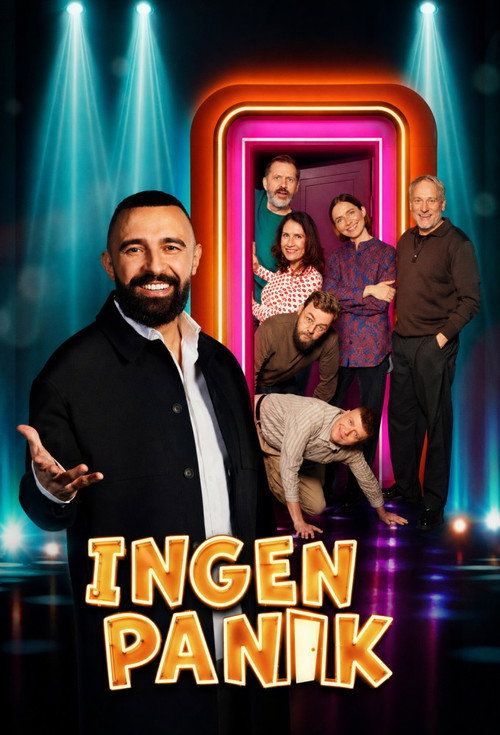
No description available.
Ingen Panik

The Late Show, which only ran for two years was one of the most successful and funny comedy shows ever produced and shown in Australia. It marked the re-grouping of the D-Generation, a comedy group from the late 80's.
The Best Bits of the Late Show

For 27-year-old Ben, life couldn't be better. A well paid job, friends, parties, girls and nothing to tie him down. But when he is invited back to his old school to join several other ex-students including Alex and Jim in talking about their personal achievements, something goes wrong.
Any Questions for Ben?
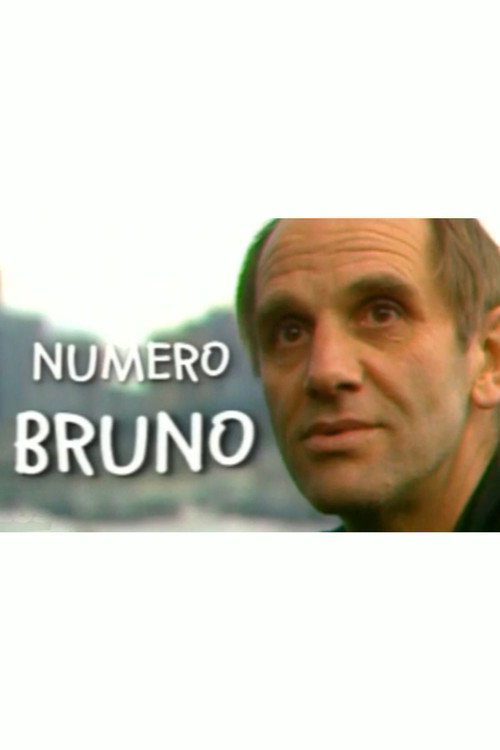
Numero Bruno is a warts and all biography of widely popular actor, musician and counter-cultural hero Bruno Lawrence. Lawrence's intense, charismatic screen presence was key to ground-breaking Kiwi films, Smash Palace, The Quiet Earth and Utu. Directed by Steve La Hood, this documentary features interviews with family and friends, and liberal excerpts from Lawrence's film and musical work, including performances by 70s alternative Aotearoa icons Blerta and clips showcasing his seminal collaborations with Geoff Murphy.
Numero Bruno

Bargearse was spawn from the hit TV show, The Late Show (1992). It was originally titled Bluey (1976) and made in the 70's. It was then re-edited, re-recorded with new lines and given a new name.