FEEL IT.STREAM
Roberto Santos

Roberto Santos

Directing

Biography

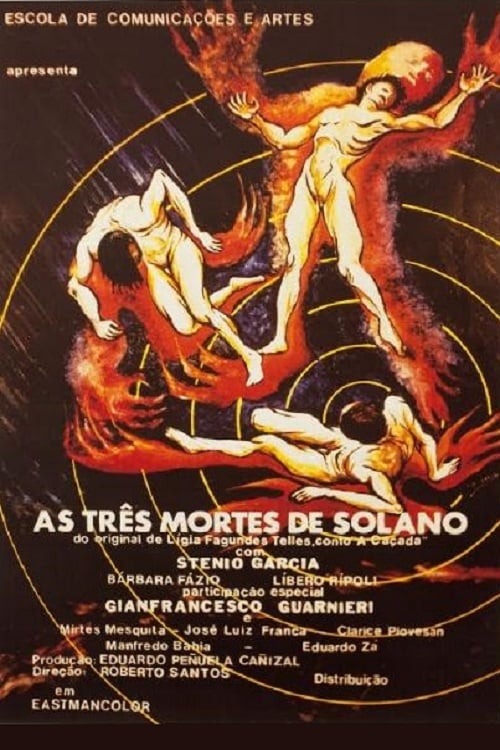
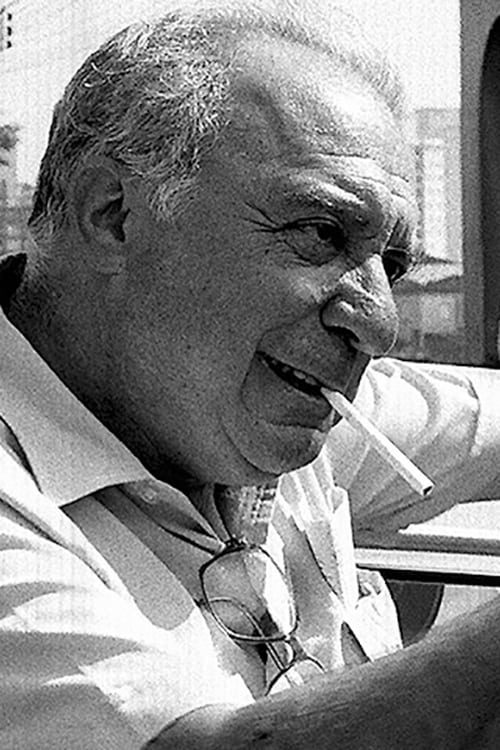
Roberto Santos Pinhanez (1928–1987) was a Brazilian film director, known for films like Matraga (A Hora e Vez de Augusto Matraga) and The Great Moment (O Grande Momento). Santos was born in a working-class suburb of São Paulo in 1928. He started his cinema activities around 1952, in the first big studio built in Brazil, the Vera Cruz Studio. In 1956, Santos made his first movie, O Grande Momento (The Great Moment), the first neo-realistic movie made in Brazil. In 1965, Roberto Santos adapted a short novel by Guimaraes Rosa, A Hora e Vez de Augusto Matraga (Matraga), the only successful adaptation to cinema of a work by Guimaraes Rosa, the most important name in Brazilian literature in this century. The film was shown at the 1966 Cannes Film Festival. During the late 1960s and 1970s, his career was marked by problems with censorship. Nevertheless, he directed six more movies, among them, two experimental movies; Vozes do Medo (Voices of Fear) — a movie with the structure of a magazine — and As Tres Mortes de Solano (The Three Deaths of Solano), an experiment where the same plot is told three times, first in the fantastic realm, then as a realistic plot, and finally as a circus pantomime. Meanwhile, he worked in television and directed commercials. The success of an adaptation for TV of another Guimaraes Rosa's story prompted him to write a screenplay for the short novel Campo Geral, about a kid growing in the back-country of Brazil. After months of trouble to obtain the rights, the project was abandoned, and he decided to tackle another myth of Brazilian literature, Machado de Assis. His last movie, Quincas Borba, recreated Machado de Assis's fin-de-siecle universe in the troubled 1980s. Roberto Santos died of a heart attack at the São Paulo airport in 1987, just after returning from the Festival of Gramado, where Quincas Borba was shown and heavily criticized by a clique of critics.
Known For

As Cariocas
6.4

Divided into three episodes based on stories by Stanislaw Ponte Preta (Sérgio Porto), the film portrays three young people from Rio de Janeiro: a furious lover, a beautiful beachgoer, and a former beauty queen. All live in profound solitude amid the apparent social vibrancy of Copacabana.

As Cariocas

1966
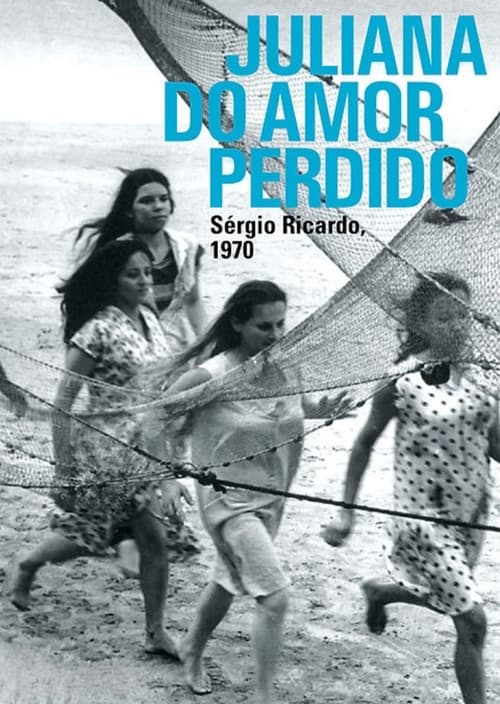
Lost Love Juliana
7.0

A beautiful young woman living in an isolated fishing community on an island falls in love with an outsider, a train machinist. But her father, a violent religious fanatic interferes.

Lost Love Juliana

1970
No image
9.0

No description available.

Gimba, Presidente dos Valentes

1963
O Grande Momento
6.0

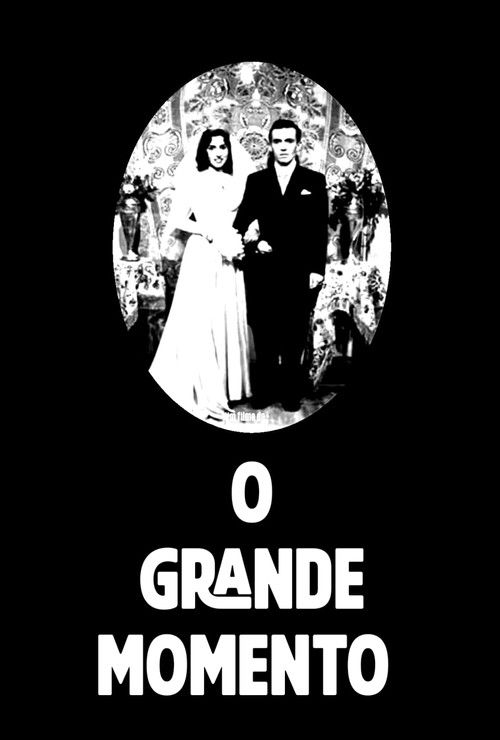
On the day of his wedding, young man from a family of immigrants faces some problems to get the money needed for the last arrangements. The family do what they can in order to honour the great event, selling personal belongings and buying enough supplies for a decent party.

O Grande Momento

1958
Erotic Stories
6.5

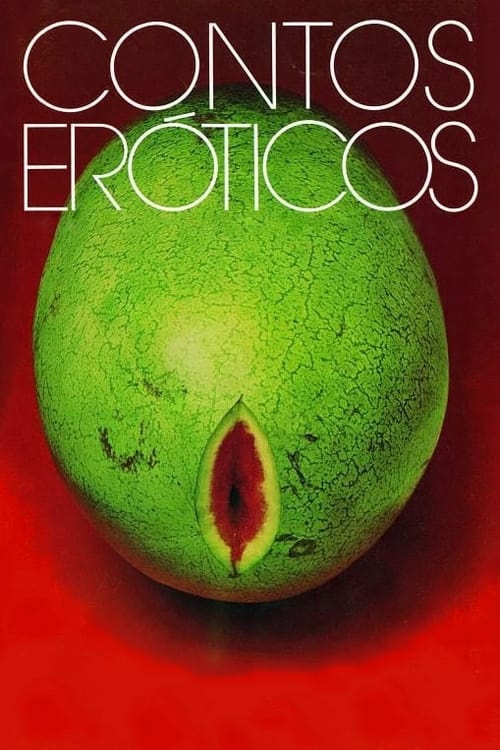
Comedy in 4 segments. In "Arroz e Feijão" (Rice and Beans), owner of a boarding-house seduces her young countryboy tenant. In "As Três Virgens" (The Three Virgins) three spinsters are influenced by the behaviour of their teenager niece, whom they are lodging. In "O Arremate" (The Purchase) a colonist turns his virgin daughter in to a landowner, to have his debts forgiven. And, finally, in "Vereda Tropical" (Tropical Trail), a man becomes sexually obsessed by a watermelon, to the point of having sexual intercourse with it. The stories are based on prize-winner short stories, from a Playboy contest.

Erotic Stories

1980
The Naked Man
5.9

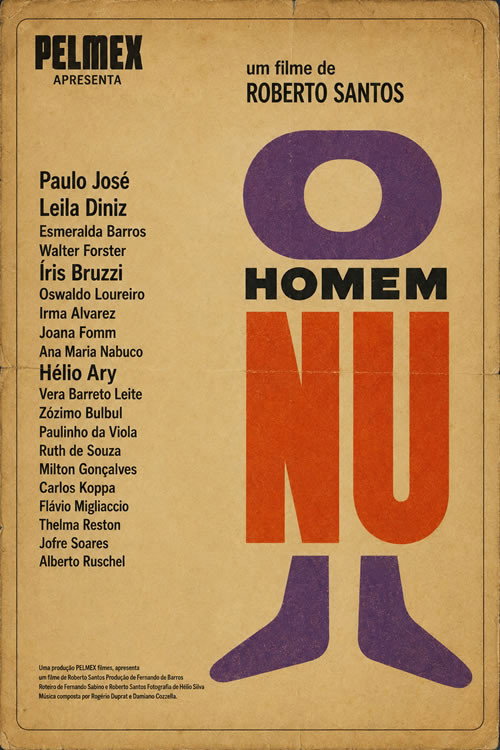
A man gets locked naked outside of his apartment.

The Naked Man

1968
The Hour and Turn of Augusto Matraga
7.8

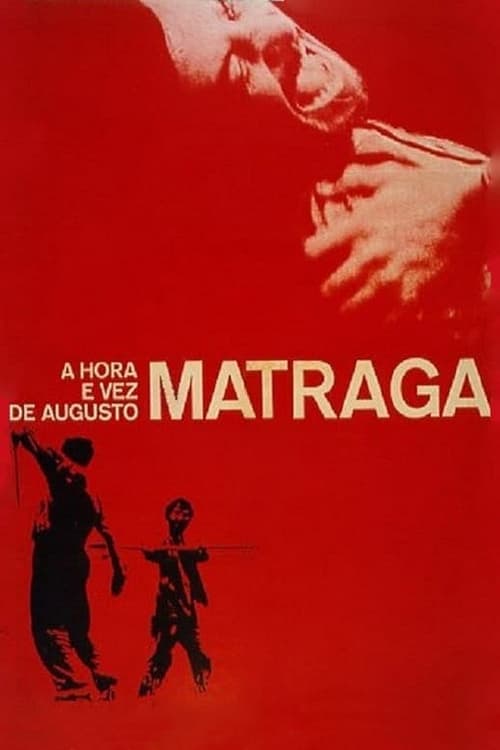
Augusto Matraga is a violent agressive farmer who, after being betrayed by his wife and trapped by several enemies, is beaten up and left for dead, being rescued by a couple of humble small farmers who nurse him for a long time until he is well again. Influenced by the couple, Matraga starts a long penitent life while waiting for his hour and chance to payback, starting a fight between his violent nature, his hidden desire of vengeance and the mysticism and goodness which is also part of him.

The Hour and Turn of Augusto Matraga

1965
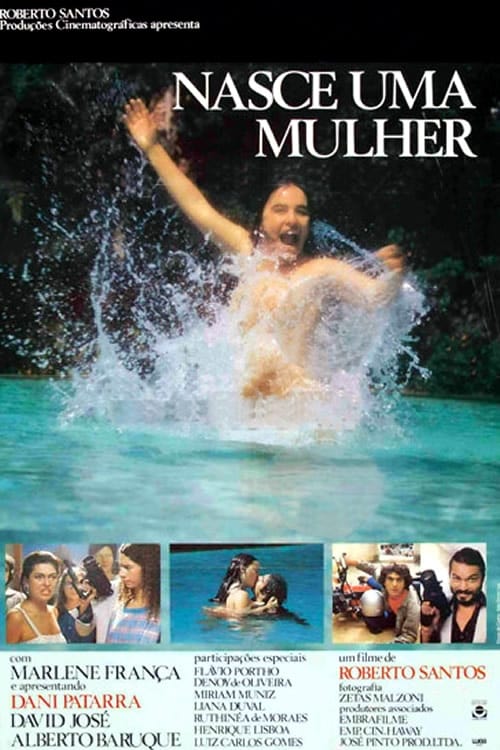
Nasce uma Mulher
8.0

On Jo's birthday, her mother, and later, her father, discover that she is not a virgin anymore - she is taking pills. The birthday party turns into a complete mess, since Jo's mother can not hold herself and accuses her daughter in front of all guests of not being a child that everyone thought she still was. Jo rebels and leaves the house, and discovers that her boyfriend listened to everything and did not help her. She decides to leave him, and to start her life again. As a woman, now.

Nasce uma Mulher

1983
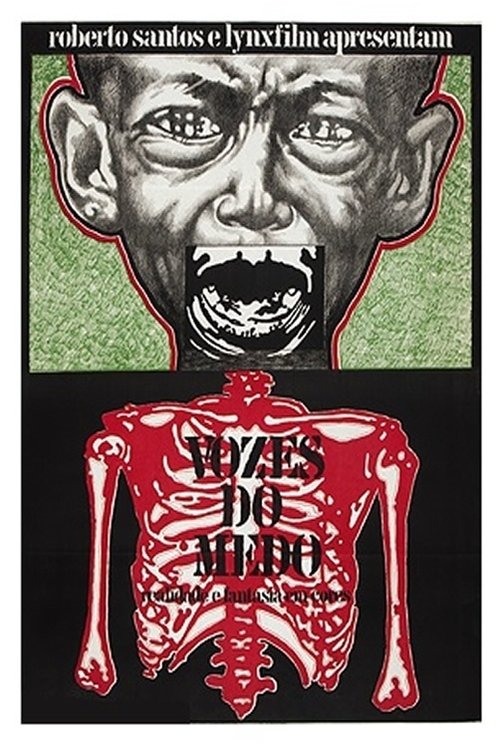
Vozes do Medo
8.0

No description available.

Vozes do Medo

1972
No image
N/A

No description available.

Mais Luz

1986
Rain Lovers
10.0

A curious story: it rains whenever a couple of lovers meet. Against the weather forecast, it rains all over the city. And as the love grows, the stronger becomes the rain. Found by a television crew, they receive the title of "Rain Lovers", and their dates become public spectacles.

Rain Lovers

1979
The Good Cinema
N/A

An authentically marginal cinema created in Catholic university in Brazil. One of the most intriguing and imaginative moments in modern cinema in the voice of some of its select conspirators—with Carlos Reichenbach at the lead—, and through the most razing flow of images that can possibly be conceived.

The Good Cinema

2021
Ozualdo Candeias and the Cinema
10.0

Using a mixture of film clips and interviews with Ozualdo Candeias himself the film tells the director's 40 year trajectory.

Ozualdo Candeias and the Cinema

2013
Embu
N/A

No description available.

Embu

1968
Viramundo
8.6

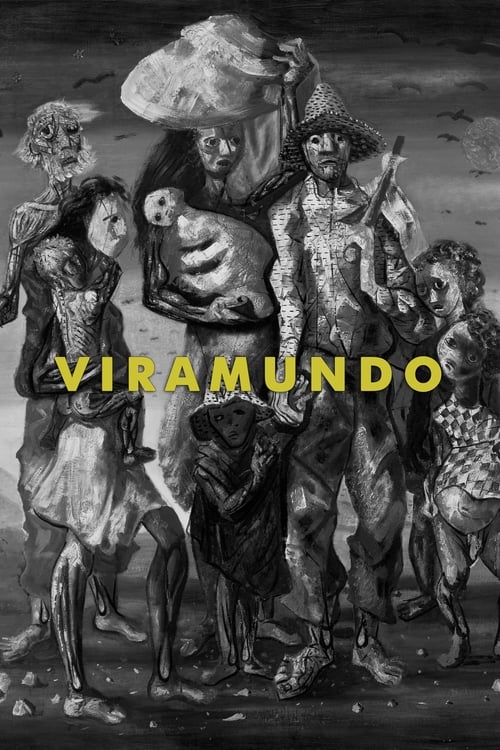
Viramundo shows the saga of the northeastern migrants that arrive in São Paulo, beginning with a train arriving and ending with a train leaving São Paulo in a cycle repeated every day. Viramundo's aim was to question why the military coup d'état in Brazil happened without any popular resistance or revolution or reaction of the society.

Viramundo

1965
O Predileto
8.0

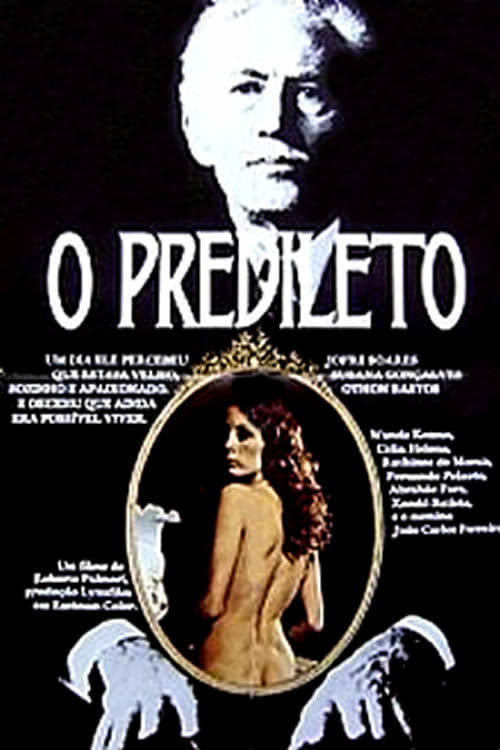
Based on the novel "Totônio Pacheco", written by João Alphonsus. At the time of the decadence of the great farms of Minas Gerais, Totônio is a symbol of the golden age of state farms: old and accustomed to having all his wills obeyed. However, after moving to his son's home because of his wife's death and the resulting loneliness, he realizes that he has lost his job as a boss and is struggling to regain his prestige by moving to a brothel.

O Predileto

1975
Bebel, Garota Propaganda
7.0

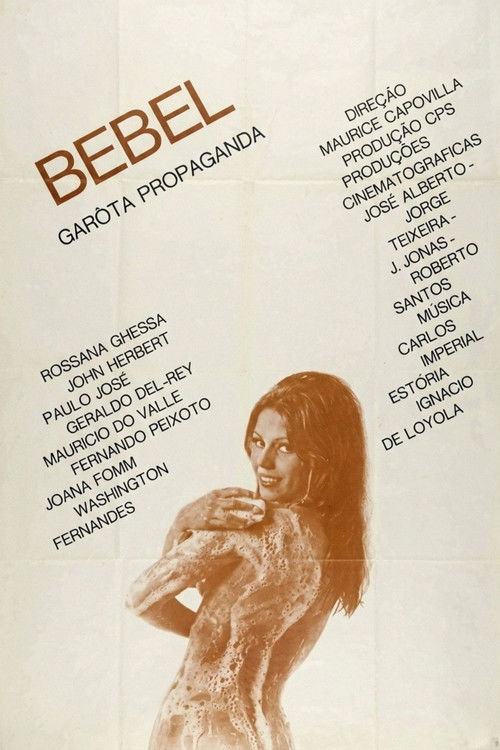
Poor and beautiful girl is hired by a sales promoter to advertise a new brand of soap. The success is immediate, but the need for a new face hinders her way to stardom.

Bebel, Garota Propaganda

1967
Um Anjo Mau
8.0

A poor and beautiful young woman living in the backwoods of the State of Minas Gerais, Brazil is protected by a peasant.

Um Anjo Mau

1971
No image
N/A

No description available.

Ponto Final

1975
Chick Fowle, Faixa Preta de Cinema
5.0

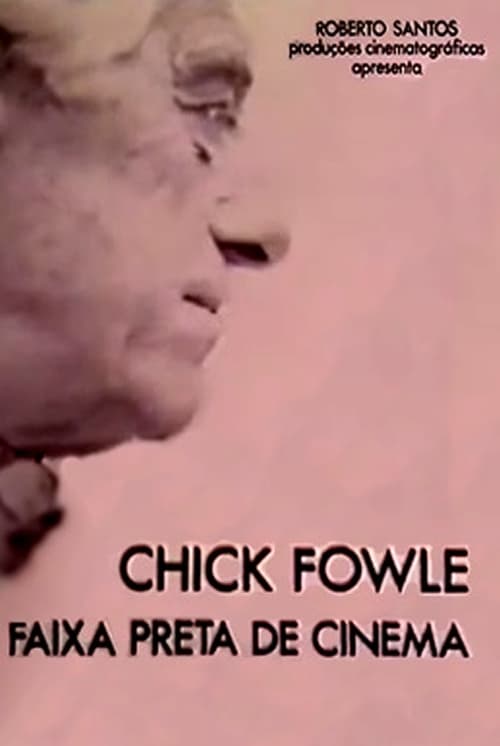
About English photographer Chick Fowle. Statements by Anselmo Duarte, Leonardo Vilar, Marlene França, Vanja Orico. A film about directors, actors and teams that Chick Fowle worked and works with, also showing the possibility of renewal that Brazilian cinema can and must have.

Chick Fowle, Faixa Preta de Cinema

1981