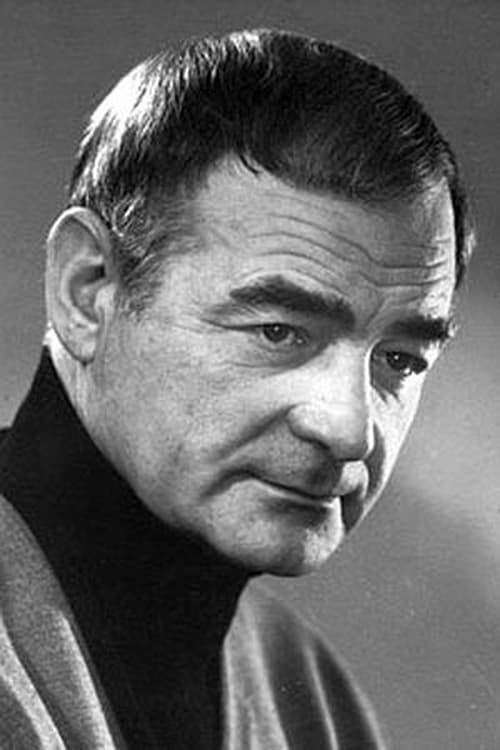
Yuri Dedovich
Acting
Known For
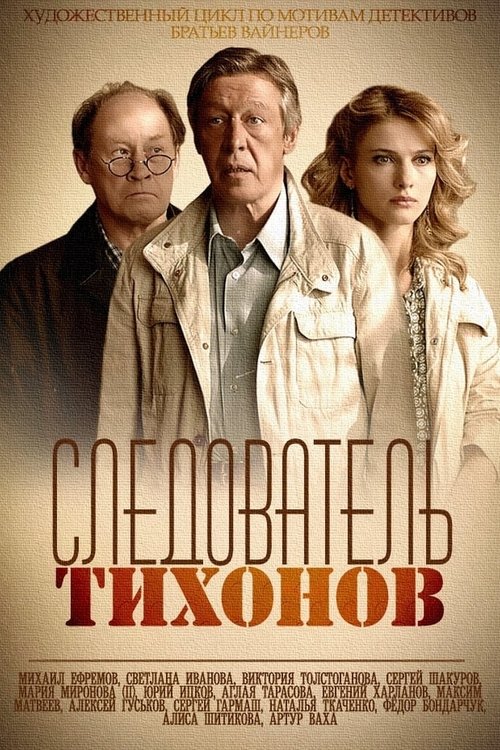
No description available.
Investigator Tikhonov
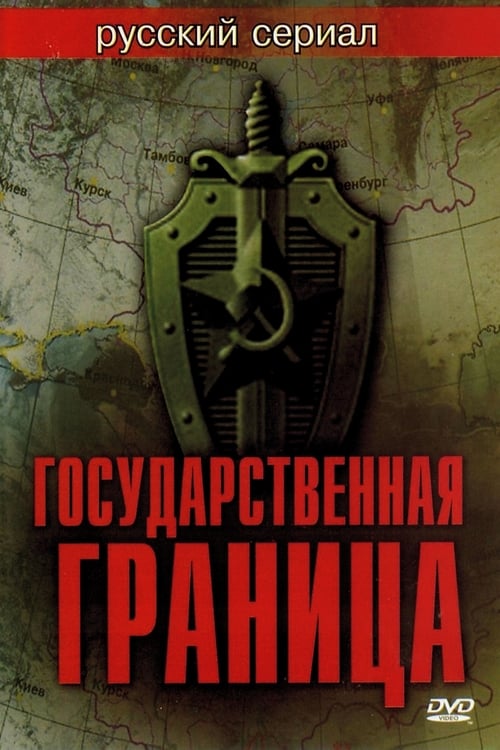
From 1917 to the end of the 1980s, Soviet border guards are stationed on the territory of the USSR from the Far East to the western borders.
State Border
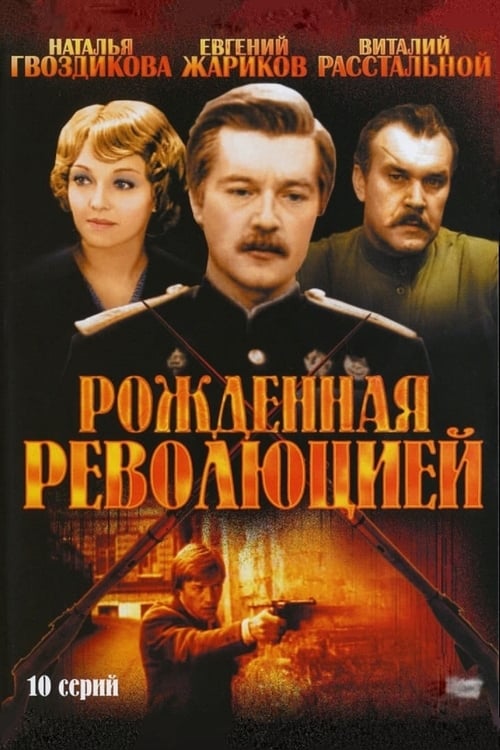
About the struggle between criminal investigators and the criminal world. Based on real events and documents, the film recreates the atmosphere of 1920s Russia, which was swept by a wave of violence... At the heart of the story is the fate and career of a young man who, together with his comrades, is about to make history in Soviet criminal investigation...
Born of Revolution
No description available.
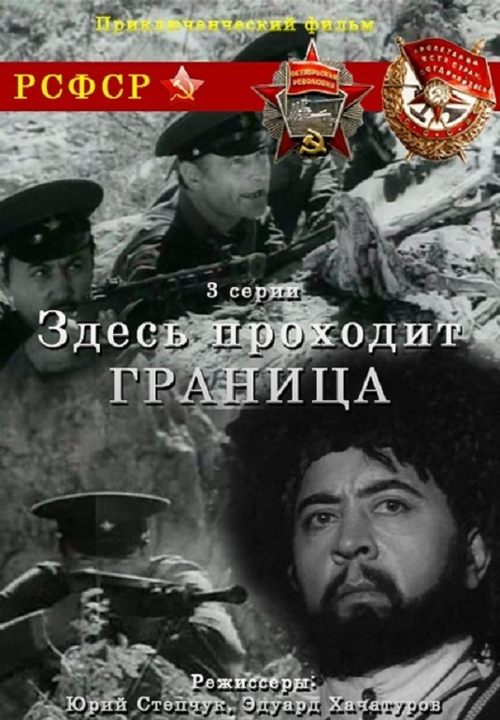
This is Where the Border Goes
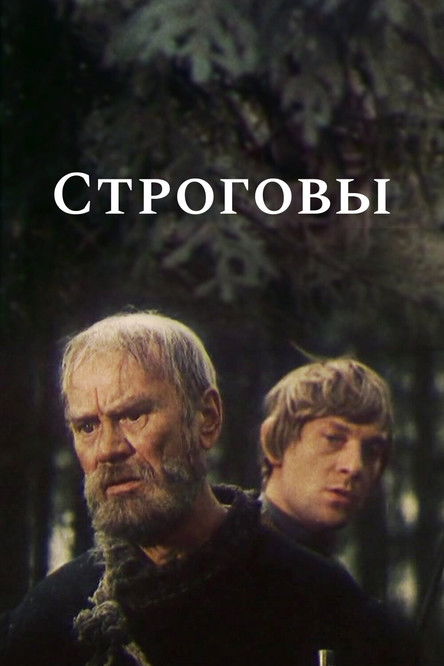
In the Siberian taiga village of Wolf's Burrows, the Strogov family lives — Matvey with his wife Anna and his parents. Through the fate of this peasant family, a picture of the life of the Siberian region during major historical events — the Russo-Japanese War, the 1905 Revolution, the October Revolution of 1917 and the Civil War is outlined.
The Strogovs
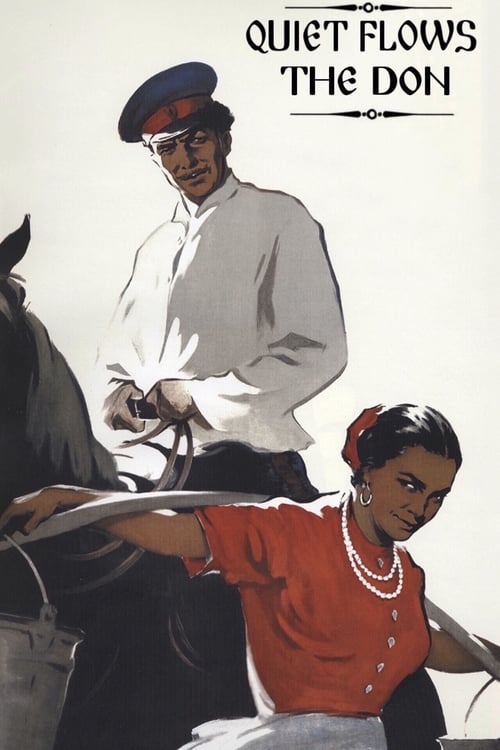
Based on the novel of the same name by Mikhail Sholokhov, about the fate of people broken by the First World War, the October Revolution of 1917 and the Civil War in Russia (1917-1922), about the collapse of the foundations and ideals of the Don Cossacks of Russia at the beginning of the XX century, about the personal tragedy of the protagonist — Grigoriy Melekhov.
Quiet Flows the Don
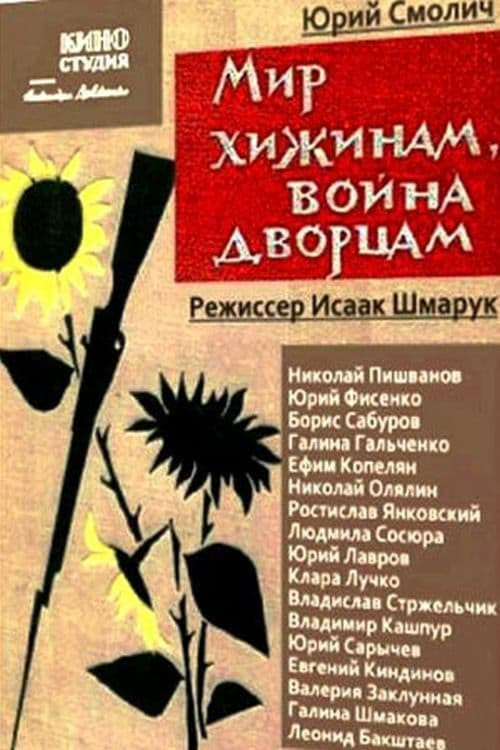
A Soviet propaganda miniseries about the Bolshevik coup in 1917-18. Along with the portrayal of fictional characters, the film recreates the images of historical figures from this period.
Peace to the Huts, War to the Palaces
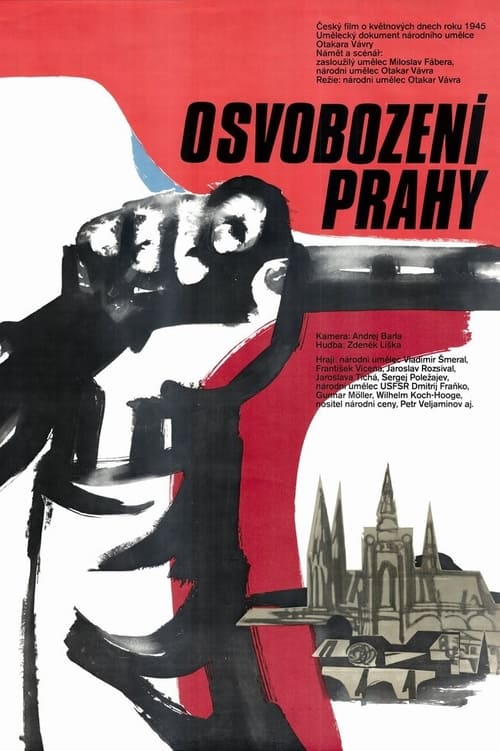
On 20th of April 1945 the Soviet army launches its attack on Berlin. The end has come for Nazi Germany and Hitler decides to commit suicide. In Prague K.H. Frank (Nazi Secretary of State and Chief of police in the Protectorate of Bohemia a Moravia) discusses with his commanders how to transform the city into an impregnable fortress, but the Praguers do not intend to wait any longer. From the early hours of 4th of May people start assembling in the streets and tearing down German signs. On the next day, the 5th of May, the uprising begins.
The Liberation of Prague

Inspired by the life of Varvara Asenkova, a 19th-century actress who earned great acclaim on St. Petersburg stage before her death at the age of 24.
The Green Carriage
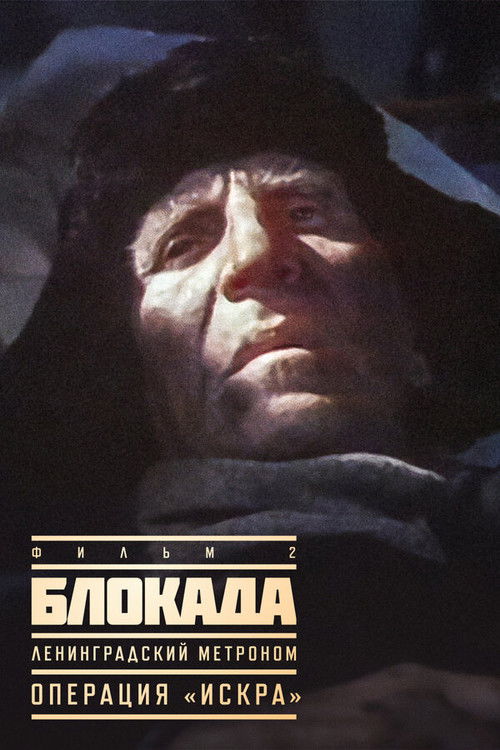
"Iskra" is the codename for the plan of the operation of the Soviet troops to break the blockade of Leningrad. In January 1943, the blockade of Leningrad was broken. A corridor 8-11 km wide was formed between Lake Ladoga and the front line.
The Siege: Operation "Iskra"
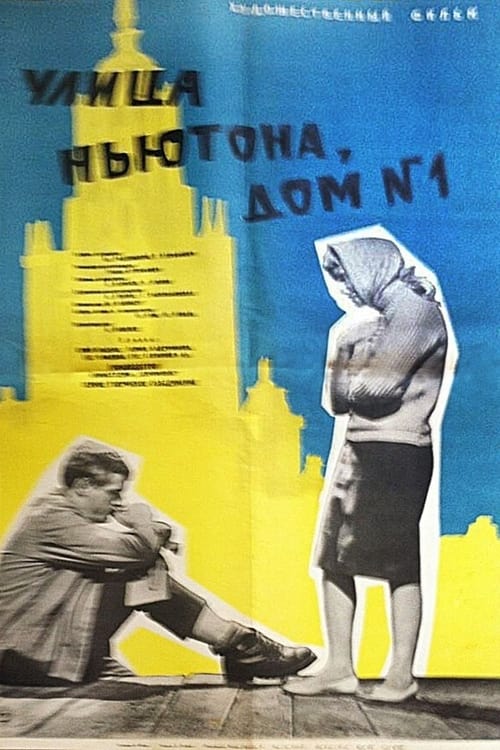
Timofey Suvernev comes to Moscow from a distant island to study. Tim successfully passes the exams at the institute, and immediately plunges into a turbulent student life. Through hard work and study, he achieves brilliant success, his student work, which he wrote together with his classmate Galtsov, receives a gold medal at the competition.
1 Newton Street
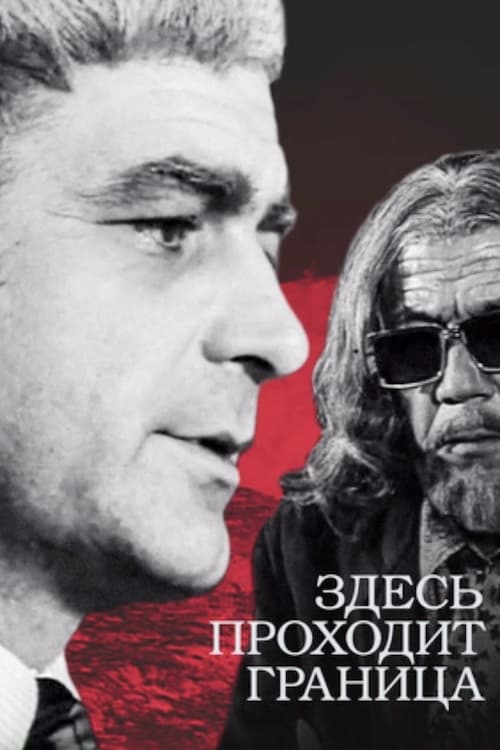
Yakov Koreshnikov, a border guard with extensive experience, is leading an operation to detain a group of foreign agents. Back in the 20s, he participated in the liquidation of the Basmachi gang. Then he first met the traitor Abzal. During the Great Patriotic War, Koreshnikov again had to face him. The saboteurs sent to the Turkestan highway area were then destroyed, but Abzal managed to escape. And here is their last meeting...
This is Where the Border Goes
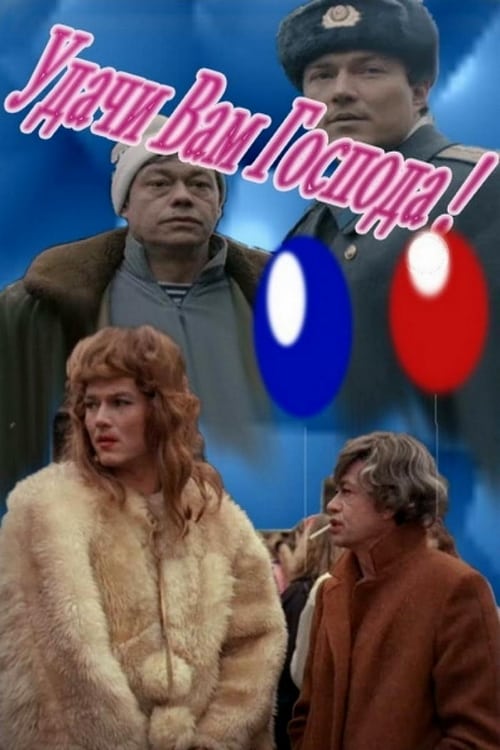
Oleg, a veteran of the German Army, arrives in St. Petersburg at the call of his old comrade-in-arms Vladimir. Instead of the expected well-paid job and decent accommodation, he finds himself in a pine forest, where former army captains and majors live in tanks (their tank column, which the putschists sent to Leningrad, was stopped halfway and forgotten) and earn their living by dressing up as gypsies, while his friend is obsessed with private entrepreneurship. Moreover, both of them fall in love with Olga, a provincial girl who has come to study at a theater school.
Good Luck, Gentlemen!
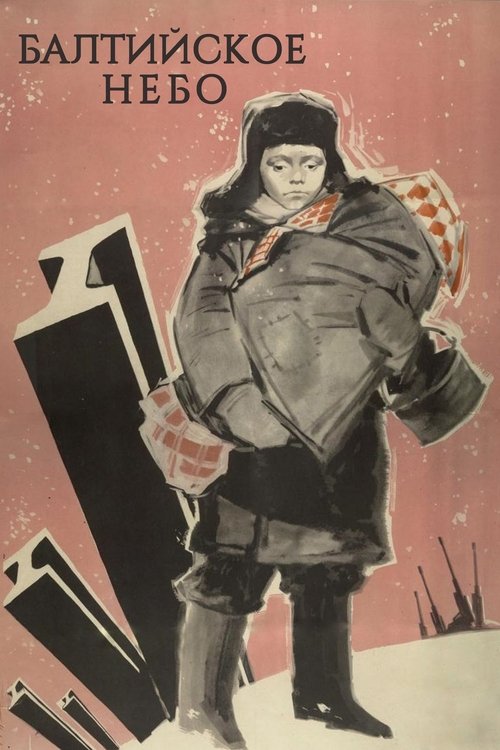
The end of August 1941. At night, a truck rushes along the last road not yet occupied by the enemy to Leningrad. In the back of two — civil aviation pilot Lunin and commissar of the air division Uvarov. Lunin, a man no longer young, experienced, but had not yet been in battle, was sent to the legendary squadron of fighter pilots under the command of Captain Rassokhin. This squadron fought from the first day of the war and has already lost most of its composition.
Baltic Skies
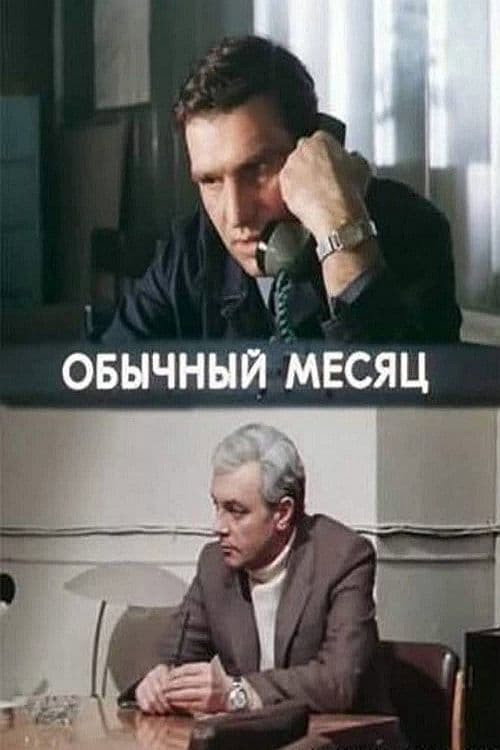
Grekov, the chief engineer of the instrument—making plant, is looking for a way out of the difficult situation at the plant: suppliers fail - they have to resort to assault, technology is disrupted, and quality suffers. The Institute of Production Management Problems, to which Grekov is seeking help, suggests introducing a new, as yet untested automated control system at the plant. Grekov agrees, although his colleagues, as one, believe that he chose the wrong time for this.
A Typical Month
A brave girl is replacing her twin brother in the hockey game and helps his team to win.
Tigers on Ice
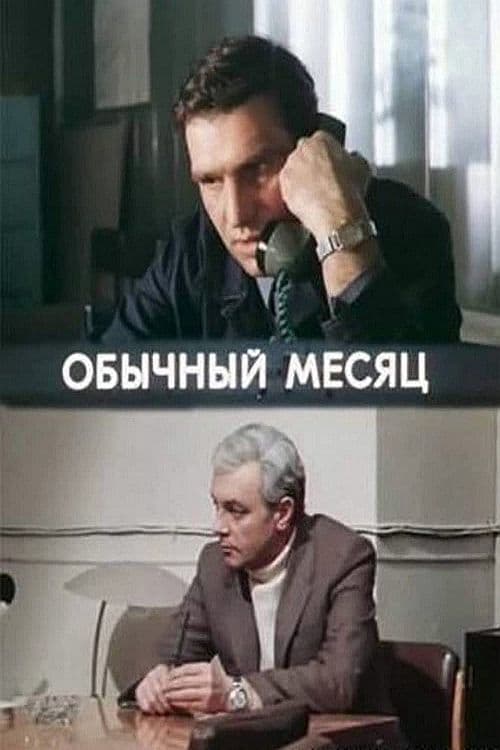
Grekov, the chief engineer of the instrument—making plant, is looking for a way out of the difficult situation at the plant: suppliers fail - they have to resort to assault, technology is disrupted, and quality suffers. The Institute of Production Management Problems, to which Grekov is seeking help, suggests introducing a new, as yet untested automated control system at the plant. Grekov agrees, although his colleagues, as one, believe that he chose the wrong time for this.
A Typical Month

According to the story of the same name by Pavel Nilin. At 20, Tonya gave birth to a daughter — alone, without a husband. At 30 — personal happiness became an unattainable dream. She devoted herself to her beloved daughter. But at the age of 40, life seemed to make a circle and return to its starting point. There is nothing left to lose — which means you can take a chance, start all over again. Mom is married for the first time, and it’s hard for a selfish daughter to put up with this...
Married for the First Time
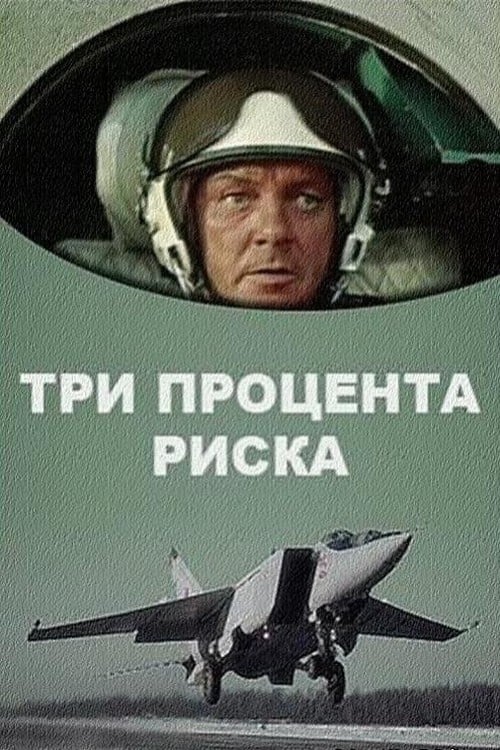
The test pilot of a new fighter gets into an accident and is disabled. The management assigns Evgeny Fetisov to conduct the final ten flights, and thus rejects his request for a long—awaited vacation.…
Three Percent of Danger
A story about the tragic events in the life of besieged Leningrad from September 1941 to January 1943.