Fortunio Bonanova
Acting
Biography
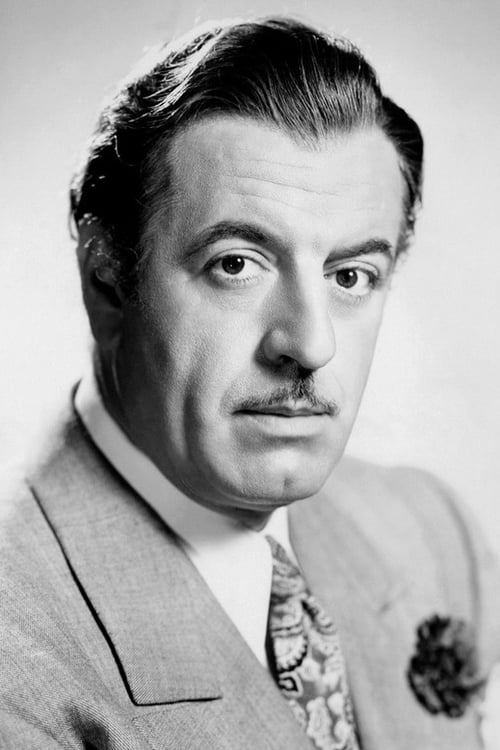
Fortunio Bonanova, pseudonym of Josep Lluís Moll, (13 January 1895 – 2 April 1969) was a Spanish baritone singer and a film, theater, and television actor. He occasionally worked as a producer and director. According to Lluis Fàbregas Cuixart, the pseudonym Fortunio Bonanova referred to his desire to seek fortune, and his love of the Bonanova neighborhood in his native Palma. As a young man, living under his birthname, he was a professional telegraph operator. He studied music with the Italian Giovachini. In 1921, he debuted as a singer in Tannhäuser, at the Teatre Principal in Palma. That year, along with a group of Majorcan intellectuals and Jorge Luis Borges (who was briefly living in Majorca with his parents and sister), he signed the Ultraist Manifesto, using the name Fortunio Bonanova. Also in 1921, he appeared in a silent film of Don Juan Tenorio by the brothers Baños, which was shown the following year in New York City and Hollywood. He later directed his own Don Juan in 1924. In 1927, he acted in Love of Sunya, directed by Albert Parker and starring Gloria Swanson. In 1932 he had small parts in Hollywood productions featuring Joan Bennett and Mary Astor. In the same period, he appeared in New York in several operas as well as the zarzuelas La Canción del Olvido ("The song of forgetting"), La Duquesa del Tabarín ("The Duchess of Tabarín"), Los Gavilanes, and La Montería. In 1934, he returned to Spain, where he had a major role in the film El Desaparecido ("The disappeared one") written and directed by Antonio Graciani. In 1935 he acted and sang in the film Poderoso Caballero ("A Big Guy"), directed by Màximo Nossik. In 1936, with the outbreak of the Spanish Civil War, he returned to the United States, where he played the role of Captain Bill in a film called Capitán Tormenta, directed by Jules Bernhardt. A sequence of increasingly larger acting and singing roles mostly in English-language films followed, especially after 1940. Among his roles were Signor Matiste, Susan Alexander Kane's opera coach in Citizen Kane (1941); General Sebastiano in Five Graves to Cairo (1943); Don Miguel in The Black Swan (1942); Fernando in For Whom the Bell Tolls (1943); Sam Garlopis in Double Indemnity (1944); and a singing Christopher Columbus in Where Do We Go From Here?. He continued for the next several decades in a miscellany of character roles.
Known For

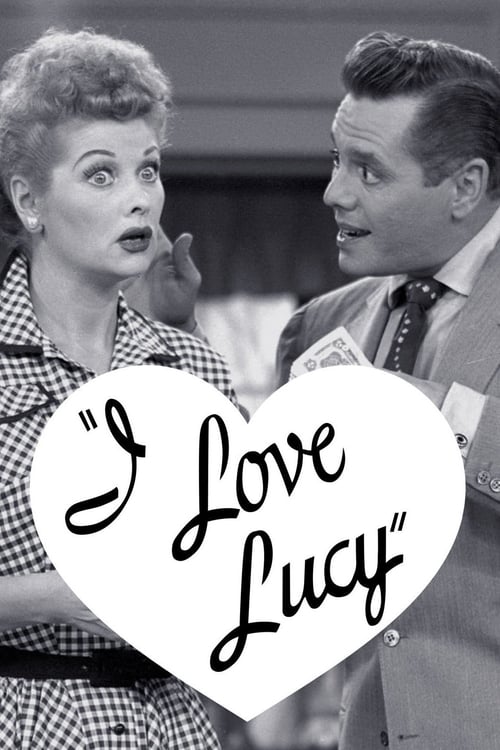
Cuban Bandleader Ricky Ricardo would be happy if his wife Lucy would just be a housewife. Instead she tries constantly to perform at the Tropicana where he works, and make life comically frantic in the apartment building they share with landlords Fred and Ethel Mertz, who also happen to be their best friends.
I Love Lucy

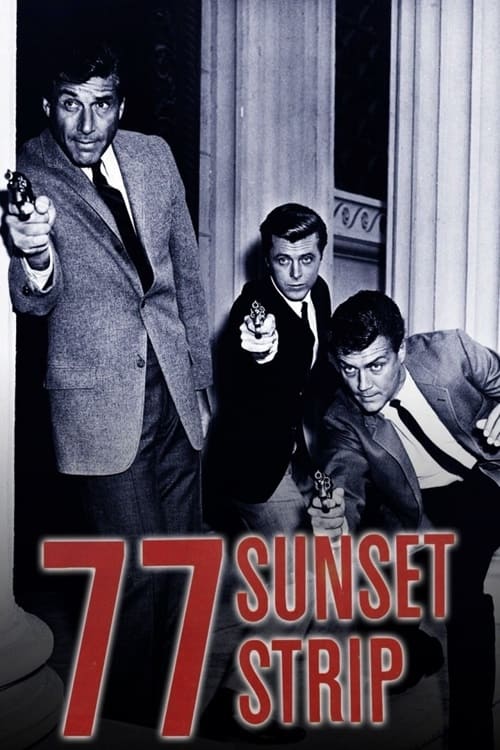
Stu Bailey and Jeff Spencer are the wisecracking, womanizing private-detective heroes of this Warner Brothers drama. They work out of an office located at 77 Sunset Strip in Los Angeles, California, right next door to a snazzy restaurant where Kookie works as a valet. The finger-snapping, slang-talking Kookie occasionally helps Stu and Jeff with their cases, and eventually becomes a full-fledged member of the detective agency. Rex Randolph and J.R. Hale also join the firm, and Suzanne is their leggy secretary.
77 Sunset Strip

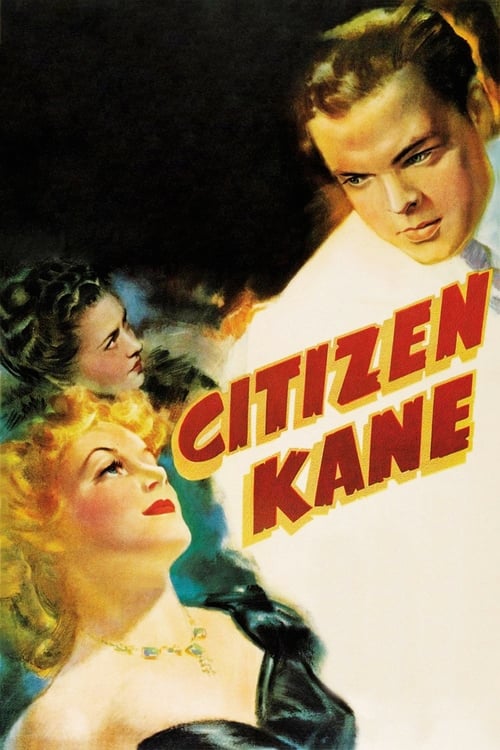
Newspaper magnate Charles Foster Kane is taken from his mother as a boy and made the ward of a rich industrialist. As a result, every well-meaning, tyrannical or self-destructive move he makes for the rest of his life appears in some way to be a reaction to that deeply wounding event.
Citizen Kane

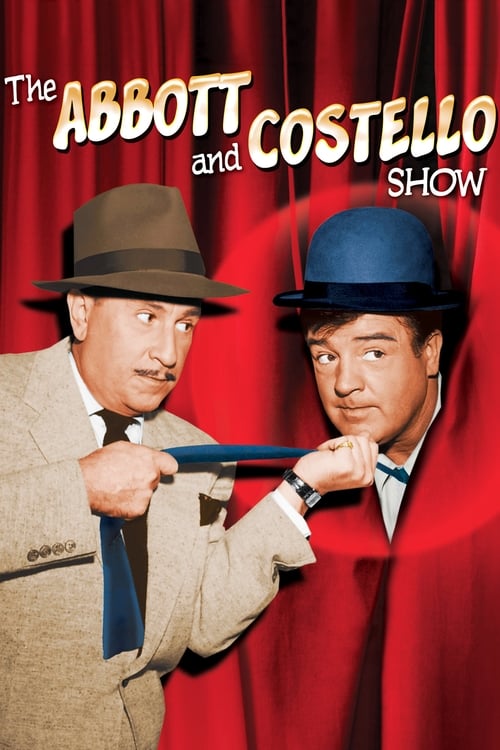
Bud and Lou are unemployed actors living in Mr. Fields’ boarding house. Lou’s girlfriend Hillary lives across the hall. Many situations arise leading to slapstick and puns.
The Abbott and Costello Show

December Bride is an American sitcom that aired on the CBS television network from 1954 to 1959, adapted from the original CBS radio network series that aired from June 1952 through September 1953.
December Bride

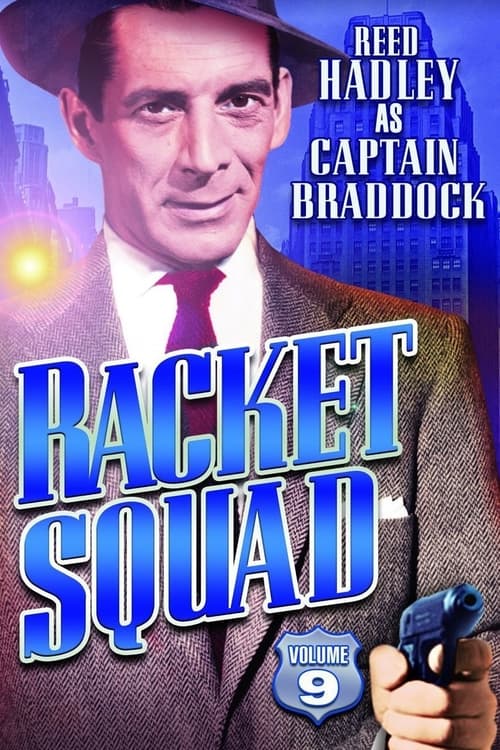
Racket Squad is an American TV crime drama series starring Reed Hadley as Captain John Braddock, a fictional detective working for the San Francisco, California Police Department. The show aired in syndication for a season before being picked up by CBS for three seasons. The series was filmed at Hal Roach Studios in Culver City, California, and was sponsored by cigarette manufacturer Philip Morris, hence there was a pack of the sponsor's brand on Braddock's desk at the beginning and end of the episode, as well as occasional scenes of him or other characters "lighting up".
Racket Squad

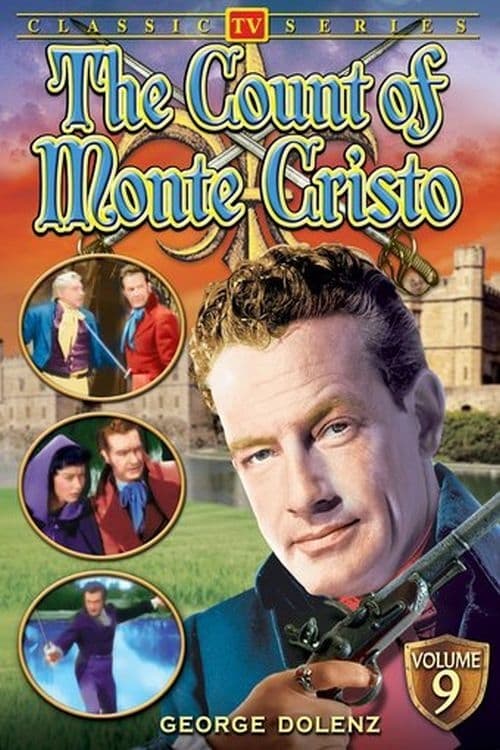
The Count of Monte Cristo was a 1956 ITC Entertainment/TPA television series adapted very loosely from the novel by Alexandre Dumas, adapted by Sidney Marshall. It premiered in the UK in early 1956 and ran for 39 thirty-minute episodes. The first twelve episodes were filmed in the United States, at the Hal Roach studios, with the rest being filmed at ITC's traditional home of Elstree. A 5-disc DVD set containing all thirty-nine episodes was released by Network Studio on 12 April 2010. ITC produced a film based on the same source-material, The Count of Monte-Cristo, in 1975.
The Count of Monte Cristo

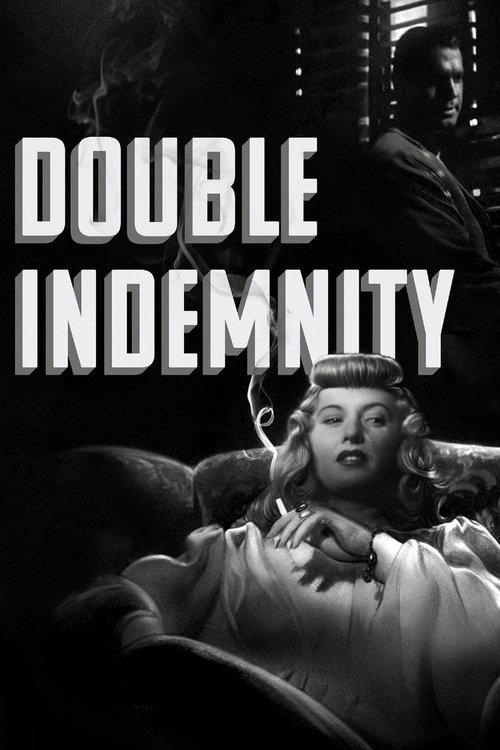
An insurance representative is seduced by a dissatisfied housewife into a scheme of insurance fraud and murder that arouses the suspicion of his colleague, a claims investigator.
Double Indemnity

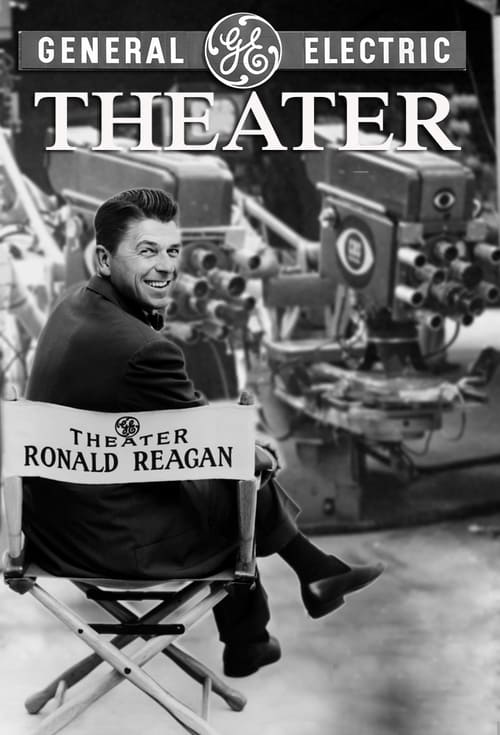
General Electric Theater is an American anthology series hosted by Ronald Reagan that was broadcast on CBS radio and television. The series was sponsored by General Electric's Department of Public Relations.
General Electric Theater

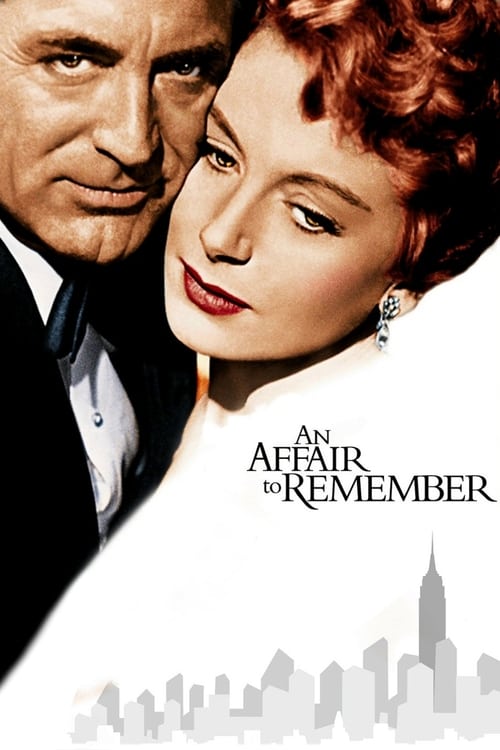
A couple falls in love and agrees to meet in six months at the Empire State Building - but will it happen?
An Affair to Remember

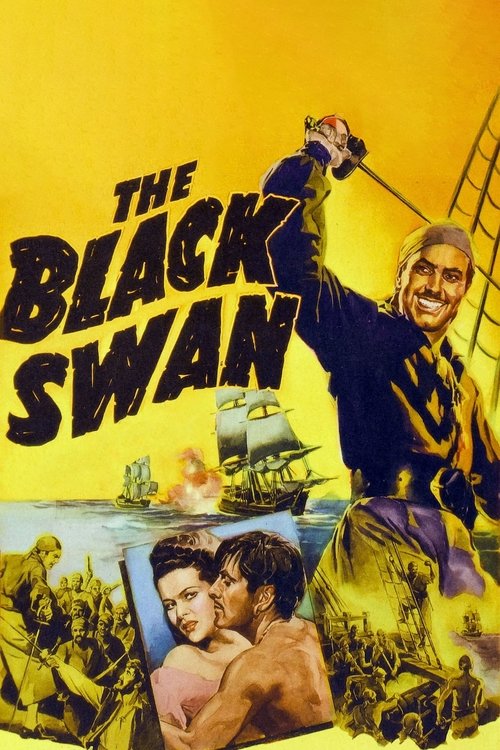
When notorious pirate Henry Morgan is made governor of Jamaica, he enlists the help of some of his former partners in ridding the Caribbean of buccaneers. When one of them apparently abducts the previous governor's pretty daughter and joins up with the rebels, things are set for a fight.
The Black Swan

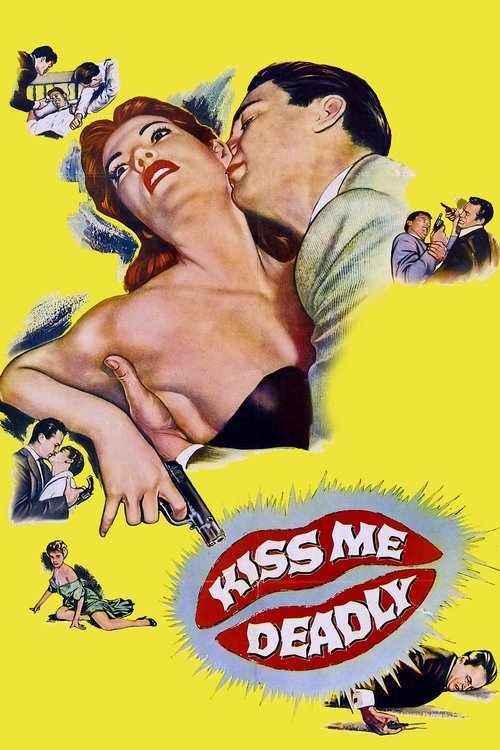
One evening, Hammer gives a ride to Christina, an attractive hitchhiker on a lonely country road, who has escaped from the nearby lunatic asylum. Thugs waylay them and force his car to crash. When Hammer returns to semi-consciousness, he hears Christina being tortured until she dies. Hammer, both for vengeance and in hopes that "something big" is behind it all, decides to pursue the case.
Kiss Me Deadly

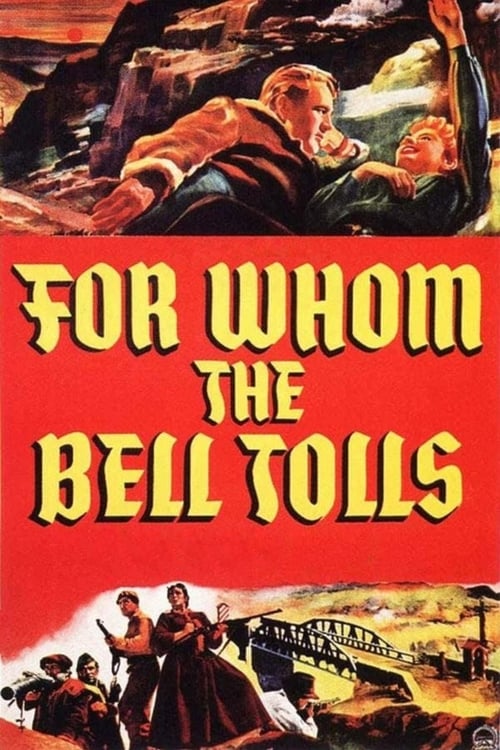
Spain in the 1930s is the place to be for a man of action like Robert Jordan. There is a civil war going on and Jordan—who has joined up on the side that appeals most to idealists of that era—has been given a high-risk assignment up in the mountains. He awaits the right time to blow up a crucial bridge in order to halt the enemy's progress.
For Whom the Bell Tolls

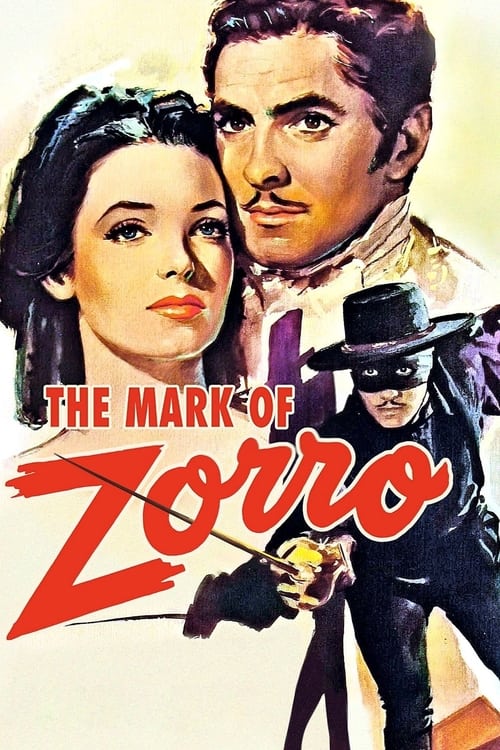
In 1820 Spain, the son of a California nobleman comes home to find his native land under a villainous dictatorship. On one hand, he plays the useless fop, while on the other, he is the masked avenger Zorro.
The Mark of Zorro

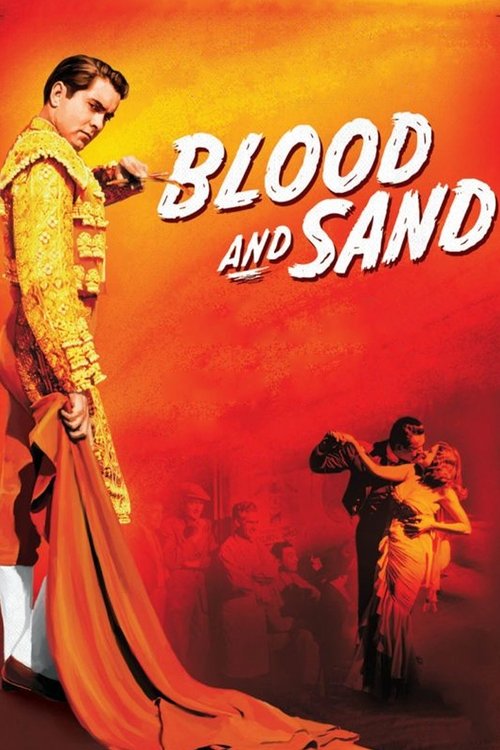
Bullfighter Juan Gallardo falls for socialite Dona Sol, turning from the faithful Carmen who nevertheless stands by her man as he continues to face real danger in the bullring.
Blood and Sand

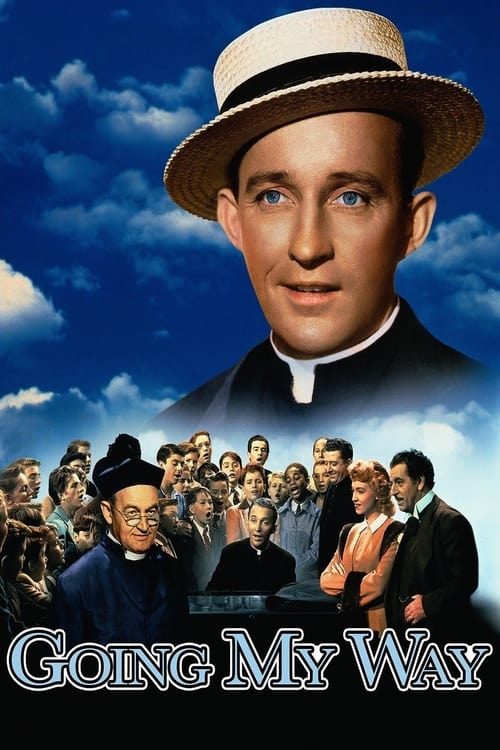
Youthful Father Chuck O'Malley led a colorful life of sports, song, and romance before joining the Roman Catholic clergy. After being appointed to a run-down New York parish, O'Malley's worldly knowledge helps him connect with a gang of boys looking for direction, eventually winning over the aging, conventional Parish priest.
Going My Way

Anti-Catholic and anti-cleric policies in the Mexican state of Tabasco lead the revolutionary government to persecute the state's last remaining priest.
The Fugitive

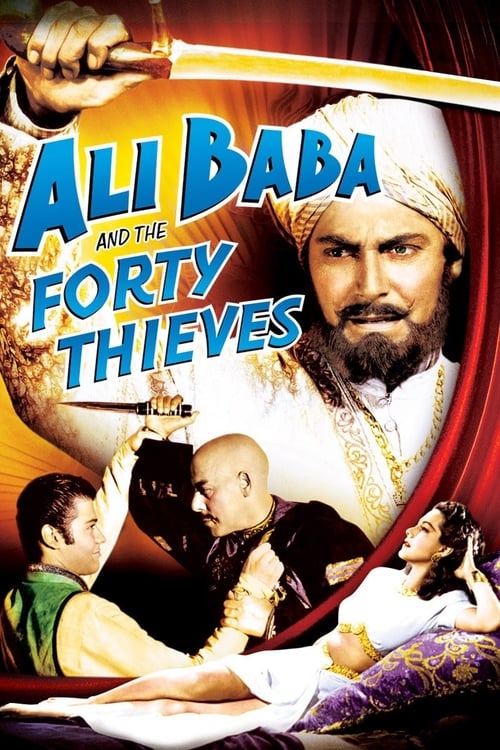
Orphaned as a young child and adopted by a band of notorious thieves, now-grown Ali Baba sets out to avenge his father’s murder, reclaim the royal throne, and rescue his beloved Amara from the iron fist of his treacherous enemy.
Ali Baba and the Forty Thieves

A prize-fighting boxer with a lethal right punch falls for a gangster's moll on the run in Mexico.
Second Chance

Brazil is perhaps the best of the handful of US films made by singing sensation Tito Guizar. In typical screwball-comedy fashion, the plot is set in motion by authoress Nicky Henderson, who has hit the best-seller charts with her latest tome, Why Marry a Latin? While researching her next book in Rio De Janeiro, she finds out "why" when she meets handsome songwriter Miguel Soares. Upon learning about Nicky's book, Miguel decides to teach her a few lessons in the affairs of the heart. Edward Everett Horton is also on hand, twittering his way through the role of a well-meaning buttinsky. Thanks to the "Good Neighbor" policy of the 1940s, South American musicals were a glut on the market, but Brazil was good enough on its own merits to pay its way at the box office.