Directing
No description available.
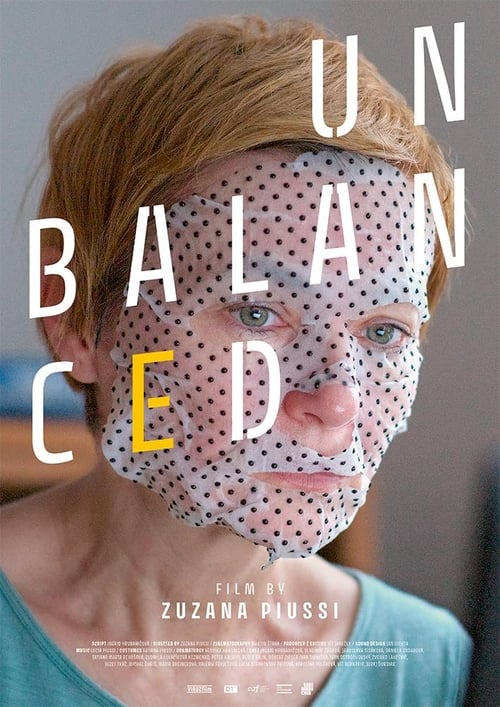
After a painful divorce, 50-year-old Nadia finally finds a good flat for reasonable price for her and her daughter. Too good to be true, and soon, albeit too late, she comes to understand the reason for the bargain. Her close neighbour in the house is mentally ill Valika who terrorises everyone around her. Piussi’s film creates a string of absurd encounters with increasingly menacing effects, but it is – at its core – a fantastically precise film about humanism, its consequences, its possible limits.
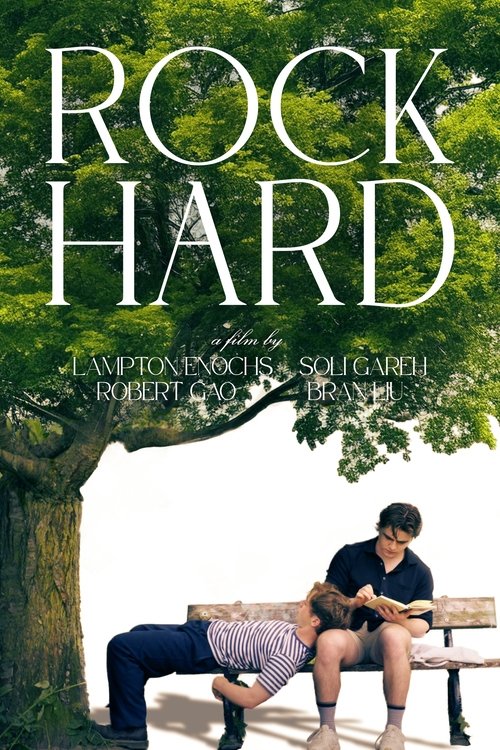
What is love? Two young men have found themselves out of rhythm in their relationship as issues they haven’t vocalized begin to boil over in unexpected ways one night. ROCK HARD is a story of what happens when partners don’t communicate, and serves as a lessons for billions of viewers worldwide in the ways we have to participate in love rather than seeing it as effortless.
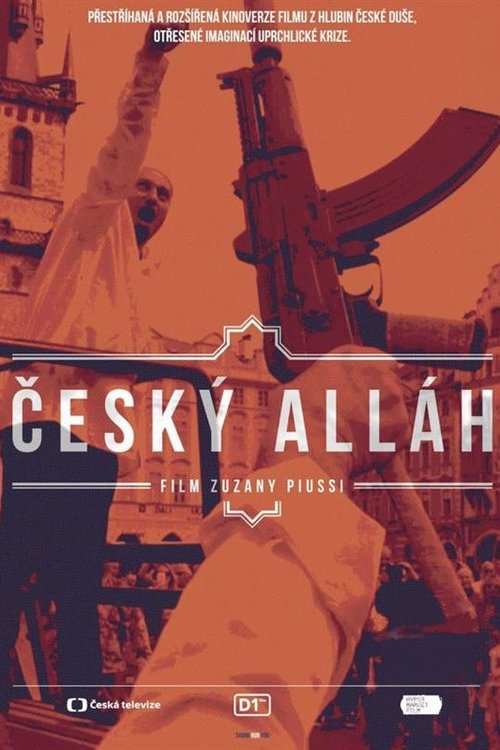
Film in hand. Carnival in the global village.
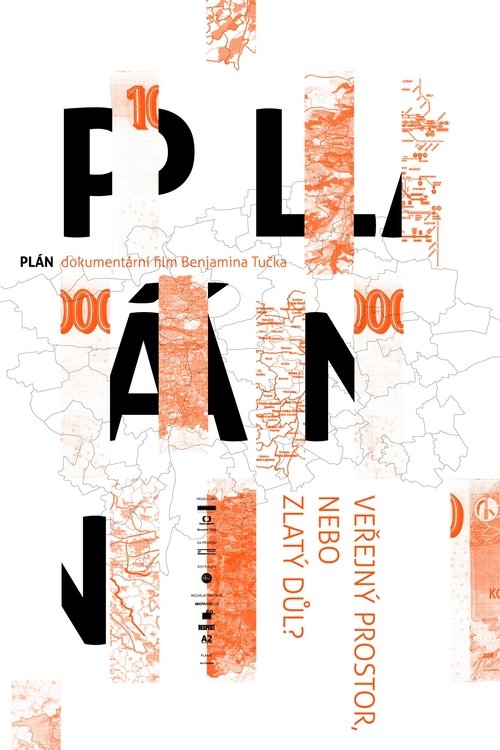
Prague faces the challenge of a new zoning plan. The city's development leads to conflicts between the private developer lobby, city residents, and elected officials. By following several years of town council meetings, the film paints an image of a public policy apparatus that ignores the role of the urban planner. Using a journalistic approach, the filmmaker attempts to depict all points of view, although in the end the dominant perspective is of those who believe in the city as an expression of culture and quality of life.
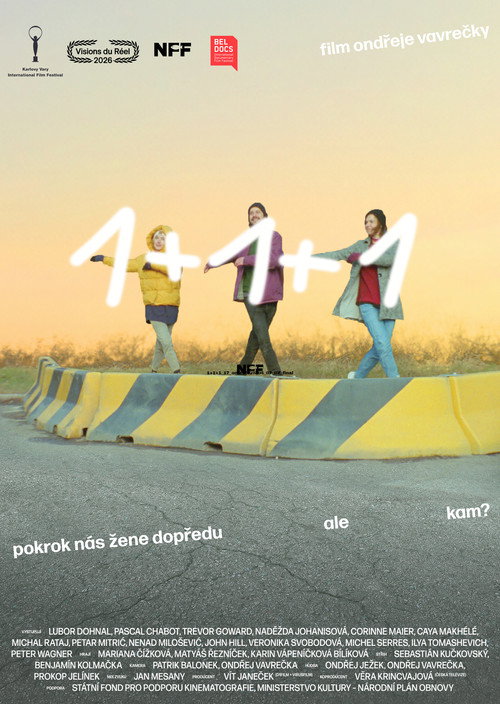
A film about the end of the world and the end of a roll of toilet paper. In his deftly playful work shot on 16mm, filmmaker (and musician) Ondřej Vavrečka reminisces, says his farewells and also reflects on the limits of progress. Via three fictional characters, each of whom responds differently to the impulses of their surroundings, he simultaneously enhances the sensitivity of the film audience. Will a pain we experience leave a scar or merely a colourless memory? And will someone remember the old Vysočany station a hundred years from now? In its poetic charm this cinematic piece is almost tactile in nature; it awakens all the senses and, in places, bears the hallmark of Jan Švankmajer, if the latter had been born an essential optimist, that is. Film as a whisper emanating from smiling lips. (Viktor Palák, KVIFF)
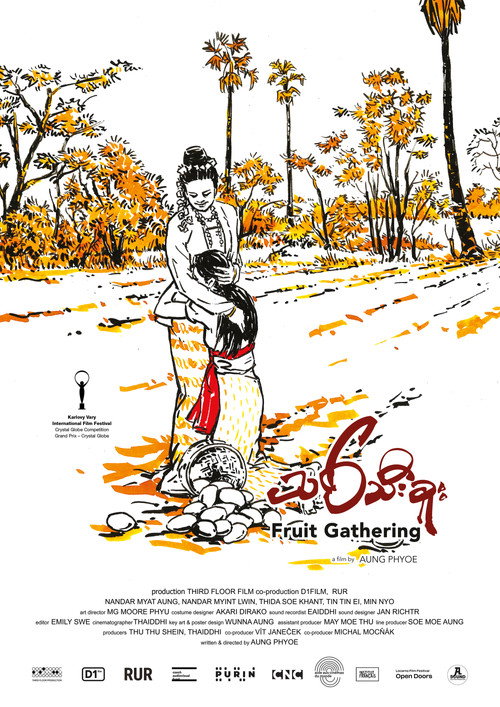
In industrial Yangon, young factory worker San Kyi dreams of returning to her native village. Her relationship with co-worker Theint Theint Oo evolves from closeness to growing distance, revealing tensions between their expectations and life prospects. Amid exhausting labour, social repression, and economic uncertainty, both women seek escape and intimacy.
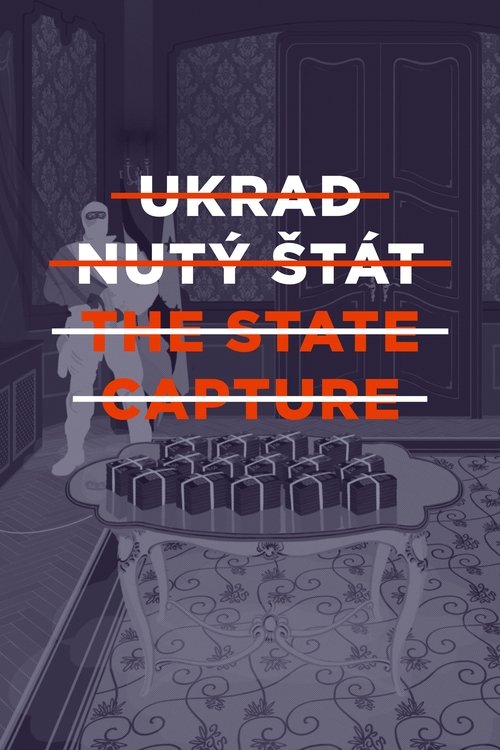
The film gives a complex insight into the gap in political reality of Slovakia - one of the EU countries - which became visible after an investigative journalists Ján Kuciak and his fiancée has been brutally murdered at their home. Following mass demonstrations led to substantial changes in the country's government, but the film doesn't follow history, but much more the universal processes behind the curtain. Journalists, (ex?)-officers of secret services, lawyers and analysts helps to reveal detective story in search of whom ordered to murder a journalist and an innocent girl. But main concern of the film is to reflect mechanisms of oligarchy and mafias (including the Italian) to blackmail key players of the system, to influence public perception and to penetrate police, judiciary and the government in their efforts to rule the country in the ways leading to their profits.
What impact do the Olympic Games have on their host cities? Athens, Tokyo, Beijing and Paris – cities that have changed the urban layout of entire neighbourhoods for the Olympics, transforming their appearance forever. Unused sports stadiums are falling into disrepair and grass is growing over them, while public attention is focused on the construction of new stadiums costing billions, displacing thousands of residents who have to make way for them. The director travels to Olympic host cities to explore this unsustainable cycle, which has a devastating effect on the city's economy, the environment, and the lives of ordinary people.
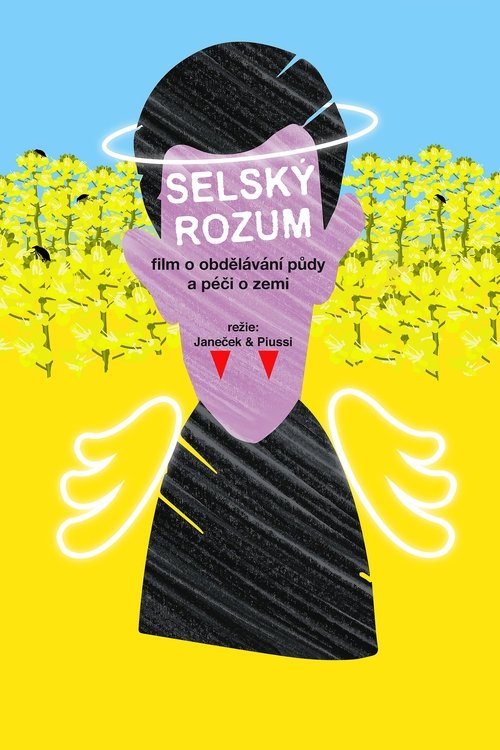
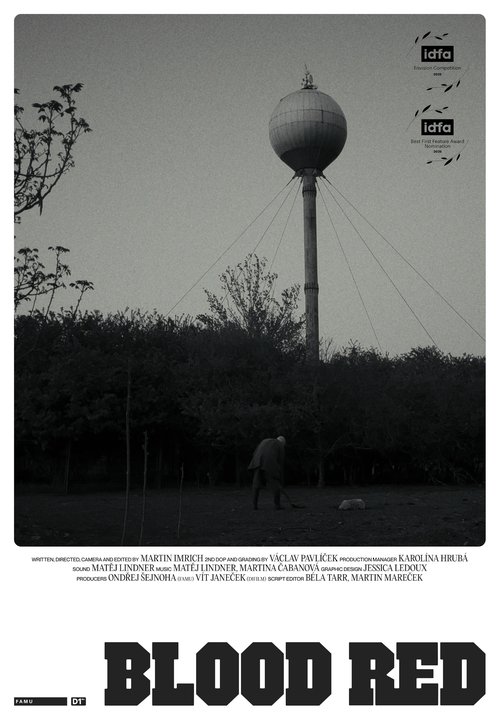
In a remote spot in the Eastern European countryside, far from the reach of the state, marshy earth is plowed, homemade wine tasted, and hunting rifles prepared—all meticulously observed by a slow-moving camera. From clearing construction waste to slaughtering a pig: the existential dimension of life here can be detected in almost every activity. This is a world that feels stable, yet always on edge, as if the structure could collapse at any moment.
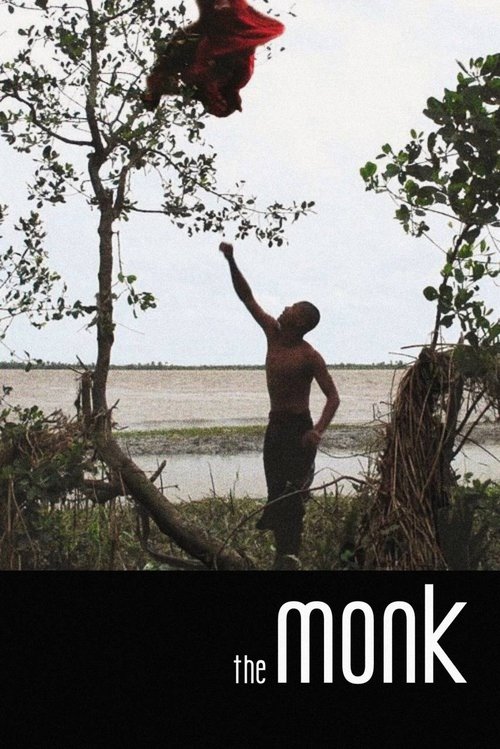
Zawana enters a Burmese monastery filled with the misgivings and uncertainty that come in part with the inexperience of youth. When the superior, U Dahma, falls ill, the youngster takes up an unexpected challenge. This sensitive film, enhanced by its unique setting, was made in a Burmese-Czech coproduction.
This film essay about mushrooms and their connections to other living things tries to use the structure of mushrooms to explain nature, science, and civilization, all the while searching for various analogies, such as the similarities between mycorrhiza and other structures.
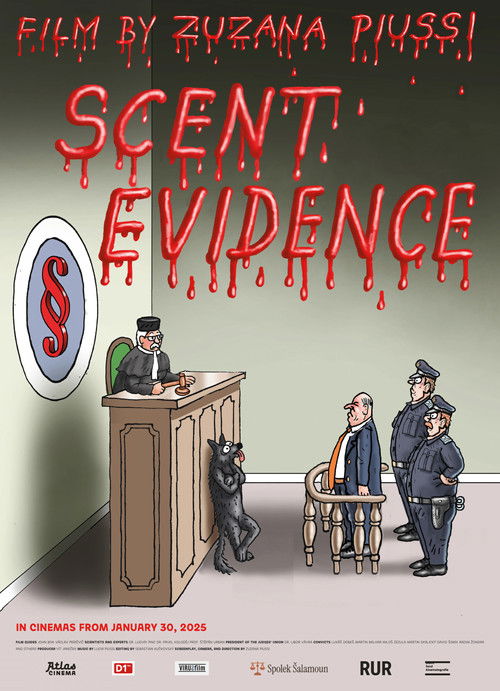
The scent trail as an evidentiary method in criminal proceedings was invented in the USSR and subsequently developed by the East German secret police and widely used against opponents of the regime. Since the 1980s, it has become a common part of police and judicial practice, even in the post-communist Czech Republic. Zuzana Piussi's latest film continues the director's investigative work dealing with the problematic construction of reality and dead ends in Central European justice. It follows the fate of people who seek retrials of unfair court proceedings and, in the wake of this, asks whether the method of proving the presence of a person at a crime scene based on the scent detected by a dog is really impartial or how it is possible that a scent trail is often sufficient as the only evidence to convict suspects, even though it is questioned by scientists.
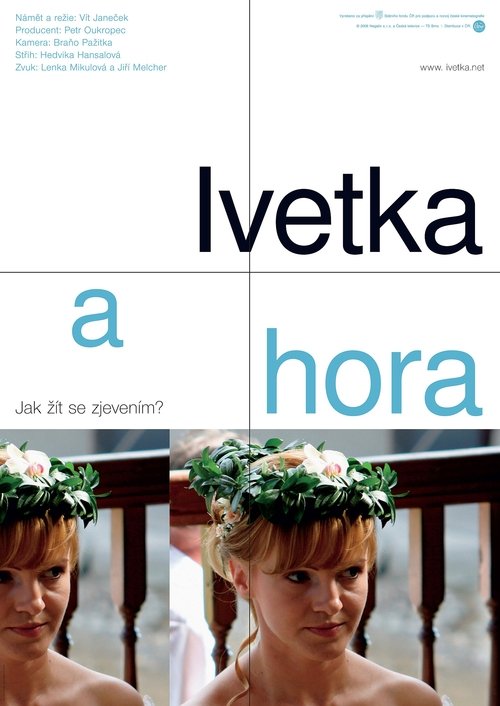
A documentary about the spiritual experience of a girl on Mount Zvir in Slovakia. On the afternoon of August 5, 1990, three children aged 10, 11, and 7—Ivetka, Katka, and her brother Miťko—were playing in a clearing on Mount Zvir, in the Lubovnianska Highlands in northeastern Slovakia. Suddenly, strange sounds began to echo from the surrounding forest, growing closer. The children hid in a nearby hayloft, but the sounds did not stop; on the contrary, they grew closer and closer, without anything being visible. The children's fear intensified. They thought to pray and prayed, "Mary, our Mother, hide us under your cloak..." Suddenly, everything stopped, and the Virgin Mary was sitting on a bench in the hayloft. Both girls saw her.
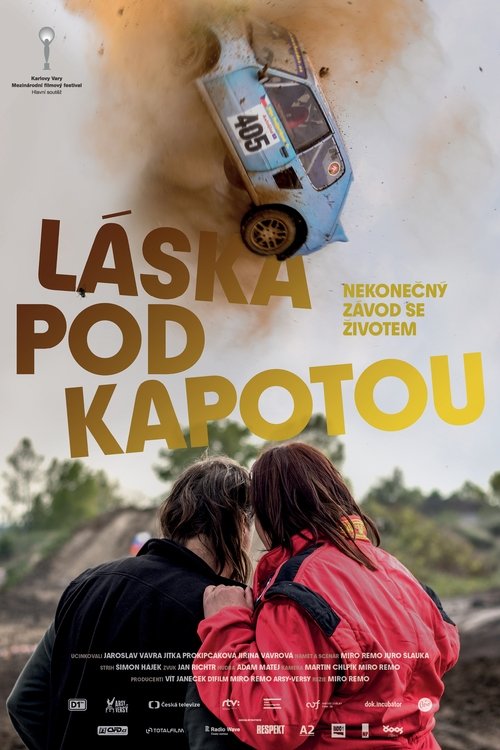
Fifty-something former miner Jaroslav has always dreamt of a career as a race car driver. In a congenial and jovial manner, he represents not only the charms and struggles (especially economic) of southeastern Moravia, but also the ever more visible chasm between city and countryside. An uncommonly charismatic portrait of a man struggling with the traumas of the past who, with disarming directness, clings to the promise of good luck and a dignified life alongside a new partner.
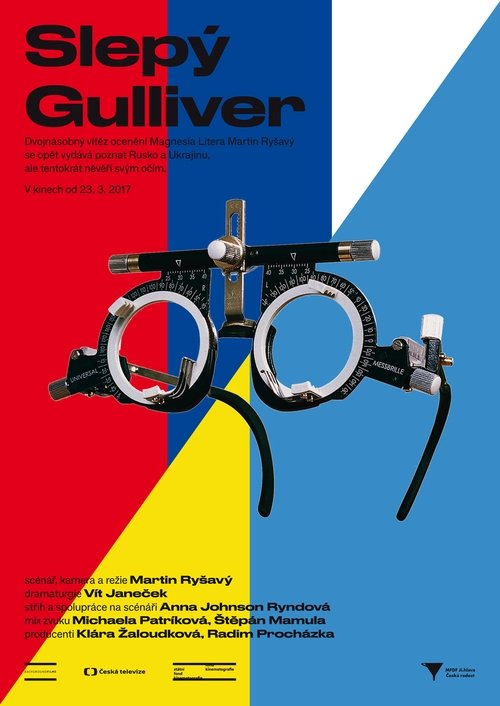
One of the most striking contemporary Czech film-makers and literary figures, twice over winner of the Magnesia Litera Award, Martin Rysavý, is himself the central character of his new, philosophically tinged travelogue. He takes part in the Ukrainian Maidan, takes the Trans-Siberian Express across Russia, sails down the Kolyma river, comes across nomadic reindeer herdsmen, soldiers, mystics, artists and scholars. He tries to comprehend the present situation of two feuding countries of the former Soviet empire. The film's framework forms the director's conversation with a Prague optician, Jakub Thuri, shot during the director's check-up. Using travel materials on top, it allows a peep inside a traveller's consciousness wandering in recollections and trails of sensory perceptions from expeditions to far-away lands and finding a way how to grasp them, put them in order and pass them on.