FEEL IT.STREAM
Barbara Stanwyck

Barbara Stanwyck

Acting

Biography

Barbara Stanwyck (July 16, 1907 – January 20, 1990) was an American actress. A film and television star, she was known during her 60-year career as a consummate and versatile professional with a strong screen presence and was a favorite of directors including Cecil B. DeMille, Fritz Lang, and Frank Capra. After a short stint as a stage actress, she made 85 films in 38 years in Hollywood, before turning to television. Stanwyck was nominated for the Academy Award four times, and won three Emmy Awards and a Golden Globe. She was the recipient of honorary lifetime awards from the Motion Picture Academy, the Film Society of Lincoln Center, the Golden Globes, the Los Angeles Film Critics Association, and the Screen Actors Guild, has a star on the Hollywood Walk of Fame and is ranked as the eleventh greatest female star of all time by the American Film Institute.
Known For

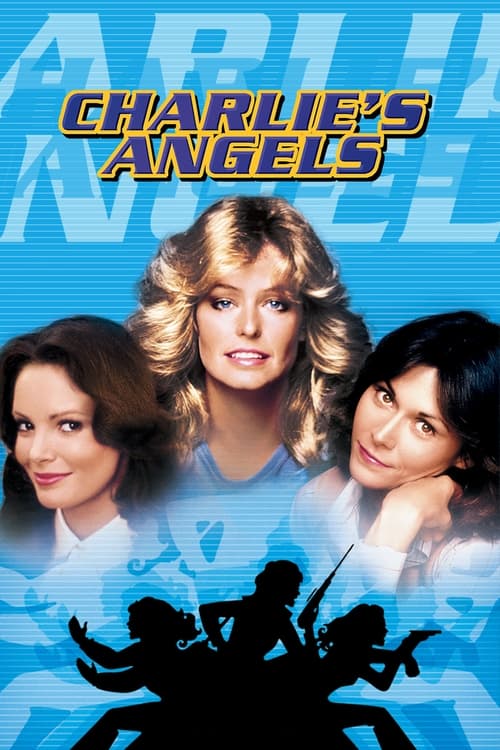
Charlie's Angels
6.7

Beautiful, intelligent, and ultra-sophisticated, Charlie's Angels are everything a man could dream of... and way more than they could ever handle! Receiving their orders via speaker phone from their never seen boss, Charlie, the Angels employ their incomparable sleuthing and combat skills, as well as their lethal feminine charm, to crack even the most seemingly insurmountable of cases.

Charlie's Angels

1976
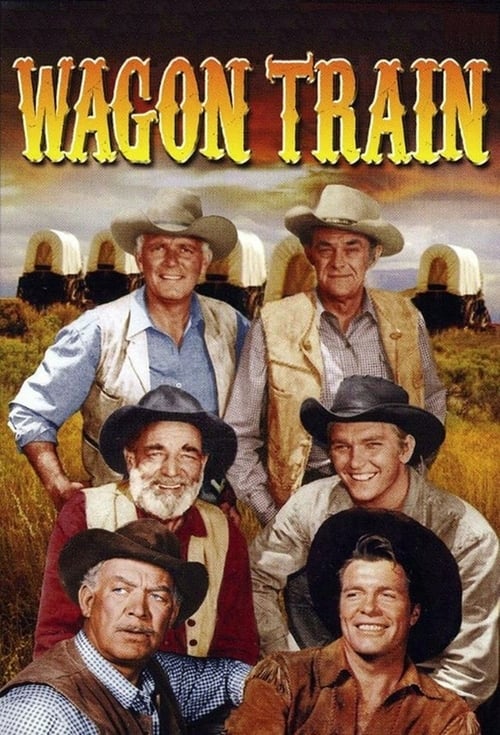
Wagon Train
6.6

The series initially starred veteran movie supporting actor Ward Bond as the wagon master, later replaced upon his death by John McIntire, and Robert Horton as the scout, subsequently replaced by lookalike Robert Fuller a year after Horton had decided to leave the series. The series was inspired by the 1950 film Wagon Master directed by John Ford and starring Ben Johnson, Harry Carey Jr. and Ward Bond, and harkens back to the early widescreen wagon train epic The Big Trail starring John Wayne and featuring Bond in his first major screen appearance playing a supporting role. Horton's buckskin outfit as the scout in the first season of the television series resembles Wayne's, who also played the wagon train's scout in the earlier film.

Wagon Train

1957
Dynasty
6.5

The saga of a wealthy Denver family in the oil business: Blake Carrington, the patriarch; Krystle, his former secretary and wife; his children: Adam, lost in childhood after a kidnapping; Fallon, pampered and spoiled; Steven, openly gay; and Amanda, hidden from him by his ex-wife, the conniving Alexis. Most of the show features the conflict between 2 large corporations, Blake's Denver Carrington and Alexis' ColbyCo.

Dynasty

1981
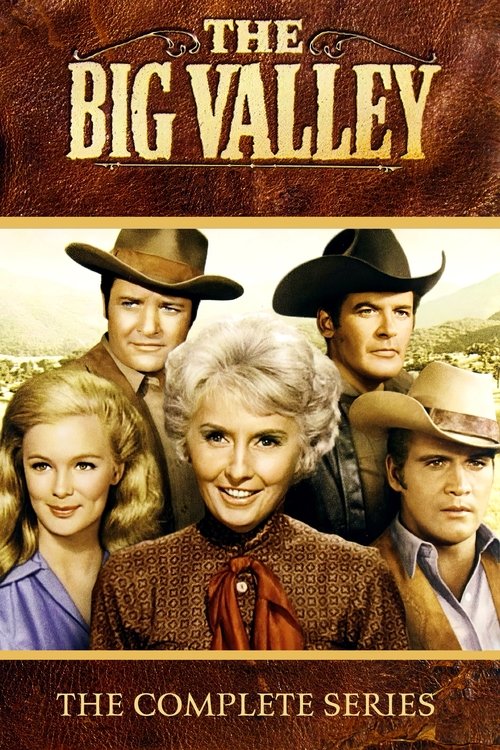
The Big Valley
6.2

The Big Valley is an American western television series which ran on ABC from September 15, 1965, to May 19, 1969. The show stars Barbara Stanwyck, as the widow of a wealthy nineteenth century California rancher. It was created by A.I. Bezzerides and Louis F. Edelman, and produced by Levy-Gardner-Laven for Four Star Television.

The Big Valley

1965
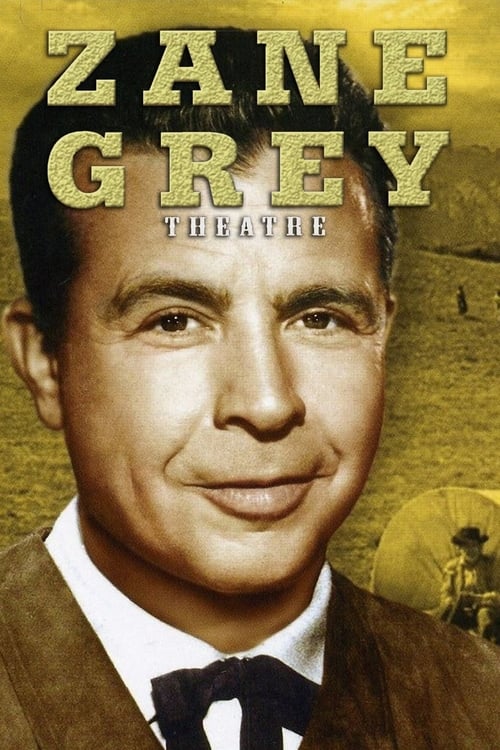
Dick Powell's Zane Grey Theatre
6.2

Dick Powell's Zane Grey Theatre, sometimes simply called Zane Grey Theatre, is an American Western anthology series which ran on CBS from 1956 to 1961.

Dick Powell's Zane Grey Theatre

1956
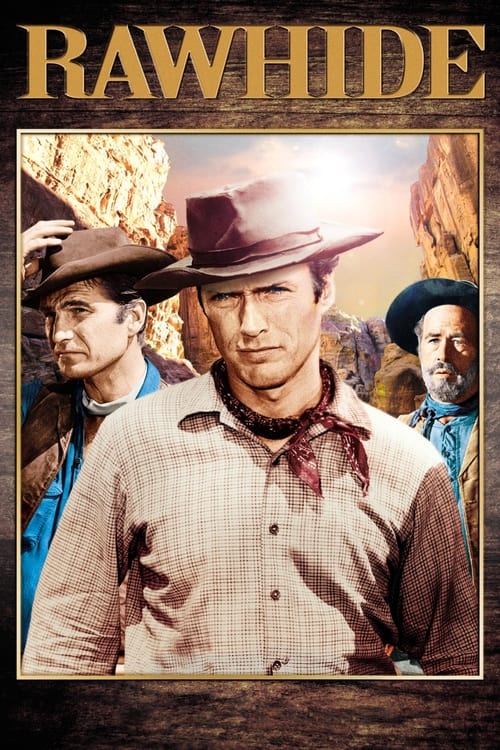
Rawhide
7.2

The tale of trail boss Gil Favor and his trusty foreman Rowdy Yates as they drives cattle across the old west. Along the way they meet up with adventure and drama.

Rawhide

1959
The Oscars
7.0

An annual American awards ceremony honoring cinematic achievements in the film industry. The various category winners are awarded a copy of a statuette, officially the Academy Award of Merit, that is better known by its nickname Oscar.

The Oscars

1953
The Colbys
6.3

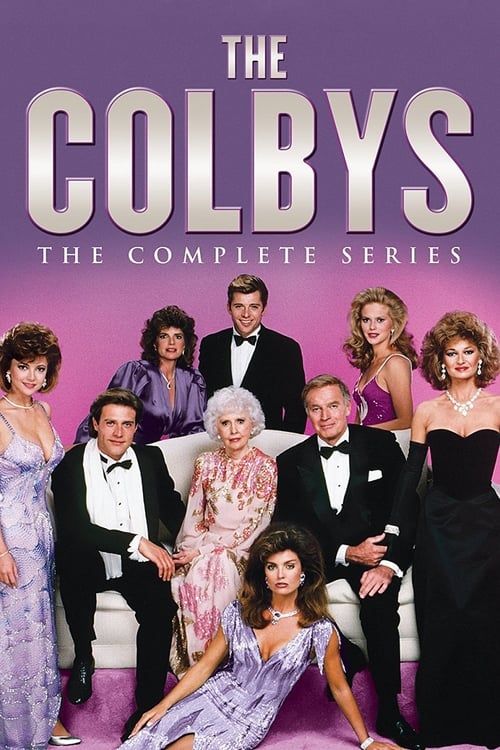
The Colbys is an American prime time soap opera, which originally aired on ABC from November 20, 1985 to March 26, 1987. Produced by Aaron Spelling, it was a spin-off of Dynasty, which had been the highest rated series for the 1984–1985 U.S. television season. The Colbys revolved around another wealthy, upper-class family, who were distant relatives of the Carringtons of Dynasty and who owned a large multi-national corporation. Intended to surpass its predecessor in opulence, the series' producers were handed an immensely high budget for the era and cast a handful of well-known movie stars among its leads, including Charlton Heston, Barbara Stanwyck, Katharine Ross and Ricardo Montalban. However, The Colbys was ultimately a ratings disappointment, and was canceled after two seasons.

The Colbys

1985
The Barbara Stanwyck Show
6.4

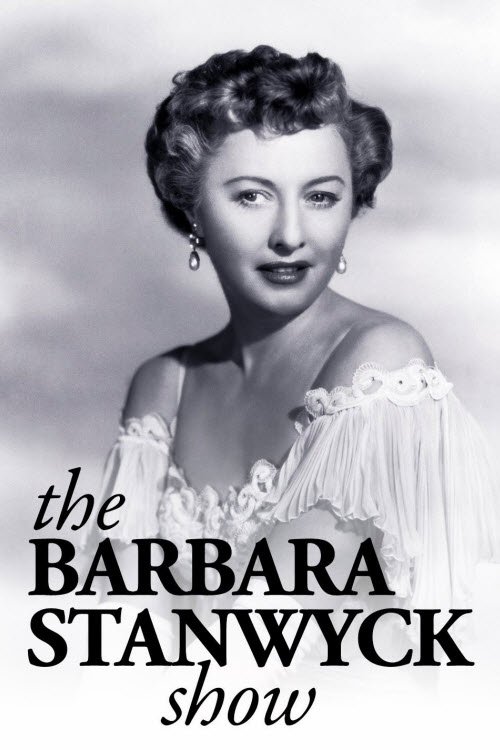
An American anthology drama television series hosted by Barbara Stanwyck served.

The Barbara Stanwyck Show

1960
The Dick Powell Show
5.7

The Dick Powell Show is an American anthology series that ran on NBC from 1961- 1963, primarily sponsored by the Reynolds Metals Company. It was hosted by longtime film star Dick Powell until his death from lymphatic cancer on January 2, 1963, then by a series of guest hosts until the series ended. The first of these was Gregory Peck, who began the January 8 program with a tribute to Powell, recognizing him as "a great and good friend to our industry." Peck was followed by fellow actors such as Robert Mitchum, Frank Sinatra, Glenn Ford, Charles Boyer, Jackie Cooper, Rock Hudson, Milton Berle, Jack Lemmon, Dean Martin, Robert Taylor, Steve McQueen, David Niven, Danny Thomas, Robert Wagner and John Wayne.

The Dick Powell Show

1961
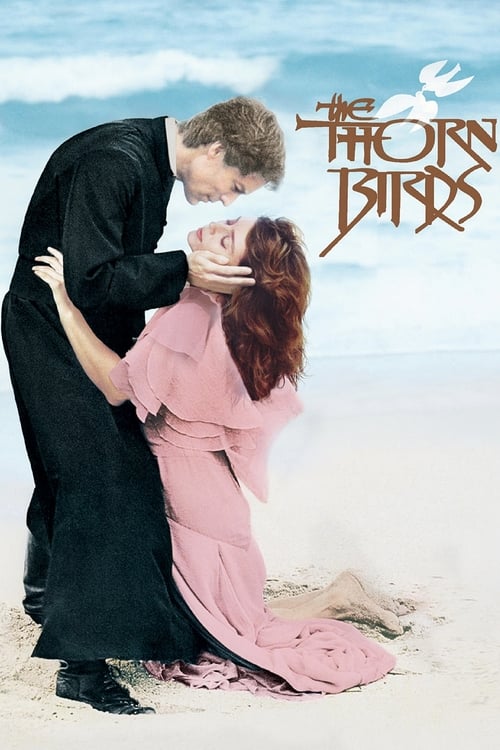
The Thorn Birds
7.2

Follows the Cleary family over several decades, focusing on the central, tragic romance between Meggie and Father Ralph, who is torn between his vows and his love for her.

The Thorn Birds

1983
The American Film Institute Salute to ...
6.3

In 1973 the American Film Institute initiated its Life Achievement Award, to be presented to a yearly recipient whose talent has fundamentally advanced the film art; whose accomplishments have been acknowledged by scholars, critics, professional peers and the general public; and whose work has stood the test of time.

The American Film Institute Salute to ...

1973
Letter to Loretta
6.6

Letter to Loretta is an American anthology drama series telecast on NBC from September 1953 to June 1961 for a total of 165 episodes. The filmed show was hosted by Loretta Young who also played the lead in various episodes. Letter to Loretta was sponsored by Procter & Gamble from 1953 through 1960. The final season's sponsor was Warner-Lambert's Listerine.

Letter to Loretta

1953
General Electric Theater
6.8

General Electric Theater is an American anthology series hosted by Ronald Reagan that was broadcast on CBS radio and television. The series was sponsored by General Electric's Department of Public Relations.

General Electric Theater

1953
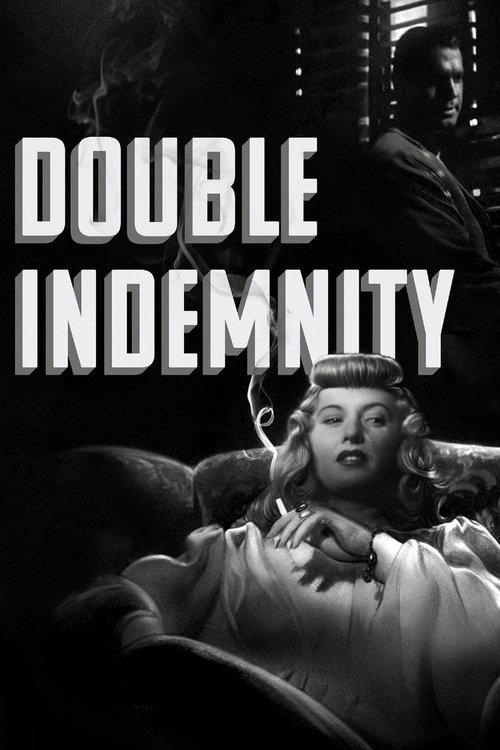
Double Indemnity
8.1

An insurance representative is seduced by a dissatisfied housewife into a scheme of insurance fraud and murder that arouses the suspicion of his colleague, a claims investigator.

Double Indemnity

1944
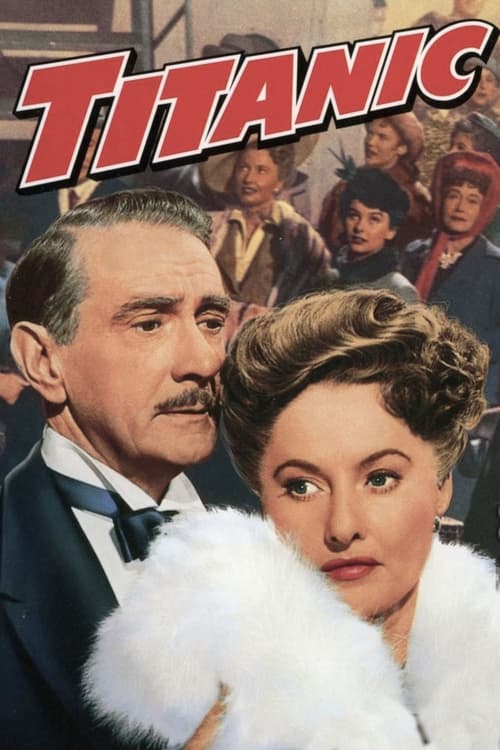
Titanic
6.6

Unhappily married, Julia Sturges decides to go to America with her two children on the Titanic. Her husband, Richard also arranges passage on the luxury liner so as to have custody of their two children. All this fades to insignificance once the ship hits an iceberg.

Titanic

1953
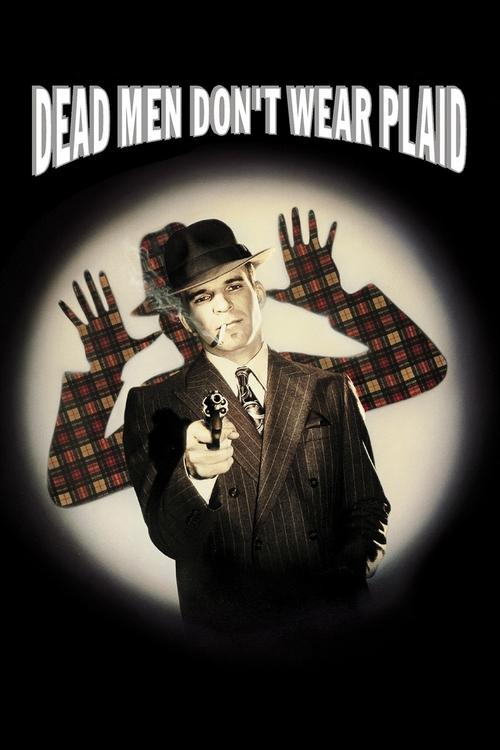
Dead Men Don't Wear Plaid
6.7

Juliet Forrest is convinced that the reported death of her father in a mountain car crash was no accident. Her father was a prominent cheese scientist working on a secret recipe. To prove it was murder, she enlists the services of private eye Rigby Reardon. He finds a slip of paper containing a list of people who are 'The Friends and Enemies of Carlotta'.

Dead Men Don't Wear Plaid

1982
No image
N/A

A study of the Group Theatre, a company that changed the face of American drama. The Group was founded in 1931 by Cheryl Crawford, Harold Clurman and Lee Strasberg, who were strongly influenced by the naturalistic acting of Konstantin Stanislavski’s Moscow Art Theatre.

Broadway's Dreamers: The Legacy of the Group Theatre

1989
Roustabout
6.0

After a singer loses his job at a coffee shop, he finds employment at a struggling carnival, but his attempted romance with a teenager leads to friction with her father.

Roustabout

1964
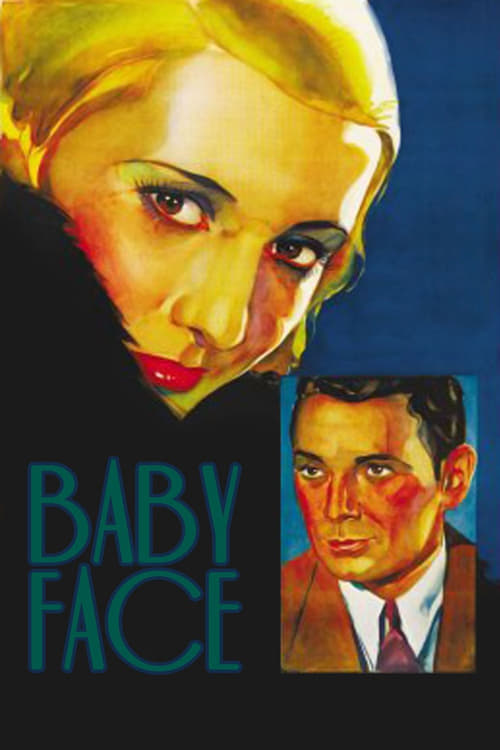
Baby Face
7.2

A young woman uses her body and her sexuality to help her climb the social ladder, but soon begins to wonder if her new status will ever bring her happiness.

Baby Face

1933