Writing
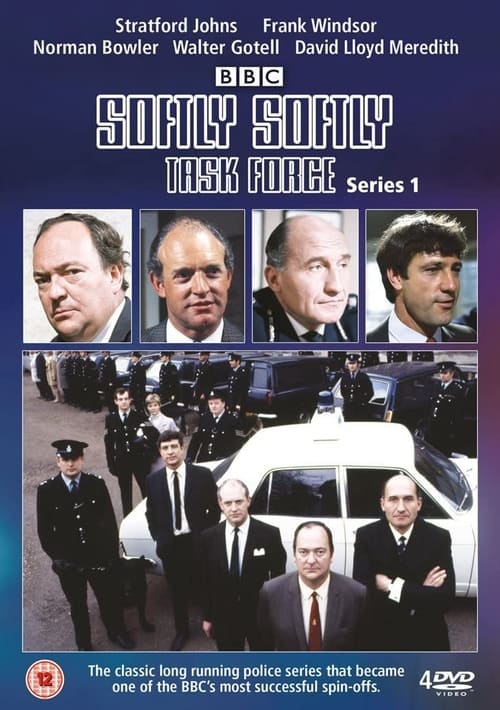
Softly, Softly is a British television drama series, produced by the BBC and screened on BBC 1 from January 1966. It centred around the work of regional crime squads, plain-clothes CID officers based in the fictional region of Wyvern, supposedly in the Bristol area of England.
Dramatisations of three different women, three different cases—Constance Kent (episodes 1–8), Mary Blandy (9–14), and Adelaide Bartlett (15–22)—all 18th- and 19th-century murderesses.
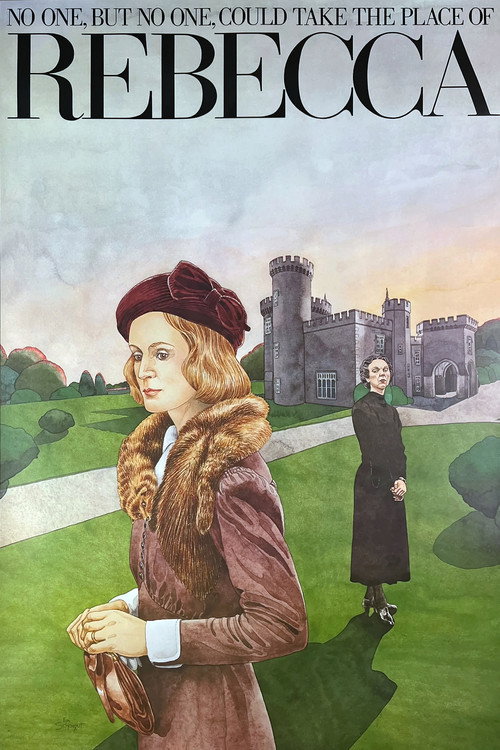
Rebecca is a four-part British television miniseries dramatised by Hugh Whitemore, adapted from Daphne du Maurier's eponymous 1938 mystery novel (which had famously been interpreted to film by Alfred Hitchcock in 1940). A naive young woman marries a wealthy widower, but grows haunted by his late wife's legacy and the sinister housekeeper's obsession with the deceased Rebecca.
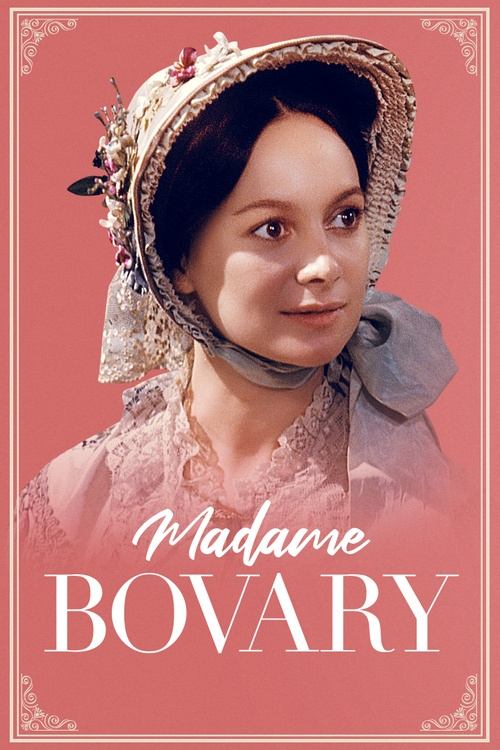
In 19th-century France, doctor's wife Emma Bovary seeks to escape her dull provincial life through various extramarital affairs and extravagant spending, leading to tragic consequences.
Drama series depicting a murder trial.
Fame is the Spur is a British television series which first aired on the BBC in 1982. It was based on the novel Fame is the Spur by Howard Spring. It depicts a socialist politician who betrays his early beliefs as he grows older, and was believed to be based upon the Labour Prime Minister Ramsay MacDonald. It had previously been adapted as a film Fame is the Spur by the Boulting Brothers in 1947.
Frank Clancy goes from penniless working-class idealist in the 1930s to superstar journalist and editor in the London of the swinging '60s — but at what cost to his integrity?
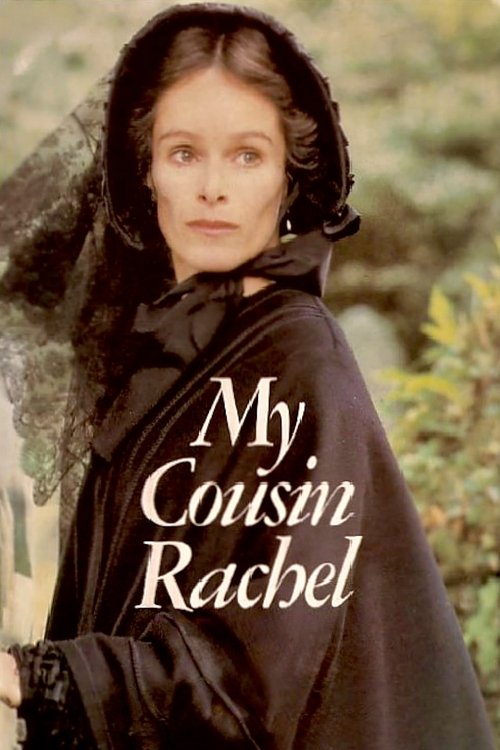
A young Englishman becomes convinced that his friend and guardian has been murdered by his mysterious second wife.
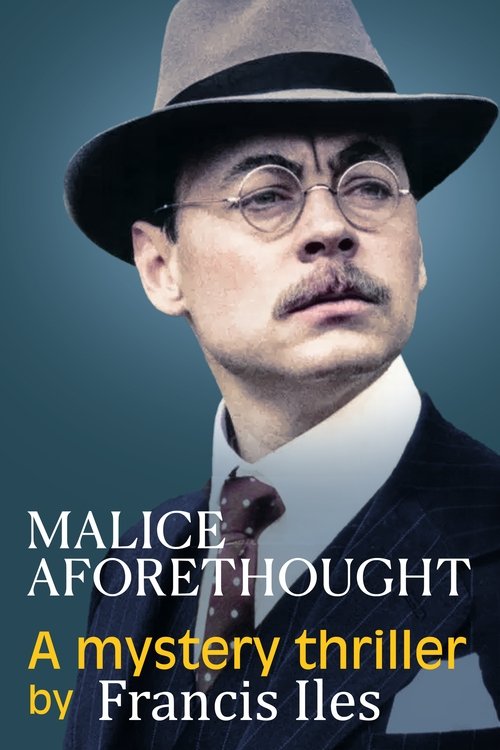
Malice Aforethought is a four-part 1979 BBC Two miniseries by Philip Mackie, adapted from Anthony Berkeley Cox's (pen name Francis Iles) 1931 noir novel of the same name. For ten years, Julia Bickleigh has despised and bullied her husband. For ten years Dr Bickleigh has dreamed of romance ... and escape.
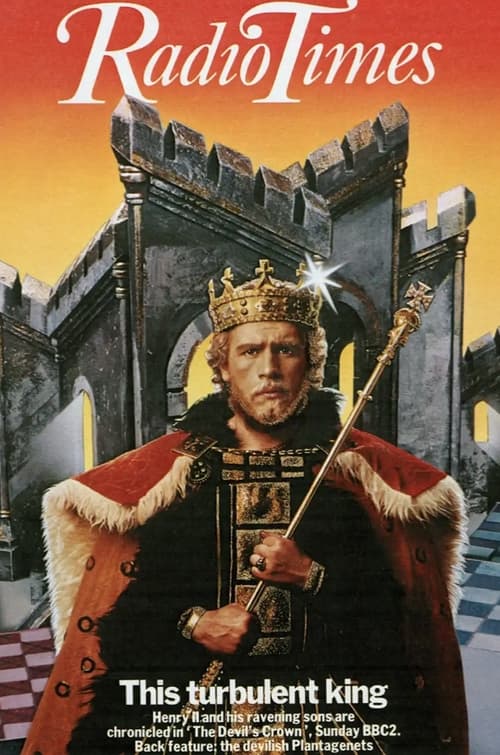
The Devil's Crown was a BBC limited series which dramatised the reigns of three medieval Kings of England: Henry II and his sons Richard the Lionheart and John. It was broadcast in thirteen 55-minute episodes between 30 April and 23 July 1978. Henry Plantagenet (latterly Henry II), sees his opportunity to seize the crown of England and create a kingdom of law and order. He cuts a deal with King Stephen in which Stephen will name him his heir, excluding his sons Eustace and William in exchange for a fragile truce. Stephen's sudden death elevates Henry to the throne. He may have been King of England, but the bulk of the Angevin Empire was in France, and it was this that Henry regarded as the Jewel in his Crown, maintained through a series of political marriages and complex allegiances. Henry pays homage to Louis VII, King of the Franks, for these lands, but it is clear that Henry is the shrewder and more ambitious of the two kings, having married Louis' ex-wife Eleanor of Aquitaine.
The life of a famous writer and his two wives is slowly revealed.
The doomed love story between Marguerite Gautier, a French courtesan frequented by high-class gentlemen, who is suffering from tuberculosis, and a young gentleman Armand Duval who's new in town.
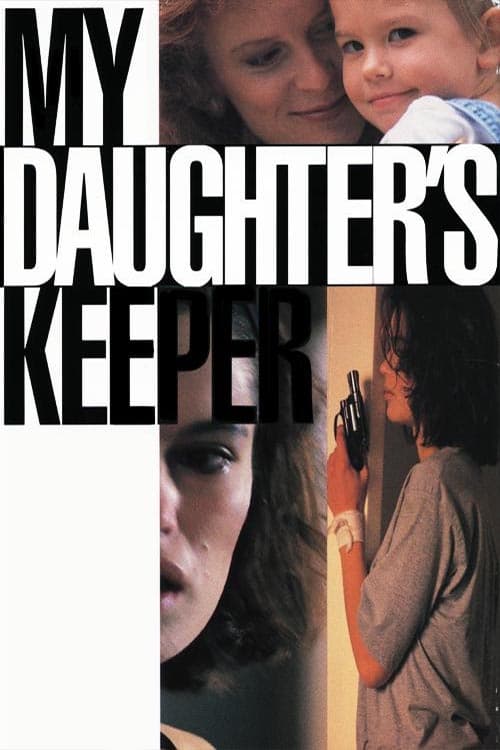
An American writer in England takes his children and a newly hired nanny on a trip to South Africa while his wife, a reporter, is on assignment. He has an affair with the nanny, but when he refuses to leave his wife for her, the nanny gets her revenge by kidnapping his children.
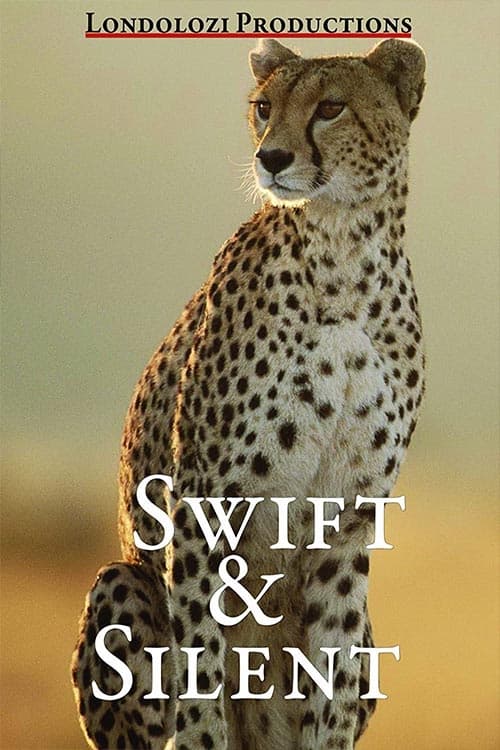
This documentary examines the threatened habitats and the three great predators: the jaguar, the leopard and the cheetah, of the great South American jungle, the Masai Mara grasslands of Kenya and the bushland of South Africa.