Damir Čučić
Directing
Known For

In Croatia in 2005, a machine tools factory was occupied by its workers. Since then, they have operated collectively, becoming the only successful example of a worker occupation in post-socialist Europe. Today, as they seek a new model of collective ownership, the microcosmic world of the factory clashes with the forces of the globalized market economy, having an increasingly brutal impact on wages and the organization of the factory, causing rising disaffection among the workers. Filmmaker Srđan Kovačević returns regularly over a five year period to make a film that charts the evolution of this communal enterprise. Factory to the Workers tells the inside story of the workers who challenged the dominant economic narrative with their actions. After a decade, the same question remains: can a factory in the hands of workers survive at the periphery of capitalism, or do we need a bigger dream?
Factory to the Workers
In April of 1992, Croatian soldier Ivan Faktor and three of his comrades record their journey in a bordeaux van from their wartorn hometown of Osijek to the Danish capitol of Copenhagen with a camera.
Alone at the Edge of the Universe

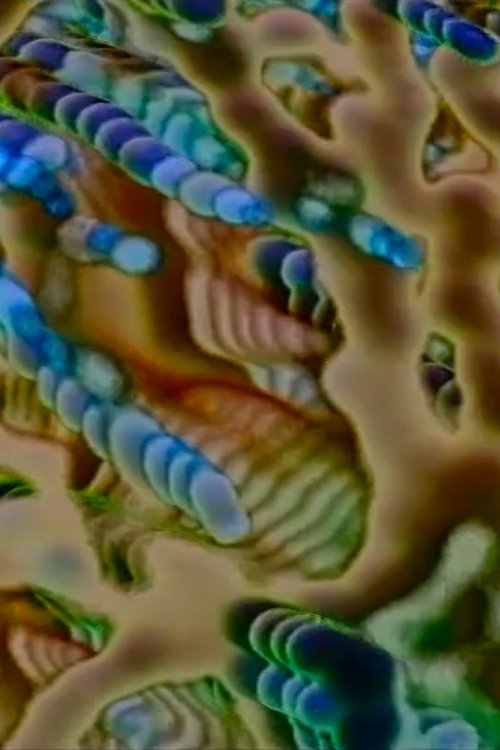
The basis of the experimental film Sky Spirits are real-life shots of fireworks. The authors of the film have collected these shots from the year 2001. to 2008. The experiment explores the ultimate limits of fireworks as sources of light, showing this through real-life dynamic light patters which are led through video processors, resulting in chromatically rich animated samples. The material is "laboratory" processed and then formed into a film unit, while respecting the dramaturgy of fireworks. The original sound was used, which was, of course, subsequently processed, too. The whole work process is a kind of "homage to the tape" because the entire work is completely recorded and realised on digital video tapes, without using any kind of computer program.
Sky Spirits

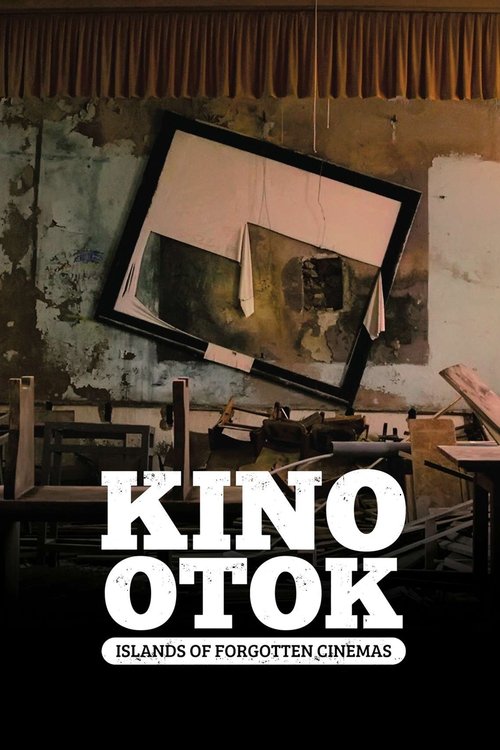
A poetic documentary about the lost film culture in the small villages on the Croatian islands during the SFR of Yugoslavia.
Islands of Forgotten Cinemas

Roko and Mirela are friends from Split. A big music festival is taking place in the city and Mirela wants to go.
Ultra

Father and son review the problems in their communication that have been accumulating in years. The son cannot get rid of fears that his life is being a true copy of his father's projections of his future, so he shoots a video letter with his amateur camera in which he tries to make his father look bad and present the evidences that would indicate how he became a much better person than him.
A Letter to My Father

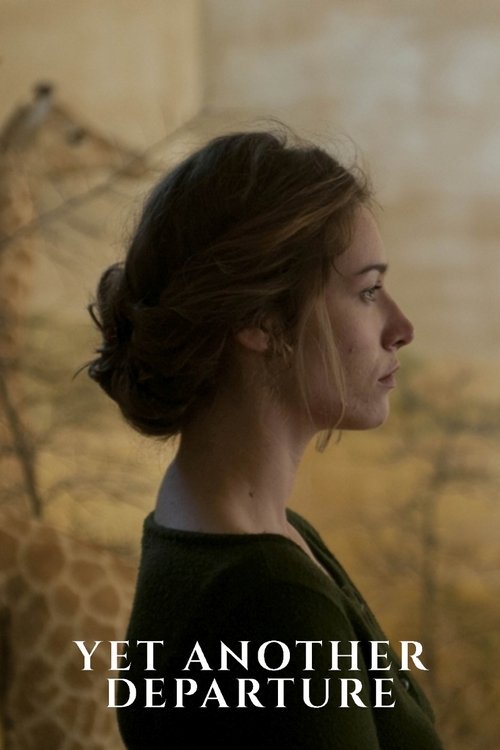
In 2016, the ex-Yugoslav Navy flagship Vis was deliberately sunk in order to turn it into a scuba diving attraction in Croatia. The ship lies on the seabed of the waters close to Brijuni Islands where in 1956 Nasser, Nehru and Tito met to discuss their opposition to the Cold War and the formation of the Non-aligned Movement. By employing visually impressive shots, the film establishes a signature spatial and temporal narrative, at the same time entering the space of fusion of personal and collective memory and dismemory, which, in the context of political and economic changes that have been occurring in Croatian society for the past several decades, acquire metaphorical and symbolic meanings, imbued with powerful socio-psychological implications.
Yet Another Departure

Gripping and alarming film, based on amateur footage of Vukovar. In an apocalyptic urban landscape, a sniper looks for prey.
City Killer

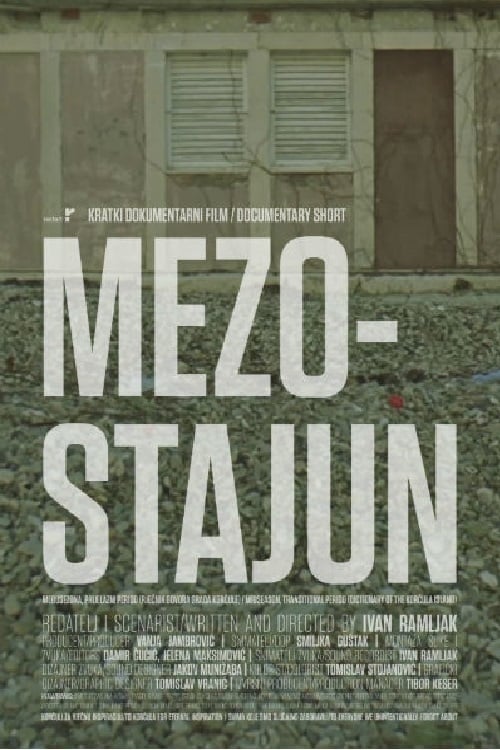
“Mezostajun” is an experimental documentary film, exploring spatiotemporal relations in a Mediterranean city in which the role of city’s public spaces in people’s lives varies greatly, depending on the season of the year. Elements of summer and winter are cinematically interlaced, and create in the viewers’ perception a new existential interspace called ‘’mezostajun’’.
Mezostajun

Cities I Haven’t Been To is an abstract travelogue that traces the skylines of unknown metropolises, taking the viewer on a virtual journey from Dubai to Dhaka and beyond. Unlike tourist postcards, these mental images stem from the filmmaker’s own memories and prejudices, coming to life in dreamlike flashes of abstract figures.
Cities I Haven't Been to

An intimate drama in which the boundaries between subjective and objective realities intertwine. A mother spends a day at the pool with her daughter. After the child slips briefly out of sight, the the tranquil, blue water transforms into a whirlpool of fear.
Separation

The film is based on an optical experiment with point light sources and appropriate filters. During the experiment, light passes through the obstacle and the obstacle is the human hand. The movements of the hands and fingers in front of the lens create interesting chromatic shapes.
The Torchbearer

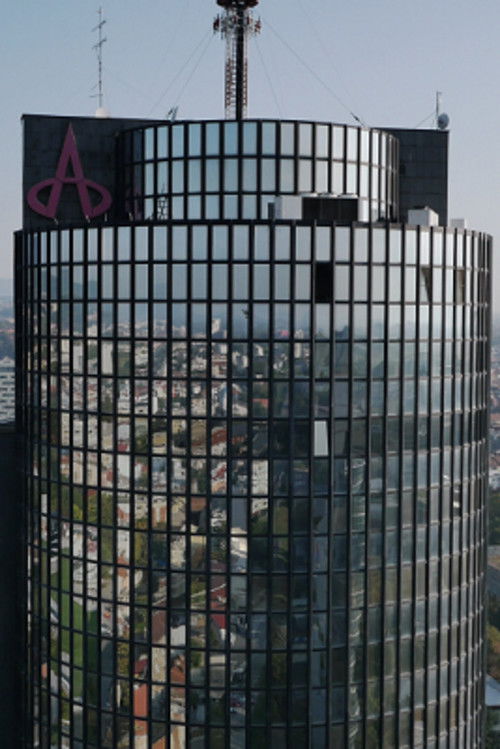
Agrokor is the largest privately owned company in Croatia and a symbol of modern-day success of Croatian economy. The corporation headquarters is located in the tower of Dražen Petrović House, popularly known as the Cibona Tower, which represents one of the symbols of previous Croatian achievements from the late socialist period. In 2017 Agrokor’s business problems are disclosed – the losses amount to billions. In collusion between politics and economy, who is responsible for the breakdown of this corporation? Today Agrokor’s sign no longer hangs from the Cibona Tower.
The Tower

This documentary was made to mark the 50th anniversary of the broadcast of the cult series Gruntovčani. By analyzing the character of Dudek, the film reminds us that in our own lives, consciously or unconsciously, we often take on the characteristics of the honest Podravina character Dudek, who was masterfully embodied by the late actor Martin Sagner. By combining archival material, interviews with the remaining living members of the crew that filmed the series, as well as authentic witnesses who still cherish the memory of Gruntovčani today, the film tells the story of the creation and timelessness of the cult TV Zagreb series.
We Are All Dudeks

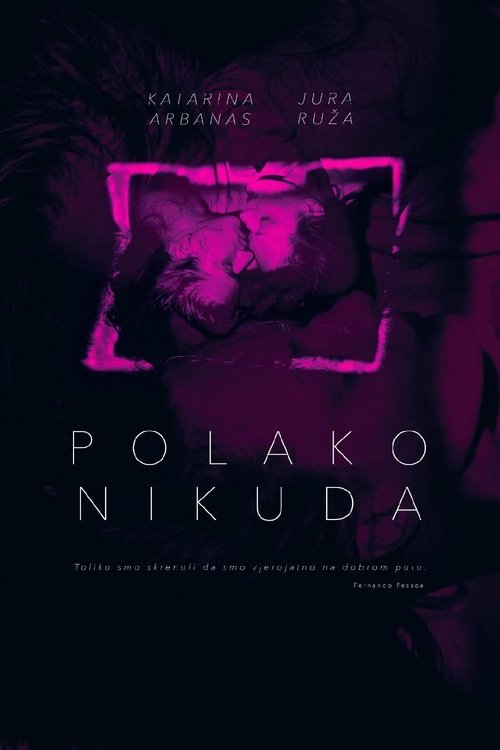
Oleg is a film student who leads a spartan life surrounded by analogue technology. A librarian during daytime, Marta is an avant-garde novelist who works with alternate subjectivity. Narrated from each of their perspectives, Čučić’s film recounts a romance that never ceases to take new shape.
Slowly Nowhere

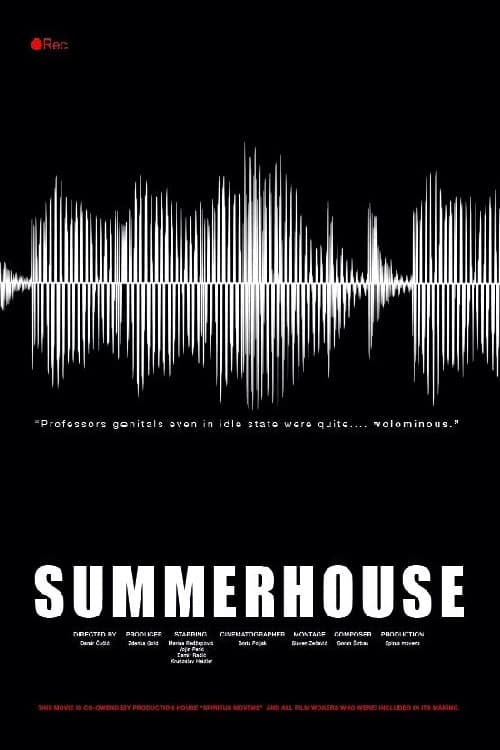
Vojin, a blind author of radio docudramas, invites protagonists of his shows to meet him at an isolated hotel in the off-season. He records conversations with them where he captures, with architectural precision, the ruins of their traumatic childhoods.
Summerhouse

Dreaming of better lands, from generation to generation, because of poverty, hunger and wars, we voyage across the seas. Geography is destiny. Do our bodies retain the memories of our grandfathers; are memories of running away in search of better lands imprinted on our bodies?
Porvenir

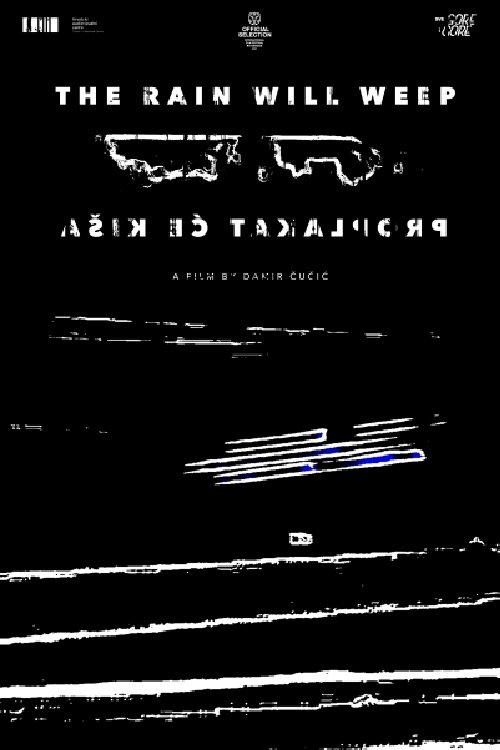
As a coping mechanism during the grim lockdowns during the global pandemic, Croatian filmmaker Damir Čučić started a project of exchanging video clips with a group of friends through social media. Superbly edited, The Rain Will Weep is created from the archive of more than 3,500 of those videos, portraying the world in a state of chaos that is sometimes violent, often very funny, but mostly absurd.
The Rain Will Weep

Mitch is an artist, Mitch is schizophrenic. That’s what he claims, facing the camera. And Mitch is his self-portrait, showing a man of 40 who uses the camera and film as a form of therapy. So (a decisive gesture here) this is about reversing perspectives, in order to follow in his footsteps.
Mitch: The Diary of the Schizophrenic Patient

In the spring of 1992, multimedia artist Ivan Faktor travels from war-struck Osijek to Copenhagen. To inform Danes of the ongoing war, his team appears on Stop TV, the most important independent TV station in Denmark. Faktor films the entire trip, his travel companions, the TV appearance, conversations on art and war, friends they visit, meeting his wife and son, and their trip back.