Acting
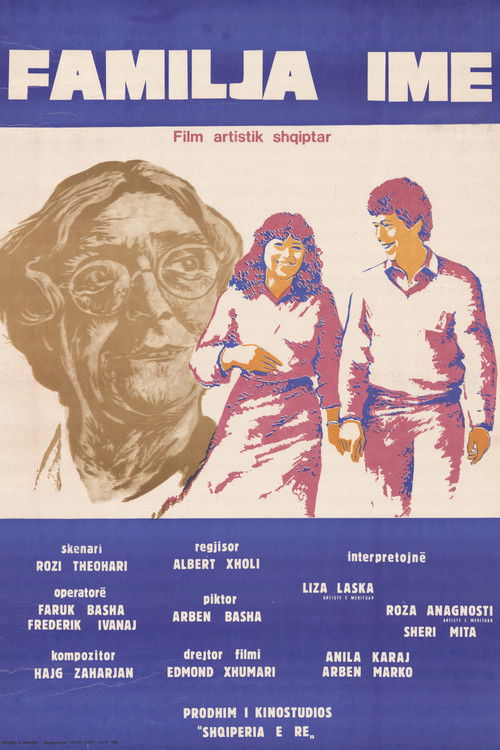
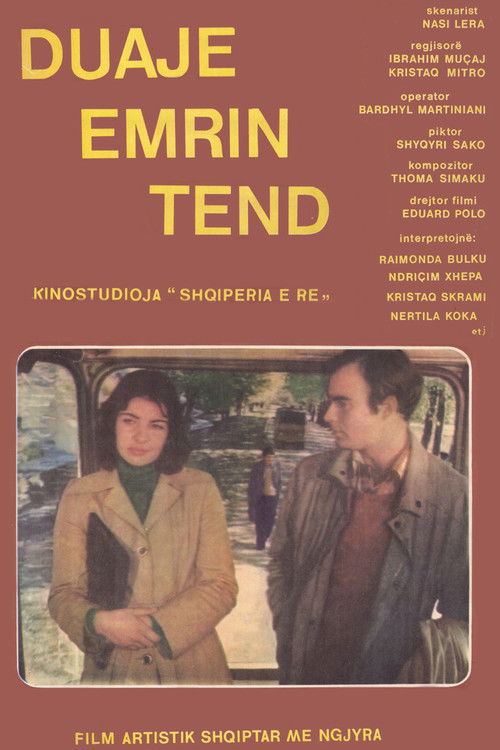
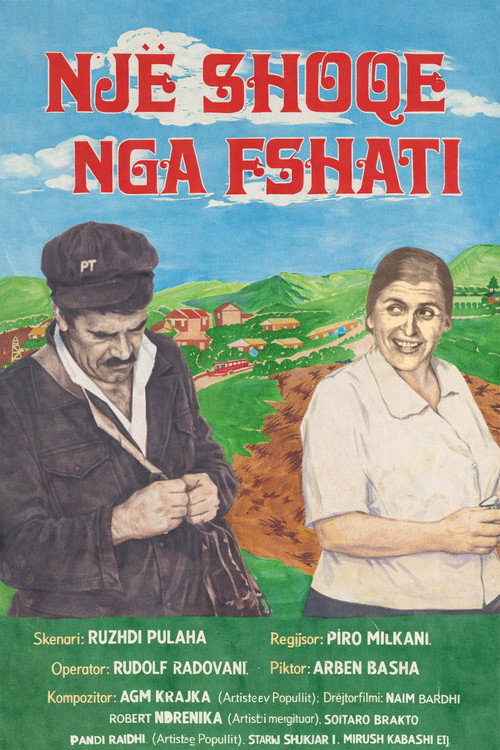
A nephew takes care of his lonely aunt after her husband passes away. Problems and misunderstandings arise as she starts adapting to this new lifestyle.
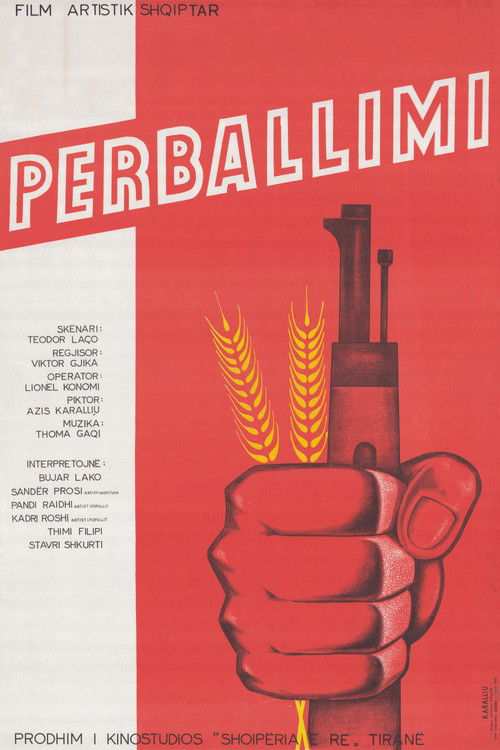
After the war, the country is plagued by famine. The secretary party committee, Martin Kreka, leads a campaign to gather the grain that is sold in the black market.
Nebi Surreli lives in poverty along with his mother. Doing small jobs to earn a living, he also helps his town's communist unit.
Jona, Arsen and Agron are not three ordinary graduates doing their teaching practice in an industrial center, but three young people who try to have their place in society. Through their social relations and their love, the film penetrates into their spiritual world and psychology, revealing their concepts and moral values.
A driver is tasked with sending weapons illegally to the partisan soldiers.
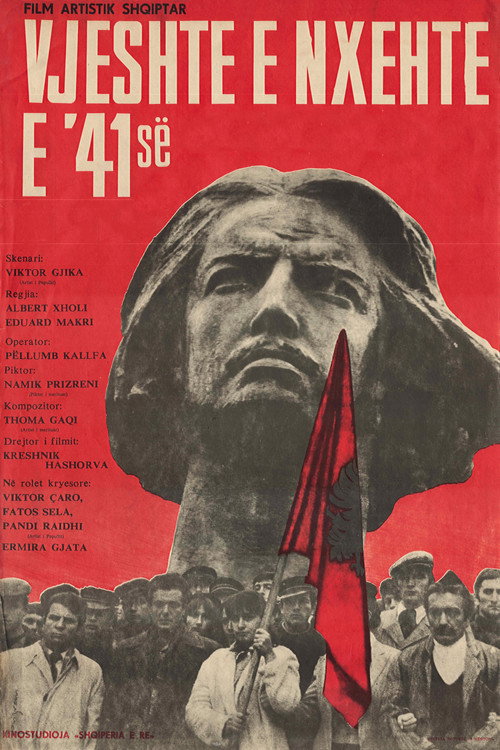
Film set on the 8th of November 1941, the day the Albanian Communist Party was founded.
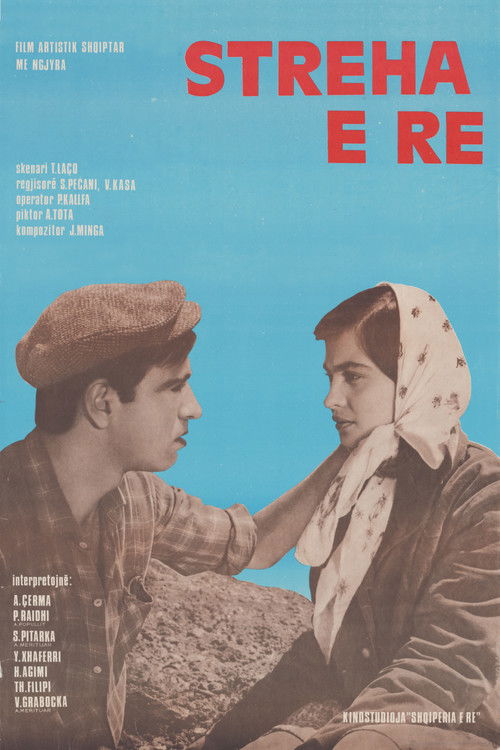
Film set in a remote mountainous area where work and living conditions are harsh.
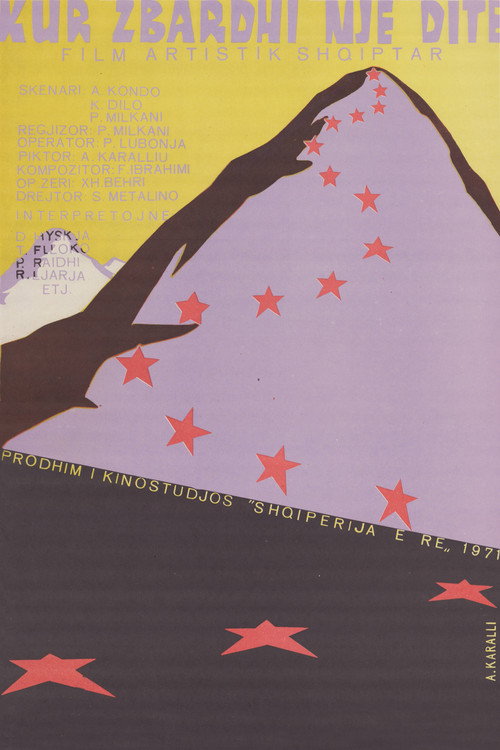
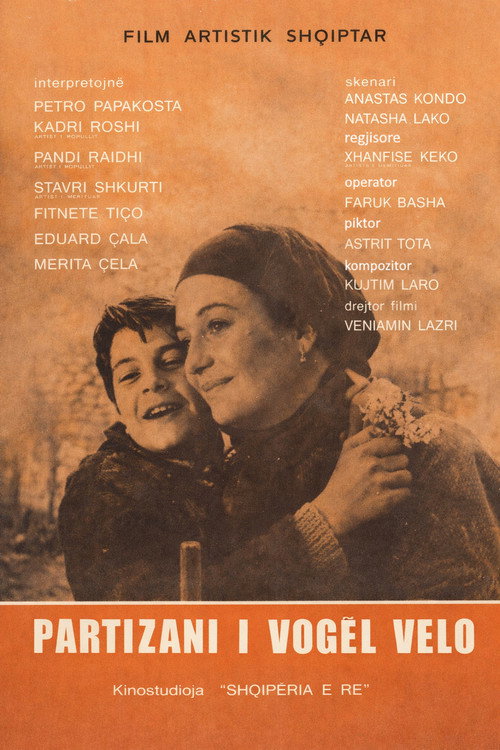
After his father is killed, a young boy decides to join the partisans and fight in the war.
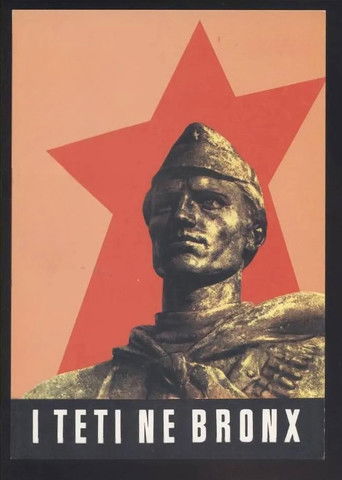
On the anniversary of the death of Commissioner Ibrahim Kovaçi, six of his war friends are accompanying his statue to his native village, where a ceremony will be held. During the road, each of them remembers moments related to the life of Ibrahim.
Dino Bregu, head of a state farm, learns that Ilir, his successor, is having a relationship with his daughter, and must cope with this situation.
It is a cine comedy following "The Lady from the town". Olga is getting ready to go to a meeting of the district women activists, where she will relate her own experience in the struggle against conservative concepts. During a warm atmosphere, Olga sings the first lullaby to her newborn nephew: "Once upon a time there was an Olga who posed as a lady.Time passed by and the lady has become one of us, a comrade from the country"
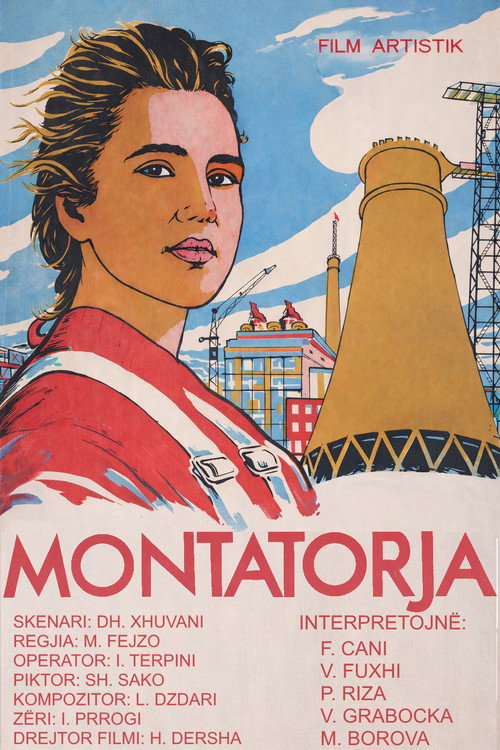
Hëna, who works in a construction site, falls in love with another worker, Agim.
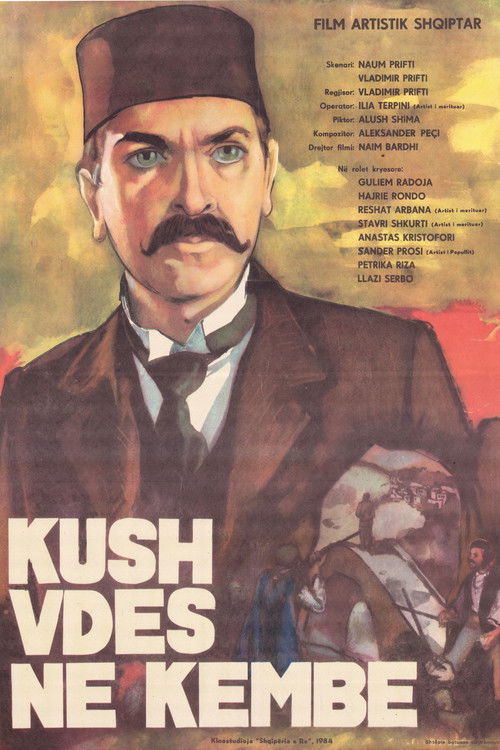
After living in various European cities, militant Besim Pepa comes back in Albania during the years 1932-1936. Here, he is persecuted and imprisoned, so he has to emigrate again.
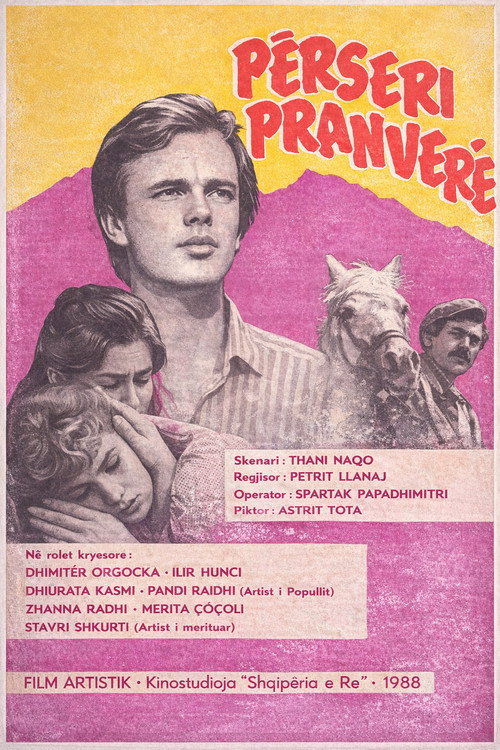
Beni is an eight-year-old boy living in Korçë with his parents and leads a sheltered life. His mother is very protective and doesn't let him play outside. When Beni is able to go outside, the neighborhood children make fun of him. One day when his uncle Thomai is visiting, he sees Beni crying after the other children took his horse. Thomai decides to take Beni on horseback to a distant village where he teaches him about life and how to be a man.
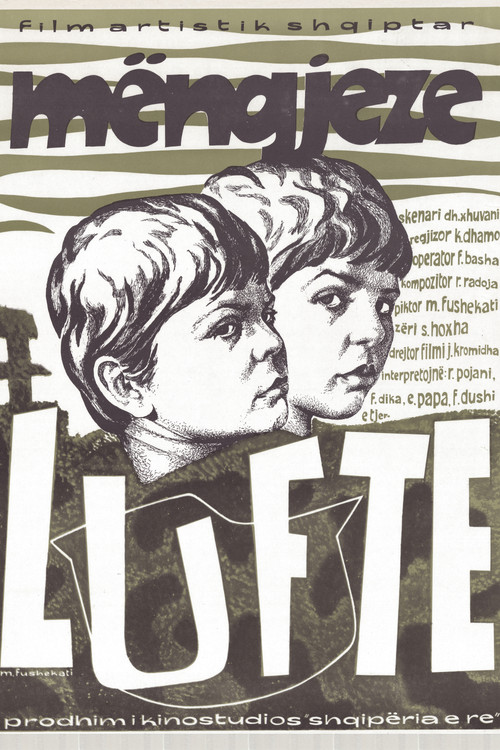
World War II. A group of kids try to sabotage the enemy whichever way they can.
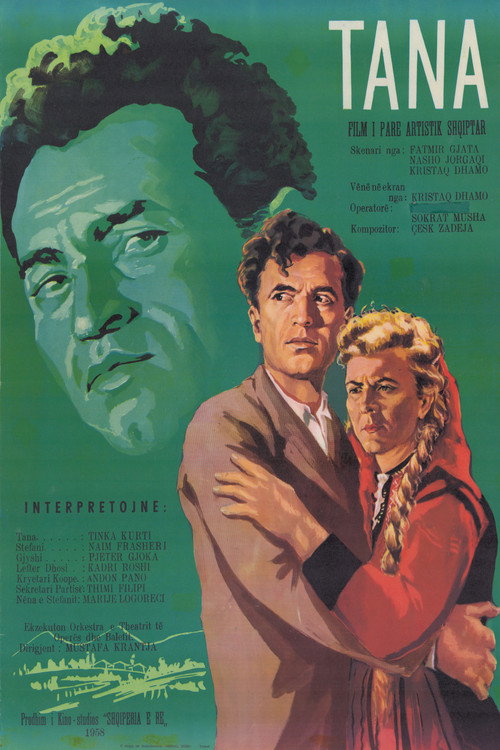
The movie is based on a Fatmir Gjata screenplay. Gjata had written a novel with the same title earlier. The events evolve in the 1950s. The main character, Tana, is a smart, outgoing and progressive young woman. She is in love with Stefan (Naim Frashëri) and they both live in an unnamed mountain village in Albania. Tana has to face the old mentality of her old grandfather and she also has to fight the jealousy of Lefter . It is a love game, while socialist progress is highlighted as is often in the socialist realism.
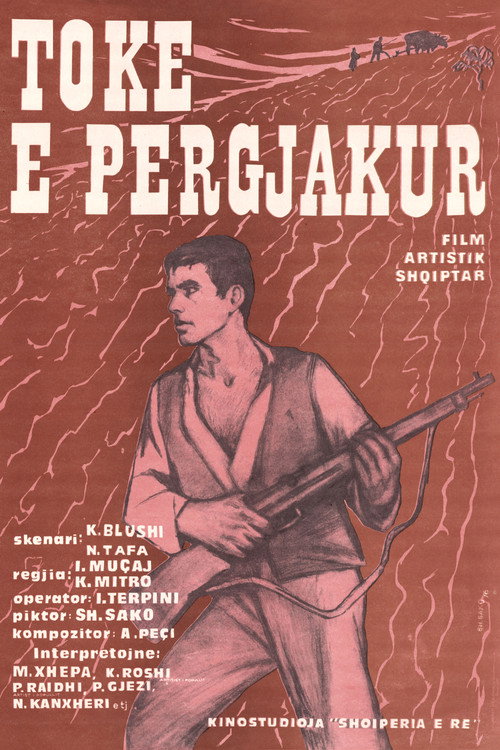
Film set in three different times. In the beginning, Miti is killed while defending his land. Then, the film focuses on his son Gjergji who fights against the Italian forces. In the end, the land is redistributed by the agrarian reform.
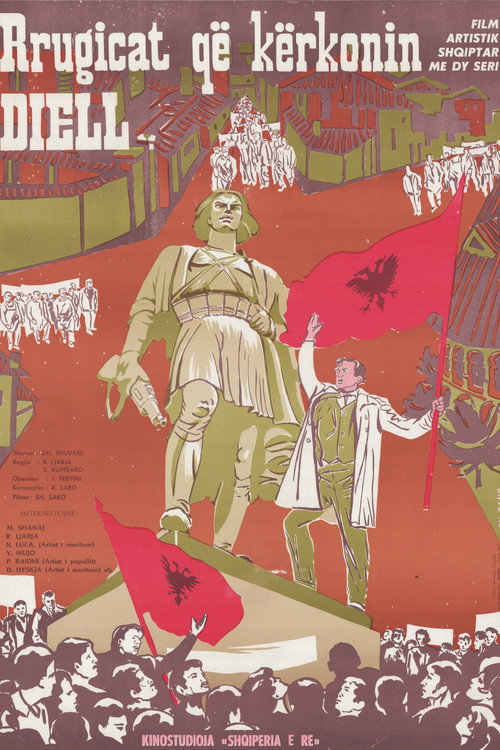
Film based on the life and patriotic activities of teacher Petro Nini Luarasi.
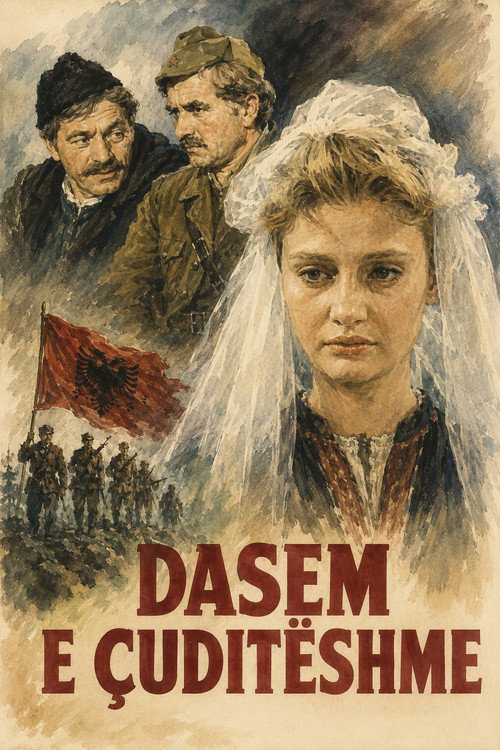
The year is 1943. At his last breath, partisan Gani asks his friends to make sure that his daughter Sherka is married on the date set in advance for her wedding. Once the wedding ceremony starts, they find out that the bridegroom is a collaborator of the invaders. Sherka decides to cancel her wedding and joins her father s friends in their struggle for the liberation of the country.
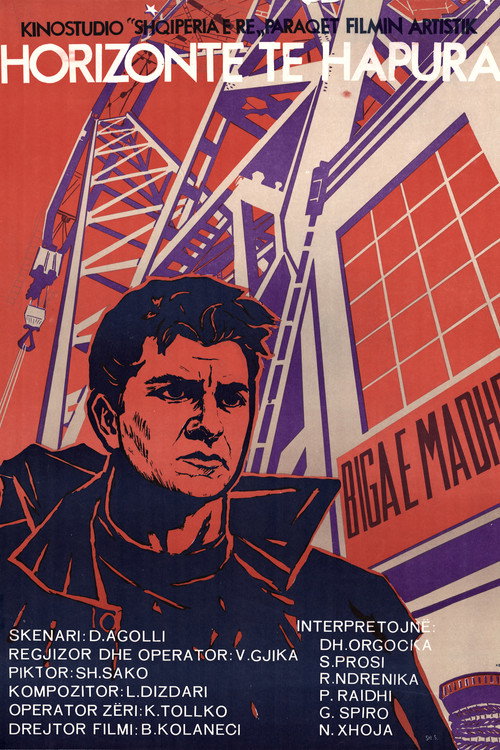
In 1968, Horizonte Te Hapura, directed by Viktor Gjika, one of the pioneers of Albanian moviemaking, broke new ground. Its subject matter was contemporary, rather than being a historical piece or an action drama set among the partisans of World War II. In the story, a dockworker sees that a crane, a crucial piece of shipyard equipment, is being endangered by a violent storm, and despite considerable danger to himself works to save it. ~ Clarke Fountain, Rovi