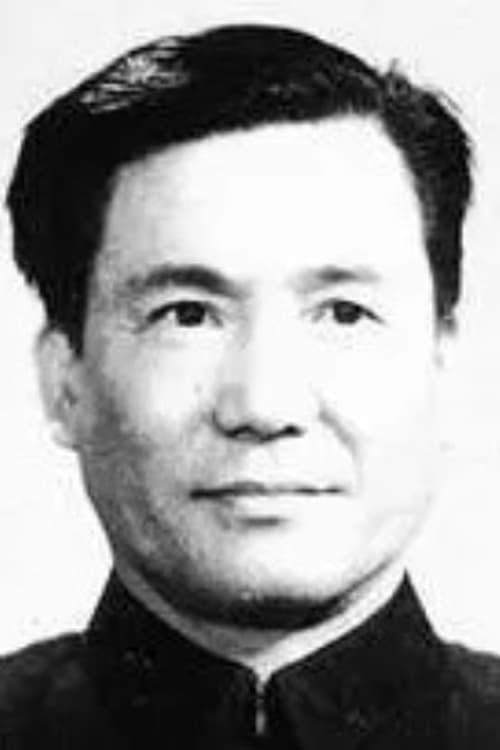
Qian Jiang
Camera
Known For
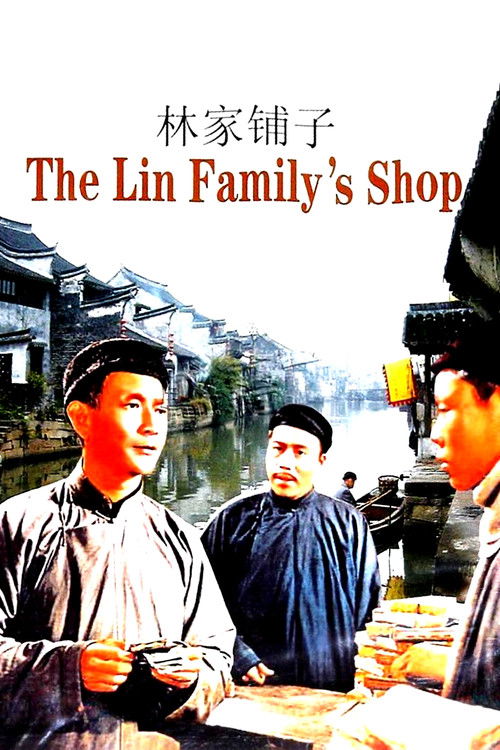
Financial and political pressures bankrupt a Chinese store owner.
The Lin Family Shop
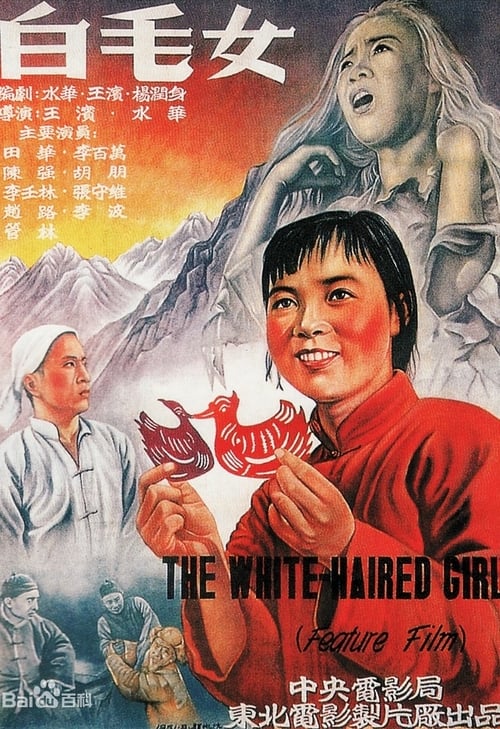
Yang Bailao, a tenant farmer, lives with his daughter Xi'er. The despotic landlord, Huang Shiren, attempts to forcibly take Xi'er for himself. On the eve of the Chinese Spring Festival, Huang forces Yang to sell his daughter as repayment of the debt Yang owes him.
The White-Haired Girl
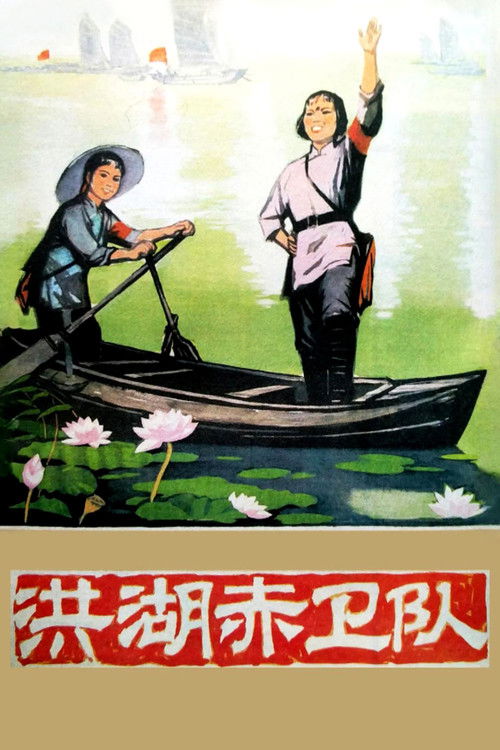
Revolutionary Chinese opera in six acts depicting the struggle between Communist guerrillas and a KMT landlord for control of a village.
Red Guards on Honghu Lake

Pre-Cultural Revolution propaganda at its most lavish, this model opera depicts the history and evolution of the Communist Party of China under Mao Zedong from its founding in July 1921 to the establishment of "New China" in 1949. Detailed in the musical are several key events in CPC history such as the Northern Expedition, the KMT-led Shanghai massacre of 1927, the Nanchang Uprising and formation of the People's Liberation Army, the Long March and the founding of the PRC on October 1, 1949.
The East Is Red
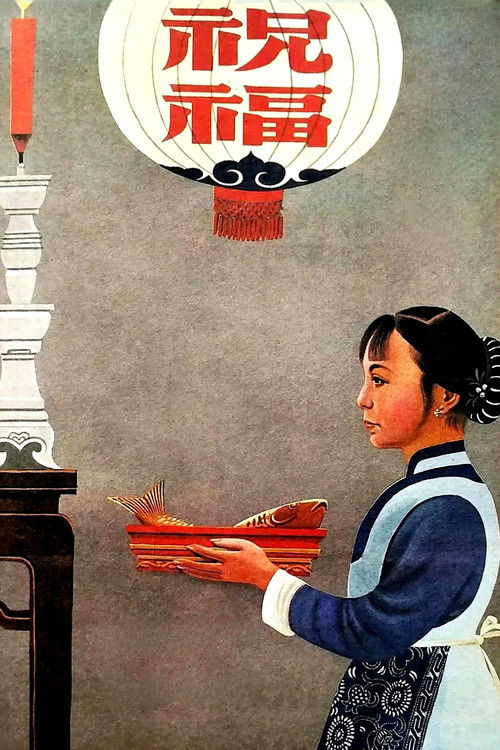
In a mountain hamlet in eastern China, a poor woman faces trial after trial. Sold into marriage as a child, she is left a young widow and enslaved by her mother-in-law, who sells her to a poor peasant. Her second marriage turns out to be happy until fate takes away her husband and son. Now seen as a bearer of bad luck, she becomes a social outcast.
New Year Sacrifice
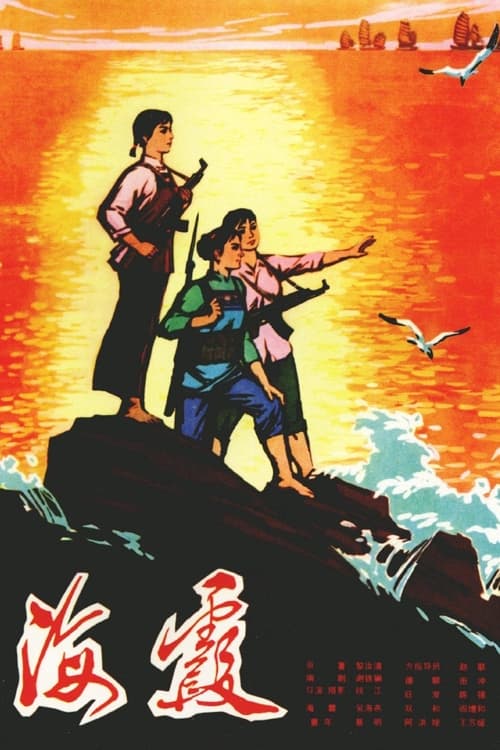
With the fishermen's life on the southeastern coast in the early 1960s as its background, the film depicts a group of militia women who work both as fisher women and fighters defending their homes and the motherland.
Haixia
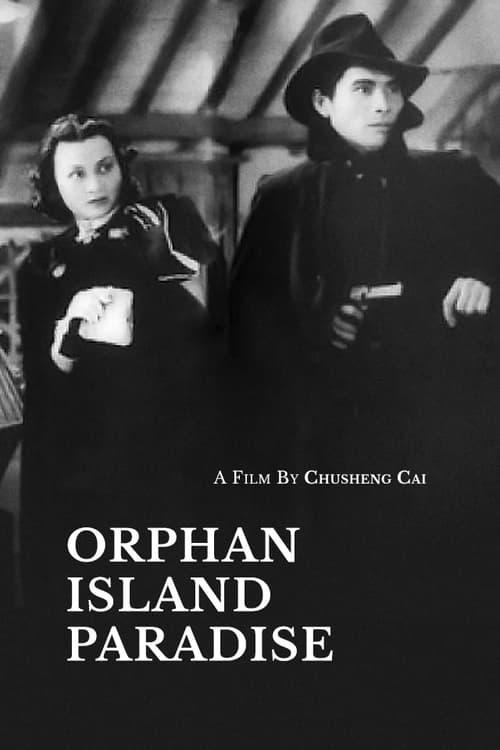
Set during the Orphan Island period of Shanghai, the film follows a group of revolutionary patriots-cum-assassins who finally earn the support of the suffering public. ‘We’re all Chinese,’ so they repeatedly chant.
Orphan Island Paradise
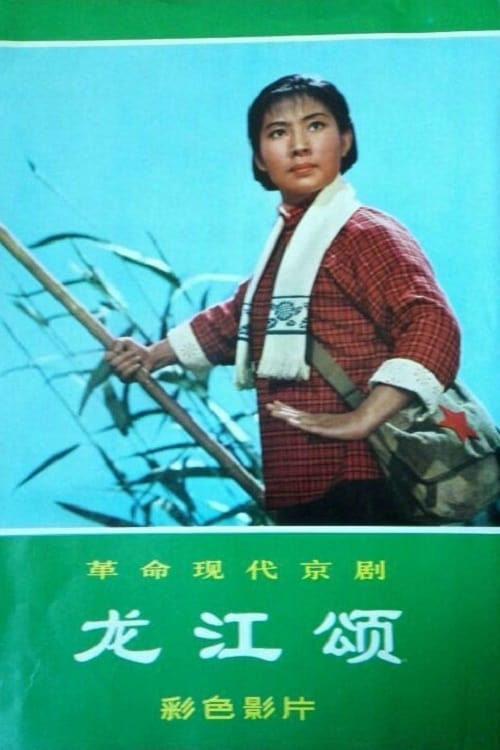
A revolutionary model opera that focuses on ferreting out class enemies: those who did not belong the hallowed ranks of the gongnongbing 工农兵, the workers-peasants-soldiers.
Ode of the Dragon River
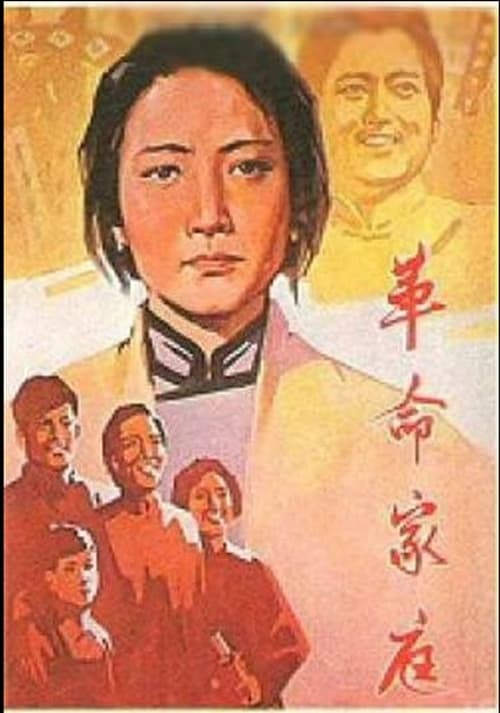
At the age of 16 Zhou Lian, who lost her parents at the age of two and was raised by a stepmother, marries Jiang Mei, a progressive young man from Changsha No. 1 Normal School. Jiang Meiqing has also lost both of his parents. The couple has two sons, Liqun, Xiaoqing and daughter Xiaolian. The film follows the family through turbulent times from 1924 to 1930.
A Revolutionary Family

Women play a heroic role in the Volunteer Army fighting the Japanese in the puppet state of Manchukuo.
Daughters of China
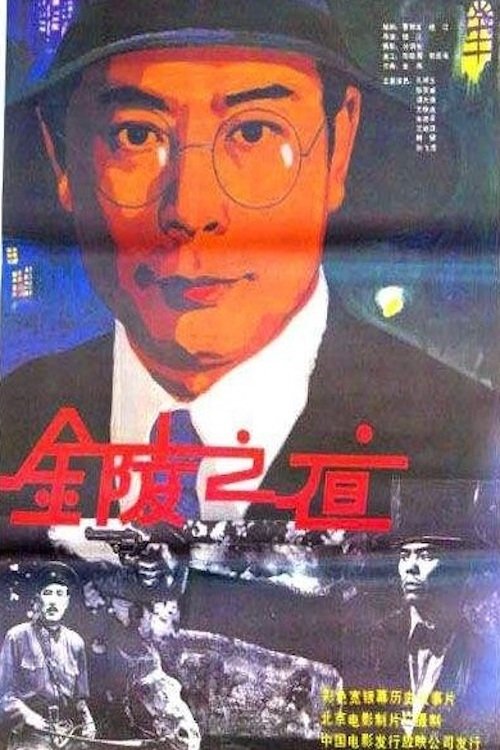
The adventure in Nanjing of the legendary CCP undercover Qian Zhuangfei.
Jin ling zhi ye
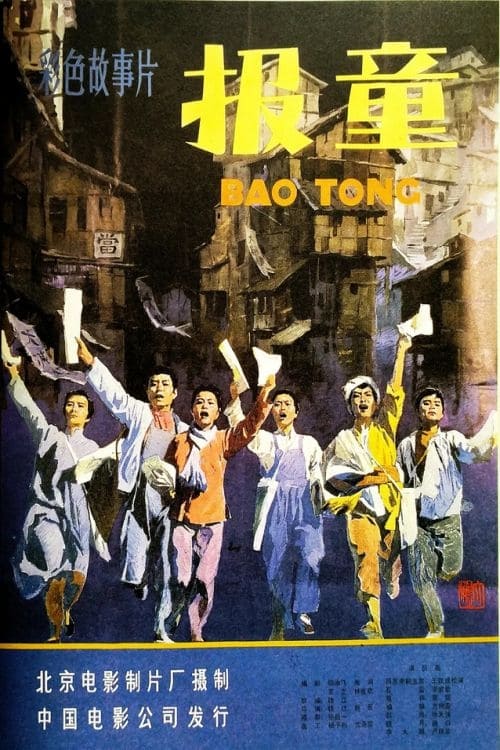
During the Japanese occupation, a group of communists are publishing a newspaper
Newsboys

Toward the end of the Cultural Revolution, the ballet Red Detachment of Women was adapted to a Beijing opera.
Azalea Mountain
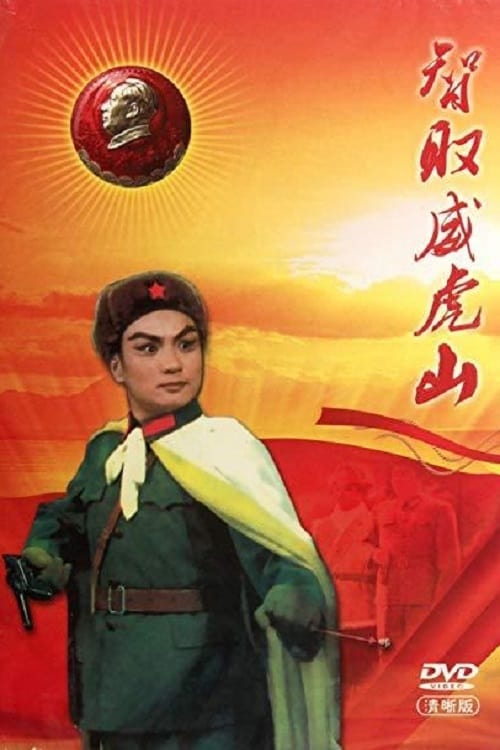
Taking Tiger Mountain was the very first model film produced during the Chinese Cultural Revolution (1966-1976). Set during the civil war in 1946, it follows a detachment of the People's Liberation Army in Mandchuria as they are fighting a group of bandits hiding in the mountains. Based on a novel from the 50s, Taking Tiger Mountain was first a revolutionary opera before being made into film by director Xie Tieli.
Taking Tiger Mountain by Strategy
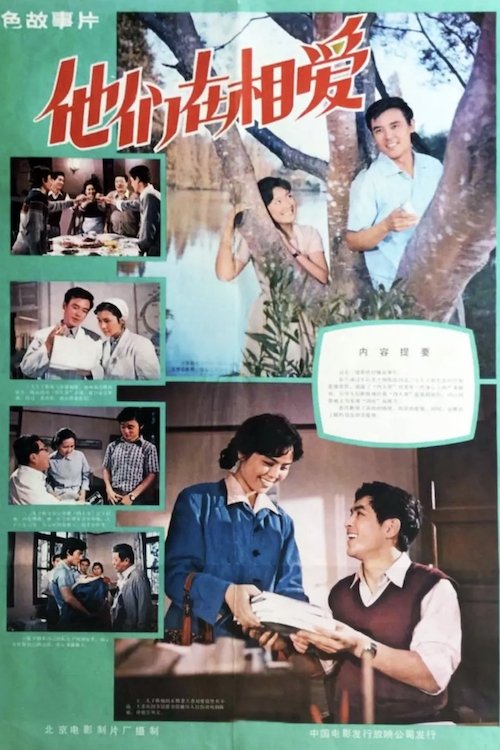
Feature film produced by Beijing Film Studio in 1980, directed by Qian Jiang and Zhao Yuan. During the period of the "Gang of Four," Chen Hao -- a veteran cadre of a certain unit of the People's Liberation Army -- is brutally persecuted. Chen's three biological sons are also tortured physically and mentally. Defending the honor of a soldier, Chen is beaten into disability. After the collapse of the "Gang of Four," Chen returns to his post. Two of his children see their love lives fall apart, due to their father's precarious status, while the third child pursues a decadent lifestyle to dangerous ends.
They Are in Love
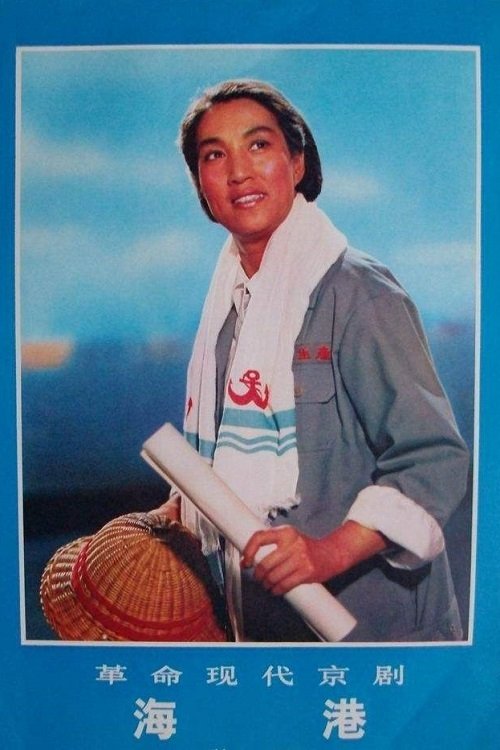
Adaptation of a lesser known to Western world, yet wildly popular Peking Opera developed during the Cultural Revolution under the leadership of Jiang Qing.