Acting
Tatort is a long-running German/Austrian/Swiss crime television series set in various parts of these countries. The show is broadcast on the channels of ARD in Germany, ORF in Austria and SF1 in Switzerland.
Polizeiruf 110 is a long-running German language detective television series. The first episode was broadcast 27 June 1971 in the German Democratic Republic, and after the dissolution of Fernsehen der DDR the series was picked up by ARD. It was originally created as a counterpart to the West German series Tatort, and quickly became a public favorite.
Every evening at 6:45 p.m. sharp, a prominent guest takes a seat on the red sofa—and DAS! provides daily updates on what's hot in the north.
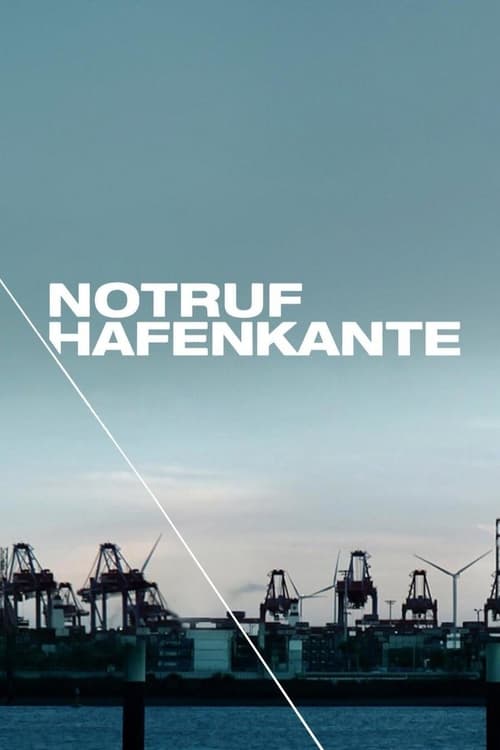
Shows the interaction between Hamburg police officers and paramedics.
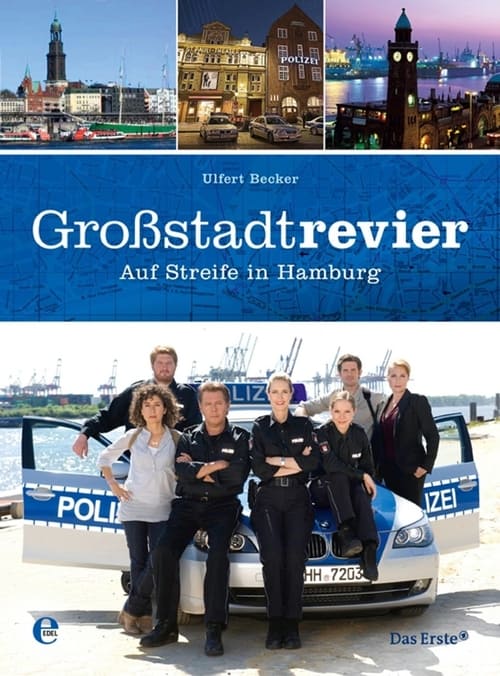
Follow the everyday work of a fictional police station on the Kiez of Hamburg.
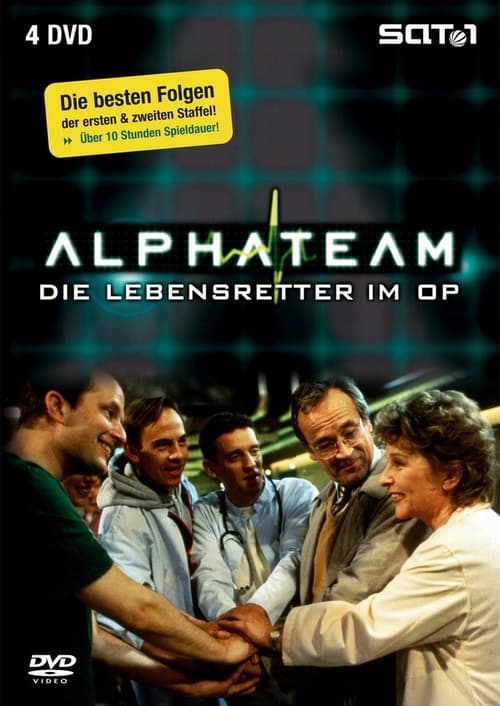
Alphateam – Die Lebensretter im OP was a German hospital drama television series which aired on Sat.1 between 1996 and 2005. The series covered the work of a team of doctors, nurses and caregivers in the fictional Hamburg Hansa Clinic, located in the Altona district.
No description available.
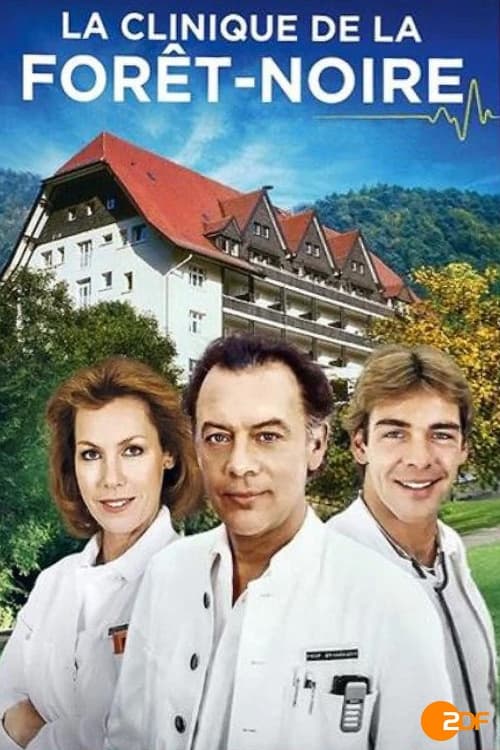
The Black Forest Clinic is a German language medical drama television series that was produced by and filmed in West Germany. The series was produced between 1984 and 1988 with the original airing being from October 2, 1985 to March 25, 1989 on West Germany's ZDF television channel. The series' storyline follows the inner workings of a small fictional hospital in the Black Forest region of Germany as well as the lives of the Brinkmann family of doctors who work at the hospital. Shortly after broadcasting had begun in 1985, The Black Forest Clinic became a highly popular television event, reaching audiences of over 20 million viewers. 25 years since its debut, it is still highly regarded in Germany. The series had been re-broadcast several times since 1985 and has spawned two television films released 20 years after its initial airing.
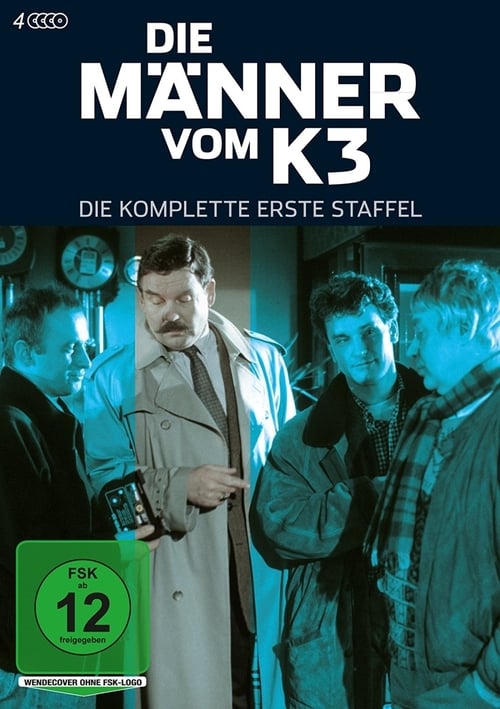
Die Männer vom K3 is a German television series.
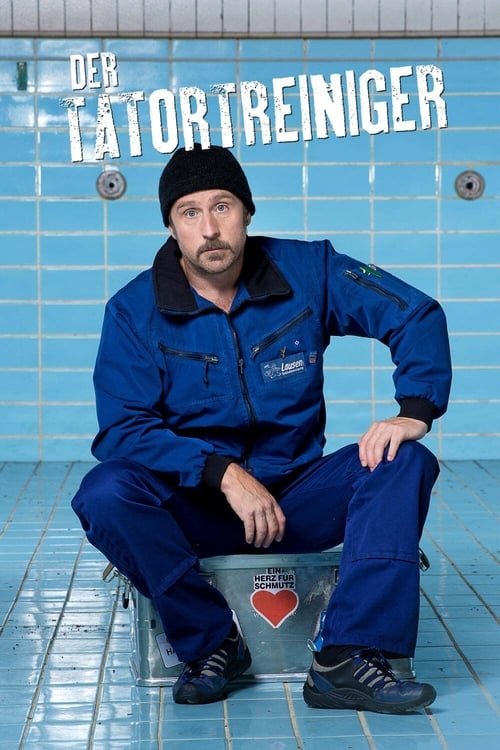
Heiko Schotte (Schotty) works for a cleaning company, cleaning all kind of crime scenes. There he sometimes meets weird people and tries to solve difficult situations.
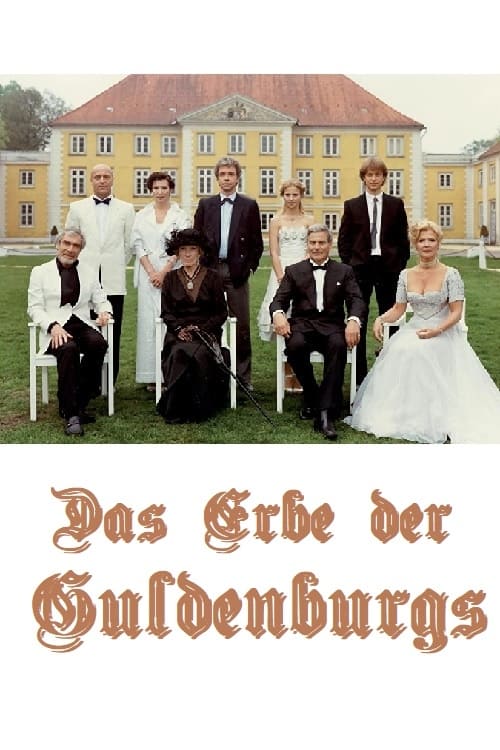
The life of the German noble family von Guldenburg.
Crime series about Hamburg customs investigator Hans Zaluskowski, who joins forces with his colleagues to take on smugglers and fraudsters. In doing so, he not only has to contend with opaque EU customs regulations, but also solve tricky cases with international implications.
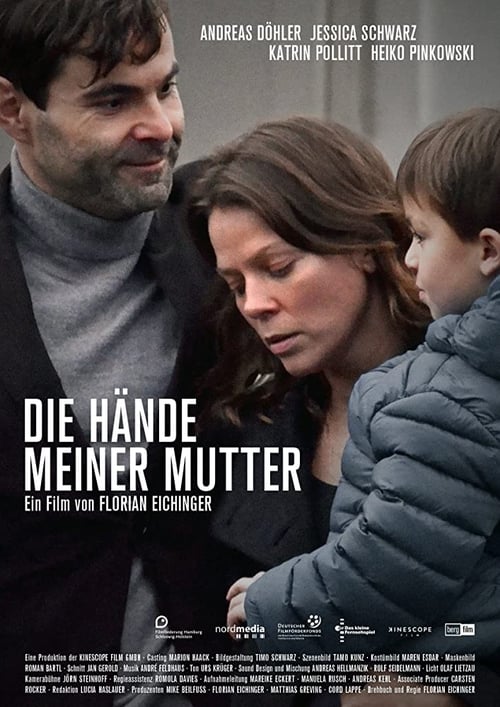
A family reunion aboard a ship becomes a turning point in the life of 39-year-old engineer Markus. When his son Adam (4) gets a little cut after going to the bathroom with his grandmother Renate, Markus recalls for the first time what his mother did to him when he was a little boy. Markus and his wife Monika find themselves confronted with an ugly truth of the kind you wouldn’t think a mother capable of.
Shezad is a Pakistani refugee seeking his fortune in Hamburg. At night, he sells roses in pubs. During the day, he is looking for a job. He starts working as a dishwasher and soup cook in a Chinese restaurant. Xiao, the waiter, and Shezad dream of opening their own restaurant. Herder, the janitor of the asylum seekers' home and part-time escape helper, has to go abroad. Shezad takes over his job and finds the money for the restaurant in East Berlin by not entirely legal means. So Shezad and Xiao's dream comes true. However, the day of the opening ends differently than the two of them had imagined.
In addition to demonstrating the unexpected complexities of individual life paths, THE WILD establishes the possibility of “cinematic space” becoming a type of “third space”. Two seemingly contrasting spaces merge to construct a new space. The first space is the living room of a retired couple. The second space is embodied in Super 8 recordings filmed by the old man during his numerous trips to Africa and Asia during the 60s, 70s, 80s and 90s. The pictures show exotic animals which are projected directly onto the walls and furniture of the house. The assembly of these differing spaces does not create a more succinct boundary between them, but rather assists in the mingling of the two spaces. In this fleeting moment of third space, as it is limited by time, a new cinematic reality is formed.
Five toilets - five stories! This pitch black comedy relentlessly illuminates the darkest corners of society, thereby revealing a colorful potpourri of human perfidy. The five intertwined episodes are staged in the manner of an intimate play, occasionally testing the audiences moral judgment.
Based on the research for his non-fiction book "Der Baader-Meinhoff-Komplex", "Spiegel" journalist Stefan Aust wrote the screen play to Reinhard Hauff’s controversial feature film that re-narrates the startling trial against the RAF terrorists Baader, Meinhoff, Ensslin, and Raspe. The trial that started in May 1975 in the Stammheim maximum-security prison extended over 192 days and ended with a lifetime sentence for all defendants.