Tasos Psarras
Directing
Biography
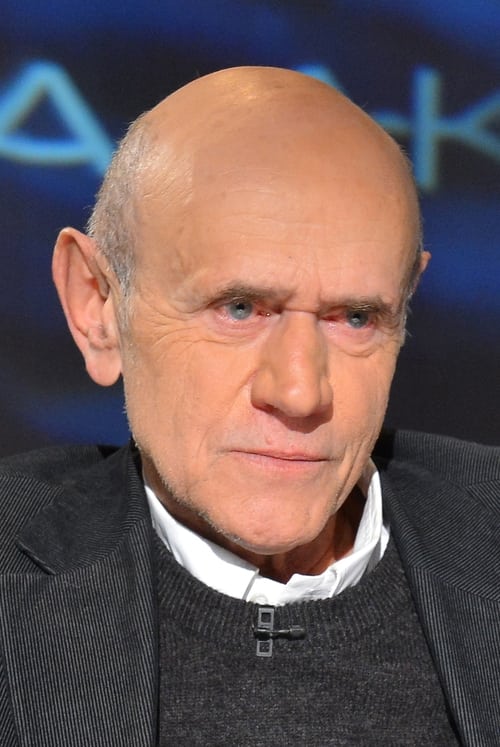
Tasos Psarras was born in Thessaloniki in 1948. In 1966 he graduated from the Veterinary School of the Aristotle University of Thessaloniki but then turned to cinema. He completed relevant studies at the Thessaloniki Film Theater School, the Stavrakos School of Thessaloniki and the Hatzikos School in Athens. In 1972, he was one of the co-founders of the Thessaloniki Film Club, which was closed by the dictatorship on Easter 1973.
Known For

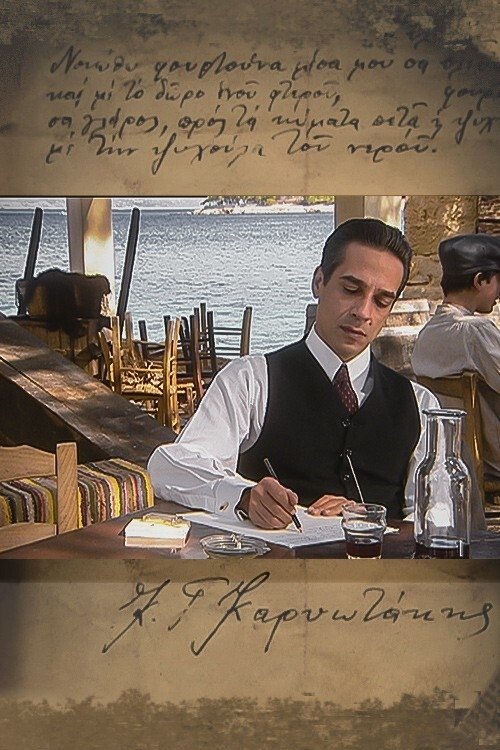
The series describes the life of the poet Kostas Karyotakis. It follows his life from his teenage years and sheds light on unknown aspects of his artistic and professional life. A special place is occupied by the part about his relationship with the poet Maria Polydouri. Through the lives of the two protagonists, the politically and socially turbulent period of the 1910s and 1920s is projected.
Karyotakis

No description available.
I zoi en tafo

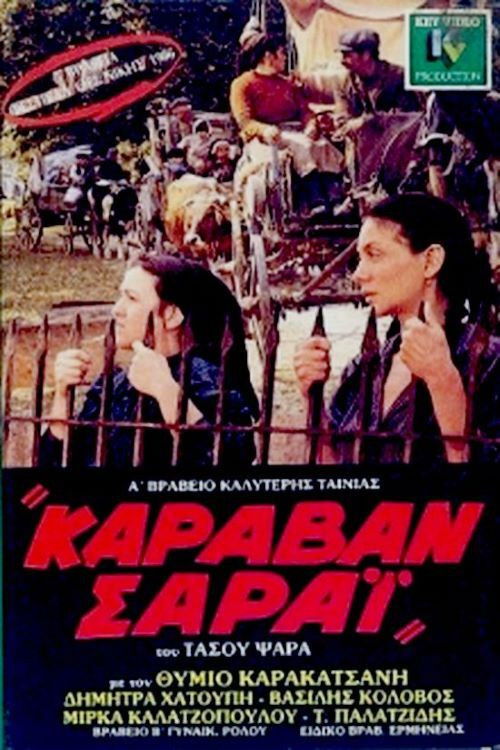
Set during the Greek civil war. A villager is forced to leave his house and property and go to Thessaloniki with his daughter and son. They find refuge in an old building with hundreds of other people. They live a miserable life as the daughter becomes a whore, and the son has to work.
Caravan Serai
No description available.
Καραβάν Σαράι

A burglar accidentally kills a wealthy businessman and assumes his identity. He finds life as a playboy very enjoyable, but the deceased man's sister (who lives far away from him) soon starts being suspicious.
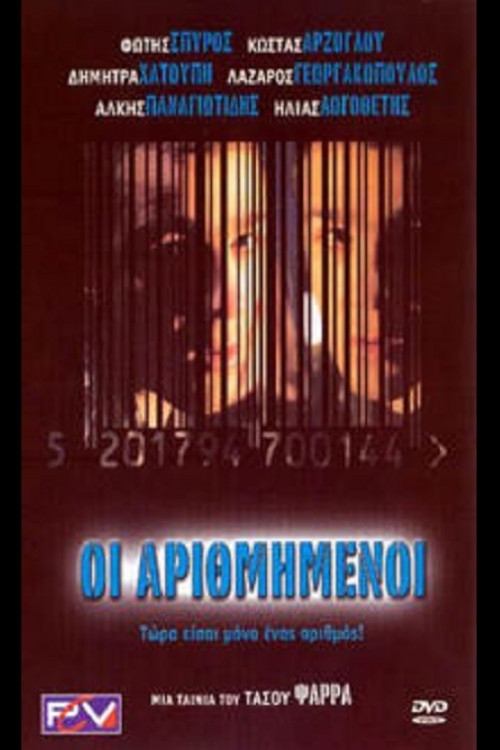
Numbered

A tanner, swamped with debts, must abandon his trade and go work in the local factory.
The Factory

A 50 year old journalist, son of a civil war hero, who died fighting for the right forces is shattered, when he recognizes him in a documentary, fighting for the communists. He starts searching for the truth, despite his family's objections, who fear that they will lose privileges if the status of the dead changes after the search.
The Falling Dust

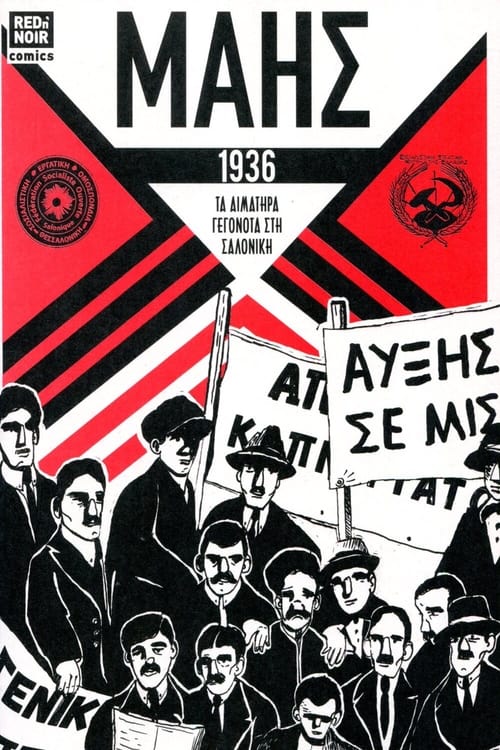
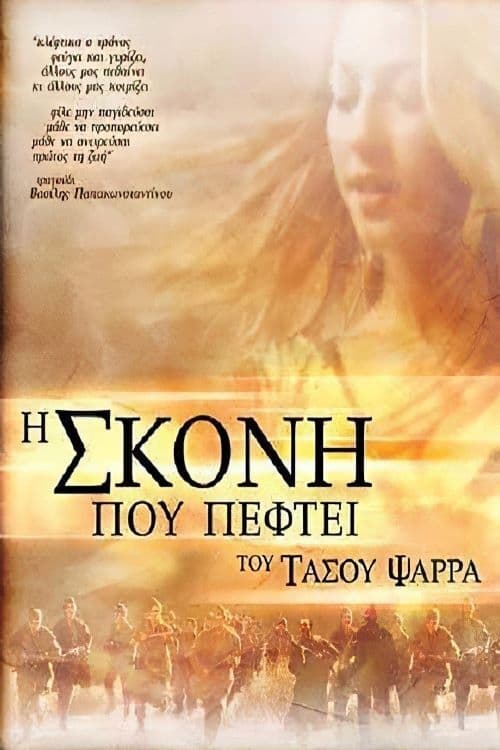
The days of May 1936 in Thessaloniki and the events that led to the bloody clashes between the tobacco workers and the army are described in this film in a clear way. The people are the protagonists, and the narrative does not insist on drama or exaggeration. Of particular importance is also the presentation of the way in which the country was led, through a specific plan, to the dictatorship of Metaxas, on August 4, 1936.
May

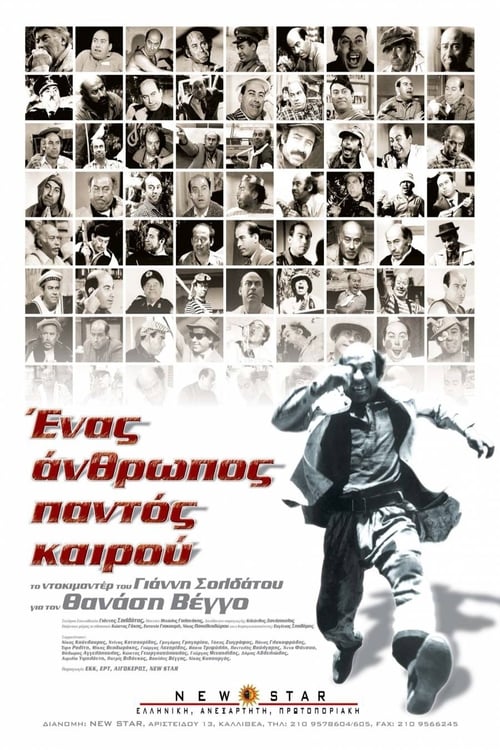
An approach to the phenomenon of Thanasis Vengos, the man and the artist, through film excerpts, testimonies of his collaborators and relatives and analyses of his symbolic role in the post-war modern Greek reality. Thanasis Vengos, for more than fifty years, was one of the most important actors in Greece. His films and lines are written in history, raising more than three generations of Greeks.
An All-Weather Man

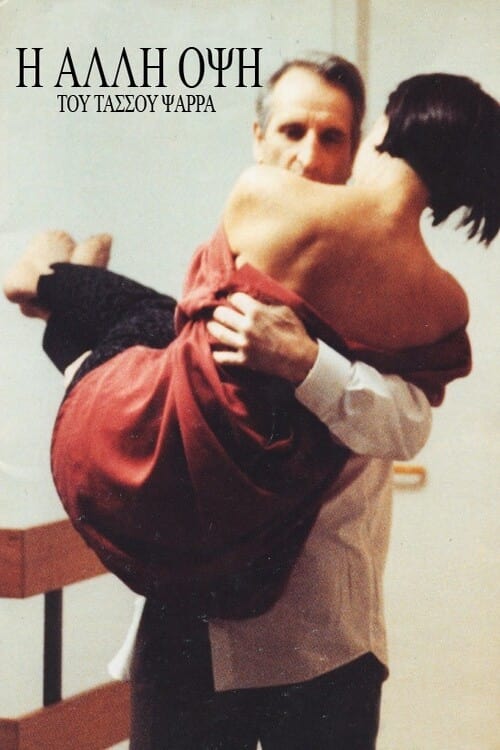
A film by Tasos Psarras.
Η άλλη όψη

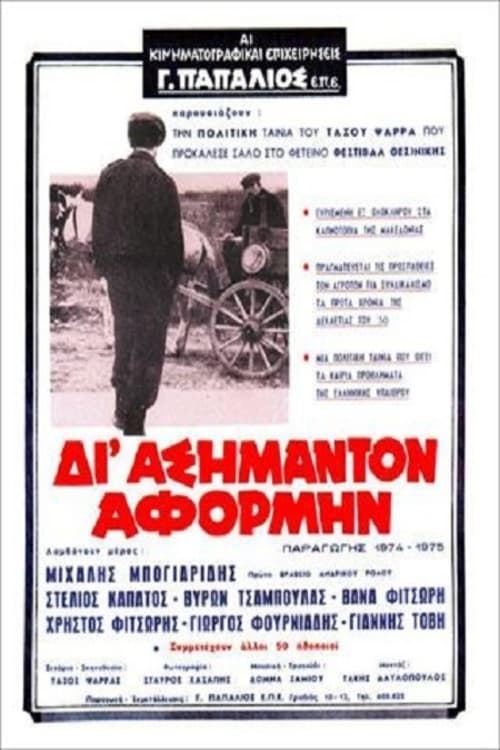
Michalis returns to the tobacco growers of his rural village after having spent some time in the city and persuades them to form a collective, rather than suffer the poverty-inducing prices they are paid for their crops by tobacco brokers. They agree not to sell to any of the brokers and start to form a farmers' group. When one of the farmers breaks the agreement and is found dead, Michalis is accused. However, rather than expose the farmers' plight and give publicity to the brokers' greed, the motive the government gives for the killing is thi asimanton aformin, for unimportant reasons.
The Reason Why

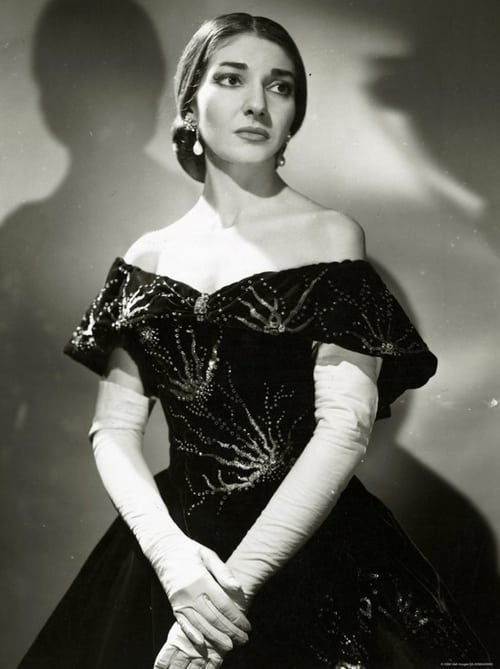
The documentary "The Greek Maria Callas", directed by Tassos Psarras, broadcast by ERT1 on Saturday, September 23, 2017, at 13:20, focuses on the Greek period of Callas and the visits to Greece from 1957 until her death .