Beto Brant
Directing
Biography
Beto Brant (Jundiaí, May 23, 1964) is a Brazilian film director. He graduated in cinema from Fundação Armando Álvares Penteado in 1987. Initially he was a video clip director. The most striking were the clips of Titãs, all from the album Titanomaquia: Nem sempre se pode ser Deus, Taxidermia, Será que é isso que eu necessito?
Known For

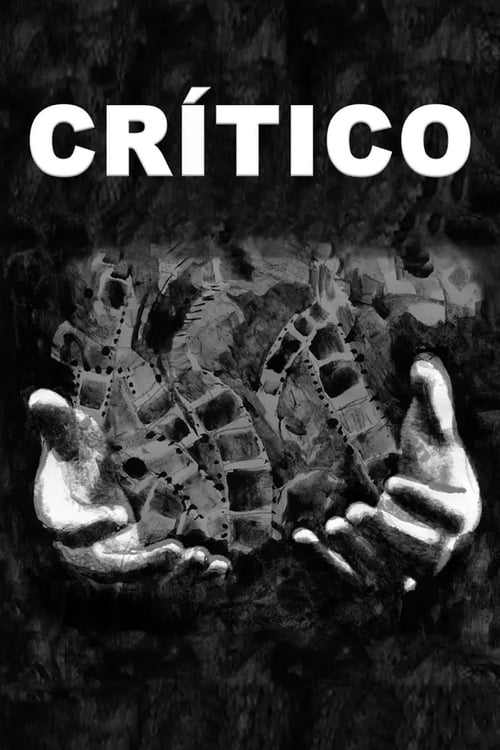
Seventy critics and filmmakers discuss cinema around the conflict between the artist and the observer, the creator and the critic. Between 1998 and 2007, Kléber Mendonça Filho recorded testimonies about this relationship in Brazil, the United States and Europe, based on his experience as a critic.
Critic

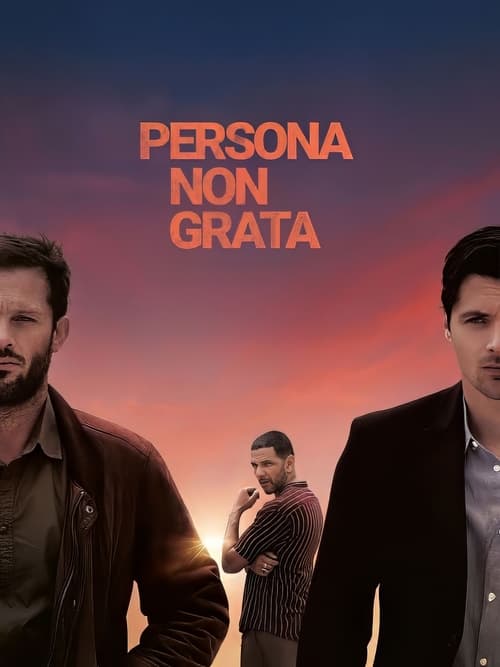
José Nunes and Maxime Charasse are friends and minority partners in a struggling construction company. Faced with the need to protect their interests, they make a radical decision and find themselves bound by a dark secret.
Persona non grata

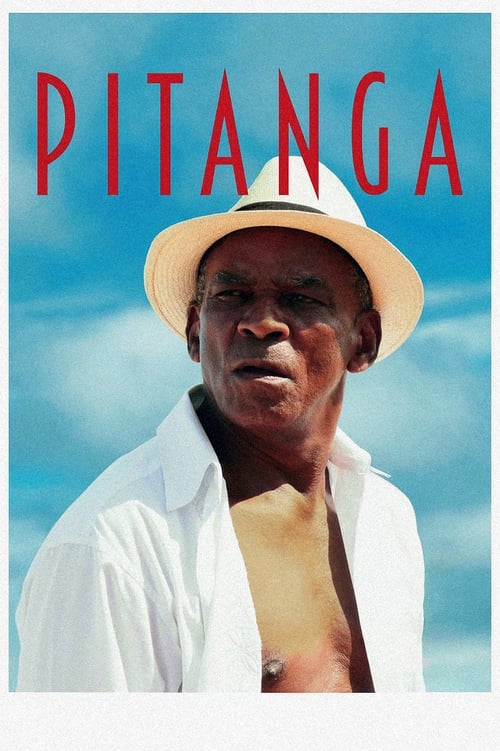
This documentary investigates the aesthetic, political and existential trajectory of emblematic Black Brazilian actor Antônio Pitanga. His career spans over five decades, and he has worked with iconic Brazilian filmmakers Glauber Rocha, Cacá Diegues and Walter Lima Jr. He was a prominent figurehead and outspoken activist during the Brazilian dictatorship, a period of unrest in Brazilian cinema. "Pitanga" deep dives into the world of Antônio and the history of Brazil. The documentary was directed by his daughter Camila Pitanga, one of widely recognised faces in Brazilian television and cinema right now. The film is also a poem, and a tender ode to fatherhood.
Pitanga

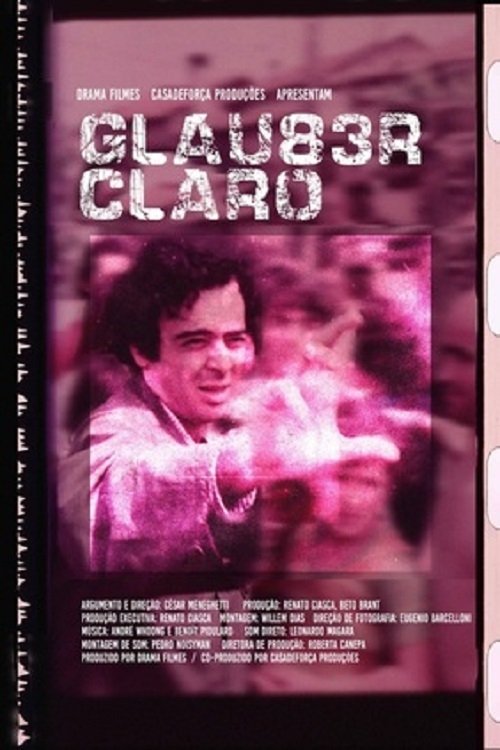
A deep dive into Glauber Rocha's years exiled in Italy in the 70s. Through a collection of interviews and archives, the movie shows the making of his film Claro (1975) and his relation with European auteurs in their filmic and political views.
Glauber, Claro

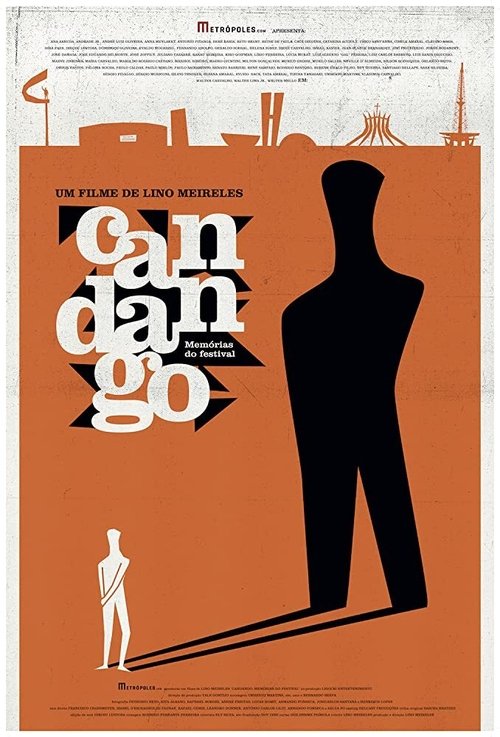
In 1965, a year after the military coup in Brazil, an oasis of freedom opened in the country's capital. The Brasília Film Festival: a landmark of cultural and political resistance. Its story is that of Brazilian cinema itself.
Candango: Memoirs from a Festival

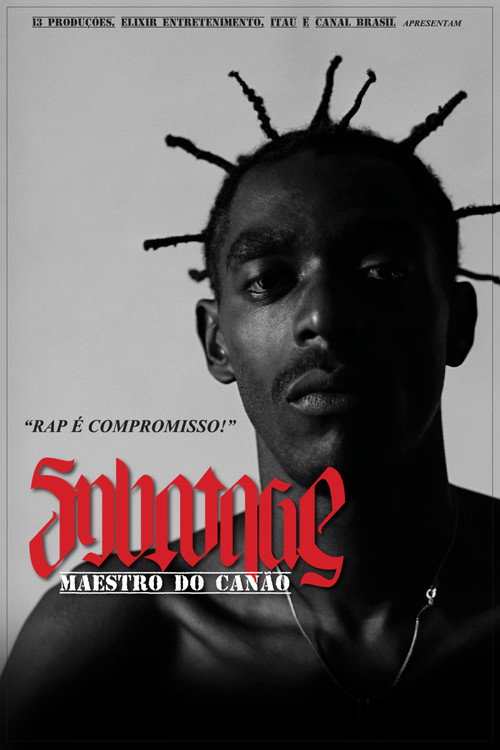
Mauro Mateus dos Santos was known by another name: Sabotage. Growing up amidst poverty in São Paulo, the musician, who became a legend after his death, is one of the most important names in national rap.
Sabotage: Maestro do Canão

An anthology film following different stories around the theme of invisibility in the modern world.
Invisible World

In a remote part of the Amazon, a traveling photographer has an intense affair with a preacher's wife, but secrets from her past threaten to ruin them both.
I'd Receive the Worst News from Your Beautiful Lips

When the Netuno Circus returns to Fernando de Noronha, it brings back a young man with a turbulent past. Pedro is now Zolah, the human cannonball. When secrets surface, bizarre family reunions rival the circus performances.
Blue Blood

Antônio Martins, respected theatrical critic, is a very rational man. But a chance meeting with young Inês, a nude painting model, is going to rock him. Inês keeps a relationship with painter José Torres Campana, an older man with a deep influence over her. Antônio gets jealous, and the three become characters of a drama saturated with desire and danger.
Delicate Crime

Filmed over six years in four countries: Portugal, Brazil, Colombia and United States, this romantic drama tells the story of Luzia, a Brazilian screenwriter, and Adrian, a Colombian actor, that fall in love during a film festival in 2009 and will live a fragmented love story while competing in different film festivals around the world.
Love Film Festival

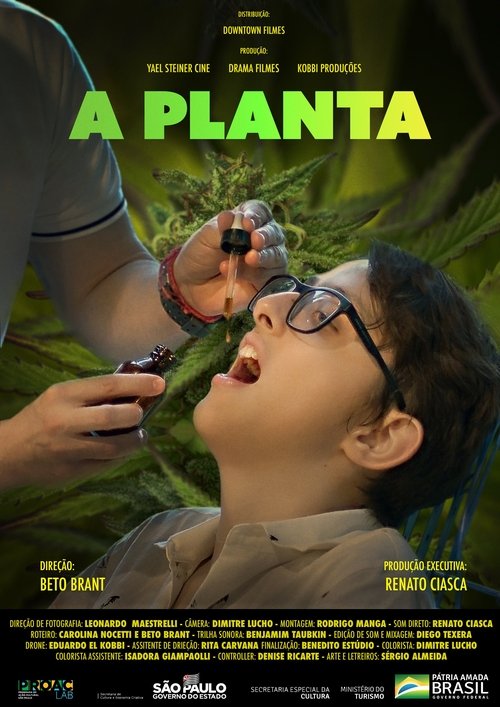
No description available.
A Planta

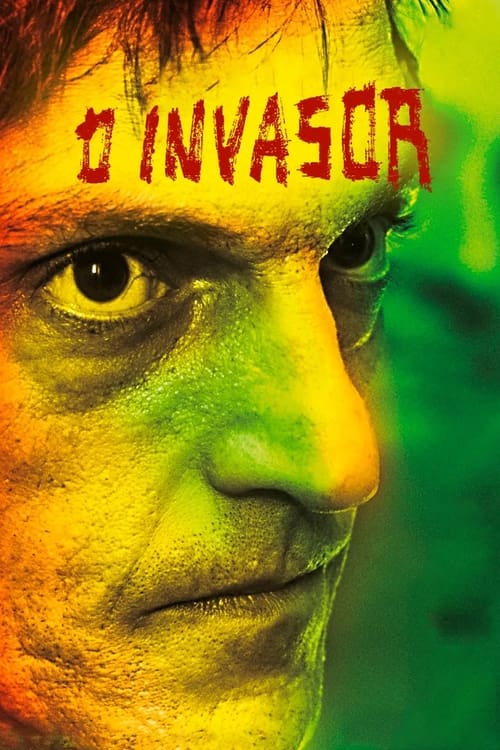
Two businessmen hire a hitman to kill their third partner and are then blackmailed by the hitman as he takes over their company.
The Trespasser

Two hit men, a veteran and a beginner, chatter in a bar on Brazil-Paraguai border, while waiting for their victim to appear.
Belly Up

Trapped inside an apartment in Sao Paulo, an actor and a director of videos explore mutual love. Adapted from Benjamin Schianberg character, in this book Marcal Aquino, "I receive the worst news of your beautiful lips."
O Amor Segundo B. Schianberg

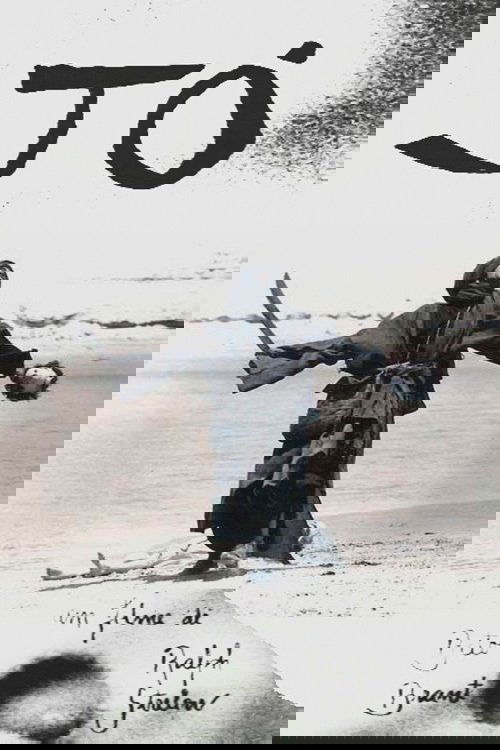
Passages showcases Brazilian films in which the utilisation of artforms and media such as literature, painting, theatre, music, photography, radio and television, functions as a 'passage' to political and social reality.
Passages: Travelling In and Out of Film Through Brazilian Geography

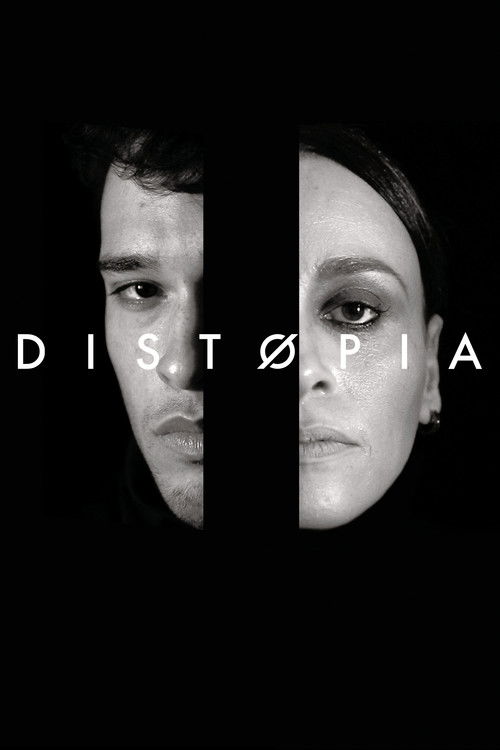
A political party takes over the power of a new World Order, and establishes Dystopia law, which condemns adulterous men to death row. Each case is sentenced by a body called the Antidote. The defendant is not entitled to a defense. There is only a taped statement minutes before each execution takes place.
Dystopia

In Porto Alegre, the unemployed Ciro has a dull life in a simple apartment with a nameless stray dog that he had found on the streets. Ciro is supported by his parents and works every now and then in translation of Russian. When he meets the aspirant actress Marcela, who dreams on traveling to other places, they immediately fall in love for each other. However, Marcela has a lymphoma and travels for a treatment, and alone Marcelo becomes depressed and returns to his parents home.
Stray Dog

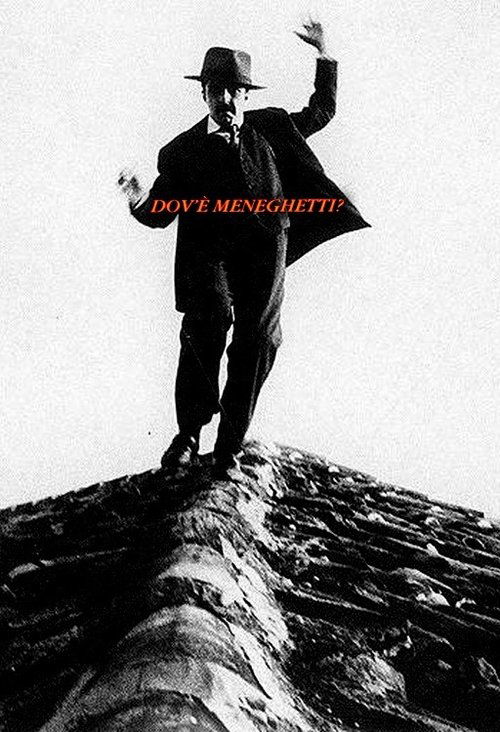
No description available.
Dov'è Meneghetti?

Brazil in the early 70s. Miguel, Eloi, Osvaldo and Paolo take part in armed attacks against the military dictatorship. They pay a heavy price with torture and arrest. Today the four friends still see each other. Only Miguel is politically active. On a photograph from a political meeting in Sao Paolo he recognises the policeman who tortured them 25 years ago and who was responsible for the death of Miguel's girlfriend. The policeman has been officially dead for a few years. On one of their fishing trips together, Miguel tells his friends of his discovery. When they hunt down and confront their nemesis they come into conflict with both themselves and each other.