Art
No description available.
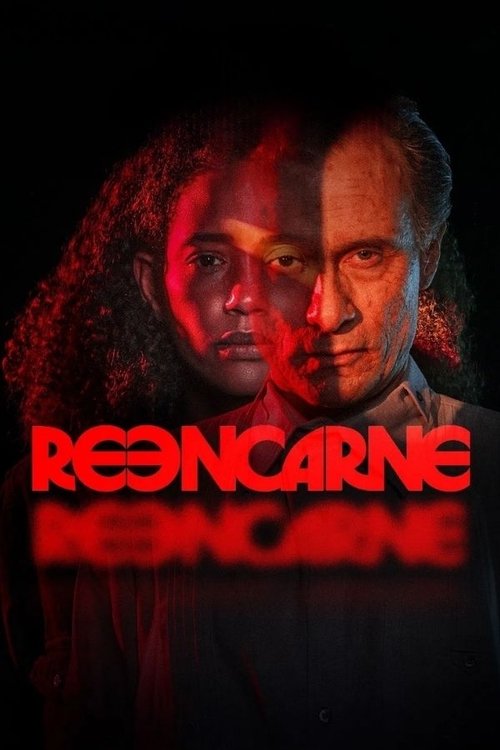
In this supernatural thriller, the dark mysteries of the quest for immortality take over the scorching rural roads of the Goiás countryside.
Meet Sereia, a young and beautiful singer whose world of fame and fortune is interlaced with envy and hate. Her murder in the midst of carnival shocks the entire country and the hunt for her killer reveals a new suspect with each new day of investigation. Holding the status of a big-budget thriller, the miniseries brings about mysticism, sensuality and suspense that hooks the viewer until the astonishing end.
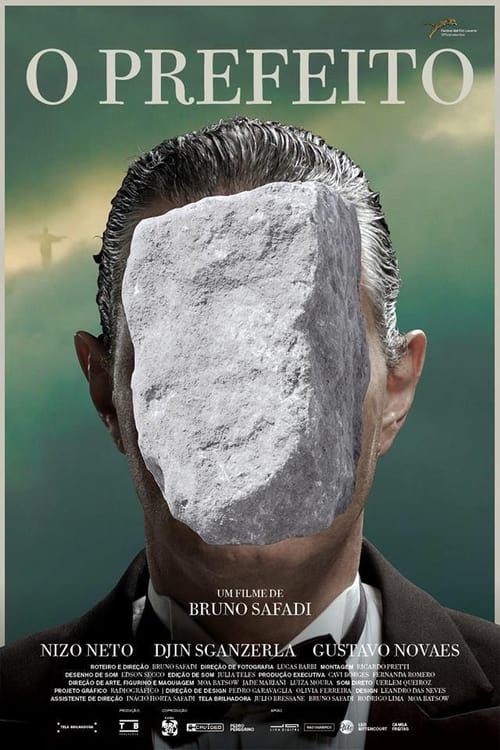
The mayor of the city of Rio de Janeiro wants to go down in history. For this purpose, he decides to separate Rio from Brazil and create a new country.
A curious couple, whose existence takes place where art arises along a singular metaphysical desire. They search for it through repeated and varied representations, in a setting of light where hope and desperation blend together.
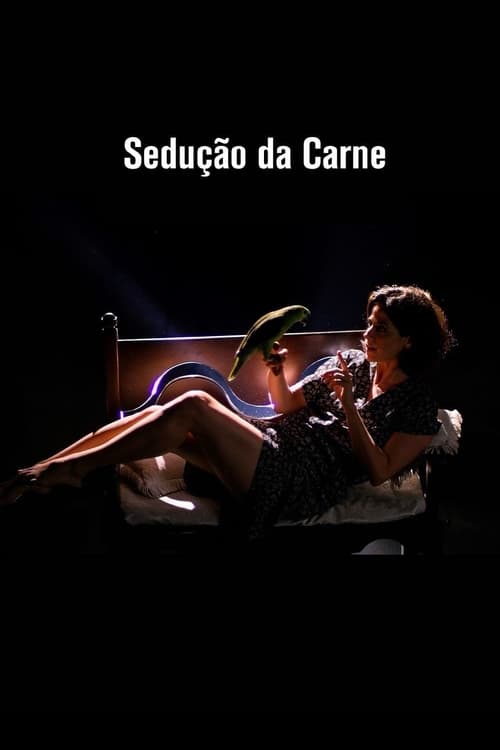
A delicate and tenacious writer, widowed three years ago, engages in frequent conversations with a parrot. However, she’s always observed by a large portion of raw meat.
Batista and Maria form a couple who, apparently, are very happy in their marriage. However, the truth is that appearances deceive and much; in the background, Batista, an inveterate alcoholic and Maria, who has an affair with her eldest daughter's boyfriend, Emilia, represents a family on the edge of the ruins.
A man shaves under the watchful eye of a cat. His beard becomes a cat and the cat a beard. The film merges the two concepts of chimera: as a noun, it is the result of imagination that tends not to come true; in Greek mythology, a figure with the hybrid appearance of two or more animals.
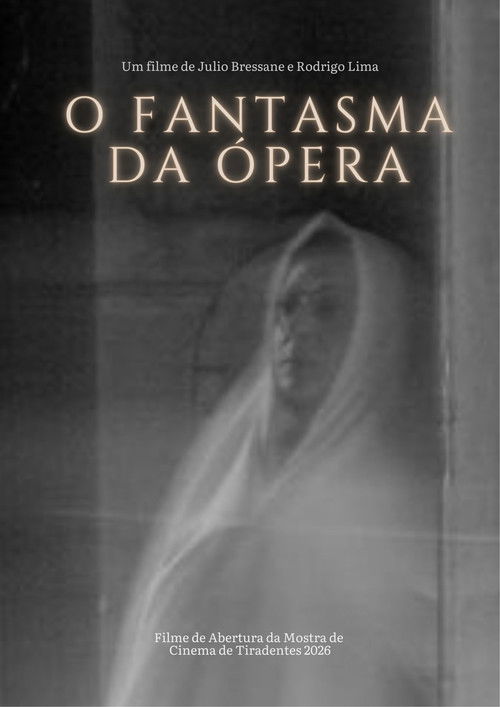
We see the film, not the cinema; cinema remains hidden within the film. Cinema is the Phantom of the Opera. A movement and a moment of transition, the Phantom fades away with each opera. It disappears and then reemerges in another, and another, and another, and yet another opera.
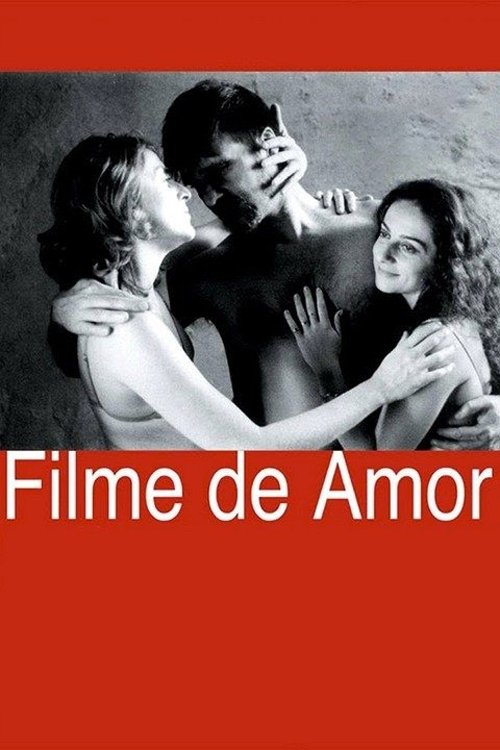
Three friends, Hilda, Matilda and Gaspar, meet in a rundown downtown apartment during a weekend to chat, drink and experience pleasure.
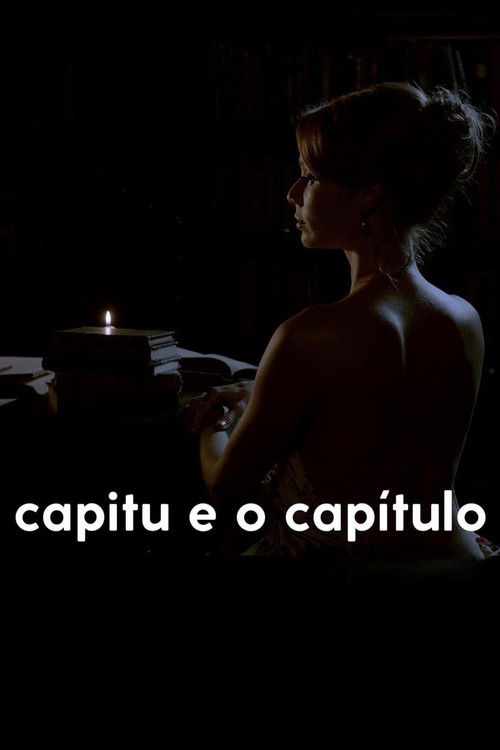
“If you had to choose between me and your mother, who would it be?” Capitu asks provocatively of her problematic lover. Elsewhere, they dance to inaudible music with their friends, each couple keeping to a rhythm of their own. At times, this depiction of the memories we see one Dom Casmurro commit to paper with a flamboyant pen seems to be an interplay of conflicting emotions – particularly when jealousy raises its head. Adapted from the Brazilian classic novel 'Dom Casmurro' (1899) by Machado de Assis as an ironic/philosophical essay on poetry and jealousy, and featuring fragments of Bressane’s previous works.
Filmed over six years in four countries: Portugal, Brazil, Colombia and United States, this romantic drama tells the story of Luzia, a Brazilian screenwriter, and Adrian, a Colombian actor, that fall in love during a film festival in 2009 and will live a fragmented love story while competing in different film festivals around the world.
Two women, long-time friends, embark on a love story. They are writers who do not write to publish but for themselves. Their mutual conversation, their desires, the risks and phantoms of existence, the privilege of the wounded and of condemnation, traverse their speech, are a confession.
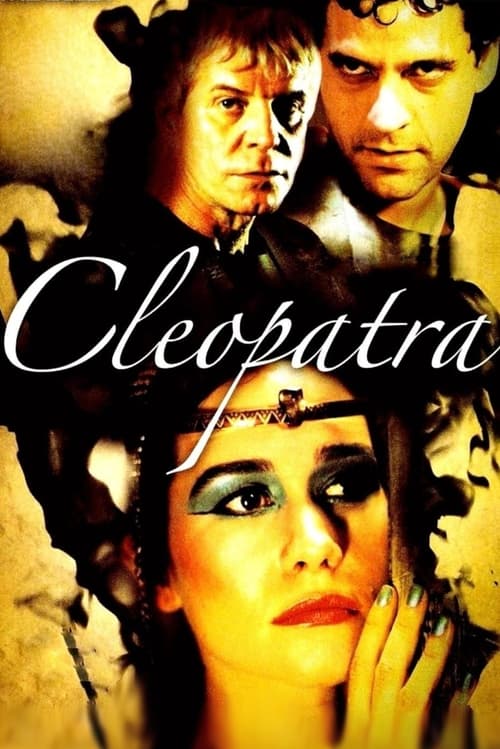
The great battles are the backdrop for the unfolding of the Egyptian Queen's personal life. The strategy of Cleopatra is to seduce the Roman General Julius Caesar and Mark Antony to protect their civilization.
Inspired by Jorge Luis Borges’ The Disinterested Killer Bill Harrigan, Garoto follows a young couple who find themselves in an enchanted place where they experience an amorous and spiritual adventure.
In September 2007 Júlio Bressane goes to Ferrara. In the cemetery of the Italian city he ends up making two movies.
This fantastic documentary seeks to rescue the Brazilian prehistoric records through popular culture, folklore and legends connected to it. A look at the origin of Brazilian history led by real characters, elders of Brazil’s interior, who keep the myths that have been passed down for centuries in small social groups. With texts by Bernardo Silva Ramos, one of the pioneers in the discovery and interpretation of rock art.