Roberta Ainstein
Sound
Known For
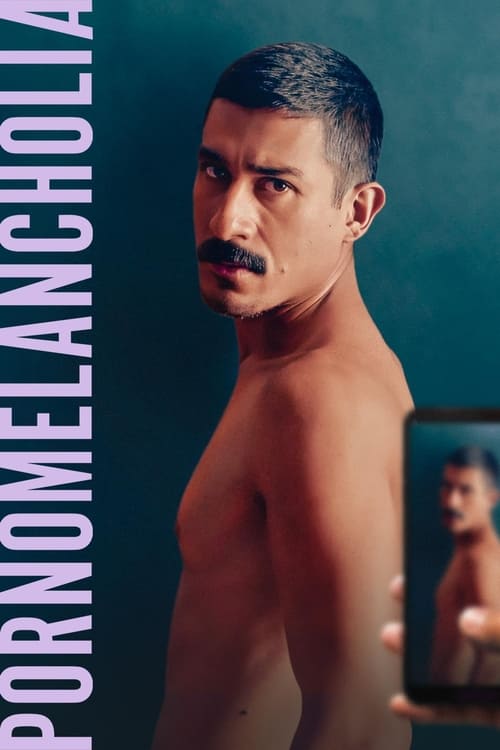
Lalo is a sex influencer: he posts photos of his naked body and homemade porn videos for his thousands of social media followers. Lalo directs his own life, but in private, when out of character, he seems to live in constant melancholy.
Pornomelancholia

After running into something with her car, Vero experiences a particular psychological state. She realizes she might have killed someone.
The Headless Woman
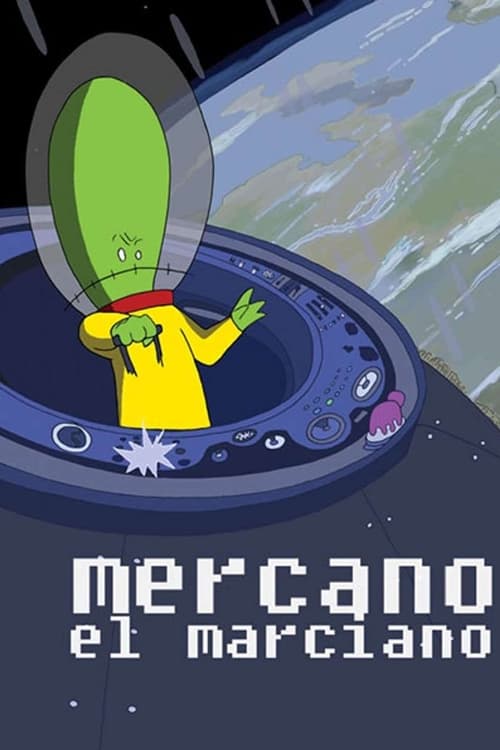
When his pet is killed by a probe from earth, Mercano, a Martian, travels to earth angered. Landing in Buenos Aires, at first noone takes any notice of him.
Mercano the Martian
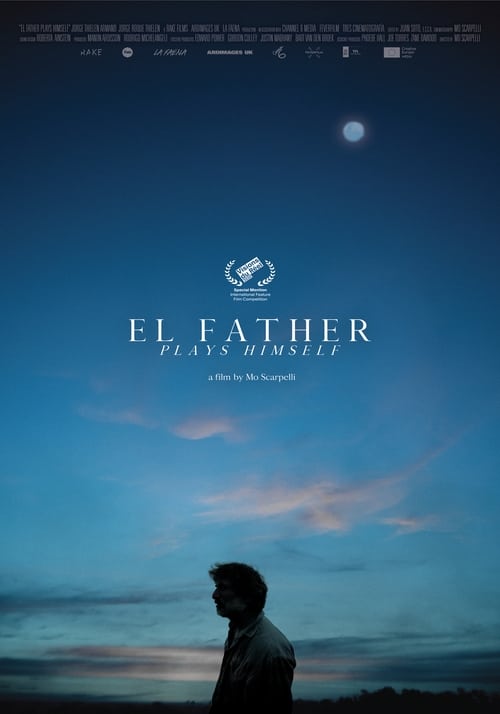
A young film director returns to Venezuela, inspired to make a film based on his father's life in the Amazon jungle (La Fortaleza, Jorge Thielen Armand). He casts Father to play himself. What starts as an act of love and ambition — filmmaking to more deeply understand the self, and the other — spirals into a process which confronts Father’s struggles with addiction and his life devoid of his son. EL FATHER PLAYS HIMSELF holds a steady lens to the way the act of cinema unearths, binds, heals and destroys.
El Father Plays Himself
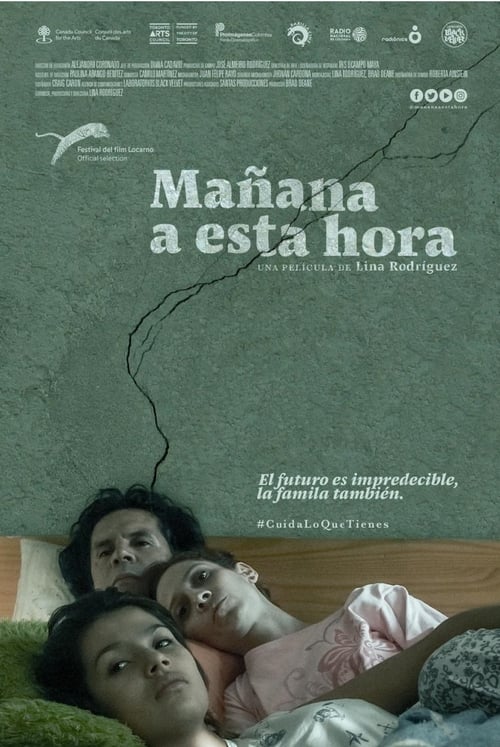
Bright and beautiful, 17-year-old Adelaida enjoys a comfortable family life with her parents in an apartment in Bogotá. But soon the cracks begin to show through the veneer of this picture perfect family.
This Time Tomorrow
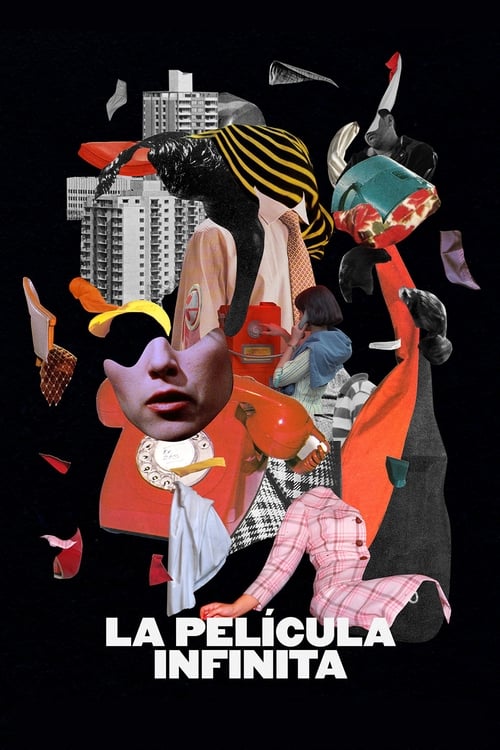
Based on the remains of never-completed Argentine features from the archives of the film museum in Buenos Aires. The film is, as it were, a parallel film history: an essay like a cinematographic Frankenstein, that blows new life into images that once seemed unsuccessful and pointless.
The Endless Film

Alejandra, a young middle class woman from Bogotá, in her daily routines, capturing both her moments alone and her interactions with the world. A subtle, contemplative and deeply intimate examination of the way one young woman navigates the daunting terrain of sex, desire and identity.
Señoritas

In his second feature film, Leandro Listorti establishes a parallel between two worlds he seems to know well: that of plants and that of cinema. This delicate cinematographic work, full of beautiful images—both archival and current—gives an account of the immense work of classification and preservation, and generously invites us to think about forms of representation and memory.
Herbaria

“The past is never dead. It’s not even past”, is announced in white letters, emulating the VHS format and quoting a famous line by American writer William Faulkner on the screen before the appearance of the protagonist in an everyday situation. This quote is the introduction and declaration of principles of What remains in me, director Tamara Mesri’s debut feature film. Through several meetings, reunions and the meticulous display of archival material (including photographs and family documents), the film recreates the story of Luba Alkon de Biegún, the filmmaker’s grandmother and an Holocaust survivor.
What Remains in Me
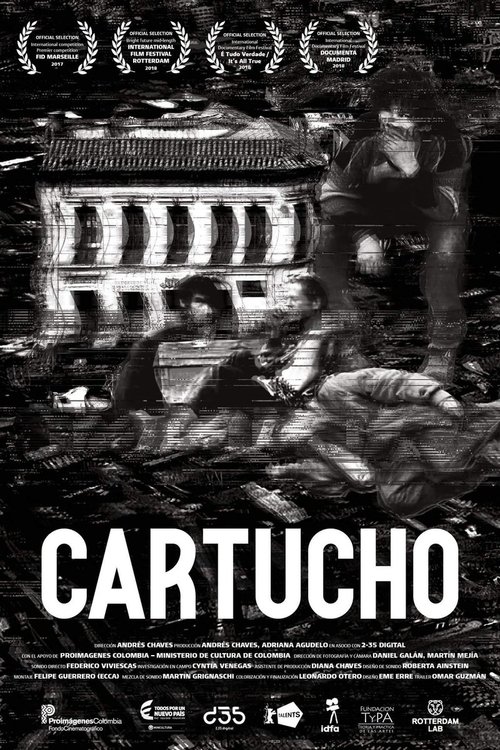
Of all the hellholes in the world, El Cartucho, in the Colombian capital Bogotá, was perhaps the worst. In the 1980s, the colonial neighbourhood of solid middle-class houses degenerated into the fiefdom of a drugs gang. The streets became the backdrop to a flourishing trade in drugs, people and garbage, crack houses sprang up all over and life wasn’t worth a damn.
Cartucho
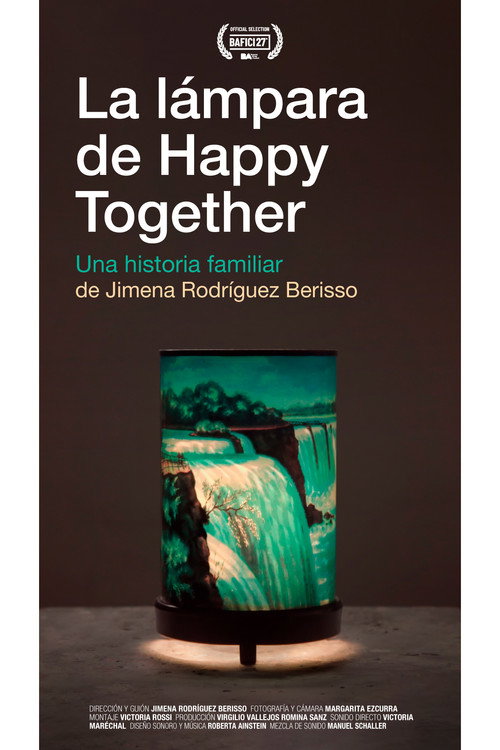
A lamp made in a family workshop in the suburbs unexpectedly appears in Happy Together. The granddaughter of the person who made it traces the object’s journey through family history and its journey to Wong Kar-wai’s film