Sasha Waters Freyer
Directing
Biography
Sasha Waters Freyer, also known as Sasha Waters, is a moving image artist trained in photography and 16mm cinema and professor at VCU School of the Arts.
Known For

Noted documentary filmmakers Iana Porter and Sasha Waters direct this understated and decidedly un-exploitative look at the world of sadomasochism both as therapy and as business. The film focuses on three New York dominatrices who willingly, lovingly, flog, smack, and abuse their clients: young perky Carrie, glitzy 30-something Sonja Blaze, and Teutonic matron Eva. All argue that they are providing society with an important, if quasi-sexual, service. Their clients ardently agree.
Whipped

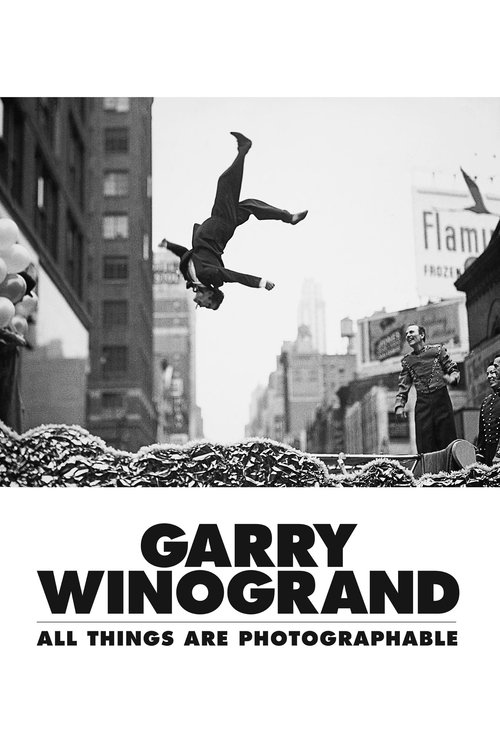
Freyer Artist. Iconoclast. Man of his time. All Things are Photographable is a revealing documentary portrait of the life and work of acclaimed photographer Garry Winogrand – the epic storyteller in pictures of America across three turbulent decades.
Garry Winogrand: All Things Are Photographable

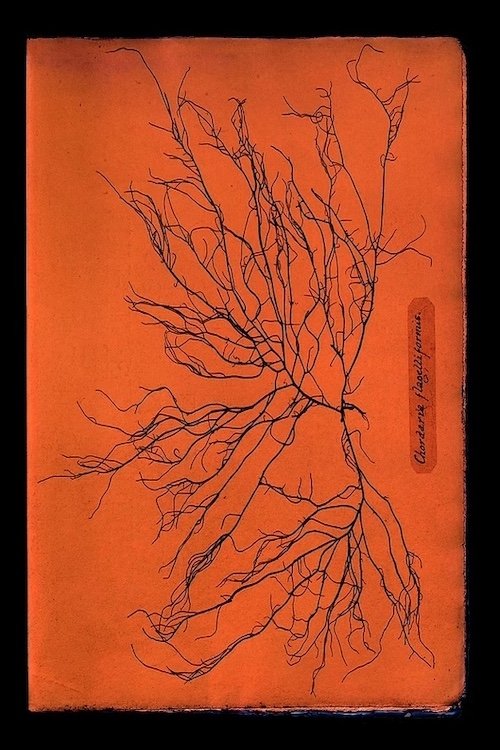
A protist is an organism like the algae that inspired Anna Atkins to create the first book of cyanotypes in 1843. Here, they are transformed into a protest against the colonial violence that enabled their creation.
Ghost Protists
No description available.
Fragile

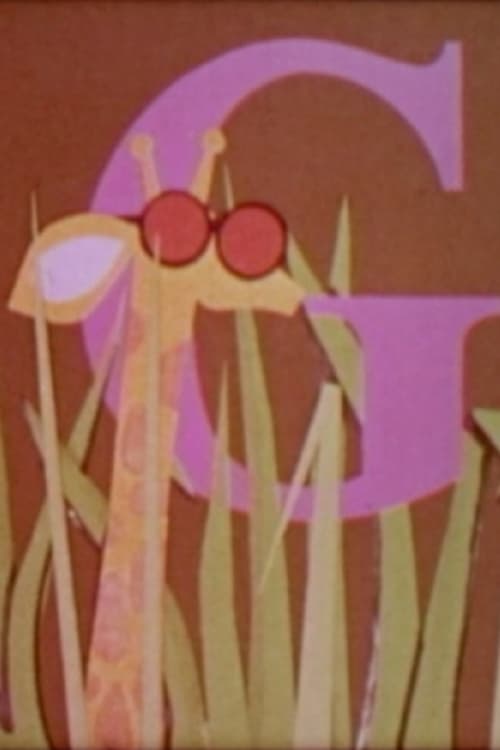
Re-works an old alphabet film to explore one girl's acquisition of language in the age of digital reproduction and manipulation. With elephants and giraffes.
A As In Alpha Gain

A wordless portrait of interiority, maternal ambivalence and the passage of time.
Our Summer Made Her Light Escape

This movie is about loving things that are embarrassing and people who are inappropriate. It’s an essay film reflection on popular trash, football parties, older men, adolescent desire and the outrageous yet mundane humiliations of being a teenage girl in the 1980s. With sound design by Kevin T. Allen and performance cameos by filmmakers Roger Beebe and Jason Livingston.
Ashes of Roses

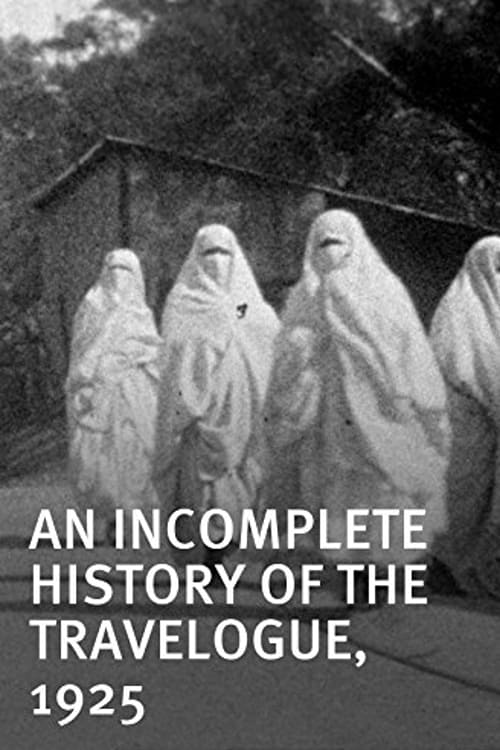
A lyrical essay film that captures the spirit of excess and adventure embodied by The Great Gatsby (published in 1925) in fragments from home movies of a wealthy American family on a Grand Tour of Europe and North Africa.
An Incomplete History of the Travelogue, 1925

Beautiful emptiness, anguish and calm. Absence rendered visible and traces of presence in winter light.
You Can See the Sun in Late December

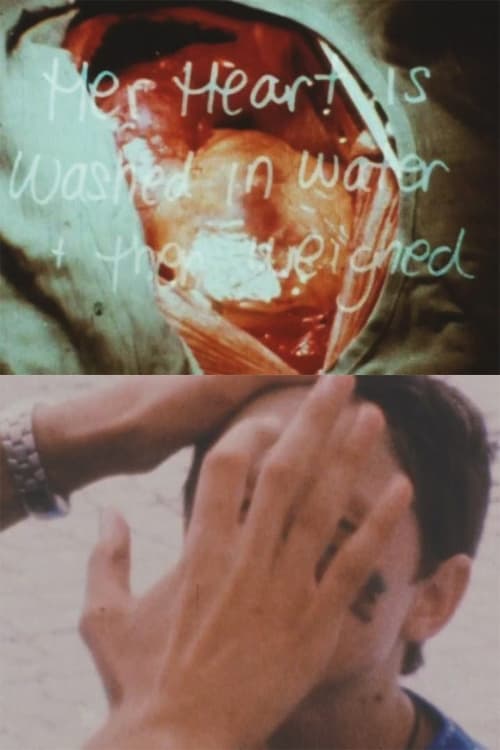
A meditation on motherhood and mortality that takes its title from a procedure in the autopsying of a human corpse. Subtle juxtapositions evoke parallels between static monuments and living families to suggest what is lost to time and age. When you die, everything you know, including this, disappears.
Her Heart Is Washed in Water and Then Weighed

A counter-archive of the past in which public images and private lives, the Old World and the New, collide. The film reflects on how boundaries between genders and generations are shaped by vision and language, by technology and warfare.
This Existence Is Material
The story of renowned New York writer Phillip Lopate's ambitious 1979 staging on Broadway of 'Uncle Vanya' with public school 5th graders, including the filmmaker.
Chekhov for Children

An experimental, feminist collage of river naiads and backyard deities; nothing noticed is lonely. From inspiration to expiration, breathing is the only work to be enacted now.
Respiration
A meditative exploration of the violent struggle for independence in southeast Asia and butterfly metamorphosis. Framed by excerpts from Sylvia Plath’s poem “Tulips,” A Partial History of the Natural World, 1965 reminds us that comfort is a privilege and denial of the suffering of others is not an option. Scored by a 1965 performance of Bartok’s “Solo for Violin 3.”
A Partial History of the Natural World, 1965

THE WAITING TIME is an experimental documentary exploration of desire, conception and the long waiting time of gestation. It is a study of a year in the filmmaker's body at age thirty-five, becoming a mother for the first time. As a thinking woman's sex education film, THE WAITING TIME is a feminist attempt to address and articulate the question of maternal subjectivity, the experience of motherhood for the mother herself.