Directing
A middle-class clan from the Northeast is suddenly thrust into the world of the super rich. Sequestered in a 20,000-square-foot mansion on a 40-acre estate in Palm Beach, they are observed by around-the-clock cameras. They compete in high-society challenges for cruises on luxury yachts, private jets and spectacular prizes and ultimately, for control of the one million-dollar fortune. A full-service professional staff is at their beck and call, including a butler, personal trainer, stylist, kitchen staff, personal secretary, housekeepers, manicurist, tennis pro and countless others -- all used to working with high-end clientele. Unbeknownst to the 10 contestants, the staff picks the winners and losers, and the losers must remain in the house to watch the remaining contestants duke it out.
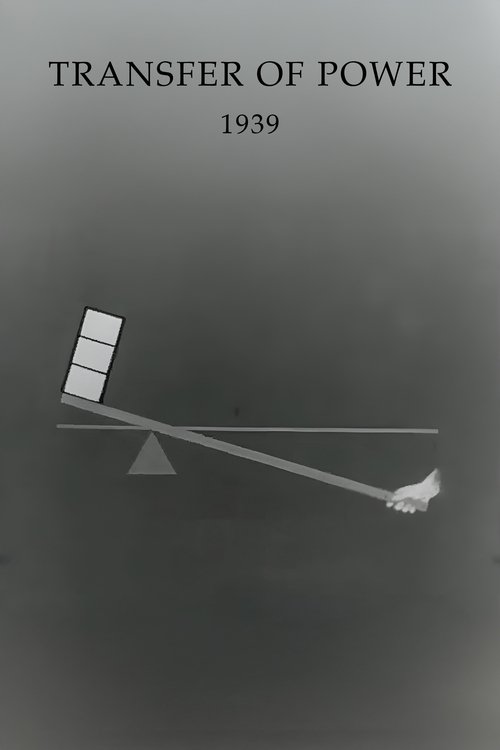
Geoffrey Bell’s Shell Film Unit short (produced by Arthur Elton) turns the history and physics of power transmission—from lever and pulley to the toothed gear—into a crisp lesson, blending live action with Francis Rodker’s animated diagrams to show how gearing underpins modern industry. Often cited as a model of clear scientific exposition.
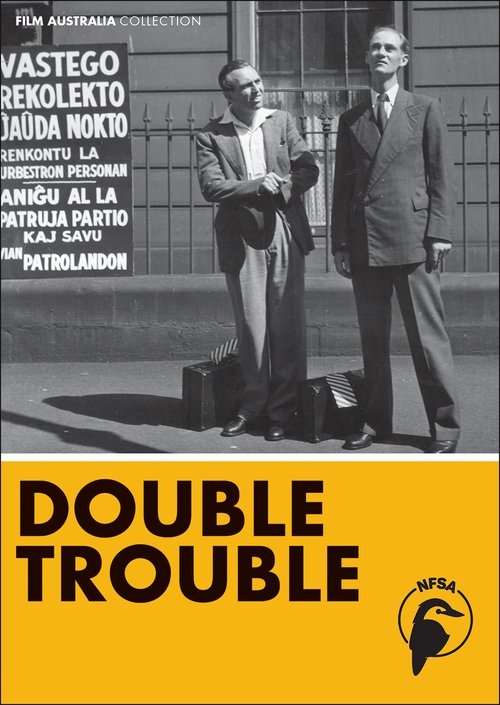
Can't find what you are looking for? All you have to do is ask. Such advice is not so straightforward when you can't speak the language. By 1951, Australian postwar migration programmes were geared to receiving large numbers of non-British migrants. Considerable efforts were made to overcome prejudice on the part of the predominantly British-derived community towards the newcomers. Double Trouble was an attempt to make the point with humour. Bob and Stan, two Aussie blokes, are magically transported to the streets of a foreign country, where their inability to communicate gets them into a tight spot. They discover that it's not easy being a foreigner in a strange land. The central message in this film is that Australia needs migrants so Australians should make them feel welcome and offer assistance, not complaints.
Short World War II documentary showing examples of how skilled craftsmen of peacetime apply their skills to essential wartime production.