Carol Kaye
Acting
Biography
Carol Kaye is an American musician. She is one of the most prolific recorded bass guitarists in rock and pop music, playing on an estimated 10,000 recordings in a career spanning over 50 years. Kaye began playing guitar in her early teens and after some time as a guitar teacher, began to perform regularly on the Los Angeles jazz and big band circuit. She started session work in 1957, and through a connection at Gold Star Studios began working for producers Phil Spector and Brian Wilson. After a bassist failed to turn up to a session in 1963, she switched to that instrument, quickly making a name for herself as one of the most in-demand session players of the 1960s, playing on numerous hits. She moved into playing on film soundtracks in the late 1960s, particularly for Quincy Jones and Lalo Schifrin, and began to release a series of tutoring books such as How To Play The Electric Bass. Kaye became less active towards the end of the 1970s, but has continued her career and attracted praise from other musicians. During the peak of her years of session work, she became part of a stable of Los Angeles-based musicians which went by a variety of informal names, but has since become known as "The Wrecking Crew". Her work with the group led to her prominent role in the 2008 documentary film titled The Wrecking Crew.
Known For
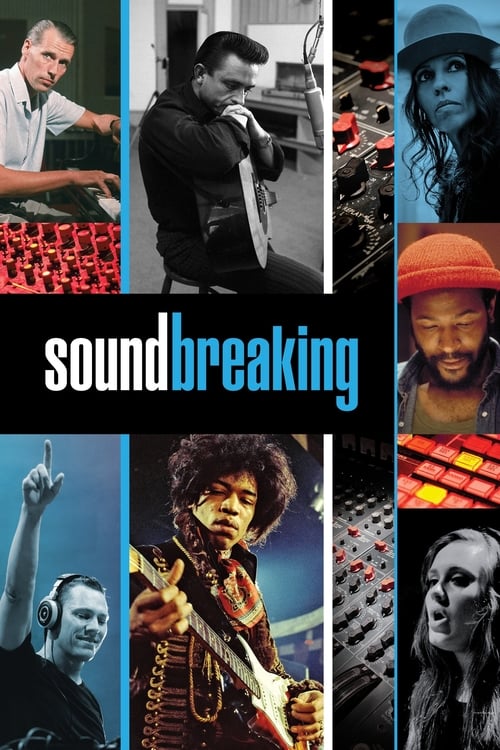
Explore the art of music recording with a behind-the-scenes look at the birth of brand new sounds. Featuring more than 160 original interviews with some of the most celebrated recording artists of all time, Soundbreaking explores the nexus of cutting-edge technology and human artistry that has created the soundtrack of our lives.
Soundbreaking
A couple's attitudes are challenged when their daughter brings home a fiancé who is black.
Guess Who's Coming to Dinner
A four-part documentary series about enigmatic, legendary music producer Phil Spector and what happened on the fateful night of February 3, 2003 when actress Lana Clarkson was shot dead in his mansion.
Spector
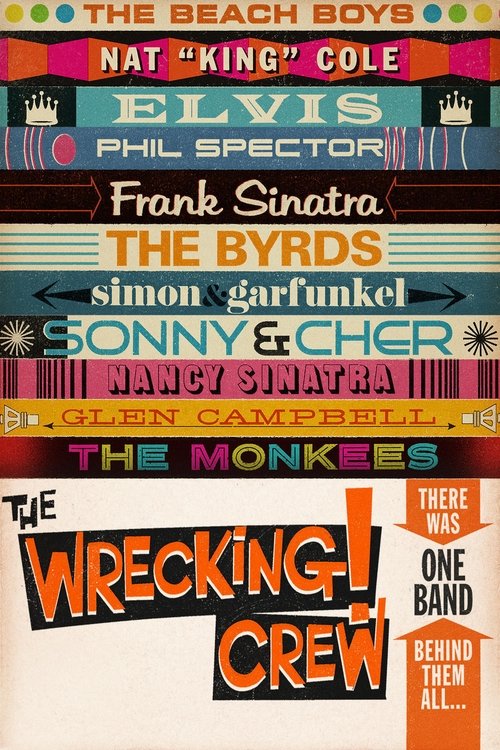
A celebration of the musical work of a group of session musicians known as "The Wrecking Crew." a band that provided back-up instrumentals to such legendary recording artists as Frank Sinatra, The Beach Boys, and Bing Crosby.
The Wrecking Crew
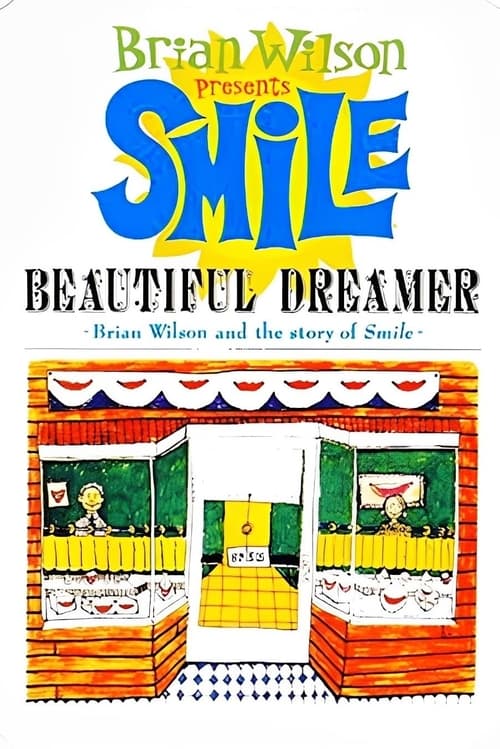
This film tells (using modern day interviews and archival footage and sound tapes) the story of how in 1967, while his band The Beach Boys triumphantly toured abroad, Brian Wilson was trying to push the boundaries of conventional pop music with a new follow-up to the Beach Boys' cutting-edge mega-hit, Pet Sounds. The new album was to be called "SMiLE". SMiLE pushed the envelope both musically and lyrically, and was supposed to out-do the Beatles' Sgt. Pepper record. But Brian wasn't able to sell the project to his band-mates when they returned. The project was shelved and Wilson's well-documented decline into depression, drug abuse, recluseness, and obesity had begun. Thirty-odd years later, Wilson announced that in 2004, SMiLE would be performed live in its entirety in London. This film tells the story of a damaged but healing artist bringing his greatest work to light.
Beautiful Dreamer: Brian Wilson and the Story of Smile

All too often, every great female rock musician has to answer a predictable question - what is it like being a girl in a band? For many, the sight of a girl shredding a guitar or laying into the drums is still a bit of a novelty. As soon as women started forming their own bands they were given labels - the rock chick, the girl band or one half of the rock 'n' roll couple. Kate Mossman aims to look beyond the cliches of fallen angels, grunge babes and rock chicks as she gets the untold stories from rock's frontline to discover if it has always been different for the girl in a band.
Girl in a Band: Tales from the Rock 'n' Roll Front Line
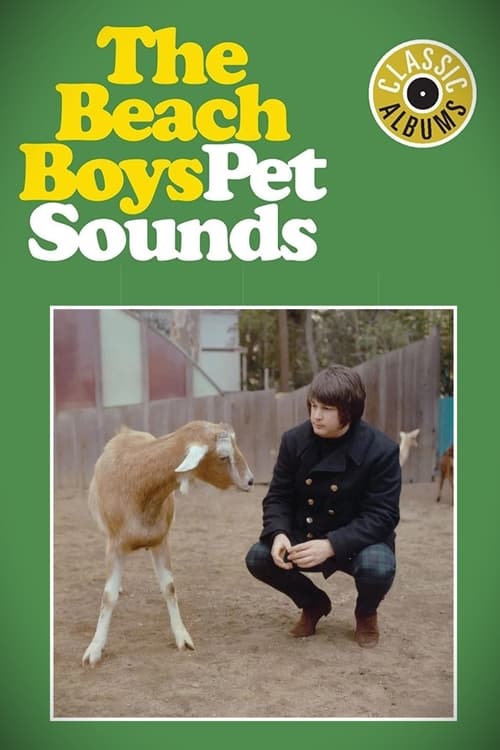
Groundbreaking and ahead of its time, Pet Sounds — the 11th album by The Beach Boys — was a pioneering feat in production, sound, and songwriting…a work that continues to inspire musicians and fans to this day. The latest addition to acclaimed & award-winning Classic Albums series. gives fans a behind-the-scenes look at its creation.
Classic Albums: The Beach Boys - Pet Sounds
Central Avenue thrived as a Black entertainment metropolis of Los Angeles during the 1920s through the mid-1950s. While it is often assumed that women who performed on Central Avenue were mainly vocalists, some of the most celebrated female instrumentalists in the history of jazz performed on this scene. When Central Avenue slowly closed its doors in the 1950s, many of these women instrumentalists continued to perform in Los Angeles and beyond. But more importantly, their legacy as "The First Ladies of the Horn" opened the doors for the next generation of women instrumentalists on the Los Angeles scene. Beyond Central Avenue documents the musical narratives of some of the leading contemporary female instrumentalists of Los Angeles and their impact on the music industry.
Beyond Central Avenue: Contemporary Female Jazz Instrumentalists of Los Angeles
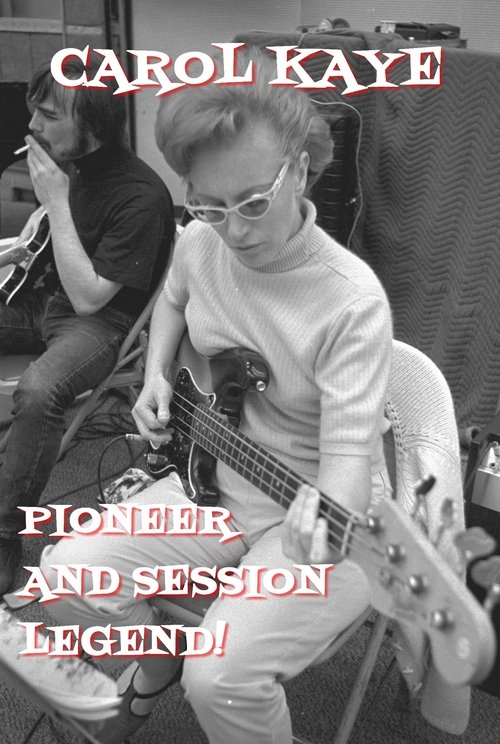
If you've ever listened to pop music from the 1960s and early 1970s, you've heard the (probably uncredited) work of The Wrecking Crew. The Wrecking Crew were a group of in-demand Los Angeles studio musicians who played on hundreds of iconic hits, including the Beach Boys' "Help Me, Rhonda" and The Mamas and The Papas' "California Dreamin'." Many different musicians played as part of the loosely organized Wrecking Crew, but there were three mainstays: drummer Hal Blaine, guitarist Tommy Tedesco, and guitarist and bassist Carol Kaye. Kaye was one of the few females working session musicians of the era. According to Vulture, both The Beach Boys' Brian Wilson and super producer Quincy Jones have referred to her as the greatest bassist in the world.