Directing
Joon-ha had the best night of his life with an older woman he met while drinking. He starts looking for her as he can't forget the feeling and finally they meet. However, she's going to become his new stepmom. She's his father's girlfriend. When the three start living together, things turn edgy and then dangerous when his father leaves the house one day.
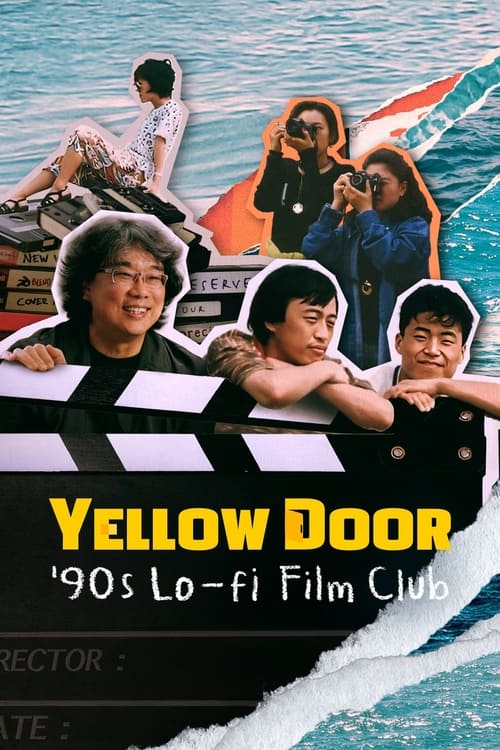
This intimate documentary explores a bygone era of cinematic passion and the emergence of young film enthusiasts in South Korea, including Bong Joon Ho.
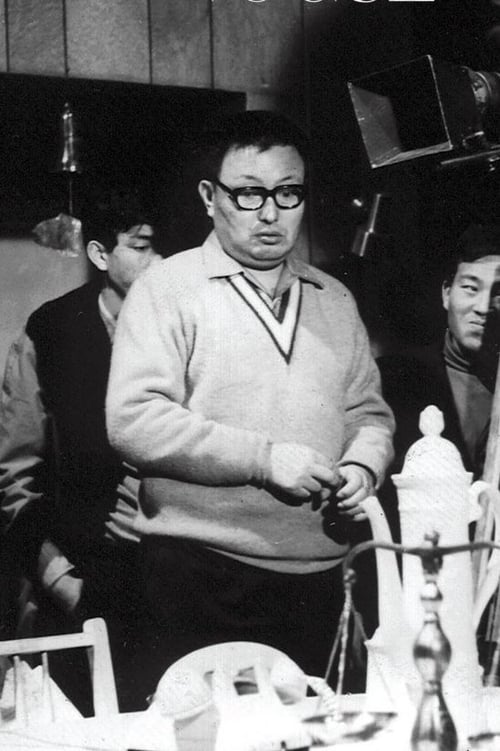
A documentary consisting of twenty-two Korean directors' interviews about Kim Ki-young and respect for his work and the influence
a 1982 8mm film produced by Moon Won-leaf and Seoul Film Collective(Seouryeonghwajipdan).
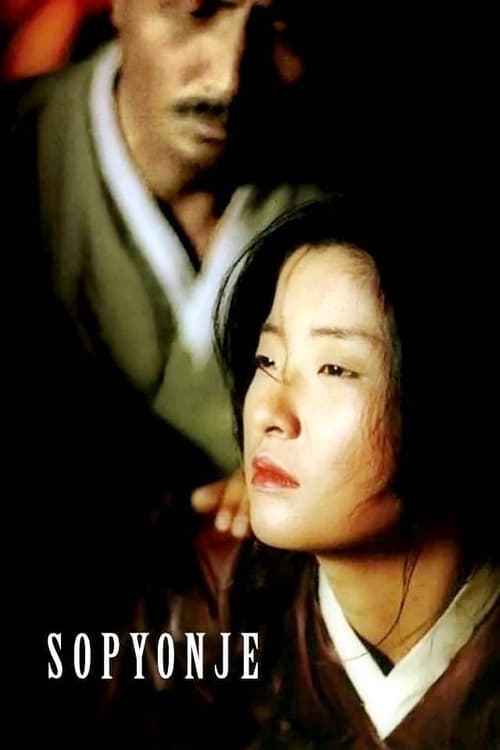
The 1930s. Wishing to pass down his knowledge, the father teaches his children to sing Pansori. The elder daughter and the younger son become professional singers but time has changed and people are no longer interested in folk singing. The younger boy gives up on his studies and runs away from home. Fearful that the daughter might do the same, the father blinds her. The blind girl continues to practice with great diligence and achieves perfection in this art. Years pass, the brother is roaming the world in search of his sister and eventually finds her. All night long they sing together sharing their memories.
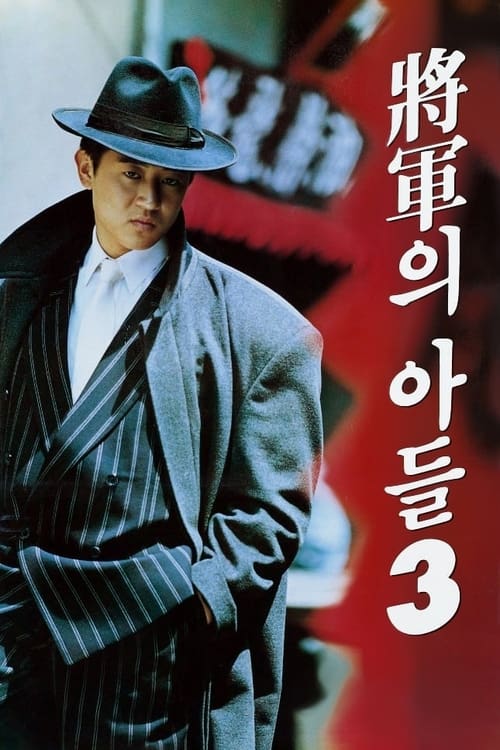
Following the final events of General's Son 2, Kim Du-han is forced to go on the lam but eventually returns to Jongro where he attempts to rebuild his gang with the brothers that are still alive and loyal and defeat Hayashi's Yakuzas once and for all.
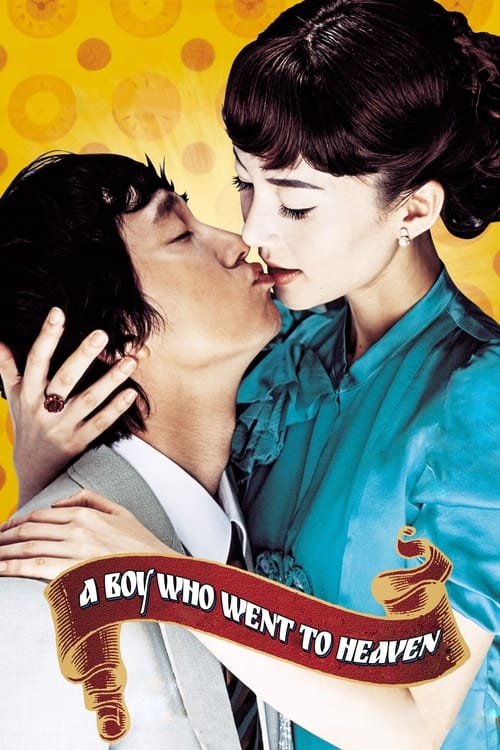
After a miraculous second chance at life, a 13-year-old boy reincarnated into a 33-year-old man has 60 days to win a single mother's heart.
Three pickpockets, led by So-hoon, make a living from petty theft and loafing around the streets. One day, So-hoon runs into Neung-han, an old college friend who, upon learning of the group's precarious situation, decides to help them. However, the three young men come up with a plan to play a prank on him.
A comic book store in Garibong-dong is run by a beautiful woman better known as Madam. This store stays open late into the night, thus attracting varied types of people such as gangsters and hustlers.
No description available.
Performance Arirang is the first independent documentary produced outside the institutional system. Using Yeonwoo Stage theater group's production Pannori Arirang Gogae as its subject matter, the film takes a unique approach by separating visual and audio elements - showing rehearsal scenes, preparation footage, dressing room moments, and performance scenes while overlaying them with live performance audio, audience reactions, interviews, and recordings from Yeonwoo Stage's evaluation sessions. The intentional dissonance between visual and audio elements is interpreted as a means to actively engage viewers with the film. The inclusion of edited interviews from various individuals as off-screen sound suggests an intention to reflect on reality and reconsider the meaning of both Pannori Arirang Gogae and the film Performance Arirang within that reality.
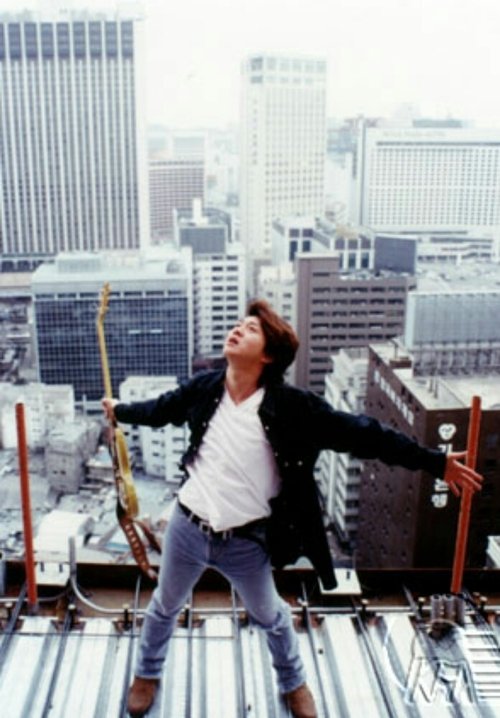
This film depicts the passion and frustration of young people who dream of becoming popular rock musicians. Dohyun neglects his studies because he is only interested in one thing - rock music. He comes to Seoul to work and ente rs a band. he meets his future manager, Jeewoo, and makes his debut as a singer. However, the production of his first album is cancelled because it is considered 'not commercial' enough. Dohyun returns to his hometown, depressed. Jeewo, however, finds him and helps him open his first gig after weeks of practice. The gig turns out to be a complete failure. Dohyun and his friends sing in the middle of the street with pedestrians as their spectators. The film ends with Dohyun frustrated over his unsuccessful career as a rock musician.
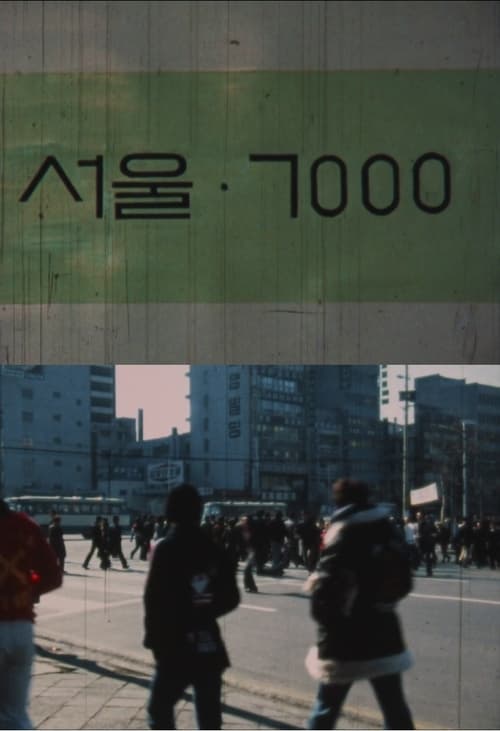
According to the information written in the credit roll of "Seoul 7000," the film was filmed in Seoul in November 1976 with an 'Elmo 108' 8mm camera using Kodachrome 40 film. It was also stated that "it was filmed frame by frame, and the shooting speed was adjusted differently for each shot," and "the number 7000 in the title of this film represents the total number of frames in all parts except for the title."
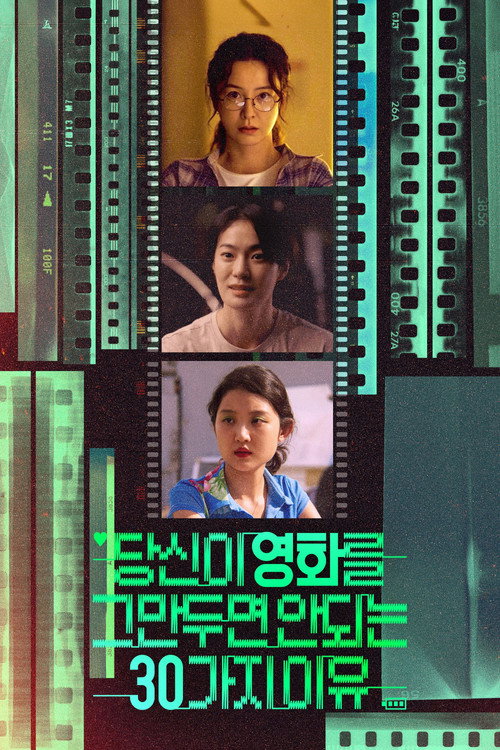
A personal and subjective video essay series on the Korean cinema, consisting of 9 episodes. Its episodes include fragments of memory about Korean films and their ‘field’, actual moments of what is happening here and now, and images excerpted from Korean films. [Ep 1] My Chungmuro (2002) [Ep 2] For March of Fools (2003) [Ep 3] Smoking Women (2003) [Ep 4] Kino 99 (2003) [Ep 5] Song of Keumsoon (2004) [Ep 6] The Creative Restoration of ‘An Empty Dream’ (2005) [Ep 7] Reflection on Kim Gu (2005) [Ep 8] Garibong, Again (2006) [Ep 9] A Short Film about Pre-1945 Korean Cinema (2006)
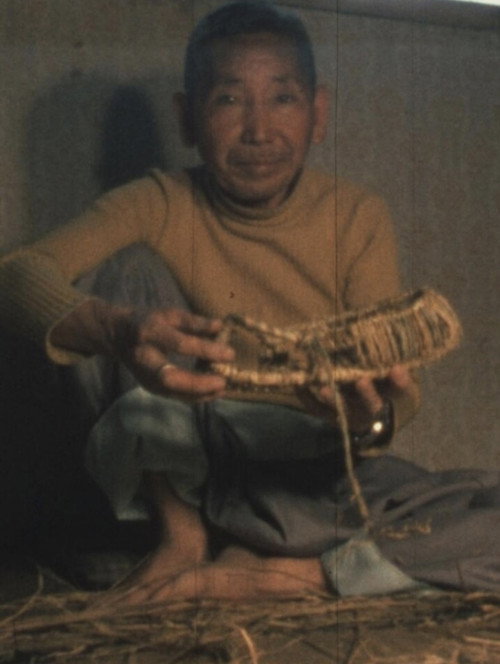
This is a documentary that records the actions of the elderly who makes straw shoes. It was filmed in Bongcheon-dong for a day before the urban redevelopment that area. It sharply contrasts the primitive labor of agricultural society and the modern urban labor with bold close-ups and cross editing. Against the backdrop of a poor hillside village in Seoul, it contains young filmmakers’ criticism on labor and society with an anthropological perspective. The film is the last one of the total seven short films made by director Kim Hongjun and Hwang Juho using a self-taught Super 8mm camera for a year from 1976 to 1977 before the founding of Yalasheng, a film society of Seoul National University. The film was selected at the 3rd SIFF.