
Manuel Andrés
Acting
Known For
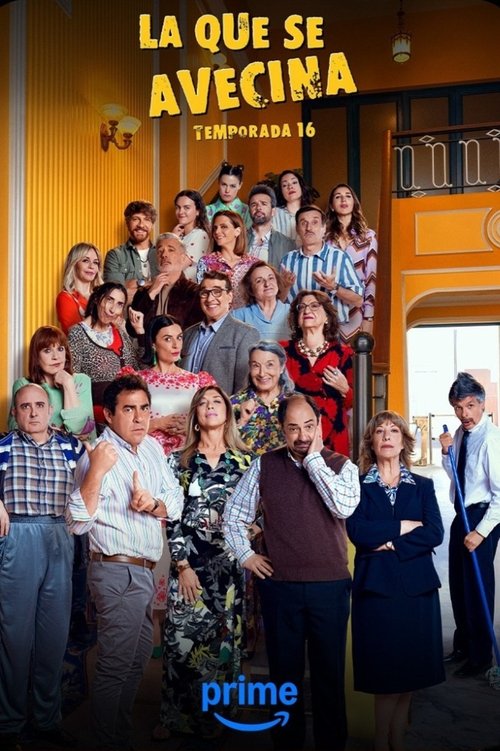
La que se avecina is a Spanish television comedy created by Alberto Caballero, Laura Caballero and Daniel Deorador. The TV-series focusing around the inhabitants of Mirador de Montepinar, a fictional building located on the outskirts of a big city. Both its storylines and cast are heavily based on Aquí no hay quien viva, which ended when Telecinco bought Miramón Mendi, the series production company. The episodes debuted on the Telecinco network, and were later rerun by the same network as well as cable/satellite channels FactoríaDeFicción and Paramount Comedy. The series debuted in 22 April 2007 and became popular thanks to its funny characters, witty script, use of catchphrases and capacity to integrate and poke fun at contemporary issues; the program presents a caustic satire of many of the 'types' found in Spanish society. The name of the show involves wordplay, as "vecina" is the Spanish word for neighbour.
La que se avecina

The story of a group of friends in Madrid.
7 vidas
A caustic satire of many of the 'types' found in Spanish society.
No One Could Live Here
No description available.
Segunda Enseñanza
No description available.
Ligue Story

An elderly man returns to his native town with the hope of finding his childhood love.
First and Last Love

This movie doesn't have any coherent plot. It's the portrait of the lives of different people in the hard years of post-war in Spain (the 40's), and how they manage to survive in a country desolated by the war. Like other films: La colmena or Roma (Fellini) it shows us lots of characters and some moments of their lives.
Merry-Go-Round c. 1950

After seeing that Nelson kisses his lover, Barlow poisons him. But it turns out that Nelson comes back to life when he was about to be buried. From that moment, Barlow does not stop chasing him to finish his work.
De cuerpo presente
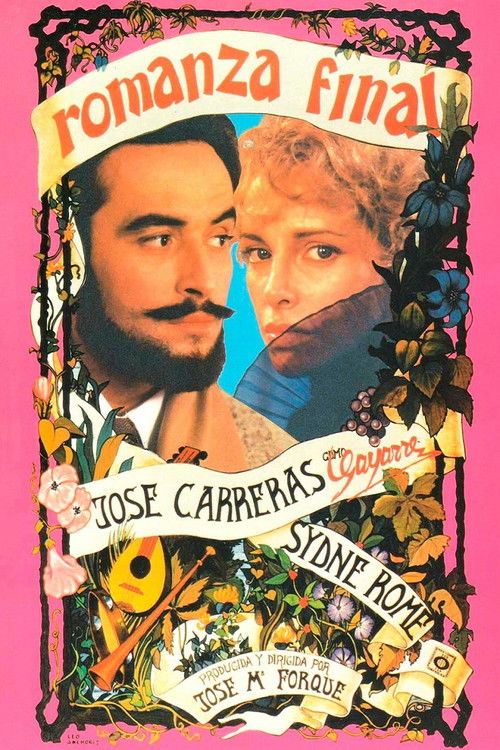
Biography of Julian Gayarre (1844-1890), one of the best tenors of all times. At 19, a professor at the Conservatory of Music in Madrid heard him singing for the first time and offered him a scholarship to continue his studies. His artistic life runs between continued success, becoming the world's greatest tenor. But in 1890, while singing at the Teatro Real in Madrid, a failure in his voice is like a cruel reminder of what would happen a few days later: his death at a young age. The doctors gave a diagnosis, but his friends know that Julian Gayarre died because he could not sing anymore.
Romanza final (Gayarre)

Manuela de Fora, an elegant woman, widow of Pajares, lives with the sole obsession of marrying well her two daughters from her second marriage, Concha Blanca Jara and Amparo. She also has Juanito, son from her first marriage, but she despises him for wanting to be a merchant, like his father. Who really appreciates the laborious Juanito is his uncle Juan, a man of austere habits that blames his sister Manuela for wasting money to pretend being of high social position.
Arroz y tartana
No description available.
Disparate nacional
No description available.
Al fin solos, pero...
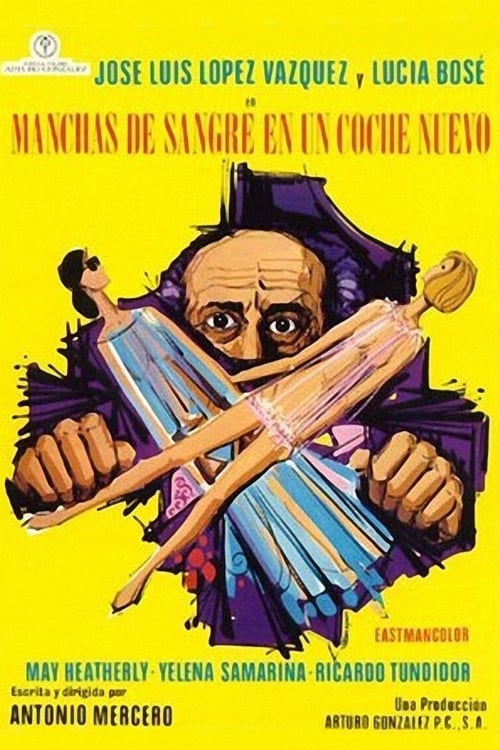
Driving home in the brand new Volvo his wealthy wife gave him for his birthday, Ricardo comes upon a smoking, overturned auto with a man and boy trapped inside but, afraid he'd get bloodstains in his new car, he ignores their cries for help and drives away just before the wreck explodes. Soon after, blood begins pooling in his backseat and Ricardo comes to know how Lady Macbeth felt when he can't get the damned spots out no matter how many times he cleans the car...
Blood Stains in a New Car

Ups and downs of a news agency led by Antonio Borja, a veteran journalist formed during the Franco regime, with the help of his godson and protegé Tomás. The threat of economic bankruptcy, the appearance of Julia, a young journalist from last university generations, the background of the world of tabloids (tricks used by celebrities to remain so, reports sold exclusively by interested parties, photos of Stolen nudes that have been previously agreed) and what is behind the covers of magazines that weekly buy people eager for gossip form the rest of the plot.
Paper Heart
No description available.
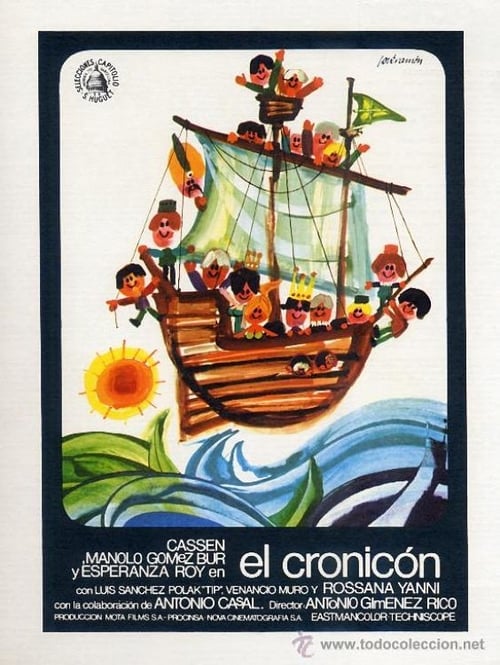
El cronicón
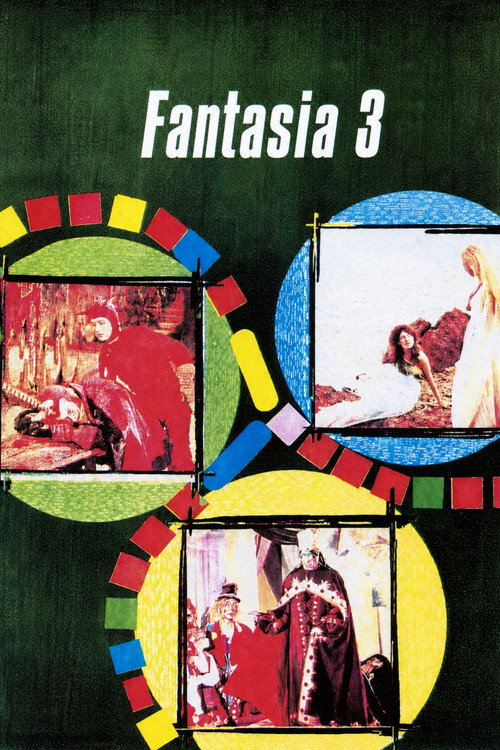
The film is an adaptation of three fairy tales classics of children literature. "The Maiden of the Sea" tells the story of Coraline, a mermaid who wants to be human afte she falls in love with a Sailor Prince. "The 3 hairs of the Devil" tells the story of Tomasin, a young man of humble background, which a seer had a presentiment that he would marry the daughter of the king, who must perform a series of tests to avoid death, and marriage the princess is accepted by the king. "The Wizard of Oz" tells the story of Sylvia, a girl who get lost in the woods with her dog Toto, and along with her friends The Scarecrow, The Tin Man and the Cowardly Lion, have been snatched the brain, heart and courage, respectively. They go the Emerald City to request help from the Wizard of Oz adapting three children’s stories: , The three hairs from the devil and The Wizard of Oz.
Fantasía... 3
“Cómicos” is a sentimental road movie in which we have accompanied the veteran Benavente Company on their tour of Spain. It is the last touring repertory theatre company left in Spain, whose patriarchs, Luis and Aurora, are approaching 80 years old. At the same time, on this emotional journey, we are introduced to the supporting actors, such as Manuel Andrés oandAmparo Pacheco - also octogenarians - who live their profession with dignity and unwavering enthusiasm. In “Cómicos” the names of our protagonists do not appear on illuminated signs but they shine with their own light in a film that talks about passion, the passage of time and the thin line that separates triumph and failure.
Cómicos
Ramiro hates to waste the time...